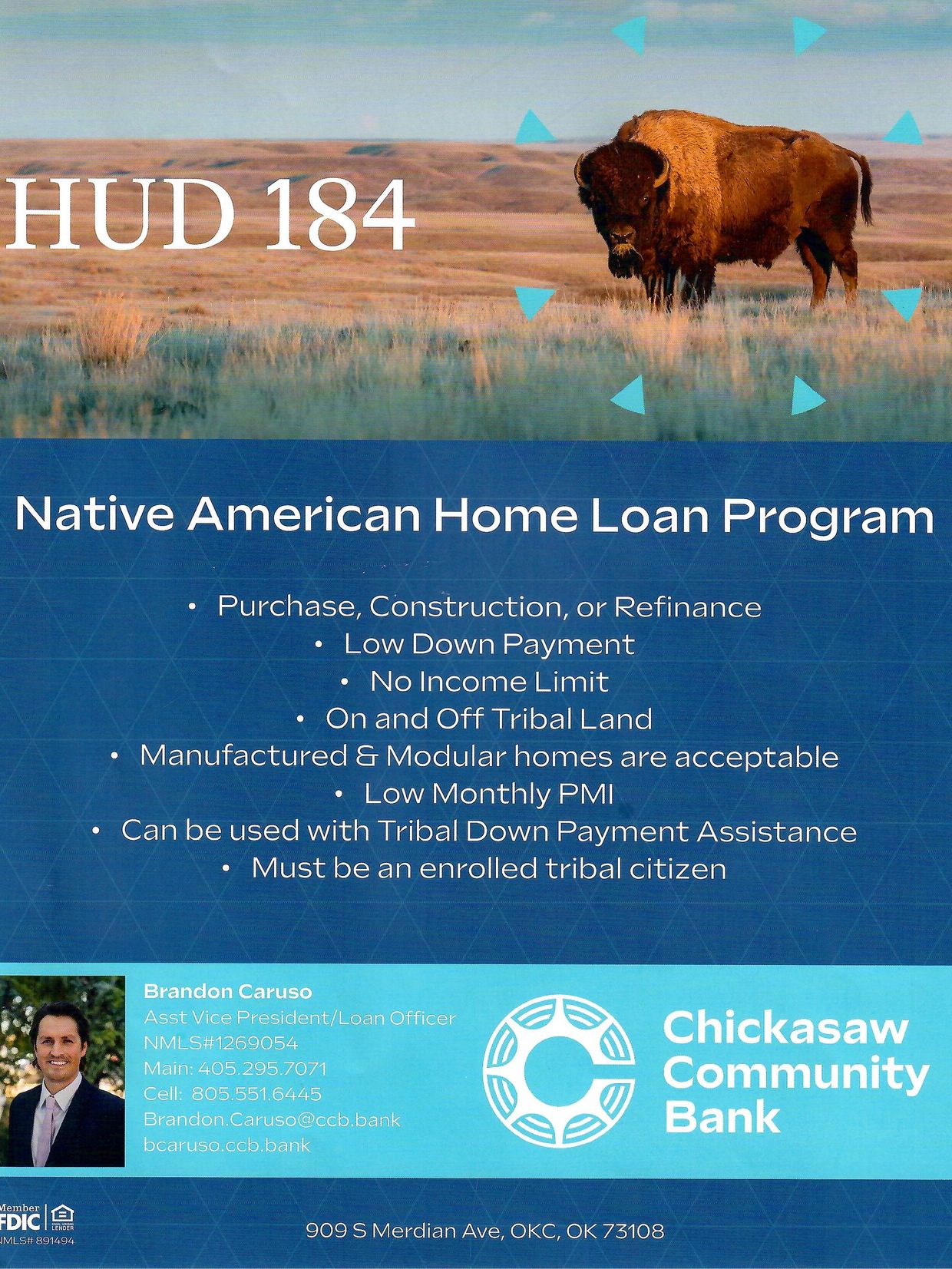
A Professional Guide to the HUD 184 Loan for Home Construction
Building your dream home is a significant undertaking, and for eligible Native American and Alaskan Native individuals and families, the HUD Section 184 Indian Home Loan Guarantee Program offers a unique and invaluable pathway. This comprehensive guide will walk you through the process of leveraging a HUD 184 loan specifically for home construction, from understanding its fundamentals to navigating the construction and closing phases.
1. Understanding the HUD Section 184 Loan Program
The HUD Section 184 program is a loan guarantee program designed to increase homeownership and access to capital for Native Americans and Alaskan Natives. Administered by the U.S. Department of Housing and Urban Development’s Office of Native American Programs (ONAP), it allows private lenders to offer home loans with the assurance that HUD will guarantee the loan if the borrower defaults. This guarantee significantly reduces the risk for lenders, making home financing more accessible and affordable in approved Native American areas.
While commonly used for purchasing existing homes or refinancing, the HUD 184 loan is also an excellent tool for new home construction, offering flexible underwriting and competitive terms tailored to the unique circumstances of tribal communities, including the ability to finance homes on trust land.
2. Key Benefits of the HUD 184 Loan for Home Construction
Before diving into the steps, it’s crucial to understand why the HUD 184 loan stands out for construction:
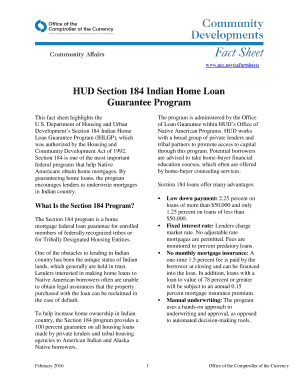
- Low Down Payment: As little as 2.25% down for loans over $50,000, and 1.25% for loans under $50,000.
- Flexible Underwriting: More flexible credit and income requirements compared to conventional loans, acknowledging unique tribal economies.
- Competitive Interest Rates: Rates are typically market-driven and competitive, often without the upfront mortgage insurance premium (MIP) that FHA loans require. Instead, there’s a one-time 1% guarantee fee, and a small annual servicing fee.
- No Monthly Mortgage Insurance: Unlike FHA loans, HUD 184 loans do not typically carry a monthly mortgage insurance premium for the life of the loan, leading to lower monthly payments.
- On/Off Trust Land: Loans can be used for homes on fee simple land, individually allotted trust land, or tribally owned trust land, provided the land is in an ONAP-approved area. This flexibility is particularly important for construction.
- Single Closing Option: Many HUD 184 construction loans offer a "one-time close" or "single close" option, meaning you only go through the closing process once. The loan converts from a construction loan to a permanent mortgage upon completion, simplifying the process and potentially saving on closing costs.

3. Eligibility Criteria
To qualify for a HUD 184 loan, you must meet the following:
- Tribal Enrollment: Be an enrolled member of a federally recognized American Indian or Alaska Native tribe.
- Property Location: The home must be located in an ONAP-approved area. These areas include most tribal trust lands and many surrounding communities.
- Occupancy: The home must be your primary residence.
- Credit & Income: While flexible, you must demonstrate a reasonable credit history and stable income sufficient to repay the loan.
4. The 12-Step Professional Guide to HUD 184 Home Construction Loan
Embarking on a home construction project with a HUD 184 loan requires careful planning and execution. Follow these steps for a smooth process:
Step 1: Self-Assessment and Initial Research
Begin by verifying your eligibility and understanding the program’s nuances. Research the specific ONAP-approved areas where you intend to build. Consider your financial readiness, including any existing debts, savings, and your desired home size and features. This initial phase helps set realistic expectations.
Step 2: Find a HUD 184 Approved Lender with Construction Experience
This is a critical step. Not all lenders are approved to originate HUD 184 loans, and fewer still have extensive experience with the construction aspect of the program. Seek out lenders who:
- Are explicitly listed as HUD 184 approved.
- Have a dedicated team or loan officers specializing in HUD 184 construction loans.
- Can provide references from previous construction loan clients.
- Understand the complexities of building on tribal lands (e.g., land leases, tribal ordinances).
Step 3: Pre-Qualification or Pre-Approval
Once you’ve identified a suitable lender, undergo the pre-qualification or pre-approval process. This involves providing initial financial information (income, assets, credit history) to determine how much you can realistically borrow. A pre-approval letter strengthens your position when selecting land and a builder.
Step 4: Secure Your Land (If Not Already Owned)
If you don’t already own land, you’ll need to acquire an eligible parcel.
- Eligibility: Ensure the land is within an ONAP-approved area.
- Ownership Type: Understand if it’s fee simple, tribal trust land, or an individual allotment. If on trust land, a leasehold agreement (often 50-year renewable) with the tribe or allottee is required and must be approved by the Bureau of Indian Affairs (BIA).
- Site Suitability: Consider access to utilities (water, sewer, electricity), soil conditions, zoning, and potential site preparation costs.
Step 5: Select a Qualified and Approved Builder
Your builder plays a pivotal role. The HUD 184 program, and your lender, will have specific requirements for builders:
- Experience & Licensing: The builder must be licensed, insured, and have a proven track record, ideally with experience in government-backed or construction loans.
- Financial Stability: Lenders often require builders to submit financial statements to ensure they have the resources to complete the project.
- HUD/Lender Approval: The builder will need to be approved by your specific HUD 184 lender. This often involves a review of their credentials, references, and financial health.
- Contract: Develop a detailed construction contract outlining the scope of work, timeline, materials, costs, and payment schedule.
Step 6: Develop Comprehensive Plans, Specifications, and Budget
Work closely with your builder and potentially an architect to finalize your home’s design:
- Blueprints: Detailed architectural plans are essential.
- Specifications (Specs): A complete list of all materials, fixtures, and finishes to be used.
- Cost Breakdown: A line-item budget (often called a "cost estimate" or "schedule of values") from the builder detailing every expense, from foundation to finishes. This will be a critical document for the appraisal and loan approval.
Step 7: Obtain Necessary Permits and Approvals
This step can be complex, especially on tribal lands.
- Building Permits: Secure all required building permits from the appropriate authority (tribal housing authority, county, or state, depending on jurisdiction).
- Environmental Review: HUD 184 loans often require an environmental review to ensure the project complies with environmental regulations.
- Utilities: Obtain approvals and permits for utility hookups (water, sewer/septic, electricity, gas).
- Tribal Approvals: If building on trust land, ensure all necessary tribal council resolutions, BIA approvals for leases, and other tribal specific requirements are met.
Step 8: Appraisal and Underwriting
With plans, specs, builder information, and permits in hand, your loan application moves into the underwriting phase:
- "As-Completed" Appraisal: A HUD-approved appraiser will evaluate the property based on the proposed plans and specifications, determining its value as if completed. This appraisal will be crucial for determining the maximum loan amount.
- Loan Underwriting: The lender’s underwriter will review all documentation – your credit, income, assets, the land details, builder’s credentials, construction contract, plans, specs, and appraisal – to ensure everything meets HUD 184 and lender guidelines.
- Commitment Letter: Upon successful underwriting, you’ll receive a loan commitment letter.
Step 9: Loan Closing (Construction Phase)
This is where the loan is officially finalized.
- Sign Documents: You’ll sign all the necessary loan documents, establishing the mortgage lien on the property.
- Disbursement Schedule (Draw Schedule): You’ll receive a detailed schedule outlining when and how funds will be disbursed to the builder throughout the construction process. This is typically tied to specific milestones (e.g., foundation complete, framing complete, roof on, etc.).
- Interest-Only Payments: During construction, you typically make interest-only payments on the funds that have been disbursed to the builder, not on the full loan amount.
Step 10: Construction and Inspection Phases
The actual building of your home commences:
- Construction Progress: Your builder will begin construction according to the approved plans.
- Draw Requests: As milestones are reached, the builder will submit draw requests to the lender.
- Inspections: Before each draw is disbursed, a HUD-approved inspector (often a third-party independent inspector) will visit the site to verify that the work has been completed satisfactorily and according to plans and local codes. This protects you and the lender, ensuring quality and proper use of funds.
- Communication: Maintain open communication with your builder and lender, addressing any issues promptly.
Step 11: Final Inspection and Occupancy
As construction nears completion:
- Final Inspection: A final inspection will be conducted to confirm all work is finished, and the home is ready for occupancy.
- Certificate of Occupancy (CO): The relevant permitting authority will issue a Certificate of Occupancy, signifying the home is safe and compliant for habitation.
- Final Draw: The final payment to the builder will be released after all inspections are passed and the CO is issued.
- Conversion (if applicable): If you had a single-close construction loan, it automatically converts to a permanent mortgage at this stage.
Step 12: Loan Servicing and Repayment
- Permanent Mortgage Payments: Your regular principal and interest mortgage payments will begin according to your loan terms.
- Homeownership: Enjoy your new home! Remember to budget for ongoing maintenance, property taxes (if applicable), and homeowner’s insurance.
Conclusion
The HUD Section 184 Indian Home Loan Guarantee Program is an exceptional resource for Native American and Alaskan Native individuals looking to build a new home. While the construction process itself has inherent complexities, understanding the specific requirements and benefits of the HUD 184 loan can make the journey significantly smoother. By carefully following these steps, partnering with experienced professionals, and maintaining diligent oversight, you can successfully navigate the process and achieve the dream of building a home that reflects your vision and heritage. Always seek advice from your HUD 184 approved lender for the most current and specific guidance.


