
A Professional Guide to the USDA Native American Loan for Rural Housing (Section 502 Direct Loan)
The dream of homeownership is a cornerstone of stability and prosperity. For many Native American individuals and families living in rural areas, particularly on Tribal lands, unique challenges can arise when seeking financing for housing. The United States Department of Agriculture (USDA) Rural Development, through its Section 502 Direct Loan Program, offers a vital pathway to overcome these hurdles, specifically tailored to support homeownership for low and very low-income individuals, including Native Americans.
This comprehensive guide provides a professional, step-by-step tutorial on understanding and navigating the USDA Native American Loan for Rural Housing program.
1. Introduction: Empowering Native American Homeownership
The USDA Rural Development’s Section 502 Direct Loan Program is designed to assist low and very low-income applicants purchase, construct, repair, or relocate a home in eligible rural areas. While the program is open to all qualified individuals, its structure includes provisions that make it particularly beneficial and accessible for Native Americans, especially those residing on Tribal trust or restricted lands where traditional financing can be difficult to secure.
This program acknowledges the unique land tenure systems prevalent in Indian Country and aims to bridge the gap in housing opportunities, promoting economic development and self-sufficiency within Native American communities.
2. Understanding the USDA Section 502 Direct Loan Program
The Section 502 Direct Loan is a government-backed mortgage designed for applicants who lack the conventional credit and income necessary to obtain traditional loans. It offers favorable terms and conditions, making homeownership a reality for those who might otherwise be excluded from the housing market.
Key Features of the Section 502 Direct Loan:
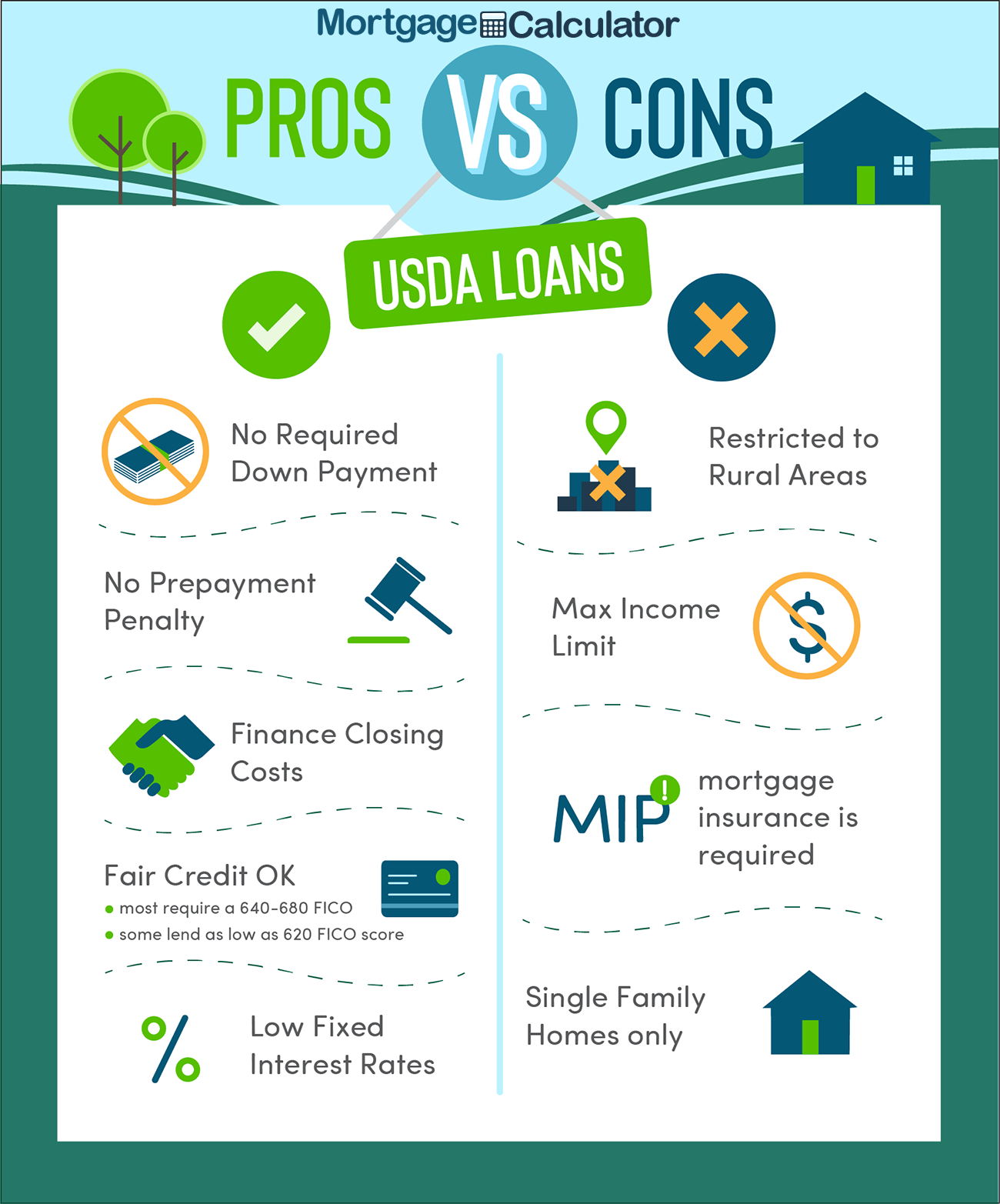
- Low Interest Rates: Interest rates are fixed and often below market rates.
- No Down Payment Required: This significantly reduces the upfront financial burden.
- Flexible Credit Guidelines: While credit history is reviewed, the program is more forgiving than conventional loans, focusing on repayment ability and credit behavior.
- Payment Assistance: For eligible very low-income applicants, payment assistance (subsidies) can temporarily reduce mortgage payments, making them more affordable.
- Long Repayment Period: Loans are typically amortized over 33 years (or 38 years in certain circumstances), resulting in lower monthly payments.
- Variety of Uses: Can be used to purchase an existing home, build a new home, repair an existing home, or even relocate a home.
3. Eligibility Requirements: Who Qualifies?
Eligibility for the USDA Section 502 Direct Loan is based on two primary categories: applicant eligibility and property eligibility.
3.1. Applicant Eligibility
To be eligible, applicants must meet the following criteria:
- U.S. Citizenship or Permanent Residency: Must be a U.S. citizen or a legally admitted permanent resident.
- Income Limits: Household income must be within the "low-income" or "very low-income" limits for the specific rural area where the property is located. These limits are published annually by USDA and vary by county and household size.
- Unable to Obtain Conventional Credit: Applicants must demonstrate they are unable to obtain a conventional loan from other sources at reasonable rates and terms.
- Repayment Ability: Applicants must have the legal capacity to incur the loan obligation and demonstrate a stable and reliable income to repay the loan, including property taxes and insurance.
- Acceptable Credit History: While flexible, applicants should demonstrate a willingness to meet financial obligations. Prior bankruptcies or foreclosures do not automatically disqualify an applicant but require satisfactory explanation and a period of re-established credit.
- Occupancy: The applicant must occupy the home as their primary residence.
3.2. Property Eligibility
The property must meet specific requirements, especially when located on Tribal lands:
- Rural Area: The property must be located in an eligible rural area as defined by USDA. Most areas with a population of 35,000 or less qualify.
- Modest Home: The home must be modest in size, design, and cost for the area.
- Safe, Sanitary, and Decent: The home must meet USDA’s housing quality standards.
- Land Tenure (Crucial for Tribal Lands):
- Fee Simple: If the land is held in fee simple (privately owned), it’s treated like any other conventional property.
- Trust/Restricted Land: For homes on Tribal trust or restricted lands, the applicant must have a leasehold interest (a lease agreement) that meets specific USDA requirements. This is a critical distinction and often the most complex aspect of the application process.
4. Unique Considerations for Tribal Lands
Securing a USDA Section 502 Direct Loan on Tribal trust or restricted land involves specific steps due to the unique land tenure system.
- Leasehold Interest: USDA requires a leasehold interest in the property. This means the applicant does not own the land outright but has a long-term, renewable lease.
- Lease Term: The lease must be for a term of at least 25 years and must be renewable.
- BIA Approval: The lease agreement must be approved by the Bureau of Indian Affairs (BIA) and, in many cases, by the Tribal government.
- Mortgagee Rights: The lease must grant the USDA (as the mortgagee) certain rights, including the ability to foreclose on the leasehold interest if the borrower defaults, and the ability to assign the lease to a new owner if necessary.
- Title Status Report (TSR): A TSR from the BIA is required to confirm the legal ownership status of the land, whether it is Tribal trust, individual Indian allotment, or restricted land, and to identify any encumbrances.
- Tribal Government Involvement: The Tribal government often plays a crucial role, from approving lease agreements to providing necessary infrastructure or support.
5. The Step-by-Step Application Process
Navigating the USDA Section 502 Direct Loan process, particularly for Native American applicants, requires diligence and attention to detail.
Step 1: Initial Research and Information Gathering
- Visit the USDA Rural Development Website: Start by visiting the official USDA Rural Development website (www.rd.usda.gov) to familiarize yourself with the Section 502 Direct Loan program.
- Check Eligibility: Use the eligibility tools on the website to verify if your potential property location is in an eligible rural area and to check the income limits for your county and household size.
- Gather Basic Financial Documents: Begin collecting documents such as recent pay stubs, tax returns (last two years), bank statements, and a list of debts and assets.
Step 2: Contact Your Local USDA Rural Development Office
- Find Your Office: Locate the nearest USDA Rural Development field office through the USDA website.
- Schedule a Consultation: This is a crucial step. Speak directly with a USDA Loan Specialist. They can provide personalized guidance, clarify eligibility, and explain the nuances of applying on Tribal lands. Be upfront about your land tenure situation (e.g., trust land, allotted land).
Step 3: Pre-Qualification and Initial Assessment
- Discuss Your Situation: During your consultation, the Loan Specialist will conduct an initial assessment of your income, credit, and housing needs. They will help you understand your potential eligibility and the maximum loan amount you might qualify for.
- Understand Land Tenure Requirements: The specialist will explain the specific requirements for obtaining a leasehold interest on Tribal lands, including the need for BIA and Tribal approvals.
Step 4: Securing Land Tenure (For Tribal Lands Applicants)
This is often the most time-consuming and critical step for applicants on Tribal lands.
- Obtain a Title Status Report (TSR): Apply for a TSR from the BIA office responsible for your land. This report is essential for confirming the land’s ownership status and any existing encumbrances.
- Negotiate a Lease Agreement: Work with the landowner (Tribal government or individual allottee) to negotiate a lease agreement that meets USDA’s requirements (minimum 25-year term, renewable, mortgagee rights).
- Secure Tribal Council Approval: If the land is Tribal trust land, the Tribal Council will likely need to approve the lease agreement.
- Secure BIA Approval: Once the lease is negotiated and approved by the Tribe (if applicable), it must be submitted to the BIA for their review and approval. The BIA ensures the lease protects all parties’ interests.
- Record the Lease: Once approved, the lease agreement must be recorded with the appropriate BIA Land Titles and Records Office (LTRO).
Step 5: Complete the Full Application Package
Once your land tenure is secured (or concurrently, if the USDA office advises), you will compile and submit the full application. This typically includes:
- Application Forms: USDA-specific forms requesting detailed financial, personal, and property information.
- Income Verification: Pay stubs, W-2s, tax returns (2 years), proof of other income (social security, disability, child support, etc.).
- Asset Verification: Bank statements, investment account statements.
- Credit Report Authorization: USDA will pull your credit report.
- Debt Documentation: Statements for all outstanding debts (loans, credit cards).
- Property Information: Purchase agreement (if buying), construction plans/specifications (if building), appraisal, and inspection reports.
- Land Tenure Documentation: The approved and recorded lease agreement (for Tribal lands) and the BIA Title Status Report (TSR).
- Identity Verification: Driver’s license, Social Security card.
Step 6: Underwriting and Review
- Loan Specialist Review: Your USDA Loan Specialist will thoroughly review your application package, verifying all documentation and ensuring all eligibility criteria are met.
- Appraisal and Inspection: USDA will order an appraisal to determine the property’s market value and an inspection to ensure it meets health and safety standards.
- Environmental Review: An environmental review will be conducted to ensure the property and proposed construction comply with environmental regulations.
- Credit Analysis: A comprehensive analysis of your credit history and ability to repay the loan will be performed.
Step 7: Loan Approval and Closing
- Loan Approval: If your application meets all program requirements, USDA will issue a Conditional Commitment or Loan Obligation.
- Final Documentation: You will review and sign various legal documents, including the promissory note, mortgage (or deed of trust on the leasehold interest), and other closing papers.
- Closing: The loan closing will take place, and funds will be disbursed. For homes on Tribal land, the closing process will specifically involve the leasehold interest.
Step 8: Post-Closing and Loan Servicing
- Loan Servicing: After closing, your loan will be serviced by USDA Rural Development. You will make your monthly payments directly to USDA.
- Payment Assistance: If you are a very low-income borrower receiving payment assistance, USDA will periodically review your income to adjust your subsidy as needed.
- Support: USDA will provide ongoing support for any questions or issues related to your mortgage.
6. Frequently Asked Questions (FAQs)
- Q1: Can I use this loan to refinance an existing home?
- A1: Generally, the Section 502 Direct Loan is for new purchases, construction, or significant repairs. Refinancing an existing USDA Direct Loan is possible under specific circumstances, but it’s not typically for refinancing a conventional loan.
- Q2: What if my credit score isn’t perfect?
- A2: USDA Direct Loans have more flexible credit guidelines than conventional loans. While a good payment history is preferred, the program considers the applicant’s overall financial picture and willingness to repay. Non-traditional credit references (e.g., utility payments, rent) can sometimes be used.
- Q3: How long does the application process take?
- A3: The timeline can vary significantly. While a straightforward application might take a few months, applications involving Tribal trust lands and the need for BIA/Tribal approvals for leasehold interests can take considerably longer due to the multiple layers of review and approval required.
- Q4: Can I build my own home with this loan (Self-Help Housing)?
- A4: Yes, the Section 502 Direct Loan can be used in conjunction with the USDA’s Self-Help Housing program, where families build their homes together with mutual self-help labor.
- Q5: What if I move or sell my home?
- A5: The loan is tied to the property. If you sell the home, the loan is typically paid off from the proceeds of the sale, similar to a conventional mortgage.
7. Conclusion: A Path to Homeownership
The USDA Native American Loan for Rural Housing, primarily through the Section 502 Direct Loan Program, is a powerful tool designed to open the doors to homeownership for Native American families in rural areas. While the process, particularly concerning land tenure on Tribal lands, requires patience and meticulous adherence to guidelines, the benefits of stable, affordable housing are profound.
By following this step-by-step guide and working closely with your local USDA Rural Development office, Native American individuals and families can navigate the complexities and achieve the dream of owning a home in their community. Your local USDA Loan Specialist is your most valuable resource; do not hesitate to reach out to them for personalized assistance.
Disclaimer: This guide provides general information. Program requirements, income limits, and specific procedures can change. Always consult the official USDA Rural Development website and your local USDA Loan Specialist for the most accurate and up-to-date information pertaining to your specific situation.


