A Professional Guide to Securing HUD Section 184 Loan Down Payment Assistance
Navigating the path to homeownership can be a complex journey, especially when facing the significant hurdle of a down payment. For eligible Native American and Alaska Native individuals, the HUD Section 184 Loan Program offers a unique and advantageous pathway. While these loans already feature lower down payment requirements, the dream of homeownership can become even more accessible when combined with Down Payment Assistance (DPA) programs.
This comprehensive guide will provide a professional, step-by-step tutorial on understanding, identifying, and leveraging Down Payment Assistance in conjunction with a HUD Section 184 loan. Our aim is to equip you with the knowledge to navigate this process effectively and achieve your homeownership goals.
1. Understanding the HUD Section 184 Loan Program
Before delving into DPA, it’s crucial to have a firm grasp of the HUD Section 184 loan itself. This program, administered by the Office of Native American Programs (ONAP) within the U.S. Department of Housing and Urban Development (HUD), is specifically designed to increase homeownership and access to capital for Native American and Alaska Native families, tribal governments, and tribally designated housing entities.
Key Characteristics of HUD Section 184 Loans:
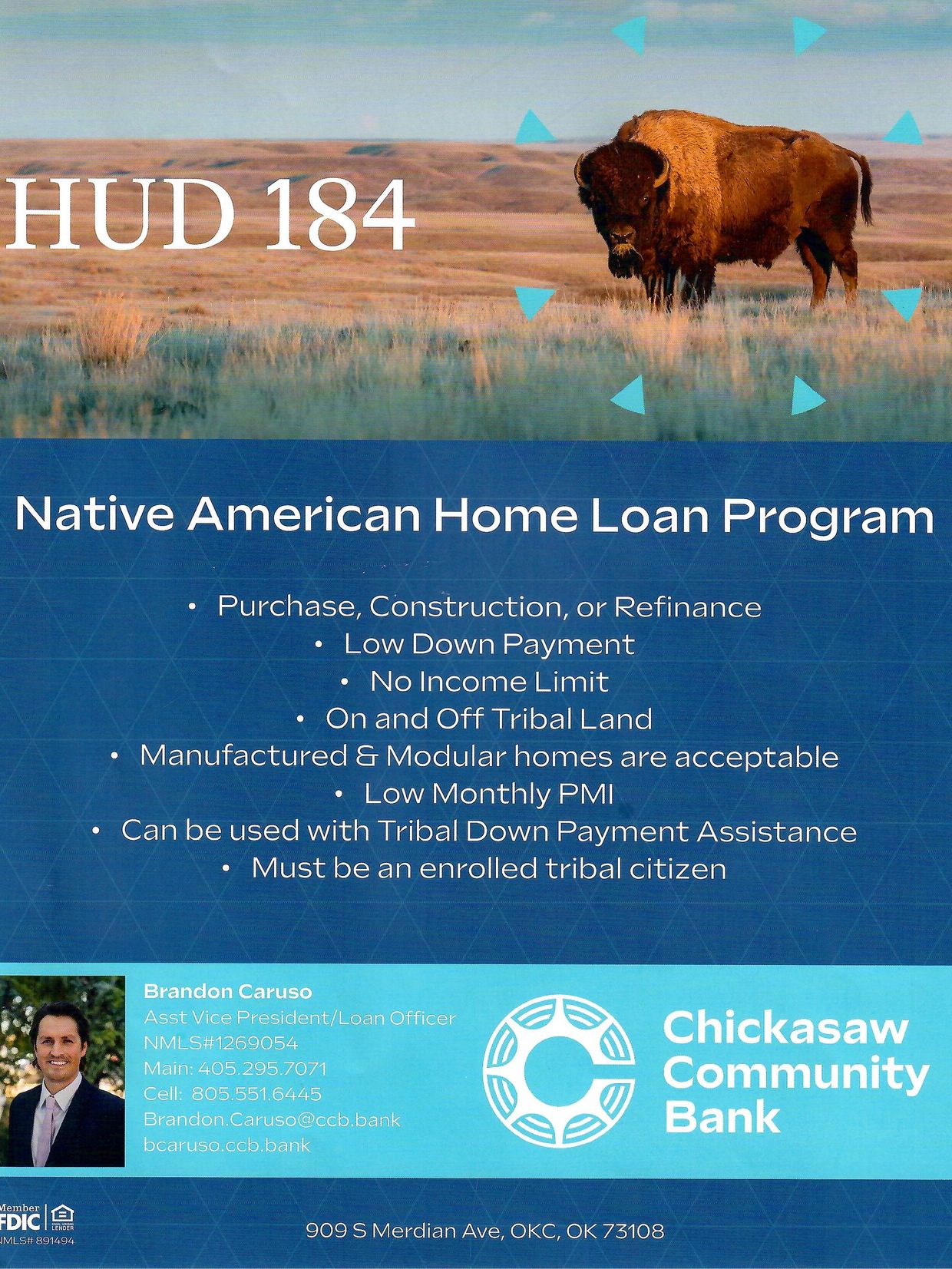
- Eligibility: Restricted to enrolled members of federally recognized American Indian Tribes or Alaska Native Villages.
- Geographic Scope: Loans can be used to purchase, construct, or rehabilitate homes on Native American trust land, individual Indian allotments, and in approved areas off-reservation.
- Lower Down Payment: Typically requires a down payment of just 2.25% for loans over $50,000, and 1.25% for loans under $50,000. This is significantly lower than conventional loans.
- Flexible Underwriting: Features more flexible credit requirements compared to conventional mortgages, acknowledging unique economic circumstances within tribal communities.
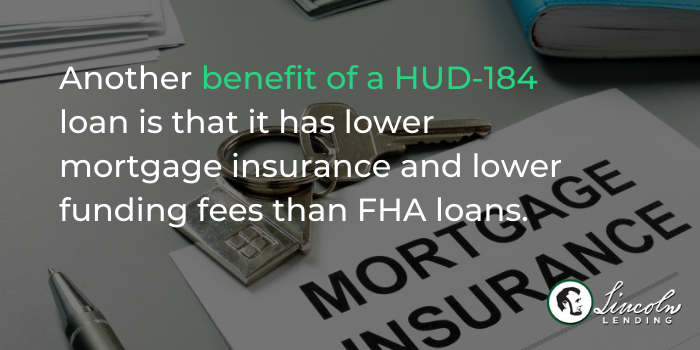
- No Monthly Mortgage Insurance (PMI): Instead of traditional Private Mortgage Insurance (PMI), HUD 184 loans require an upfront Guarantee Fee (1.5% of the loan amount, which can be financed into the loan) and an annual servicing fee (0.25% of the outstanding principal balance).
- Competitive Interest Rates: Rates are often competitive and fixed, providing stability.
- Loan Guarantees: HUD guarantees 100% of the loan to the lender, reducing lender risk and making financing more accessible.

The inherent benefits of the HUD 184 loan make it an excellent foundation for homeownership. However, even a 2.25% down payment on a $300,000 home ($6,750) can be a substantial barrier, especially when coupled with closing costs. This is where Down Payment Assistance becomes invaluable.
2. The Role of Down Payment Assistance (DPA)
Down Payment Assistance programs are designed to help homebuyers cover the initial costs of purchasing a home. These programs are not directly offered by HUD Section 184 itself, but the HUD 184 program allows for the use of DPA funds from other sources.
Why DPA is Crucial for HUD 184 Borrowers:
- Reduces Out-of-Pocket Costs: Even with a low 2.25% down payment, DPA can further reduce or entirely eliminate the cash needed at closing.
- Covers Closing Costs: Many DPA programs can also be used to cover closing costs, which typically range from 2-5% of the loan amount.
- Preserves Savings: Allows homebuyers to retain emergency savings or funds for home improvements after purchase.
- Increases Affordability: By reducing upfront costs, DPA can make homeownership a reality for more families.
Types of Down Payment Assistance Programs:
DPA programs come in various forms, each with unique terms and conditions:
- Grants: These are essentially free money that does not need to be repaid, provided you meet specific criteria (e.g., living in the home for a certain period).
- Second Mortgages (Subordinate Loans): These are separate, smaller loans that run concurrently with your primary HUD 184 mortgage. They typically have their own interest rates and repayment terms.
- Deferred Loans: Repayment of these loans is postponed until a future event, such as selling the home, refinancing, or the end of the loan term. They may be interest-free or accrue interest.
- Forgivable Loans: Similar to deferred loans, but the loan balance is gradually forgiven over a set period (e.g., 5-10 years) if you continue to occupy the home as your primary residence. If you sell or refinance before the term ends, a portion or the entire loan may become due.
3. Step-by-Step Guide to Securing HUD 184 with DPA
This section outlines the detailed process of combining a HUD 184 loan with Down Payment Assistance.
Step 1: Assess Your Eligibility for HUD 184 & DPA
Before anything else, confirm you meet the fundamental requirements for both programs.
- HUD 184 Eligibility:
- Are you an enrolled member of a federally recognized American Indian Tribe or Alaska Native Village?
- Does the property you intend to purchase fall within an approved HUD 184 area (on or off-reservation)?
- DPA Program Eligibility:
- Income Limits: Most DPA programs have maximum income thresholds based on the Area Median Income (AMI).
- First-Time Homebuyer: Many programs are exclusively for first-time homebuyers (typically defined as someone who has not owned a home in the past three years).
- Credit Score: While HUD 184 has flexible credit, DPA programs may have their own minimum credit score requirements.
- Property Type: Ensure the DPA program allows for the type of home you plan to buy (e.g., single-family, condo).
- Homebuyer Education: Some DPA programs mandate completing a homebuyer education course.
Action: Gather your tribal enrollment documentation and estimate your household income. Begin preliminary research into DPA programs in your desired location.
Step 2: Financial Assessment & Budgeting
Understand your current financial standing. This will help you determine how much home you can truly afford and what DPA amount you might need.
- Credit Report: Obtain a copy of your credit report from all three major bureaus (Equifax, Experian, TransUnion). Review it for accuracy and address any discrepancies.
- Debt-to-Income (DTI) Ratio: Calculate your DTI ratio (monthly debt payments divided by gross monthly income). Lenders typically look for a DTI below 43-50%.
- Savings: Even with DPA, it’s wise to have some savings for earnest money, inspections, and unforeseen moving expenses.
- Pre-qualify: Get an initial idea of your borrowing power.
Action: Organize your financial documents (pay stubs, bank statements, tax returns).
Step 3: Find a HUD 184 Approved Lender Experienced with DPA
This is a critical step. Not all lenders offer HUD 184 loans, and fewer still are proficient in combining them with various DPA programs.
- Seek Specialized Lenders: Look for lenders explicitly advertising their expertise in HUD 184.
- Ask About DPA Experience: When interviewing lenders, specifically ask if they have experience working with DPA programs in your area in conjunction with HUD 184 loans. This is crucial as DPA programs have their own rules that must be compatible with HUD 184 guidelines.
- Referrals: Ask tribal housing authorities or other tribal members for lender recommendations.
Action: Contact at least 2-3 specialized lenders. Be prepared to discuss your HUD 184 eligibility and DPA needs.
Step 4: Research and Identify Specific DPA Programs
With a lender in mind, you can now hone in on DPA programs.
- State Housing Finance Agencies (HFAs): Most states have HFAs that offer a variety of DPA programs. These are often the largest and most reliable sources.
- Local City/County Programs: Many cities and counties have their own DPA initiatives, often funded through federal grants like HOME or CDBG.
- Non-Profit Organizations: Community development financial institutions (CDFIs) and other non-profits may offer DPA.
- Employer-Assisted Housing: Some employers provide DPA benefits to their employees.
Action: Work closely with your chosen lender, who should be able to guide you to compatible DPA programs in your target area. Visit relevant state HFA and local government websites.
Step 5: Obtain Pre-Approval for HUD 184 & DPA
Once you’ve identified a suitable DPA program, it’s time to get pre-approved for both the HUD 184 loan and the DPA.
- Comprehensive Application: Your lender will help you complete the full application for the HUD 184 loan and guide you through the DPA application process.
- Documentation: Be ready to provide extensive documentation: tribal enrollment, income verification, asset statements, credit reports, and any specific DPA program requirements (e.g., homebuyer education certificate).
- Pre-Approval Letter: A pre-approval letter will state the maximum loan amount you qualify for, giving you a strong position when making offers on homes. It should also indicate the DPA amount you’re eligible for.
Action: Submit all requested documentation promptly and accurately.
Step 6: Home Search and Offer
With pre-approval in hand, you can confidently search for your new home.
- Work with a Real Estate Agent: Choose an agent experienced with HUD 184 loans and, ideally, DPA programs. They can help you find properties that meet program guidelines.
- Property Requirements: Remember that HUD 184 loans require the property to meet certain safety, soundness, and security standards.
- Making an Offer: Your agent will help you craft a competitive offer. Be transparent about your HUD 184 and DPA financing to the seller, as this can sometimes influence their decision.
Action: Find a home that meets your needs and budget, and submit an offer.
Step 7: Loan Application & Documentation Submission
Once your offer is accepted, the official loan application process begins.
- Full Application Package: Your lender will compile your complete loan package, including all HUD 184 and DPA documentation.
- Appraisal and Inspection: A HUD-approved appraiser will assess the home’s value and ensure it meets HUD’s Minimum Property Standards. It is highly recommended to also get an independent home inspection.
- Additional Documents: Be prepared for potential requests for additional documentation or clarification from the underwriter.
Action: Respond quickly to any requests from your lender or processor to keep the process moving.
Step 8: Underwriting and Approval
This phase is where the lender’s underwriter reviews all documentation to ensure compliance with HUD 184 regulations and the specific DPA program’s requirements.
- DPA Compatibility Check: The underwriter will verify that the DPA program’s terms (e.g., lien position, repayment terms) are compatible with HUD 184 guidelines.
- Clear to Close: Once all conditions are met and approved, you will receive a "Clear to Close" notification.
Action: Be patient during this phase. Underwriting can take time, especially with complex financing structures.
Step 9: Closing
This is the final step where property ownership is transferred, and all financial documents are signed.
- Review Documents: Carefully review all closing documents, especially the Closing Disclosure, which details all costs and loan terms. Ensure the DPA funds are correctly applied.
- Signatures: Sign all necessary papers with your lender, attorney, and/or title company representative.
- Funding: The loan funds are disbursed, and you officially become a homeowner!
Action: Ask questions if anything is unclear. Do not sign anything you don’t understand.
4. Important Considerations & Best Practices
- Work with Experienced Professionals: The synergy between HUD 184 and DPA is a specialized area. Ensure your lender and real estate agent have proven experience with both.
- Understand DPA Terms Fully: Don’t just focus on the upfront benefit. Understand if the DPA is a grant, a loan, or forgivable, and what conditions apply (e.g., repayment if you sell early).
- Due Diligence: Research DPA programs thoroughly. Don’t rely solely on what one lender tells you; verify information with the program administrators themselves.
- Financial Literacy: Continue to educate yourself on homeownership responsibilities, budgeting, and managing your mortgage.
- Timing: Combining two programs can sometimes extend the closing timeline. Be prepared for this and communicate effectively with all parties involved.
5. Common Challenges and How to Overcome Them
- Finding a Compatible DPA Program: Not all DPA programs work seamlessly with HUD 184. Overcome this by starting your DPA research early and working with a lender who actively partners with specific DPA providers.
- Strict DPA Eligibility: DPA programs often have tight income limits, credit score requirements, or first-time homebuyer stipulations. Overcome this by meticulously checking all criteria before applying and having backup DPA options.
- Documentation Burden: Combining two programs means more paperwork. Overcome this by being organized, keeping digital copies of all documents, and responding promptly to requests.
- Extended Closing Times: The layered approval process can take longer. Overcome this by setting realistic expectations with sellers, maintaining open communication with your lender, and avoiding any new debt or credit inquiries during the process.
Conclusion
The HUD Section 184 Loan Program, when strategically combined with Down Payment Assistance, represents a powerful tool for eligible Native American and Alaska Native individuals to achieve sustainable homeownership. By following this professional, step-by-step guide, you can navigate the complexities, leverage available resources, and confidently secure the financing needed for your home. Remember that thorough research, proactive communication, and partnering with experienced professionals are your greatest assets on this rewarding journey.


