
Unlocking Homeownership: A Comprehensive Guide to the HUD 184 Loan Program Benefits for Native Americans
Introduction: Bridging the Homeownership Gap
Homeownership is a cornerstone of wealth building, stability, and community development. However, for many Native Americans and Alaska Natives, traditional mortgage programs have often presented significant barriers due to unique land ownership structures, economic challenges, and historical financial disparities. Recognizing these hurdles, the U.S. Department of Housing and Urban Development (HUD) established the Section 184 Indian Home Loan Guarantee Program.
The HUD 184 program is a powerful tool designed to increase homeownership and access to capital for eligible Native American and Alaska Native individuals, families, and tribal governments. This comprehensive guide will walk you through the intricacies of the HUD 184 loan program, detailing its unique benefits, eligibility requirements, and the step-by-step process to leverage this vital resource. Our aim is to provide a professional, in-depth tutorial that empowers you with the knowledge to navigate your path to homeownership.
1. Understanding the HUD 184 Loan Program: A Foundation
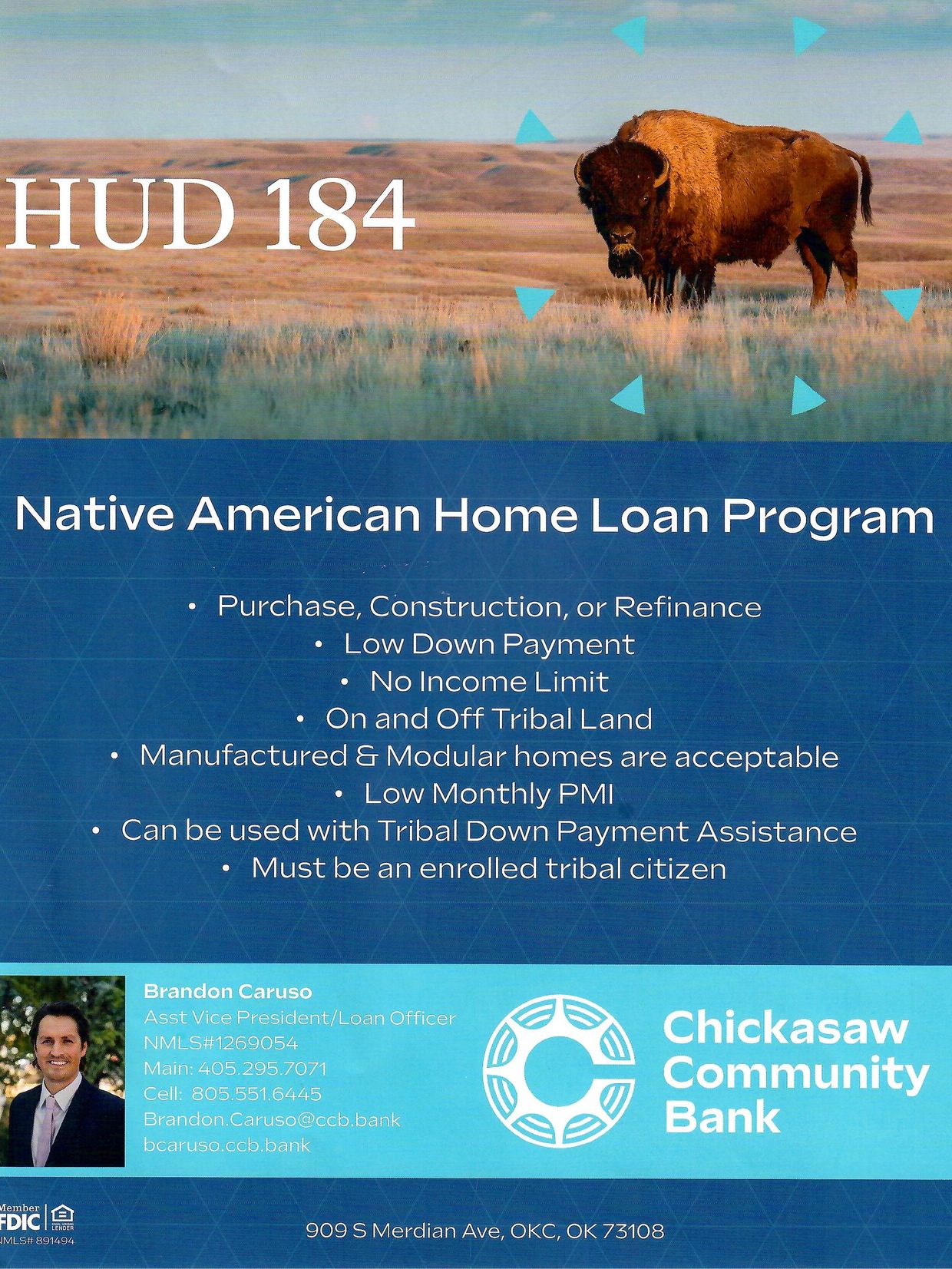
The Section 184 Indian Home Loan Guarantee Program, commonly known as HUD 184, is a mortgage product specifically designed for Native American and Alaska Native families, individuals, and tribal governments. It is administered by HUD’s Office of Native American Programs (ONAP).
What it is: The HUD 184 program does not directly lend money. Instead, it guarantees loans made by private lenders (banks, credit unions, mortgage companies) to eligible Native American borrowers. This guarantee protects the lender against loss if a borrower defaults, making lenders more willing to offer mortgages in Native communities and on tribal lands where traditional financing might be scarce or non-existent.
Key Objective: To promote homeownership, housing rehabilitation, and construction in Native American communities by providing a flexible and affordable mortgage option that addresses the unique challenges faced by these populations.
2. Eligibility: Who Qualifies for HUD 184?
To benefit from the HUD 184 program, specific eligibility criteria must be met. These criteria ensure the program reaches its intended beneficiaries.
- Tribal Enrollment: The primary requirement is that the borrower must be an enrolled member of a federally recognized American Indian tribe or Alaska Native village. Proof of tribal enrollment, typically an enrollment card or letter from the tribe, will be required.
- Property Location: The property must be located in an eligible area. HUD 184 loans can be used to purchase, construct, or rehabilitate homes on:
- Trust Land: Land held in trust by the U.S. government for the benefit of a tribe or individual Native American.
- Restricted Fee Land: Land where the title is held by an individual Native American but is subject to restrictions against alienation or encumbrance.
- Fee Simple Land: Standard privately owned land located within an eligible Indian Area, which can include reservations, tribal statistical areas, and other areas defined by HUD.
- Standard Loan Qualifications: While the program offers flexibility, borrowers must still meet standard credit and income qualifications established by the lender and HUD 184 guidelines. This includes:
- Credit History: Lenders will review your credit report, but HUD 184 is often more flexible than conventional loans, considering non-traditional credit references.
- Income and Employment: Stable income and employment are necessary to demonstrate the ability to repay the loan.
- Debt-to-Income Ratio: Your total monthly debt payments relative to your gross monthly income will be assessed.
- No Income Limits: Unlike some other government programs, there are generally no maximum income limits for HUD 184 loans, though borrowers must still qualify for the payment.

3. Key Benefits of the HUD 184 Loan Program
The HUD 184 program stands out due to its distinct advantages tailored to the needs of Native American borrowers.
3.1. Low Down Payment Requirements
One of the most significant benefits is the low down payment.
- For loans over $50,000, only a 1.25% down payment is required.
- For loans of $50,000 or less, the down payment is 2.25%.
This significantly reduces the upfront cash needed, making homeownership more accessible compared to conventional loans that often require 5% to 20% down.
3.2. Flexible Credit Underwriting
HUD 184 lenders are encouraged to consider a borrower’s complete financial picture, including non-traditional credit references. This means:
- Alternative Credit: Utility bills, rent payment history, and other regular payments can be used to establish creditworthiness if a traditional credit score is low or non-existent.
- Understanding Unique Circumstances: The program acknowledges that financial histories in Native communities may differ from mainstream patterns, allowing for a more holistic review.
3.3. Competitive Interest Rates
HUD 184 loans typically offer fixed-rate mortgages, providing stability and predictability in monthly payments. The interest rates are often competitive with, or even lower than, FHA or conventional loans, thanks to the government guarantee. This ensures borrowers receive favorable terms.
3.4. Low Mortgage Insurance Premiums
Unlike FHA loans which require both an upfront mortgage insurance premium (MIP) and annual MIP for the life of the loan, HUD 184 has a more borrower-friendly structure:
- One-Time Guarantee Fee: Borrowers pay a one-time upfront guarantee fee of 1% of the loan amount, which can often be financed into the loan.
- Annual Guarantee Fee: An annual guarantee fee of 0.25% of the outstanding loan balance is also required.
This is generally lower than FHA’s annual MIP and provides substantial long-term savings for homeowners.
3.5. Ability to Use on Trust and Fee Simple Land
This is a critical distinction. The HUD 184 program specifically addresses the complexities of financing homes on trust or restricted fee land, where traditional lenders are often hesitant due to legal title issues. This flexibility allows for:
- On-Reservation Homeownership: Facilitating home construction and purchase directly within tribal lands.
- Off-Reservation Opportunities: Also applicable to homes on fee simple land within eligible Indian Areas, offering broader choices.
3.6. Refinancing Options
The HUD 184 program allows for various refinancing options, including:
- Rate and Term Refinance: To secure a lower interest rate or change the loan term.
- Cash-Out Refinance: To access equity in the home for improvements, debt consolidation, or other needs.
- Streamline Refinance: A simplified process for existing HUD 184 borrowers to refinance with less paperwork.
3.7. No Income Limits
While borrowers must still demonstrate the ability to repay the loan, the HUD 184 program does not impose maximum income limits. This means a wider range of income earners can qualify, provided they meet other underwriting criteria.
3.8. Reduced Closing Costs
The program allows sellers, homebuilders, or other interested parties to contribute up to 6% of the sales price towards the borrower’s closing costs. This significantly reduces the out-of-pocket expenses for the homebuyer, making the path to ownership even more affordable.
3.9. Assumable Mortgages
HUD 184 loans are assumable, meaning if the home is sold, a qualified buyer (who must also be an enrolled member of a federally recognized tribe) can take over the existing mortgage with its original terms and interest rate. This can be an attractive feature when selling the home, especially in a rising interest rate environment.
4. How the HUD 184 Loan Program Works: A Step-by-Step Process
Navigating the HUD 184 loan process involves several key stages, similar to traditional mortgages but with specific program nuances.
Step 1: Research and Education
- Understand the Program: Begin by thoroughly understanding the HUD 184 program, its benefits, and your eligibility.
- Financial Health Check: Review your credit report, assess your income and expenses, and determine your readiness for homeownership. Consider housing counseling if needed.
Step 2: Find a HUD 184 Approved Lender
- Specialized Lenders: Not all lenders offer HUD 184 loans. You must work with a lender approved by HUD to originate these loans. HUD maintains a list of approved lenders on its website.
- Seek Experienced Lenders: Look for lenders with a strong track record and expertise in the HUD 184 program, as they will be more familiar with the unique requirements, especially for homes on trust land.
Step 3: Pre-Qualification/Pre-Approval
- Initial Assessment: The lender will conduct an initial review of your financial information (income, credit, debts) to determine how much you might be able to borrow.
- Pre-Approval Letter: A pre-approval letter strengthens your offer when you find a home, showing sellers you are a serious and qualified buyer.
Step 4: Home Search
- Identify Property Type: Decide if you want to buy an existing home, build a new one, or rehabilitate an older property.
- Location: Ensure the property is located within an eligible HUD 184 area. Your lender can help verify this.
- Trust Land Considerations: If purchasing on trust land, be aware of the specific leasehold agreements and requirements, which your lender and tribal housing authority will help facilitate.
Step 5: Loan Application and Underwriting
- Formal Application: Complete a full loan application with your chosen lender, providing all required documentation (tribal enrollment verification, income statements, tax returns, bank statements, etc.).
- Underwriting: The lender’s underwriter will review all your financial documents, the property details, and ensure everything complies with HUD 184 guidelines.
Step 6: Appraisal and Inspections
- HUD 184 Appraisal: An appraisal will be conducted by a HUD-approved appraiser to determine the property’s fair market value and ensure it meets HUD’s minimum property standards (MPS).
- Home Inspection: While not always required by HUD, a professional home inspection is highly recommended to identify any potential issues with the property before purchase.
- Environmental Review: For properties on trust land, an environmental review might be necessary to comply with federal regulations.
Step 7: Loan Approval and Closing
- Final Approval: Once all conditions are met and the underwriting is complete, your loan will receive final approval from the lender and HUD.
- Closing: You will sign all necessary legal documents, including the promissory note and mortgage deed, and pay any remaining closing costs. Ownership of the property (or the leasehold interest on trust land) is transferred.
Step 8: Post-Closing Responsibilities
- Loan Servicing: Make your monthly mortgage payments on time.
- Property Maintenance: Maintain the home in good condition.
- Property Taxes and Insurance: Ensure property taxes are paid (if applicable to fee simple land) and maintain hazard insurance. For trust land, tribal assessments or fees may apply.
5. Eligible Property Types and Locations
The HUD 184 program offers versatility in the types of properties it can finance:
- Single-Family Homes: The most common use, including detached, semi-detached, and townhomes.
- Duplexes/Multi-Unit Homes: Properties with up to four units, provided the borrower occupies one of the units as their primary residence.
- Manufactured Homes: New manufactured homes (double-wide or larger) that are permanently affixed to a foundation and meet FHA/HUD standards.
- Condominiums: Units in HUD-approved condominium projects.
- New Construction: Financing for the construction of a new home, often with specific requirements for builder approval and construction draws.
- Rehabilitation: Loans for the purchase and rehabilitation of existing homes or for rehabilitating a home already owned.
Eligible Locations: The program can be used in specific "Indian Areas" as defined by HUD, which typically include:
- Federally recognized Indian Reservations.
- Off-reservation trust lands.
- Tribal statistical areas.
- Specific counties identified by HUD as having significant Native American populations or historical ties to tribal lands. It’s crucial to confirm the property’s eligibility with a HUD 184 lender.
6. Required Documentation and Key Considerations
Preparing your documentation in advance can streamline the loan process.
Essential Documents:
- Proof of Tribal Enrollment: Official tribal enrollment card or letter.
- Identification: Government-issued ID (driver’s license, passport).
- Social Security Card: For all borrowers.
- Income Verification: Pay stubs (past 30 days), W-2 forms (past two years), tax returns (past two years), profit and loss statements (for self-employed).
- Asset Verification: Bank statements (past two months), investment account statements.
- Debt Information: Statements for credit cards, auto loans, student loans, etc.
- Gift Letter (if applicable): If a portion of the down payment or closing costs is a gift.
- Property-Specific Documents: Purchase agreement, appraisal report, inspection reports.
- Leasehold Agreement (for Trust Land): If applicable, a 50-year lease agreement (or longer) approved by the Bureau of Indian Affairs (BIA) and the tribe.
Important Considerations:
- Housing Counseling: For first-time homebuyers or those needing credit assistance, HUD-approved housing counseling agencies can provide invaluable support.
- Understanding Leasehold Estates: For homes on trust land, borrowers don’t own the land outright; they own a leasehold interest. This is a critical legal distinction that your lender and tribal authorities will help you understand.
- Working with Tribal Governments: For on-reservation housing, collaboration with the tribal housing authority and BIA is often necessary for approvals and lease agreements.
7. Common Misconceptions and Clarifications
To ensure a clear understanding, let’s address some common misunderstandings about the HUD 184 program:
- Myth: HUD 184 is "free money" or a grant.
- Fact: It is a loan that must be repaid. HUD guarantees the loan, making it easier to obtain, but it is not a handout.
- Myth: It’s only for homes on tribal land.
- Fact: While it strongly supports trust land homeownership, it can also be used for homes on fee simple land within eligible Indian Areas.
- Myth: There are no credit checks or financial requirements.
- Fact: Borrowers must still demonstrate creditworthiness and the ability to repay the loan, though the program offers more flexibility in evaluating credit history.
- Myth: Any lender can offer HUD 184 loans.
- Fact: Only lenders specifically approved by HUD to participate in the Section 184 program can originate these loans.
Conclusion: Empowering Native American Homeownership
The HUD 184 Indian Home Loan Guarantee Program is an invaluable resource designed to empower Native American and Alaska Native individuals and families on their journey to homeownership. By offering low down payments, flexible credit underwriting, competitive interest rates, and the unique ability to finance homes on tribal trust land, it addresses historical barriers and opens doors to financial stability and community growth.
Understanding the program’s benefits, navigating the application process, and collaborating with approved lenders and tribal authorities are crucial steps. This guide has provided a professional framework to demystify the HUD 184 program, equipping you with the knowledge needed to pursue this powerful path to owning your own home. If you are an enrolled member of a federally recognized tribe, exploring the HUD 184 loan program could be your definitive step towards achieving the dream of homeownership.
Disclaimer: This guide provides general information about the HUD 184 Loan Program. Loan terms, eligibility requirements, and program specifics can change. It is essential to consult with a HUD 184 approved lender, a HUD-approved housing counselor, and/or HUD’s Office of Native American Programs (ONAP) for the most current and personalized information regarding your specific situation. This guide is not intended as legal or financial advice.


