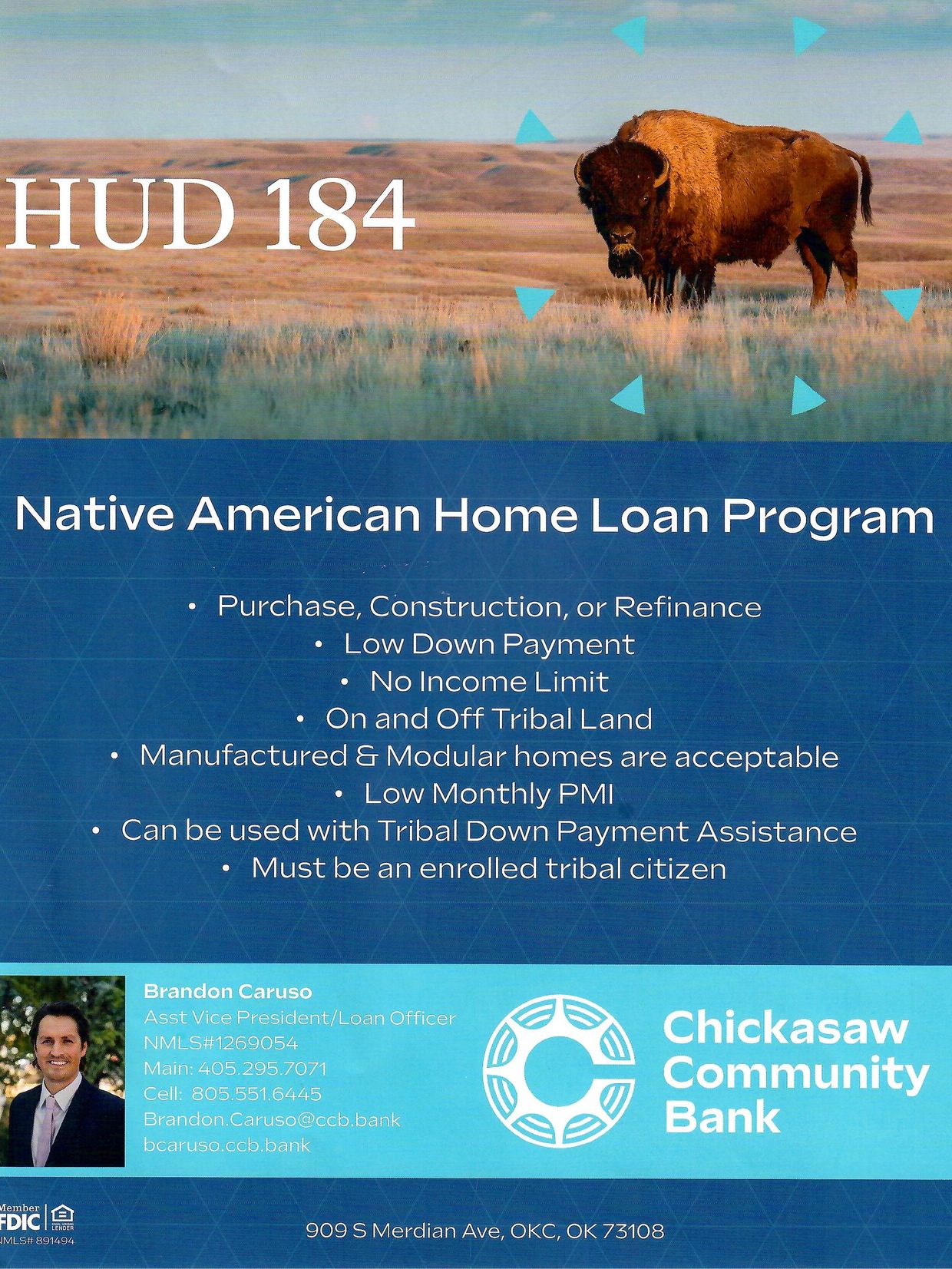
Okay, here is a 1200-word professional guide on the HUD 184 Loan for Tribal Housing, written in English with clear headings.
A Professional Guide to the HUD 184 Loan for Tribal Housing
Introduction: Empowering Native American Homeownership
The U.S. Department of Housing and Urban Development (HUD) Section 184 Indian Home Loan Guarantee Program is a unique and vital mortgage product designed to increase homeownership opportunities for Native American and Alaska Native families, tribes, and Tribally Designated Housing Entities (TDHEs). Unlike conventional loans, the HUD 184 loan addresses the specific challenges associated with lending on Native American trust lands, restricted fee lands, and within Indian Country. By guaranteeing these loans, HUD mitigates risk for approved lenders, making mortgages more accessible and affordable for eligible borrowers.

This comprehensive guide will walk you through the intricacies of the HUD 184 loan program, from understanding its benefits and eligibility to navigating the application process and successfully achieving your homeownership goals.
Key Benefits of the HUD 184 Loan Program
The HUD 184 loan offers several distinct advantages that set it apart from traditional mortgage products:
- Low Down Payment: Borrowers typically benefit from significantly lower down payment requirements, often as little as 2.25% for loans over $50,000, and 1.25% for loans under $50,000.
- Flexible Underwriting: The program offers more flexible credit underwriting guidelines compared to conventional loans, acknowledging the unique financial circumstances that may exist within tribal communities.
- Competitive Interest Rates: Because the loans are guaranteed by HUD, lenders are able to offer competitive, fixed interest rates, helping to ensure affordable monthly payments for borrowers.
- No Private Mortgage Insurance (PMI): While the loan does include an Upfront Guarantee Fee (1.5% of the loan amount, which can be financed into the loan) and an Annual Loan Guarantee Fee (0.25% of the outstanding principal balance), it does not typically require monthly PMI, which can lead to significant savings over the life of the loan.
- Versatility in Property Types: The loan can be used for a wide range of property types, including single-family homes, townhouses, condominiums, and even manufactured homes, provided they meet HUD’s property standards.
- Unique Land Tenure Accommodation: Crucially, the program is specifically designed to work with various land tenure systems found in Indian Country, including fee simple, trust land, and restricted fee land, requiring collaboration with tribal governments and the Bureau of Indian Affairs (BIA).
- Nationwide Availability: While focused on Native American communities, the loan can be used for properties located anywhere in the U.S., provided the borrower is an eligible Native American or Alaska Native.
.jpg "Hud 184 Loan For Tribal Housing")
Eligibility Requirements
To qualify for a HUD 184 loan, both the borrower and the property must meet specific criteria:
Borrower Eligibility:
- Tribal Membership: You must be an enrolled member of a federally recognized American Indian tribe or Alaska Native Village. Proof of enrollment (e.g., tribal ID card, Certificate of Indian Blood) will be required.
- Creditworthiness: While more flexible, lenders will review your credit history to assess your ability to repay the loan. A steady employment history and reasonable debt-to-income ratio are generally expected.
- Income Requirements: You must demonstrate sufficient and stable income to afford the mortgage payments, property taxes, and insurance.
- Occupancy: The home purchased or refinanced must be your primary residence.
- No Default on Federal Debt: You must not be delinquent or in default on any federal debt (e.g., student loans, previous HUD loans).
Property Eligibility:
- Location: The property can be located on trust land, restricted fee land, or fee simple land within an eligible tribal area or anywhere else in the United States, as long as the borrower is an eligible Native American.
- Condition: The property must meet HUD’s minimum property standards for safety, security, and soundness. An appraisal and inspection will be required.
- Land Lease/Use Agreement (for Trust/Restricted Land): If the property is on trust or restricted fee land, a valid leasehold agreement (often 50 years, renewable) or other appropriate land tenure documentation approved by the BIA and the Tribe will be required. This is a critical distinction from conventional lending.
Types of HUD 184 Loans Available
The HUD 184 program is versatile, supporting various homeownership needs:
- Purchase Loans: For buying a new or existing home.
- Refinance Loans:
- Rate and Term Refinance: To get a lower interest rate or change the loan term.
- Cash-Out Refinance: To access equity in your home for other financial needs, subject to program limits.
- New Construction Loans: For building a new home, including both stick-built and modular homes. This often involves specific construction phase inspections and draws.
- Rehabilitation Loans: For renovating or improving an existing home, often combined with a purchase or refinance. The cost of rehabilitation must be included in the loan amount.
- Manufactured Home Loans: For purchasing new or existing manufactured homes, provided they are permanently affixed to a foundation and meet HUD’s guidelines.
The Step-by-Step Application Process
Navigating the HUD 184 loan process requires careful attention to detail and collaboration with various parties. Here’s a professional breakdown of the steps:
Step 1: Initial Research and Financial Preparation
- Educate Yourself: Thoroughly understand the program’s requirements and benefits. Utilize HUD’s Office of Native American Programs (ONAP) website and resources.
- Assess Your Finances: Review your credit report, identify any errors, and work to improve your score if necessary. Gather documentation for income (pay stubs, tax returns), assets (bank statements), and debts.
- Determine Affordability: Use online calculators or consult with a financial advisor to estimate how much home you can realistically afford.
Step 2: Find an Approved HUD 184 Lender
- Seek Specialists: Not all lenders offer HUD 184 loans. You must work with a lender approved by HUD to originate these specific loans. Many lenders specializing in government-backed loans or Native American lending are excellent resources.
- Compare Lenders: Contact several approved lenders to compare rates, fees, and their experience with the HUD 184 program, especially regarding tribal land transactions.
Step 3: Pre-qualification or Pre-approval
- Get Pre-qualified: Provide basic financial information to a lender to get an estimate of how much you might be able to borrow. This is a preliminary assessment.
- Obtain Pre-approval: This is a more rigorous process where the lender verifies your financial information and issues a conditional commitment for a specific loan amount. A pre-approval letter strengthens your offer when you find a home.
Step 4: Property Selection and Tribal Engagement
- Identify a Home: Work with a real estate agent experienced in the local market, ideally one familiar with tribal land transactions if applicable.
- Engage with Your Tribe (Crucial for Trust/Restricted Land): If the property is on trust or restricted fee land, or if you plan to build on such land, immediately contact your Tribal Housing Authority, Tribal Land Office, or relevant tribal government department.
- They will guide you through tribal specific requirements, land use ordinances, and the process for obtaining a leasehold agreement (e.g., a BIA-approved lease) or other necessary land tenure documents.
- A Tribal Resolution or other official tribal consent may be required to acknowledge the mortgage and lease. This can be the most time-consuming part of the process.
Step 5: Loan Application and Underwriting
- Complete Full Application: Once you have a property under contract, submit a formal loan application with all required documentation (income, assets, debts, tribal enrollment verification, purchase agreement).
- Underwriting Review: The lender’s underwriter will thoroughly review your financial profile, credit history, and the property details to ensure they meet both HUD 184 and the lender’s specific guidelines. This includes a review of the leasehold or other land tenure documentation.
Step 6: Appraisal and Inspection
- HUD-Approved Appraisal: An independent appraiser, approved by HUD, will assess the property’s market value. For homes on tribal land, the appraisal process considers the unique aspects of land tenure.
- Property Inspection: A professional home inspector will evaluate the property’s condition, identifying any necessary repairs or safety concerns. These must be addressed before closing.
Step 7: Final Approval and Closing
- Clear Conditions: The underwriter will issue a conditional approval, listing items that need to be resolved before final approval (e.g., specific documents, repairs).
- Final Underwriting: Once all conditions are met, the loan receives final approval.
- Closing Day: You will sign all necessary legal documents, including the promissory note and mortgage/deed of trust. Funds will be disbursed, and ownership will be transferred. Ensure all tribal and BIA documents are fully executed and recorded.
Step 8: Post-Closing and Homeownership Responsibilities
- Mortgage Payments: Make your mortgage payments on time.
- Property Maintenance: Maintain your home in good condition.
- Property Taxes & Insurance: Ensure property taxes and homeowner’s insurance are paid (often through an escrow account managed by your lender).
- Engage with Tribe: Continue to maintain good standing with your tribal government regarding any land lease agreements or community requirements.
Unique Aspects and Challenges of HUD 184 Loans
While beneficial, the HUD 184 loan process has unique elements:
- Land Tenure Complexity: The most significant difference is dealing with trust and restricted fee lands. This requires direct engagement with tribal governments and the BIA, which can add time and complexity. Understanding the nuances of leasehold estates is critical.
- Tribal Government Involvement: The success of a loan on tribal land heavily relies on the cooperation and efficiency of the tribal government. Early and respectful communication is paramount.
- Infrastructure Issues: Some homes on tribal lands may face challenges with access to public utilities (water, sewer, electricity) or maintained roads. Lenders and HUD will assess these factors.
- Cultural Sensitivity: Lenders and real estate professionals working with HUD 184 loans should be aware of and respect the cultural nuances and governance structures of the tribes they are serving.
Working with Your Tribe: A Critical Partnership
For homes on tribal lands, your relationship with your tribal government is as important as your relationship with your lender.
- Early Communication: Start discussions with your Tribal Housing Authority or Land Department as soon as you consider applying for a HUD 184 loan.
- Understand Tribal Codes: Familiarize yourself with your tribe’s specific housing policies, land use ordinances, and any requirements for homeownership on tribal lands.
- Leasehold Agreements: Work closely with your tribe and the BIA to establish or update a BIA-approved leasehold interest or other necessary land use agreement that satisfies HUD and lender requirements. This document grants you the right to occupy and use the land.
- Tribal Consent: Be prepared for your tribe to review and approve the transaction, often through a Tribal Resolution, which signifies their consent to the mortgage being placed on the leasehold interest.
Key Terms to Know
- HUD 184: The U.S. Department of Housing and Urban Development Section 184 Indian Home Loan Guarantee Program.
- ONAP: Office of Native American Programs, the specific HUD office overseeing the 184 program.
- BIA: Bureau of Indian Affairs, responsible for federal government’s trust responsibility to Native American tribes.
- Trust Land: Land held in trust by the U.S. government for the benefit of an Indian tribe or individual Indian.
- Restricted Fee Land: Land owned by an individual Indian, but its alienation (sale, lease, mortgage) is restricted by federal law, often requiring BIA approval.
- Fee Simple Land: Land where the owner has full and unencumbered ownership rights, including the right to sell or mortgage, typically found off-reservation or in some tribal areas.
- Leasehold Estate: An interest in land that gives the holder the right to use and occupy the land for a specific period, typically through a lease agreement. This is common on trust/restricted lands.
- Tribal Resolution: A formal action or decision by a tribal governing body, often required for land transactions on tribal lands.
Resources for Further Information
- HUD Office of Native American Programs (ONAP): The official source for program guidelines, approved lenders, and general information.
- Website: www.hud.gov/program_offices/public_indian_housing/ih/homeownership/184
- Tribal Housing Authorities: Your tribe’s housing department is an invaluable local resource for specific tribal requirements.
- Approved HUD 184 Lenders: Lenders experienced in the program can provide detailed guidance and support.
- BIA (Bureau of Indian Affairs): For information regarding land titles, leases, and other trust land matters.
Conclusion
The HUD 184 Indian Home Loan Guarantee Program is an invaluable tool for Native American and Alaska Native individuals and families seeking to achieve homeownership. While it presents unique procedural requirements, particularly concerning land tenure and tribal engagement, its benefits—including low down payments, flexible underwriting, and competitive rates—make it a powerful pathway to building equity and wealth within tribal communities. By understanding the process, preparing diligently, and collaborating effectively with approved lenders and tribal governments, you can successfully navigate the journey to owning your home.


