
Pathways to Stability: A Comprehensive Review of Native American Home Loans for Individuals with a History of Housing Instability
Homeownership is a cornerstone of financial stability, wealth building, and community rootedness. For many, it represents security, a place to belong, and an investment in the future. However, for individuals who have experienced housing instability – whether due to homelessness, frequent moves, evictions, or financial hardship – the dream of owning a home can seem impossibly distant. This challenge is often amplified within Native American communities, where historical injustices, systemic barriers, and unique land tenure issues have contributed to disproportionately high rates of housing insecurity.
Fortunately, several specialized home loan programs exist specifically to address the unique circumstances of Native Americans, Alaska Natives, and Native Hawaiians. These programs are not just financial instruments; they are tools for sovereignty, cultural preservation, and community empowerment. This article will provide a comprehensive review of these Native American home loan options, with a specific focus on their suitability, advantages, and disadvantages for individuals who have a history of housing instability. We will then offer a considered recommendation on their utility and how best to approach them.
Understanding the Landscape: Why Specialized Loans?
Before diving into the specifics, it’s crucial to understand why these specialized loans are necessary. Native American communities face distinct challenges that traditional mortgage products often fail to address:

- Trust Land Issues: A significant portion of Native American land is held in trust by the U.S. government. This unique land tenure makes it difficult for conventional lenders to secure mortgages, as borrowers do not own the land outright.
- Historical Dispossession & Economic Disadvantage: Centuries of policies designed to dispossess Indigenous peoples of their land and resources have resulted in enduring economic disparities, lower average incomes, and limited access to conventional financial services.
- Credit History Challenges: Housing instability often goes hand-in-hand with financial difficulties, leading to poor or non-existent credit histories, which are major hurdles for traditional loan applications.
- Remote Locations & Infrastructure: Many tribal lands are in remote areas with limited access to financial institutions, appraisers, and necessary infrastructure (like water, sewer, and roads) that conventional lenders require.
- Cultural Context: Conventional lending practices often fail to account for the cultural values, community structures, and traditional forms of collateral prevalent in Indigenous communities.
These factors underscore the vital role of programs designed with these realities in mind.
Key Native American Home Loan Programs
The primary "products" under review are government-backed or tribally-supported initiatives:
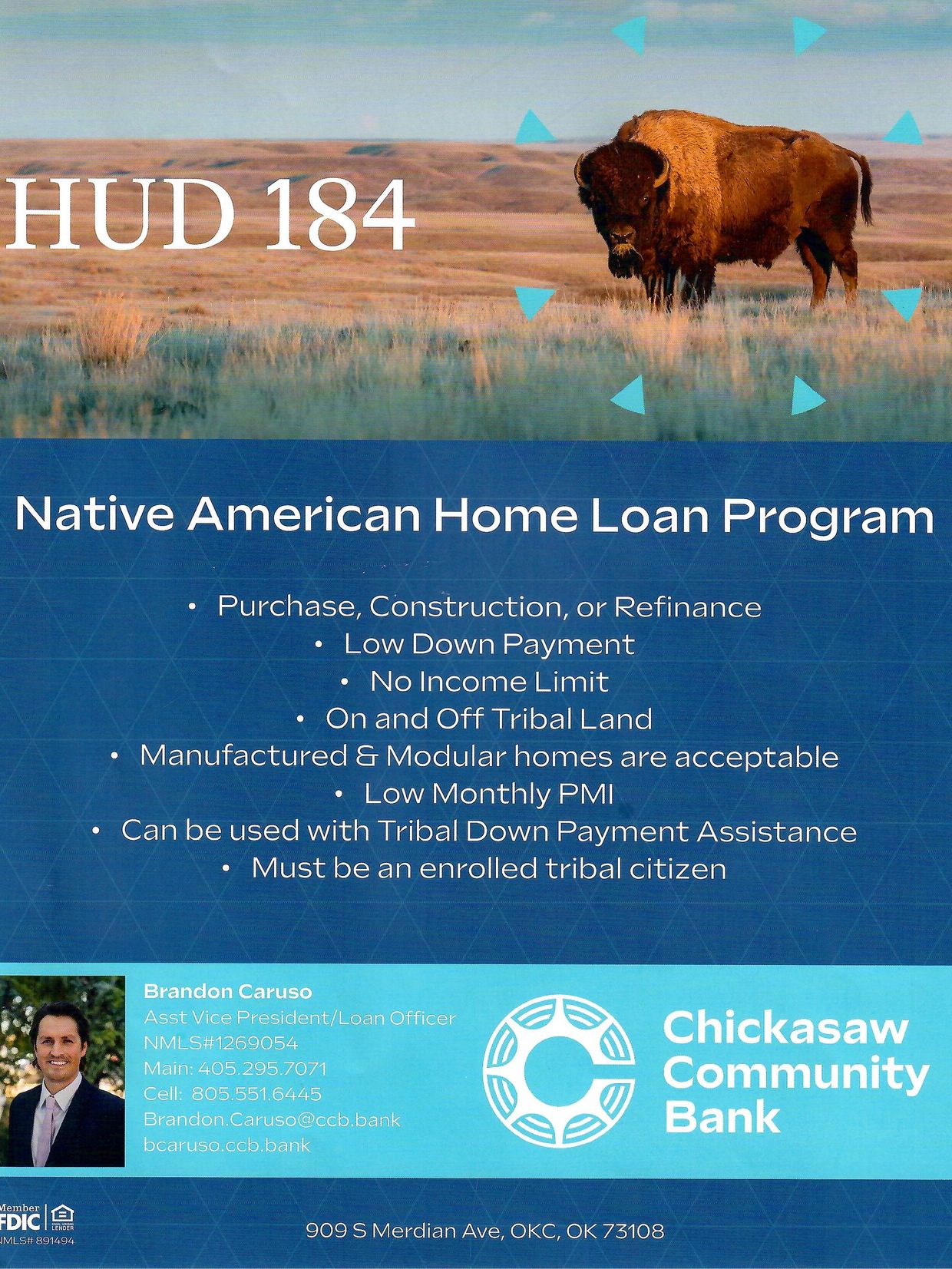
- HUD Section 184 Indian Home Loan Guarantee Program: This is perhaps the most prominent and widely utilized program. It’s a mortgage loan guarantee program for Native American and Alaska Native families, federally recognized tribes, and tribally designated housing entities. It allows approved lenders to make mortgages to eligible borrowers by guaranteeing 100% of the loan against loss. This guarantee encourages lenders to operate in Native communities where they might otherwise be hesitant.
- VA Native American Direct Loan (NADL) Program: Exclusively for Native American veterans, the NADL program offers direct home loans from the Department of Veterans Affairs. It helps eligible Native American veterans finance the purchase, construction, or improvement of homes on Federal Trust Land or to refinance an existing NADL to reduce the interest rate.
- Tribal Housing Programs & Community Development Financial Institutions (CDFIs): Many individual tribes operate their own housing authorities, offering various forms of assistance, from down payment grants to direct loans. Additionally, Native CDFIs are financial institutions that provide credit and financial services to underserved markets and populations, including Native communities. They are often more flexible and culturally attuned than mainstream banks.
In-Depth Analysis: Suitability for Individuals with Housing Instability
For individuals with a history of housing instability, the path to homeownership requires programs that are forgiving, supportive, and understanding of past challenges. Let’s examine how these Native American loan programs measure up.
Advantages (Pros)
-
Flexible Credit Requirements:
- HUD Section 184: Unlike conventional loans that demand pristine credit scores, Section 184 lenders often employ manual underwriting. This means they look beyond just a FICO score and consider alternative credit data (e.g., utility payments, rent history, tribal loan payments) and the borrower’s overall financial narrative. For someone with past evictions or a poor credit score due to previous instability, this holistic review is a game-changer. They can demonstrate current stability and responsibility even if their past reflects hardship.
- VA NADL: While the VA sets minimum credit standards, they are generally more lenient than conventional loans. The direct nature of the loan also means the VA can be more understanding of a veteran’s specific circumstances, including periods of instability related to service or transition.
- Tribal/CDFI Programs: These are often the most flexible. Being community-focused, they understand local economic realities and are often willing to work extensively with borrowers to build credit and prepare for homeownership, even offering loans with no or very low credit score requirements if other stability indicators are present.
-
Lower Down Payments and Closing Costs:
- HUD Section 184: Requires a minimal down payment (typically 2.25% for loans over $50,000 and 1.25% for loans $50,000 or less). This significantly reduces the upfront financial barrier, which is often a major hurdle for those rebuilding their finances after instability.
- VA NADL: Offers 100% financing, meaning no down payment is required. This is an immense advantage for veterans who may not have substantial savings.
- Tribal/CDFI Programs: Many offer down payment assistance, grants, or very low down payment requirements, recognizing that savings accumulation can be difficult after periods of instability.
-
Mandatory Counseling and Financial Education:
- HUD Section 184: Often requires pre-purchase counseling through a HUD-approved housing counseling agency. This is invaluable for individuals who may lack financial literacy due to past instability. Counselors help them understand budgeting, credit repair, the homebuying process, and the responsibilities of homeownership, setting them up for long-term success.
- Tribal/CDFI Programs: Frequently integrate financial literacy and homeownership education as core components of their services, understanding that education is key to preventing future housing instability.
-
Cultural Competency and Community Support:
- These programs are designed by or for Native communities. Lenders and counselors involved often have a deep understanding of tribal culture, governance, and the unique challenges faced by Indigenous families. This can make the process less intimidating and more supportive for borrowers who may feel marginalized by mainstream financial institutions. For someone who has experienced systemic barriers, a culturally competent approach fosters trust and engagement.
-
Addressing Trust Land Barriers:
- HUD Section 184 & VA NADL: These programs are specifically designed to overcome the complexities of lending on trust land. They have established legal frameworks that allow for the creation of leasehold mortgages, making homeownership possible in areas where conventional loans cannot operate. This is critical for maintaining cultural ties and living within ancestral territories.
-
Potential for Lower Interest Rates:
- While not always guaranteed, government-backed programs can sometimes offer more competitive interest rates than conventional loans, particularly for borrowers with less-than-perfect credit.
Disadvantages (Cons)
-
Geographic Limitations:
- HUD Section 184 & VA NADL: These loans are primarily for homes located on or near Native American trust lands, or in eligible tribal areas. While this is their core purpose, it means individuals living far from these designated areas may not be able to utilize them. For someone who had to relocate due to past instability, moving back to an eligible area might be a challenge or not feasible.
- Tribal Programs: Limited to members of that specific tribe and often to homes within their jurisdictional areas.
-
Limited Lender Participation:
- While growing, the number of lenders approved to offer Section 184 loans is still smaller than those offering conventional or FHA loans. This can limit options, competition, and potentially lead to longer processing times.
- VA NADL is a direct loan, simplifying the lender search but still requiring navigation of the VA system.
-
Appraisal Challenges on Trust Land:
- Even with specialized programs, appraising homes on trust land can be complex. The unique land tenure and often remote locations can make it difficult to find comparable sales, potentially leading to lower appraisals or delays. This can be frustrating for borrowers eager to move forward.
-
Bureaucracy and Processing Times:
- Government-backed programs, by their nature, can involve more paperwork and potentially longer processing times than conventional loans. For individuals who may have urgent housing needs or limited patience due to past negative experiences with systems, this can be a drawback.
-
Income and Debt-to-Income (DTI) Ratios Still Apply:
- While credit requirements are flexible, borrowers still need to demonstrate a stable income sufficient to afford the mortgage payments and maintain a reasonable debt-to-income ratio. Programs are designed to prevent future instability, so affordability is paramount. Individuals recovering from severe financial hardship may still need time to build consistent income.
-
Not a "Magic Bullet":
- These programs offer incredible opportunities, but they still require diligence, commitment, and a willingness to engage in financial planning. They don’t erase past financial issues overnight but provide a framework to overcome them. For someone who has struggled with long-term instability, the sustained effort required can still be a significant challenge.
Recommendation
For Native Americans with a history of housing instability, the specialized home loan programs, particularly HUD Section 184 and tribally-specific initiatives/CDFIs, are unequivocally recommended as the primary pathways to homeownership. The VA Native American Direct Loan is an outstanding option for eligible veterans.
These programs are not just "good" options; they are often the only viable options for many, specifically because they address the systemic barriers and individual financial challenges that have contributed to housing instability.
Who are they best for?
- Individuals who have demonstrated recent stability (e.g., consistent employment for 1-2 years, stable rental payments) despite a past history of housing challenges.
- Those willing to engage in financial counseling and education to strengthen their financial literacy and budgeting skills.
- Borrowers who are committed to living on or near tribal lands and want to reconnect with their communities.
- Veterans seeking to establish a home on trust land.
However, the recommendation comes with a crucial caveat: These programs are not a passive solution. Success hinges on the borrower’s active participation, education, and commitment to long-term financial health.
Steps for Success:
- Seek Counseling Early: Connect with a HUD-approved housing counseling agency or a Native CDFI as early as possible. They can help assess your readiness, repair credit, and guide you through the entire process.
- Understand Your Finances: Get a clear picture of your income, expenses, and any outstanding debts. Create a budget and stick to it.
- Build (or Rebuild) Credit: Even with flexible requirements, showing consistent positive payment history (even with alternative data) will strengthen your application.
- Explore All Options: Research HUD Section 184 lenders in your area, inquire about the VA NADL if you’re a veteran, and most importantly, contact your tribal housing authority and local Native CDFIs. They often have unique programs and deeper community ties.
- Be Patient and Persistent: The process can take time, but the reward of homeownership and stability is well worth the effort.
Conclusion
The journey from housing instability to homeownership is transformative. For Native Americans, specialized home loan programs offer a critical bridge, designed to understand and overcome historical and systemic disadvantages. While they come with their own set of complexities, their flexible underwriting, lower upfront costs, emphasis on education, and cultural sensitivity make them invaluable tools.
These loans represent more than just a financial transaction; they are an affirmation of sovereignty, a means of rebuilding lives, and a path towards a more stable and prosperous future for individuals and their communities. For those who have faced the trauma of housing insecurity, these programs offer not just a house, but a home, a foundation, and a renewed sense of belonging. The investment of time and effort in navigating these programs is an investment in a stable future, a future that is finally within reach.


