Empowering Sustainable Homes: A Review of Native American Home Loans for Energy Efficiency Upgrades
In an era defined by fluctuating energy costs and a growing imperative for environmental stewardship, the dream of a comfortable, energy-efficient home resonates more strongly than ever. For Native American individuals and families, this aspiration often intersects with unique historical, economic, and geographical considerations. While the concept of homeownership itself carries significant weight, the added layer of energy efficiency upgrades promises not only financial savings but also enhanced living comfort, improved health outcomes, and a deeper connection to sustainable practices.
This comprehensive review delves into the landscape of Native American home loans specifically tailored for individuals seeking to make energy efficiency upgrades. We will explore the primary avenues available, weigh their advantages and disadvantages, and offer practical recommendations for navigating this crucial journey towards a more sustainable and empowered future.
The Unique Landscape: Why Native American Home Loans for Energy Efficiency?
The need for specialized loan products within Native American communities stems from a confluence of factors:

- Land Tenure Complexity: A significant portion of Native American land is held in trust by the federal government or is restricted-fee land, which can complicate traditional mortgage lending processes. Lenders often hesitate due to unfamiliarity with these land structures, making conventional loans difficult to secure.
- Rural and Remote Locations: Many tribal communities are situated in rural or remote areas, often lacking robust infrastructure, which can lead to higher construction costs and limited access to traditional financial services.
- Older Housing Stock: A considerable number of homes in Native American communities are older, less insulated, and therefore less energy-efficient. This leads to higher utility bills, a phenomenon often termed "energy poverty," where a disproportionate amount of income is spent on heating and cooling.
- Economic Disparities: Historical and ongoing economic disparities mean that many Native American families may not meet the stringent credit or income requirements of conventional lenders, or may lack the upfront capital for significant home improvements.
- Cultural and Environmental Values: Indigenous cultures often place a high value on living in harmony with the environment. Energy efficiency aligns perfectly with these values, promoting self-sufficiency and responsible resource management.
Addressing these challenges requires financial instruments designed with these specific contexts in mind. Loans focused on energy efficiency become not just a financial tool, but a mechanism for self-determination, health improvement, and environmental responsibility within these communities.
Key Loan Programs and Pathways
Several programs exist, both federal and tribal, that cater to Native American homeowners and aspiring homeowners, with provisions that can be utilized for energy efficiency upgrades.
1. HUD Section 184 Indian Home Loan Guarantee Program
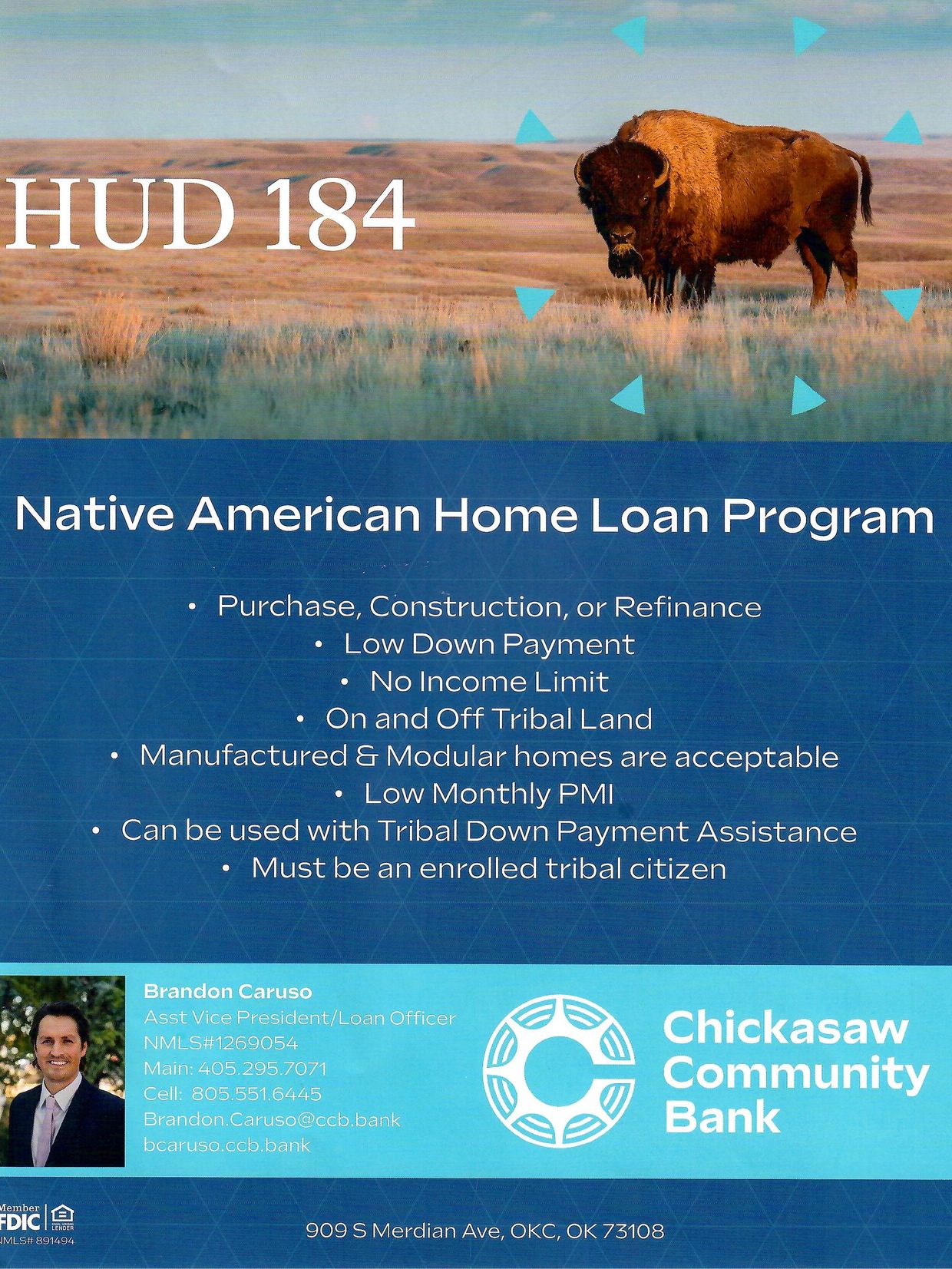
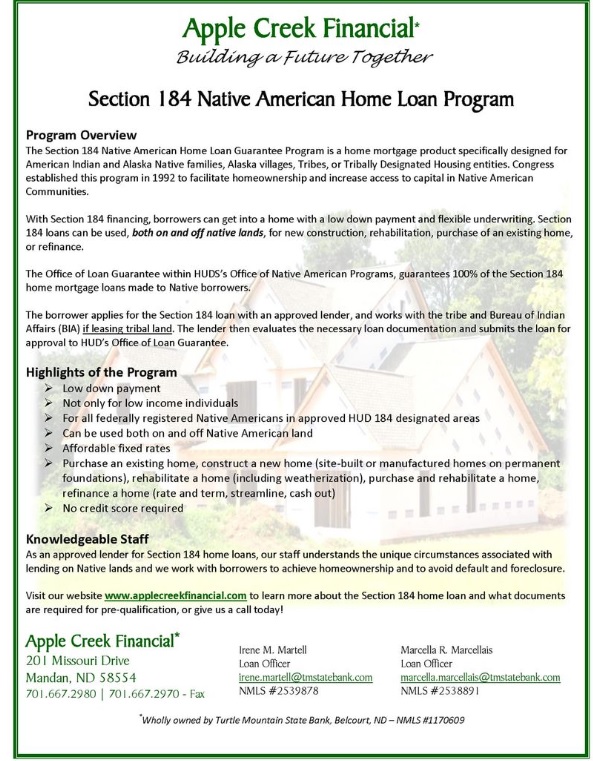
This is arguably the most significant and widely utilized program. The Section 184 program is a home mortgage product specifically designed for Native Americans and Alaska Natives. It is guaranteed by the U.S. Department of Housing and Urban Development (HUD), making it less risky for lenders and more accessible for borrowers.
How it Applies to Energy Efficiency:
The Section 184 loan can be used in several ways to fund energy efficiency upgrades:
- Purchase with Upgrades: When purchasing a new home, the loan can cover the cost of the home itself, plus any pre-planned energy-efficient installations (e.g., solar panels, high-efficiency HVAC systems) as part of the overall mortgage.
- Rehabilitation/Construction: For individuals building a new home or undertaking substantial rehabilitation, the loan can finance the inclusion of energy-efficient materials and technologies from the outset.
- Refinance for Improvements: Homeowners with existing mortgages (Section 184 or conventional) can refinance their loan to include funds for energy efficiency upgrades, such as new windows, insulation, weatherization, or renewable energy systems. This is often done through a "cash-out" refinance or a "streamline" refinance if it results in energy savings.
2. USDA Rural Development Programs
The U.S. Department of Agriculture (USDA) offers various programs aimed at rural communities, many of which encompass tribal lands.
- Section 502 Direct and Guaranteed Home Loans: These programs assist low- and very-low-income applicants obtain safe, sanitary, and modest housing in eligible rural areas. While primarily for purchase, these loans can include funds for necessary repairs and improvements that enhance energy efficiency.
- Section 504 Home Repair Program (Loans and Grants): This program provides loans to very-low-income homeowners to repair, improve, or modernize their homes, or grants to elderly very-low-income homeowners to remove health and safety hazards. Energy efficiency upgrades like new roofs, windows, insulation, and heating systems fall directly within the scope of this program. The grant component is particularly valuable for those with very limited income.
3. Tribal Housing Authorities and Native Community Development Financial Institutions (CDFIs)
Many Native American tribes operate their own housing authorities, often funded through federal block grants like the Native American Housing Assistance and Self-Determination Act (NAHASDA). These tribal entities are crucial resources:
- Direct Lending Programs: Some tribal housing authorities offer low-interest loans or even grants for home repairs, rehabilitation, and energy efficiency upgrades to their members.
- Partnerships: They frequently partner with federal programs (like HUD 184 lenders) or local financial institutions to facilitate access to financing.
- Native CDFIs: These are specialized financial institutions that provide capital and financial services to Native communities. They often offer flexible loan products, including those for home improvements and energy efficiency, designed to meet the unique needs of tribal members and businesses.
4. Weatherization Assistance Program (WAP) and Low-Income Home Energy Assistance Program (LIHEAP)
While not direct home loans, WAP and LIHEAP are critical grant-based programs that complement loan efforts for energy efficiency.
- WAP: Administered by the Department of Energy, WAP provides grants to states, territories, and tribal governments to improve the energy efficiency of homes belonging to low-income families. This includes measures like insulation, air sealing, heating system repairs, and more, which directly reduce energy bills.
- LIHEAP: This program assists low-income households with their energy bills. While primarily for bill assistance, some states and tribes may use a portion of LIHEAP funds for weatherization or energy crisis intervention, which can involve minor energy efficiency improvements.
Pros of Native American Home Loans for Energy Efficiency
- Tailored Solutions for Unique Land Tenure: Programs like HUD Section 184 are specifically designed to navigate the complexities of trust and restricted-fee land, making homeownership and improvement possible where conventional loans might fail.
- Increased Accessibility: These programs often feature lower down payment requirements, more flexible credit guidelines, and competitive interest rates, opening doors for a broader range of applicants.
- Significant Cost Savings: Energy efficiency upgrades directly translate to lower utility bills. Over time, these savings can be substantial, freeing up household income for other necessities and improving overall financial stability.
- Enhanced Home Value and Comfort: An energy-efficient home is more comfortable (consistent temperatures, better air quality) and typically commands a higher resale value, representing a solid investment.
- Environmental Stewardship: Investing in energy efficiency reduces carbon footprint, aligns with traditional Indigenous values of environmental care, and contributes to broader climate goals.
- Improved Health and Safety: Upgrades can address issues like poor ventilation, mold, and extreme temperatures, leading to a healthier indoor environment for residents.
- Community Empowerment: Increased homeownership and improved housing stock contribute to stronger, more resilient tribal communities.
- Stackable Benefits: These loans can often be combined with grants (like WAP or tribal-specific assistance) to maximize the scope of energy efficiency improvements and reduce out-of-pocket expenses.
Cons and Challenges
- Complexity of Application: While tailored, the application processes can still be intricate, requiring extensive documentation, especially concerning land status.
- Limited Awareness and Access: Despite their benefits, many individuals in remote tribal areas may not be fully aware of these programs or have easy access to lenders and resources that offer them.
- Appraisal Challenges: Valuing homes on trust or restricted land can be difficult for appraisers unfamiliar with these unique circumstances, potentially delaying or complicating the loan process.
- Income and Credit Requirements Still Apply: While flexible, borrowers must still meet certain income and credit criteria. Those with very low income or poor credit may still face hurdles, though USDA 504 grants offer some relief.
- Finding Qualified Contractors: In remote areas, finding reliable, qualified contractors for energy efficiency upgrades can be challenging and expensive, potentially impacting the quality and cost-effectiveness of improvements.
- Processing Times: Government-backed or tribal programs can sometimes have longer processing times compared to conventional loans due to additional layers of review.
- Limited Loan Amounts for Upgrades: While loans can cover upgrades, there might be limits to the amount allocated for improvements, especially for smaller repair-focused programs.
- Varying Tribal Requirements: Each tribe may have its own specific requirements or processes for land leases and approvals, adding another layer of complexity.
Recommendation and Conclusion
For Native American individuals and families seeking to invest in energy efficiency upgrades for their homes, the specialized loan programs and pathways available represent a powerful and often essential resource. The HUD Section 184 Indian Home Loan Guarantee Program stands out as the most comprehensive and flexible option, particularly for significant renovations or purchases with integrated efficiency features. However, USDA Rural Development programs (especially Section 504 for repairs and grants) and local Tribal Housing Authorities/CDFIs are equally vital, offering targeted assistance and community-specific support.
Recommendation for Purchase/Application:
- Start Local – Contact Your Tribal Housing Authority: This is the single most important first step. Your tribal housing authority or tribal government will be the best source of information on specific programs, local requirements, and potential direct assistance available to tribal members. They can also connect you with approved lenders for federal programs.
- Explore HUD Section 184: Research approved Section 184 lenders in your area. Understand the eligibility criteria and how the loan can be structured to include your desired energy efficiency upgrades. Be prepared to gather documentation related to your land status.
- Investigate USDA Rural Development: If you live in a rural area, look into USDA Rural Development’s Section 502 and 504 programs. The Section 504 grant/loan combination is particularly potent for energy-focused repairs for very-low-income homeowners.
- Seek Out Grants and Complementary Programs: Do not overlook the Weatherization Assistance Program (WAP) and LIHEAP. These grants can significantly offset the cost of upgrades, making your loan more manageable and allowing for a greater scope of work. Inquire about these at your tribal housing office, state energy office, or local community action agencies.
- Consult a Financial Advisor (Knowledgeable in Native Affairs): A financial advisor familiar with the unique aspects of Native American land tenure and federal programs can be invaluable in navigating the options and creating a robust financial plan.
- Prioritize and Plan: Before applying, get energy audits to identify the most impactful upgrades. Obtain multiple quotes from qualified contractors to ensure cost-effectiveness and quality.
Ultimately, investing in energy efficiency through these specialized loan programs is more than just a financial transaction; it’s an investment in the health, comfort, and long-term sustainability of Native American homes and communities. While challenges exist, the tailored nature of these programs, combined with a proactive and informed approach, offers a clear path towards achieving energy independence and building a more resilient future.


