Unlocking Homeownership: A Comprehensive Review of Native American Home Loan Programs for Affordable Housing
The dream of homeownership remains a cornerstone of the American ideal, yet for many, especially those navigating the complexities of unique land ownership and historical economic disadvantages, it can feel out of reach. In the search for affordable housing solutions, a specialized category of financial products – Native American home loan programs – stands out as a vital resource. These programs are designed not just to facilitate homeownership but also to address the specific needs and challenges faced by Native American and Alaska Native communities.
This comprehensive review will delve into the landscape of Native American home loan programs, examining their structure, benefits, drawbacks, and ultimately, providing a recommendation for individuals seeking affordable and culturally sensitive housing solutions.
The Unique Landscape of Native American Homeownership
Before diving into the loan products themselves, it’s crucial to understand the context. Native American communities often live on tribal lands, which can include fee simple land, restricted fee land, or trust land. Trust land, held in trust by the U.S. government for the benefit of individual Native Americans or tribes, presents unique legal and financial considerations that traditional mortgage lenders are often unwilling or unable to navigate. This historical and legal framework necessitated the creation of specialized loan programs.
These programs aim to:
- Overcome traditional lending barriers: Address the reluctance of conventional lenders to finance homes on trust land.
- Promote economic development: Foster wealth creation and stability within Native American communities.
- Support self-determination: Empower tribal members to achieve their housing goals on their ancestral lands.
- Provide affordable options: Offer competitive interest rates, lower down payments, and flexible underwriting.
The primary "product" in this category is the HUD Section 184 Indian Home Loan Guarantee Program, but it’s important to also consider Tribal Housing Programs and the potential overlap with USDA Rural Development loans.
Product Deep Dive: Key Native American Home Loan Programs

1. HUD Section 184 Indian Home Loan Guarantee Program (The Flagship Product)
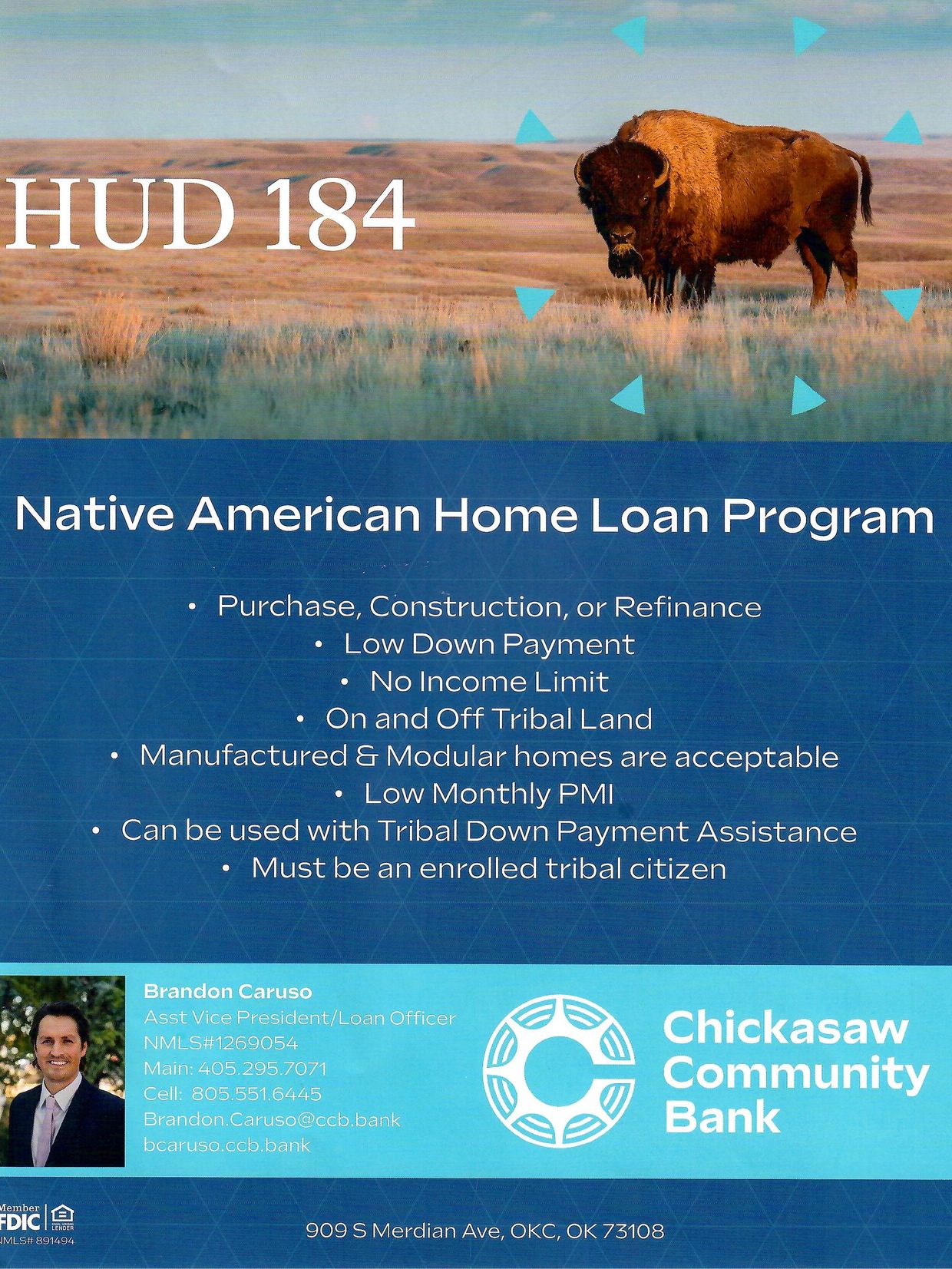
Overview: The Section 184 program is arguably the most impactful and widely recognized Native American home loan program. It is a loan guarantee program, meaning HUD does not directly lend money. Instead, it insures loans made by approved private lenders to eligible Native American and Alaska Native borrowers. This guarantee significantly reduces the risk for lenders, encouraging them to participate in a market they might otherwise avoid.
Eligibility:
- Must be an enrolled member of a federally recognized tribe or an Alaska Native.
- The property must be located in an eligible area, which includes all tribal trust lands, tribal restricted lands, and many individual fee simple lands in Native American areas, as well as designated "Indian Areas" as defined by HUD.
Loan Uses:
- Purchase an existing home.
- Construct a new home (including modular and manufactured homes).
- Rehabilitate an existing home.
- Refinance an existing mortgage (including FHA, VA, USDA, or conventional loans).
- Purchase and rehabilitate a home.
Key Features:
- Low Down Payment: As low as 2.25% for loans over $50,000 and 1.25% for loans under $50,000.
- Flexible Underwriting: While standard credit checks apply, Section 184 lenders are often more understanding of non-traditional credit histories common in rural or tribal areas.
- No Mortgage Insurance Premium (MIP) for Life: Unlike FHA loans, Section 184 has a one-time, upfront guarantee fee (currently 1.5%) but no ongoing monthly mortgage insurance, leading to significant long-term savings.
- Competitive Interest Rates: Often comparable to FHA or conventional rates, sometimes even lower due to the government guarantee.
- Ability to Finance on Trust Land: This is a critical differentiator. The program has established procedures for navigating the unique legal requirements of tribal and trust lands, including leasehold agreements.
2. Tribal Housing Programs (Community-Specific Products)
Overview: Many federally recognized tribes have their own housing departments or tribal housing authorities that offer a variety of programs. These can range from direct lending, down payment assistance, rental assistance, home repair grants, or lease-to-own options. These programs are highly localized and vary significantly from tribe to tribe.
Eligibility: Typically restricted to enrolled members of that specific tribe.
Key Features:
- Tailored to Local Needs: Designed to address the unique housing challenges and cultural preferences of a specific tribal community.
- Potentially More Flexible: Tribal programs might have even more lenient credit requirements or offer interest-free loans or grants.
- Integrated Support: Often come with comprehensive housing counseling and community support services.
3. USDA Rural Development Loans (Overlap Product)
Overview: While not exclusively "Native American home loans," USDA Rural Development programs (particularly the Single Family Housing Guaranteed Loan Program – Section 502) can be highly relevant. Many tribal lands and surrounding areas are classified as rural by USDA, making tribal members eligible if they meet income and property requirements.
Eligibility:
- Property must be in a USDA-eligible rural area.
- Income limits apply (typically up to 115% of the median income for the area).
- Credit history requirements.
Key Features:
- 0% Down Payment: A major advantage for eligible borrowers.
- Competitive Interest Rates: Generally favorable.
- No Mortgage Insurance, but an Annual Fee: Instead of mortgage insurance, there’s an upfront guarantee fee and an annual fee, which are lower than FHA’s.
The "Product Review": Pros and Cons
Let’s evaluate these programs as comprehensive solutions for affordable housing.
Advantages (Pros)
- Accessibility for Unique Land Status: This is the paramount advantage. Section 184 specifically addresses the complexities of financing homes on trust and restricted lands, making homeownership possible in areas where traditional lenders would not operate. This opens up opportunities for tribal members to live on their ancestral lands.
- Lower Financial Barriers:
- Low Down Payments: Section 184’s 1.25% or 2.25% down payment and USDA’s 0% down payment significantly reduce the initial financial hurdle.
- No Monthly Mortgage Insurance (Section 184): The absence of recurring monthly mortgage insurance premiums on Section 184 loans translates into substantial long-term savings compared to FHA loans.
- Flexible Underwriting & Credit Considerations: Lenders approved for Section 184 often have a deeper understanding of the economic realities in Native American communities, leading to more flexible underwriting that may consider non-traditional credit references or overcome minor credit challenges.
- Competitive Interest Rates: Thanks to the government guarantee (HUD 184, USDA), these loans often offer interest rates comparable to or even better than conventional mortgages, contributing to overall affordability.
- Comprehensive Loan Uses: The programs support various housing needs, from purchasing existing homes and building new ones to refinancing and rehabilitation, offering flexibility to borrowers.
- Financial Education and Support: Many Section 184 lenders and tribal housing programs offer or require homebuyer education and counseling, empowering borrowers with the knowledge needed for successful homeownership.
- Community and Cultural Preservation: By facilitating homeownership on tribal lands, these programs help strengthen communities, preserve cultural ties, and build generational wealth within Native American families.
- Portability: Section 184 loans can be used in eligible "Indian Areas" across the country, not just on a specific reservation, offering flexibility for eligible borrowers.
Disadvantages (Cons)
- Eligibility Restrictions: The most significant drawback is that eligibility for Section 184 and most tribal programs is strictly limited to enrolled members of federally recognized tribes. This excludes a vast majority of individuals seeking affordable housing.
- Land Status Complexities (Despite Being a Feature): While Section 184 enables financing on trust land, the process itself can be complex and time-consuming. It involves coordination with tribal governments, the Bureau of Indian Affairs (BIA), and sometimes lengthy leasehold agreement approvals, which can delay closings.
- Limited Lender Pool: Not all mortgage lenders are approved for Section 184 loans, and fewer still possess the specialized knowledge required to navigate tribal land intricacies. This can limit choices for borrowers and make finding an experienced lender challenging.
- Geographic Limitations: While "Indian Areas" are broad, the programs are still geographically focused. USDA loans also have rural area requirements. This means they are not universal solutions for affordable housing in all locations.
- Bureaucracy and Processing Time: Due to the multiple layers of approval and specialized documentation required, especially on trust lands, the processing time for these loans can sometimes be longer than conventional mortgages.
- Property Appraisal Challenges: Appraising properties on tribal lands can be difficult due to a lack of comparable sales data, which can impact loan amounts and the overall feasibility of the loan.
- Infrastructure Gaps: Some tribal lands or remote rural areas may lack essential infrastructure (roads, utilities, water, sewer), which can increase construction costs or make certain properties ineligible for financing.
- Awareness and Education: Despite their benefits, many potential borrowers and even some lenders are not fully aware of these programs or how they work, hindering their utilization.
Who Are These Programs For? (Target Audience)
These Native American home loan programs are primarily designed for:
- Enrolled members of federally recognized tribes or Alaska Natives who are looking to purchase, build, or refinance a home on tribal lands (trust, restricted, or fee simple) or in designated Indian Areas.
- Tribal members seeking to leverage their tribal affiliation for specialized, culturally sensitive, and financially advantageous housing solutions.
- Individuals in rural areas (including, but not exclusive to, tribal members) who meet income and property requirements for USDA Rural Development loans.
They are not a general solution for the broader population seeking affordable housing, due to the strict eligibility requirements.
Recommendation: A Powerful Niche Solution
For the eligible demographic – enrolled members of federally recognized tribes and Alaska Natives – Native American home loan programs, particularly the HUD Section 184 Indian Home Loan Guarantee Program, are an unequivocal "Buy" recommendation.
Overall Rating: 4.5 out of 5 stars (for eligible individuals)
Recommendation Breakdown:
- For Tribal Members: If you are an enrolled member of a federally recognized tribe or an Alaska Native, these programs are highly recommended. They are specifically tailored to overcome the unique challenges of homeownership in your community, offering unparalleled flexibility for financing on tribal lands, lower financial barriers, and often better terms than conventional options. They represent a significant opportunity to build equity and secure stable housing on your ancestral lands.
- For Non-Tribal Members (in rural areas): While Section 184 is not an option, exploring USDA Rural Development loans is highly recommended if you meet their income and geographic criteria. These can offer 0% down payment and competitive rates in many areas that overlap with or are near tribal lands.
To Maximize Success:
- Seek Specialized Lenders: Do not go to just any mortgage lender. Actively search for lenders with proven experience in Section 184 loans and a deep understanding of tribal land issues.
- Engage with Tribal Housing Authorities: If applicable, contact your tribe’s housing department or housing authority. They can provide invaluable local insights, potential down payment assistance, and guidance.
- Utilize Homebuyer Education: Take advantage of any available homebuyer education or counseling. Understanding the process, your responsibilities, and the unique aspects of these loans will be crucial.
- Be Patient with Land Status: If purchasing on trust or restricted land, understand that the process may take longer due to required tribal and BIA approvals.
- Verify Eligibility: Confirm your tribal enrollment and the property’s eligibility early in the process.
Conclusion
Native American home loan programs are far more than just financial products; they are critical tools for economic empowerment, cultural preservation, and community development within Native American and Alaska Native communities. The HUD Section 184 program, in particular, stands as a beacon for tribal members seeking to achieve homeownership on their lands, offering a robust solution to historical barriers.
While their eligibility is specialized, for those who qualify, these programs represent one of the most affordable, flexible, and culturally sensitive pathways to homeownership available today. By addressing the unique challenges of land ownership and providing a supportive lending environment, they are successfully transforming the dream of owning a home into a tangible reality for thousands, fostering stability and prosperity for generations to come. For eligible individuals searching for affordable housing, exploring these dedicated programs is not just an option, but a strategic imperative.


