A Critical Review: Native American Emergency Housing Repair Assistance Programs
The concept of "home" transcends mere shelter; it is a sanctuary, a repository of memories, a foundation for health, and often, a cornerstone of cultural identity. For many Native American communities, however, the security and stability of home are frequently undermined by systemic underinvestment, historical injustices, and the harsh realities of inadequate infrastructure. This article serves as a comprehensive "product review" of Native American emergency housing repair assistance programs – not as a tangible item, but as a vital service and systemic effort designed to address critical housing needs on tribal lands. We will examine its features, performance, and user experience, weighing its undeniable advantages against its significant limitations, before offering a "recommendation" on its future.
Understanding the "Product": What is Native American Emergency Housing Repair Assistance?
At its core, Native American emergency housing repair assistance refers to a collection of programs and initiatives aimed at providing immediate and essential repairs to homes owned or occupied by Native American individuals and families, primarily on tribal lands or in designated Native areas. These repairs are typically for conditions that pose an immediate threat to the health, safety, or structural integrity of the dwelling. This "product" is not a single, monolithic entity but a network of federal, tribal, and sometimes non-profit programs working in concert, or sometimes in isolation, to address urgent housing crises.
The primary federal vehicle for such assistance is the Native American Housing Assistance and Self-Determination Act (NAHASDA) of 1996. NAHASDA replaced several disparate federal housing programs for Native Americans with a single block grant program, empowering tribes to design and implement their own housing strategies tailored to their specific needs. While not exclusively for emergency repairs, a significant portion of NAHASDA funds are often allocated by Tribal Housing Authorities (THAs) or Tribally Designated Housing Entities (TDHEs) to address these urgent situations. Other sources include the Indian Community Development Block Grant (ICDBG) program, administered by HUD, which can fund housing rehabilitation, and various tribal-specific funds or partnerships with non-profits.

Key Features of the "Product":
- Immediate Threat Mitigation: Focuses on repairs that prevent injury, illness, or further damage. This includes fixing leaking roofs, unsafe electrical systems, burst pipes, non-functional heating/cooling, and structural instability.
- Health and Safety Improvement: Directly addresses conditions like mold, lead paint, lack of potable water, or inadequate sanitation that severely impact residents’ well-being.
- Preservation of Existing Housing Stock: Rather than building new homes (which is also needed), this assistance aims to save and extend the life of existing, often culturally significant, homes.
- Tribal Self-Determination: Through NAHASDA, tribes have significant control over how funds are allocated and programs are structured, allowing for culturally appropriate and locally relevant solutions.
- Targeted Demographics: Primarily serves low-income Native American individuals and families, often elders, disabled individuals, or those with young children, who lack the financial means to undertake repairs themselves.
The "User Experience": Performance, Pros, and Cons
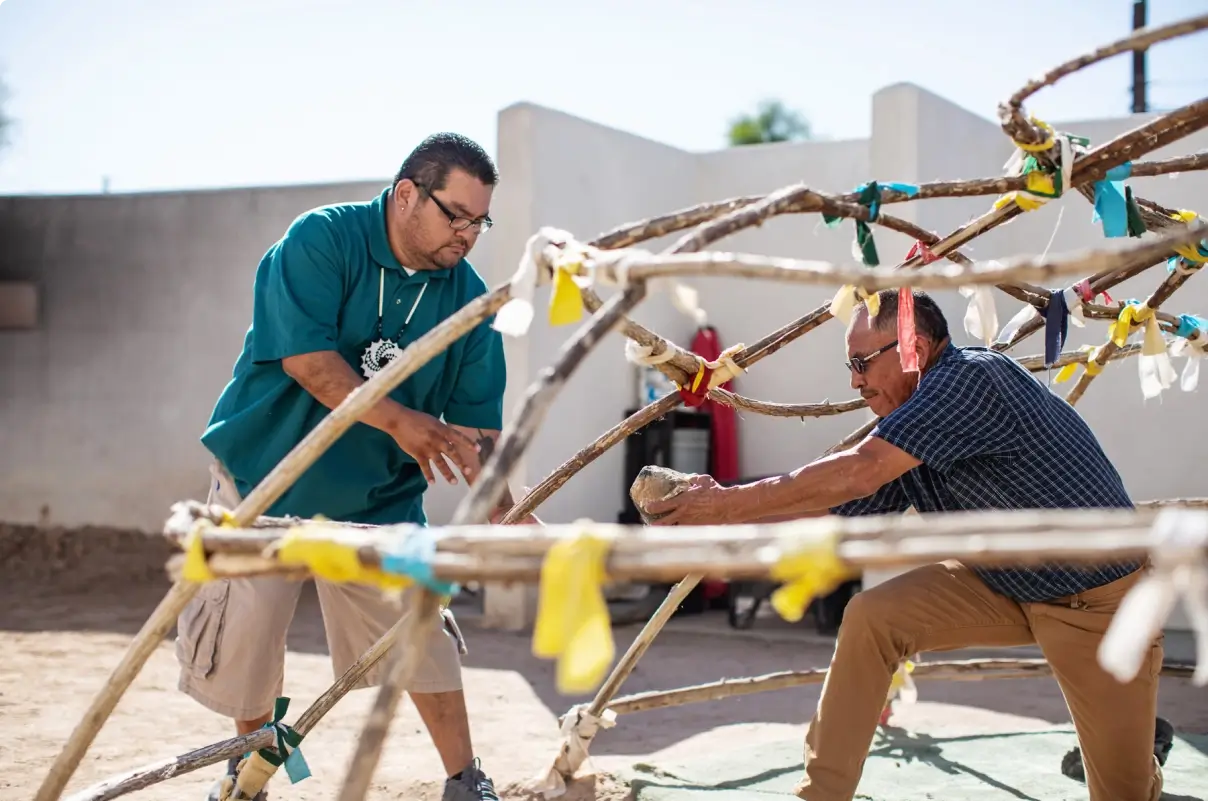
Evaluating Native American emergency housing repair assistance requires looking at its intended impact versus its real-world implementation. The "user experience" here is profoundly human, touching upon dignity, health, and survival.
Advantages (The "Pros"):
- Addresses Critical and Immediate Needs: This is arguably the most significant strength. When a roof collapses, a furnace breaks in winter, or plumbing fails, these programs offer a lifeline. They prevent homelessness, exposure, and severe health consequences, literally saving lives in some extreme cases.
- Improves Health and Safety Outcomes: By rectifying hazards like faulty wiring, contaminated water, or structural instability, these programs directly contribute to better health for residents. Reduced exposure to mold, improved sanitation, and safer living environments lead to fewer respiratory illnesses, fewer accidents, and overall better public health metrics.
- Supports Cultural Continuity and Family Stability: Homes on tribal lands are often multi-generational, serving as vital links to family history, cultural practices, and community identity. Emergency repairs help preserve these homes, allowing families to remain rooted in their traditional territories and maintain intergenerational living arrangements, which are crucial for cultural transmission.
- Empowers Tribal Sovereignty and Local Control: NAHASDA’s block grant structure is a progressive model that empowers tribal governments. It allows them to prioritize repairs based on local needs, cultural considerations, and community input, rather than being dictated by a one-size-fits-all federal mandate. This fosters self-determination and builds tribal capacity.
- Cost-Effective in the Long Run: While repair costs can be substantial, they are often less expensive than constructing new homes or managing the long-term health crises that result from unsafe living conditions. Preventative or emergency repairs can avert more catastrophic and costly damage down the line.
- Provides Dignity and Hope: Beyond the physical repairs, receiving assistance can restore a sense of dignity, security, and hope for families who have been living in unsafe or unhealthy conditions. It signals that their well-being matters and that they are not forgotten.
- Economic Ripple Effect: Funds spent on repairs often employ local tribal members, contractors, and businesses, circulating money within the reservation economy and fostering local skill development.
Disadvantages (The "Cons"):
- Chronic Underfunding and High Demand: This is the most pervasive and debilitating issue. The demand for emergency housing repairs on tribal lands far outstrips the available funding. Many THAs have extensive waiting lists, and funds are often exhausted quickly, leaving countless families in dire situations without immediate recourse. The scale of housing need on reservations is immense, a direct legacy of historical neglect and broken treaties.
- Bureaucratic Hurdles and Administrative Burden: Despite NAHASDA’s intent to streamline, applying for and administering these funds can still involve significant paperwork, compliance requirements, and reporting to HUD. Smaller tribes or those with limited administrative capacity may struggle to navigate these complexities, delaying or hindering access to funds.
- Geographic Isolation and Logistics: Many tribal communities are in remote, rural areas, making it challenging and expensive to transport materials, find qualified contractors, and supervise repair work. The "last mile" problem significantly inflates costs and extends timelines for projects.
- Shortage of Skilled Labor and Contractors: A lack of trained tradespeople (plumbers, electricians, carpenters) on or near reservations can be a major impediment. This forces tribes to bring in outside contractors, often at higher rates, or to delay repairs until local capacity can be developed.
- Land Tenure Complexities: Unique land ownership structures on reservations, such as trust land, allotted land, and "heirship" land (where ownership is split among many descendants), can complicate the process of securing permits, obtaining clear title for improvements, or even determining who is legally responsible for a property. This can create legal and administrative nightmares for housing authorities trying to perform repairs.
- Reactive Rather Than Proactive: Due to limited funding, programs are often forced to be reactive, addressing emergencies only after a crisis has developed. There is insufficient funding for proactive maintenance, weatherization, or preventative repairs that could avert future emergencies and extend the life of homes.
- Inconsistent Program Implementation: While tribal control is a strength, it also means that the effectiveness and efficiency of emergency repair programs can vary significantly from one tribe to another, depending on the capacity, resources, and priorities of individual THAs.
- Limited Scope of "Emergency": The strict definition of "emergency" can sometimes exclude crucial repairs that, while not immediately life-threatening, significantly impact quality of life and could become emergencies if left unaddressed (e.g., a severely dilapidated porch, non-functional appliance that impacts hygiene).
The "Value Proposition" and "Purchase Recommendation"
Despite its significant flaws and the profound challenges it faces, Native American emergency housing repair assistance is an absolutely essential "product" that delivers immense, life-saving value. The "value proposition" is not financial, but human: it saves lives, protects health, preserves culture, and upholds the basic human right to safe and dignified shelter. To "purchase" this product means to actively support, strengthen, and expand it.
Our Recommendation:
Strong Buy, with Urgent Calls for Systemic Reform and Increased Investment.
This "product" is indispensable. The need for emergency housing repair assistance in Native American communities is not going away; it is growing. Therefore, our recommendation is not to abandon it, but to fundamentally transform and bolster it.
Here are the key areas for "product improvement":
- Massive Increase in Funding: The single most critical recommendation. NAHASDA and ICDBG funding levels are woefully inadequate given the scale of need. A significant, sustained increase in appropriations is required to move beyond a reactive, crisis-management approach to one that can address the backlog of repairs and invest in preventative measures. This is an issue of environmental justice and social equity.
- Streamlined and Flexible Program Administration: While tribal control is paramount, federal agencies (like HUD) can work with tribes to simplify application processes, reduce reporting burdens, and offer more flexible guidelines, especially for smaller tribes or those with limited administrative staff. Technical assistance should be readily available.
- Capacity Building and Workforce Development: Invest in training programs on reservations to develop a skilled local workforce for construction, plumbing, electrical work, and energy efficiency upgrades. This addresses the labor shortage, creates jobs, and keeps resources within the community.
- Shift Towards Proactive Maintenance and Energy Efficiency: Funding should be allocated not just for emergencies, but also for preventative maintenance, weatherization, and energy efficiency improvements. This reduces future emergencies, lowers utility costs for residents, and contributes to climate resilience.
- Addressing Land Tenure Issues: Collaborate with tribal governments to find culturally appropriate and legally sound solutions to the complexities of land tenure, particularly for heirship lands, to facilitate housing development and repairs. This may require legislative action or innovative tribal-federal partnerships.
- Holistic Approaches: Encourage and fund programs that integrate emergency repairs with broader community development goals, including infrastructure improvements (water, sanitation, electricity), health services, and economic development. Housing is not an isolated issue.
- Long-Term Commitment: Federal policy must reflect a sustained, long-term commitment to addressing the housing crisis in Native American communities, recognizing it as a direct consequence of historical policies and treaty obligations.
Conclusion
Native American emergency housing repair assistance programs represent a critical, life-sustaining service that embodies a commitment, however imperfect, to addressing profound injustices. While the "product" has undeniable strengths in its ability to mitigate immediate dangers, promote health, and preserve culture, it is severely hampered by chronic underfunding, bureaucratic complexities, and the unique challenges of tribal lands.
The "purchase" of this "product" – through increased funding, systemic reform, and a renewed commitment to tribal sovereignty – is not just a matter of policy; it is a moral imperative. Investing in safe, healthy homes for Native American families is an investment in human dignity, cultural resilience, and the future well-being of sovereign nations. It is time for this vital service to be properly resourced and supported, transforming it from a struggling lifeline into a robust foundation for thriving communities.


