A Pathway to Homeownership: Reviewing Native American Housing Programs for Rent-to-Own Options
The dream of homeownership is a cornerstone of the American ideal, representing stability, wealth accumulation, and a tangible stake in one’s community. For Native American communities, however, this dream has often been obstructed by a complex tapestry of historical injustices, economic disparities, and unique land ownership challenges. Traditional mortgage markets frequently fail to serve the specific needs of tribal members living on or near reservations, leaving many without viable pathways to owning a home.
In response to these systemic barriers, various Native American housing programs, often supported by federal initiatives like the Native American Housing Assistance and Self-Determination Act (NAHASDA), have emerged. Among the most promising of these are rent-to-own or lease-purchase options, designed to bridge the gap between renting and full homeownership. This comprehensive review delves into the landscape of these vital programs, examining their structure, advantages, disadvantages, and offering crucial recommendations for individuals considering this path.
Understanding the Unique Landscape of Native American Housing
Before diving into rent-to-own specifics, it’s essential to grasp the distinct housing challenges faced by Native American communities:
- Historical Dispossession and Economic Underdevelopment: Centuries of land theft, forced relocation, and federal policies have created profound economic disparities, leading to high rates of poverty and unemployment on many reservations.
- Limited Access to Capital and Credit: Traditional lenders are often reluctant to finance homes on trust lands due to complex legal frameworks and perceived risks. Many tribal members also have limited access to mainstream credit, making conventional mortgages unattainable.
- Land Tenure Issues: The unique status of trust lands, fractionated ownership, and the absence of clear title documents can complicate property transactions and collateral requirements for loans.
- Infrastructure Deficiencies: Many tribal communities lack adequate infrastructure, including water, sewer, and roads, which are prerequisites for housing development.
- Cultural Relevance: Housing needs extend beyond mere shelter; they often encompass cultural design preferences, community layout, and multi-generational living arrangements that mainstream housing options rarely accommodate.
These factors make standard homebuying models impractical or impossible for many Native Americans, highlighting the critical role of innovative, culturally sensitive programs like rent-to-own.
What are Rent-to-Own Programs in the Native American Context?

Rent-to-own, or lease-purchase, is a hybrid agreement that allows an individual to rent a property with the option, and sometimes the obligation, to purchase it at the end of the lease term. In the Native American context, these programs are typically administered by Tribal Housing Authorities (THAs), tribally designated housing entities (TDHEs), or other non-profit organizations operating within tribal lands or serving Native populations.
The basic structure usually involves:
- Lease Period: An agreed-upon rental period (e.g., 1-5 years) during which the individual pays monthly rent.
- Option Fee/Down Payment Contribution: A portion of the monthly rent, or an initial lump sum, is often set aside and credited towards the future purchase price or as a down payment.
- Purchase Price: A predetermined price for the home, locked in at the beginning of the agreement, or a formula for determining it at the end of the lease.
- Homeownership Education: Many programs integrate financial literacy and homeownership counseling to prepare participants for the responsibilities of owning a home.
- Maintenance Responsibilities: The lease agreement typically outlines who is responsible for maintenance and repairs during the lease term.
The ultimate goal is to provide a structured pathway for participants to build credit, save for a down payment, and gain financial stability, culminating in the purchase of their home.
Key Players and Funding Mechanisms
The primary driver behind many Native American housing programs, including rent-to-own options, is the Native American Housing Assistance and Self-Determination Act of 1996 (NAHASDA). This landmark legislation revolutionized tribal housing by:
- Consolidating Funding: Replaced multiple, restrictive HUD housing programs with a single block grant (Indian Housing Block Grant – IHBG).
- Promoting Self-Determination: Gave tribes greater control and flexibility in designing and implementing housing programs that meet their specific needs and cultural values.
- Encouraging Affordable Housing: Mandated that funds be used to develop and operate affordable housing for low-income Native Americans.
Tribal Housing Authorities (THAs) or Tribally Designated Housing Entities (TDHEs) are the frontline implementers of NAHASDA funds. They use these grants to construct new homes, rehabilitate existing ones, provide rental assistance, and, crucially, establish programs like lease-purchase that directly lead to homeownership.
Other entities, such as the Office of Native American Programs (ONAP) within HUD, the Bureau of Indian Affairs (BIA), and various non-profit organizations, also play supporting roles in funding, technical assistance, and advocacy for Native American housing initiatives.
Advantages (Kelebihan) of Native American Rent-to-Own Housing Programs
- Accessible Path to Homeownership: These programs significantly lower the entry barriers compared to traditional mortgages. They often require less stringent credit checks upfront, smaller initial financial commitments, and provide a structured plan for individuals who may not yet qualify for conventional loans.
- Financial Literacy and Credit Building: Many programs integrate mandatory financial counseling, budgeting workshops, and credit repair assistance. This education is invaluable, empowering participants to improve their financial health and build a positive credit history necessary for future homeownership.
- Accumulation of Equity/Down Payment: A portion of the monthly payment often goes towards the principal or is set aside as an equity credit, effectively building a down payment over the lease term. This "forced savings" mechanism is crucial for low-income families.
- Stability and Community Building: Rent-to-own offers long-term housing stability, reducing the transient nature of renting. This stability fosters stronger family units and contributes to the overall social and economic well-being of tribal communities.
- Culturally Appropriate Housing: Administered by THAs, these programs are often designed with community input, ensuring homes are built in culturally relevant styles, incorporate traditional elements, and are located within existing tribal communities, fostering cultural preservation.
- Protection Against Market Fluctuations: By locking in a purchase price at the beginning of the lease, participants are protected if home values in the area rise significantly, making the home more affordable when it’s time to buy.
- "Test Drive" the Home: The lease period allows individuals to live in the home and assess its condition, the neighborhood, and their readiness for homeownership responsibilities before committing to a purchase.
- Supportive Environment: Unlike private rent-to-own agreements, tribal programs often provide ongoing support, advocacy, and resources tailored to the unique needs of Native American families, acting as more than just a landlord.
Disadvantages (Kekurangan) and Challenges
While offering significant benefits, Native American rent-to-own programs also come with their own set of challenges:
- Limited Availability and High Demand: Funding for tribal housing is often insufficient to meet the overwhelming demand. This results in long waiting lists, limited numbers of available homes, and intense competition for program slots.
- Program Complexity and Bureaucracy: The application processes can be lengthy, involve extensive documentation, and navigating the administrative requirements of tribal and federal regulations can be daunting for applicants.
- Risk of Losing Equity if Default: If a participant fails to meet the terms of the lease-purchase agreement (e.g., misses rent payments, fails to secure financing by the deadline), they may lose the accumulated equity or option fee, reverting to a standard renter status with no claim to the property.
- Maintenance and Repair Responsibilities: While a "test drive" is a benefit, participants often assume some or all maintenance responsibilities during the lease term. If they lack the skills or financial resources for repairs, this can become a significant burden.
- Property Condition: Homes offered through these programs, especially those rehabilitated, might be older or require significant ongoing maintenance, which could be costly for a new homeowner.
- Location Constraints: Homes are typically located on tribal lands or within specific service areas, which may limit choice for individuals seeking housing in other areas.
- Continued Challenges with Financing: Even after successfully completing the lease term, participants still need to secure a permanent mortgage. While their credit may have improved, unique land tenure issues (e.g., trust land, fractionated heirship) can still pose challenges for traditional lenders, necessitating specialized loans like the HUD 184 loan program.
- Program Specificity and Variation: Programs vary significantly from tribe to tribe, and even within different THAs. What works well in one community might not be available or structured the same way in another, leading to a lack of uniformity and potential confusion.
- Potential for "Rent Premium": In some rent-to-own agreements, the monthly rent might be slightly higher than market rate, reflecting the "option to buy" premium. While a portion goes to equity, it can strain budgets for low-income families.
Recommendations for Prospective Homeowners (Rekomendasi Pembelian)
For Native American individuals considering a rent-to-own option through tribal housing programs, careful preparation and due diligence are paramount. Here are key recommendations:
- Thorough Research of Tribal Programs:
- Contact Your Tribal Housing Authority (THA): This should be your first step. Inquire about available rent-to-own or lease-purchase programs, eligibility requirements, application processes, and waiting lists.
- Understand Program Specifics: Each program is unique. Ask about the length of the lease term, how much of your rent goes towards the purchase, the predetermined purchase price or how it’s calculated, and responsibilities for maintenance and repairs.
- Assess Your Financial Readiness:
- Budgeting: Create a realistic budget to ensure you can comfortably afford the monthly rent payments and have a buffer for unexpected expenses.
- Credit Health: Obtain a copy of your credit report and score. Identify areas for improvement. Utilize any credit counseling offered by the program.
- Savings: Start saving for an emergency fund and any potential closing costs or down payment not covered by rent credits.
- Engage with Financial and Homeownership Counseling:
- Utilize Available Resources: Many THAs or affiliated non-profits offer free or low-cost homeownership education. Take advantage of these to understand the responsibilities of owning a home, managing a mortgage, and maintaining property.
- Seek Independent Advice: If possible, consult with a financial advisor or housing counselor not directly affiliated with the program for an unbiased review of the terms.
- Understand the Lease-Purchase Agreement Fully:
- Read the Fine Print: Do not sign anything you don’t fully understand. Pay close attention to clauses regarding default, maintenance, purchase options, and any penalties.
- Clarify All Terms: Ask questions about anything unclear. Get all agreements and commitments in writing.
- Inspect the Property Diligently:
- Thorough Walkthrough: Before committing, inspect the home thoroughly. Note any existing damage or areas that may require future repairs.
- Professional Inspection: If permitted and affordable, consider hiring a professional home inspector, especially if the home is older. This can uncover hidden issues.
- Plan for the Future Purchase:
- Mortgage Readiness: Work continuously on improving your credit score and reducing debt during the lease period. This will make securing a mortgage at the end of the term much easier.
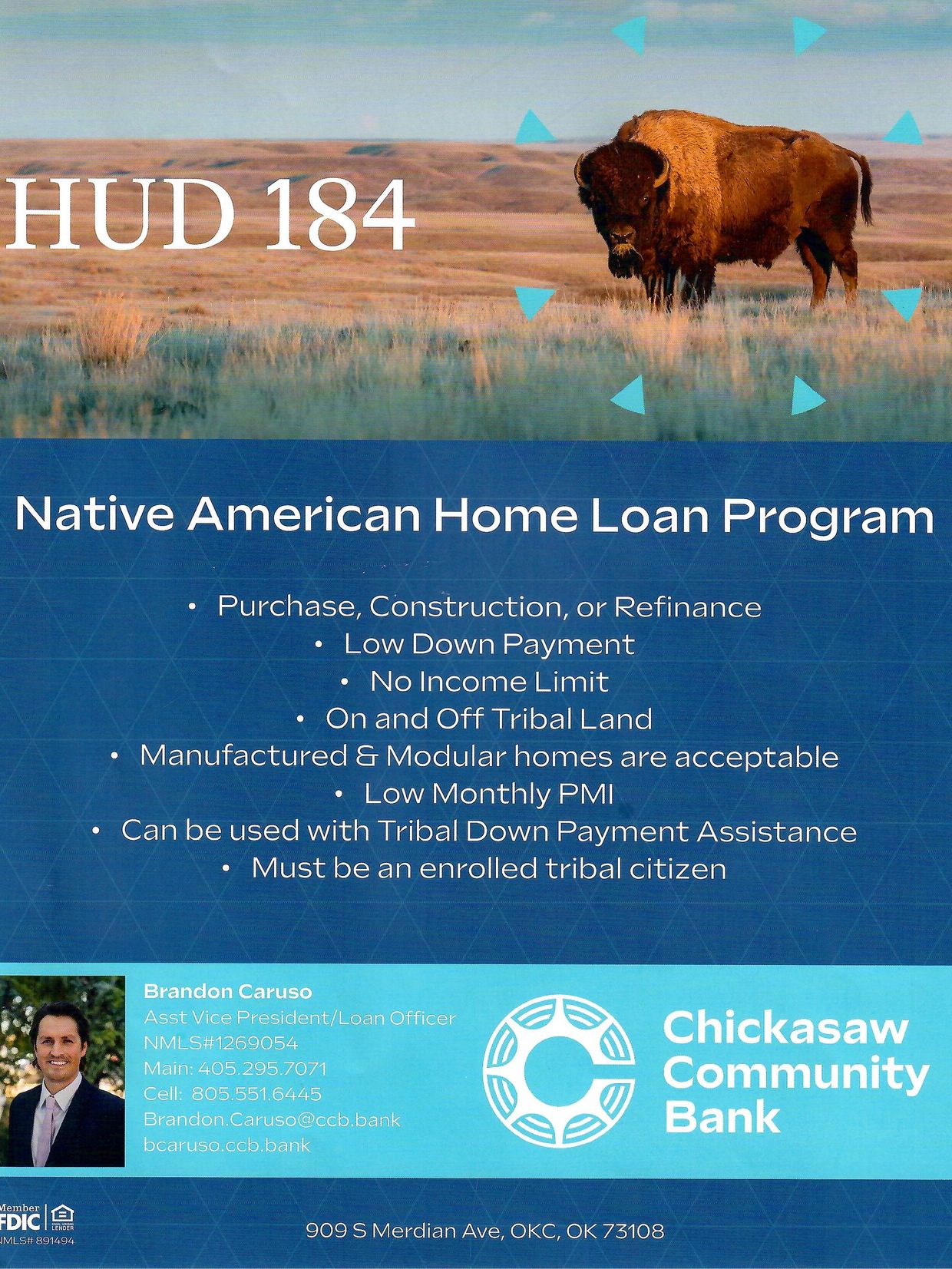
- Explore Loan Options: Familiarize yourself with specialized programs like the HUD 184 Indian Home Loan Guarantee Program, which is designed for Native Americans, offering low down payments and flexible underwriting on and off trust lands.
- Patience and Persistence:
- Long-Term Commitment: Rent-to-own is a journey, not a quick fix. Be prepared for a multi-year commitment and potential waiting periods.
- Advocacy: Don’t be afraid to advocate for yourself and ask for help from program staff if you encounter difficulties.
Conclusion
Native American housing programs offering rent-to-own options are transformative tools in addressing the historical and ongoing housing disparities faced by tribal communities. They offer a structured, supportive, and culturally sensitive pathway to homeownership, fostering financial empowerment, stability, and community well-being.
While challenges such as limited availability, program complexity, and the persistent hurdles of land tenure exist, the advantages of these programs – from credit building and financial education to community integration and cultural preservation – are profound. For individuals committed to the journey of homeownership, these programs represent a vital bridge to achieving their dreams. By conducting thorough research, engaging proactively with tribal housing authorities, and diligently preparing for the responsibilities of homeownership, Native Americans can leverage these essential programs to build equity, secure their futures, and strengthen their vibrant communities for generations to come. Continued support and innovation in these programs are crucial to ensuring self-determination and prosperity for all Native American nations.


