A Critical Review: Native American Housing Assistance for Individuals Facing Displacement
Product Overview
In the vast and complex landscape of social welfare and community development, "Native American Housing Assistance for Individuals Facing Displacement" isn’t a single, tangible product one can purchase off a shelf. Instead, it represents a critical constellation of programs, policies, and initiatives designed to address the profound housing insecurity and homelessness disproportionately affecting Indigenous peoples in the United States. This "product" – a vital service lifeline – operates through federal agencies, tribal governments, and non-profit organizations, aiming to provide shelter, stability, and a path toward long-term housing solutions for those uprooted by economic hardship, natural disasters, family crises, or historical systemic injustices.
For the purpose of this review, we will evaluate this multi-faceted assistance system as a "product" designed to deliver housing security. We will assess its "features" (programs and intent), its "performance" (effectiveness and reach), and its "user experience" (accessibility and impact on individuals), highlighting both its strengths and weaknesses, and ultimately offering "purchase recommendations" for stakeholders and beneficiaries alike.
Understanding the "Product": The Landscape of Assistance

The primary legislative framework underpinning this assistance is the Native American Housing Assistance and Self-Determination Act of 1996 (NAHASDA). This landmark legislation revolutionized federal housing assistance for Native Americans by consolidating several programs into a single block grant, allowing tribes greater flexibility and self-determination in addressing their unique housing needs. Administered by the U.S. Department of Housing and Urban Development (HUD) through its Office of Native American Programs (ONAP), NAHASDA funds are allocated to Tribally Designated Housing Entities (TDHEs), which are typically tribal housing authorities.
Beyond NAHASDA, other components of this "product" include:
- Bureau of Indian Affairs (BIA) Housing Programs: Though more limited, the BIA offers some housing improvement and repair programs.
- Emergency Solutions Grants (ESG): Federal grants that help provide essential services to homeless individuals and families, and to help operate and renovate emergency shelters.
- Continuum of Care (CoC) Programs: Designed to promote community-wide commitment to the goal of ending homelessness.
- State and Local Initiatives: Some states and localities have specific programs for Native American populations.
- Non-Profit Organizations: Numerous national and local non-profits (e.g., National American Indian Housing Council, Rural Community Assistance Corporation) play a crucial role in direct service, advocacy, and capacity building.
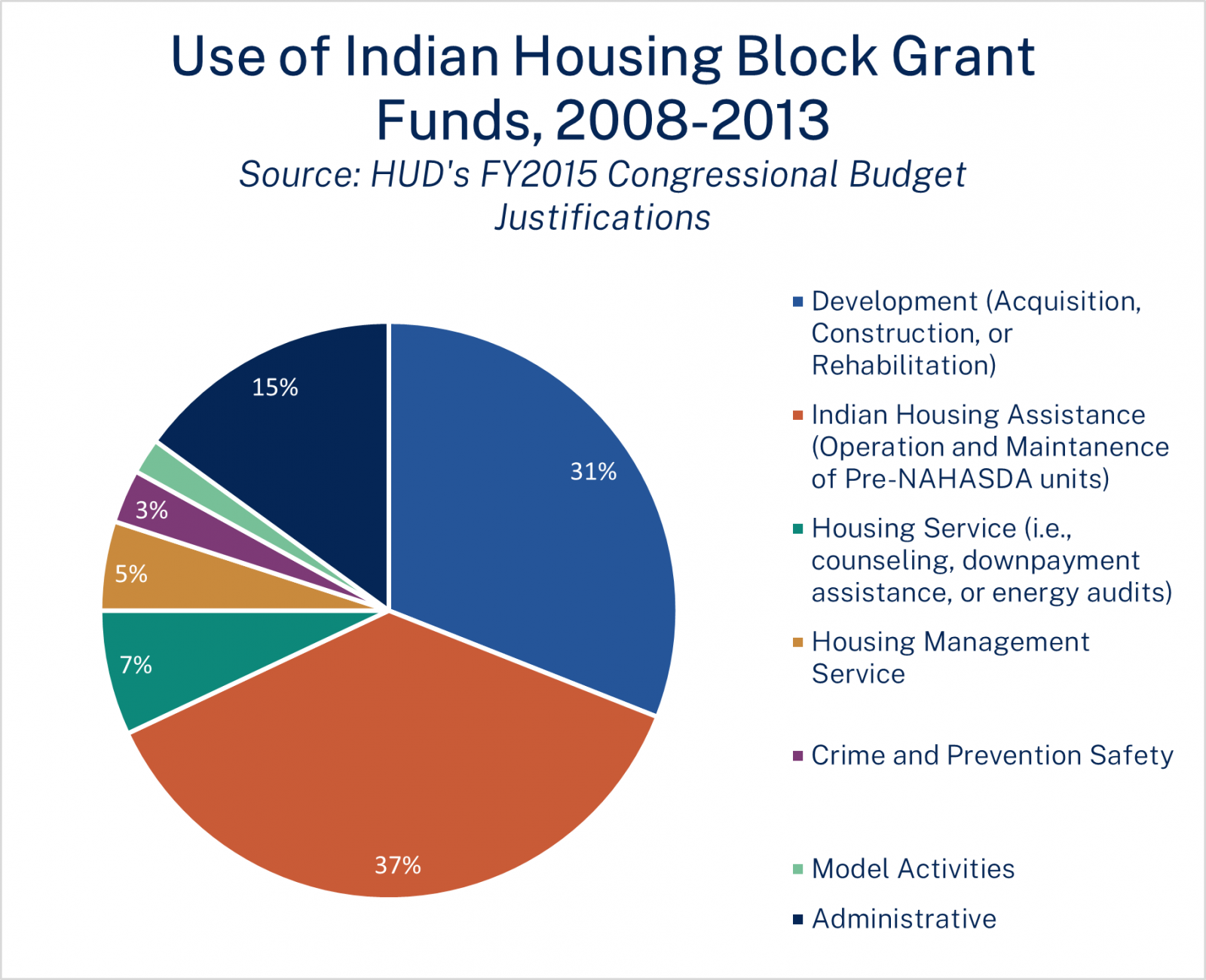
The "target market" for this product is broad, encompassing individuals and families experiencing or at risk of homelessness, those living in substandard housing, or those displaced due to unforeseen circumstances. For individuals facing displacement, the immediate "features" sought are emergency shelter, temporary housing, rapid rehousing, rental assistance, and support services.
The "Pros": Strengths and Advantages of Native American Housing Assistance
Despite its challenges, the Native American housing assistance system offers critical advantages:
-
Empowerment and Self-Determination (NAHASDA’s Core Strength): By consolidating funding into block grants, NAHASDA empowers tribal governments to design and implement housing programs that are culturally appropriate and tailored to their specific community needs. This is a significant improvement over previous top-down federal programs, allowing for local control and innovation. Tribes can prioritize multi-generational housing, traditional building methods, or specific social services that resonate with their people.
-
Lifeline in Crisis: For individuals facing immediate displacement, these programs often serve as the last line of defense against absolute homelessness. Emergency shelters, temporary housing units, and rental assistance can provide crucial stability, safety, and a foundation from which individuals can begin to rebuild their lives. Without this assistance, the rates of homelessness and associated social ills would be far higher.
-
Cultural Responsiveness: Unlike generic housing programs, tribal housing authorities have the potential to integrate cultural values and practices into their services. This can include considering traditional family structures, community gathering spaces, or even employing Native languages and traditional healing methods in support services. This holistic approach can lead to more sustainable and dignified housing solutions.
-
Community Development and Infrastructure: Housing assistance is not just about individual homes; it’s about building resilient communities. NAHASDA funds support the construction of new homes, rehabilitation of existing ones, and the development of essential infrastructure (water, sewer, roads) that benefits the entire reservation or Native community, fostering economic development and improving quality of life.
-
Addressing Historical Injustice: These programs, however imperfect, acknowledge the historical and ongoing legacy of colonization, forced relocation, and economic disenfranchisement that has contributed to the severe housing disparities in Native communities. They represent a commitment, albeit often insufficient, to rectify these systemic wrongs.
-
Holistic Support Services: Many tribal housing programs recognize that housing is just one piece of the puzzle. They often integrate or collaborate with services such as job training, substance abuse counseling, healthcare access, and financial literacy, addressing the root causes of instability and providing a more comprehensive support system.
The "Cons": Weaknesses and Disadvantages
Despite its vital role, the Native American housing assistance "product" suffers from significant flaws that limit its effectiveness:
-
Chronic Underfunding: This is arguably the most critical flaw. NAHASDA funding, while essential, has not kept pace with inflation or the escalating housing needs in Indian Country. The demand for safe, affordable housing vastly outstrips the available resources, leading to long waiting lists, limited construction, and an inability to address the full scope of displacement. Many tribal housing authorities operate on shoestring budgets.
-
Bureaucracy and Access Barriers: While NAHASDA aimed to reduce federal red tape, individuals seeking assistance still often face complex application processes, extensive documentation requirements, and limited staff capacity at tribal housing authorities. For those in crisis or with limited literacy, these barriers can be insurmountable. Geographic isolation further complicates access to offices and resources.
-
Severe Housing Shortages and Substandard Conditions: Decades of underinvestment have resulted in a critical shortage of housing units across many reservations. Existing housing is often dilapidated, overcrowded, lacks basic utilities (water, sewer, electricity), and poses significant health risks. Displacement is often from these very substandard conditions, only to find limited options for rehousing.
-
Geographic Isolation and Infrastructure Deficits: Many Native communities are located in remote, rural areas, making the delivery of services, transportation of materials, and attraction of skilled labor incredibly challenging and expensive. Lack of paved roads, internet access, and utility grids further exacerbates the housing crisis.
-
Eligibility Restrictions and Gaps: Program eligibility can sometimes be too rigid, inadvertently excluding individuals or families based on income thresholds, land ownership status, or specific tribal enrollment requirements. This can create gaps, leaving some of the most vulnerable without assistance.
-
Limited Emergency Response Capacity: For sudden, large-scale displacement events (e.g., natural disasters like floods or wildfires), many tribal housing authorities lack the immediate resources, emergency housing stock, or rapid deployment capabilities to effectively respond to the surge in need.
-
Data Deficiencies: A lack of comprehensive, up-to-date data on housing conditions, homelessness rates, and displacement figures in Indian Country hinders effective program planning, resource allocation, and advocacy efforts.
-
Land Tenure Issues: Complex land ownership structures on reservations (e.g., trust land, allotted land, fee simple) can complicate financing, construction, and property management, making it harder to develop new housing units.
"Purchase Recommendations": How to Improve and Engage with the System
Improving the "product" of Native American housing assistance requires a multi-pronged approach involving increased investment, streamlined processes, and continued commitment to tribal self-determination.
-
Advocate for Substantially Increased and Stable NAHASDA Funding: This is the most crucial recommendation. Congress must commit to significantly increasing NAHASDA appropriations to reflect the actual need, adjusted for inflation and the unique costs of building in remote areas. Stable, predictable funding allows tribes to plan long-term projects and build capacity.
-
Streamline Access and Reduce Bureaucracy:
- Simplify application processes: Implement user-friendly, culturally sensitive application forms.
- Increase outreach: Actively reach out to individuals experiencing or at risk of displacement.
- Invest in technology: Utilize digital platforms for applications and information dissemination where feasible.
- Expand navigators/case managers: Fund positions to help individuals navigate the system.
-
Invest in Capacity Building for TDHEs: Provide funding for training, technical assistance, and staff development for tribal housing authorities. Empowering TDHEs with stronger administrative, financial, and project management skills will enhance program delivery.
-
Prioritize Emergency and Rapid Rehousing Programs: For individuals facing displacement, focus resources on swift interventions:
- Develop robust emergency shelter networks: Including culturally appropriate shelters.
- Expand rapid rehousing initiatives: Move individuals quickly from homelessness into stable housing with time-limited financial assistance and supportive services.
- Pre-disaster planning: Fund tribal efforts to develop emergency housing plans and build disaster-resilient housing stock.
-
Address Infrastructure Deficits: Federal programs must coordinate to invest in critical infrastructure (water, sewer, electricity, broadband) necessary to support new housing development and improve existing homes in remote communities.
-
Foster Partnerships: Encourage and facilitate partnerships between tribal governments, federal agencies (HUD, BIA, FEMA, USDA Rural Development), state governments, and non-profit organizations to leverage resources and expertise.
-
Enhance Data Collection and Research: Invest in robust data collection systems to accurately assess housing needs, track displacement, evaluate program effectiveness, and inform policy decisions. Support tribally led research initiatives.
-
Support Culturally Relevant Housing Solutions: Continue to empower tribes to design housing that reflects their cultural heritage, promotes family well-being, and is sustainable in their specific environments. This includes exploring traditional building materials and multi-generational housing models.
-
Prevention is Key: Shift focus towards preventing displacement through programs like eviction diversion, affordable homeownership pathways, and robust home repair initiatives to address substandard conditions before they become uninhabitable.
Conclusion
The "Native American Housing Assistance for Individuals Facing Displacement" is a profoundly necessary and often life-saving "product" in a system marked by historical injustice and ongoing disparity. Its greatest strength lies in its commitment to tribal self-determination and its potential for cultural responsiveness. However, its effectiveness is severely hampered by chronic underfunding, systemic barriers, and the sheer scale of the housing crisis in Indian Country.
To truly fulfill its promise, this vital assistance system requires a significant re-evaluation and renewed commitment from all levels of government and society. By addressing the funding gaps, streamlining access, building tribal capacity, and fostering holistic, culturally relevant solutions, we can transform this essential lifeline into a robust and equitable pathway to housing security and self-sufficiency for all Native Americans facing displacement. The "purchase" of adequate investment and sustained political will is not merely a policy choice; it is a moral imperative.


