A Critical Review: Native American Housing Programs in the Wake of COVID-19
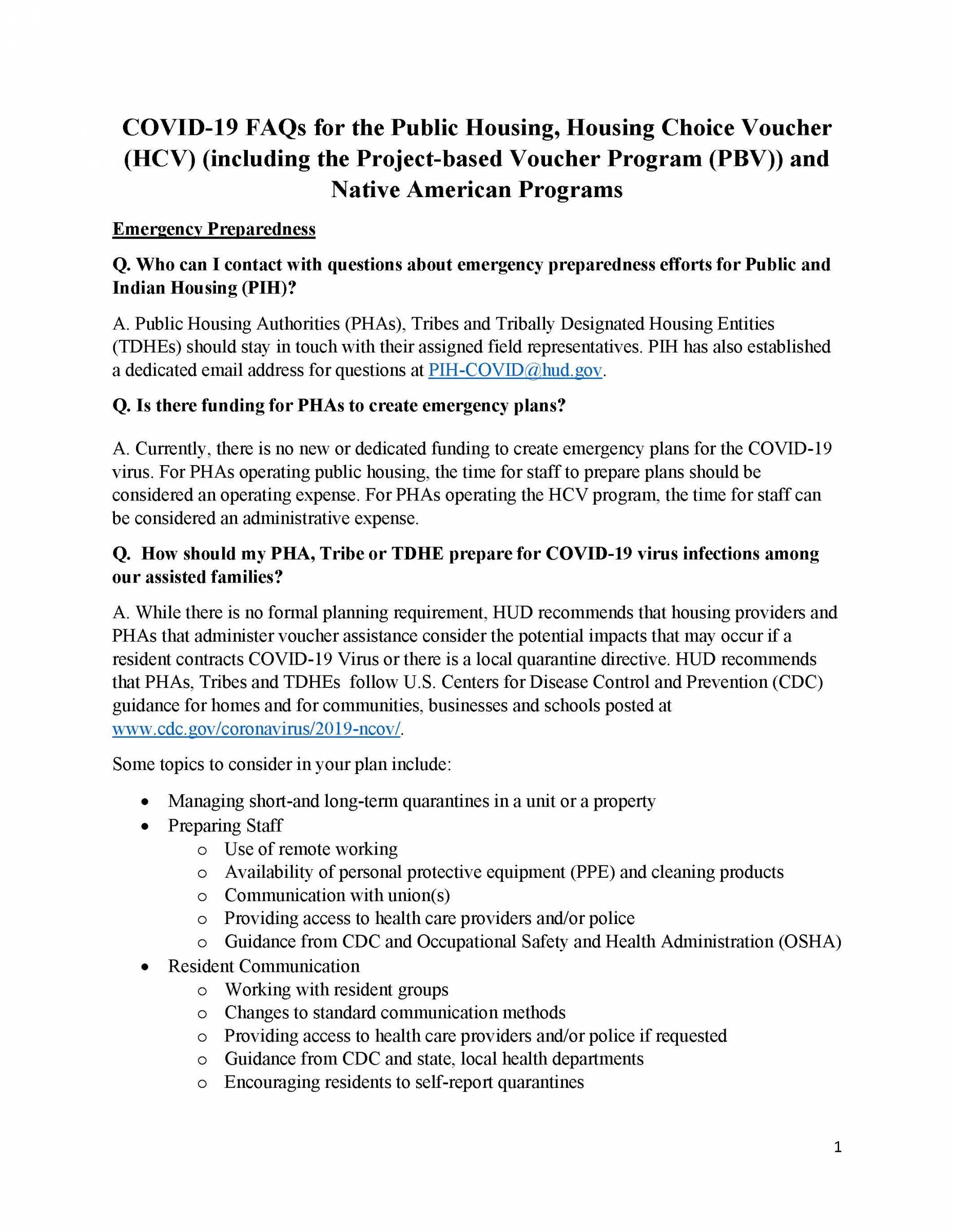
The COVID-19 pandemic laid bare and exacerbated deep-seated systemic inequities across the globe, and nowhere was this more evident than within Native American communities. Already contending with chronic underfunding, a lack of essential infrastructure, and a pre-existing housing crisis characterized by overcrowding, substandard conditions, and homelessness, Tribal Nations faced a disproportionately severe impact from the virus. In response, a patchwork of federal, state, and tribal initiatives emerged, designed to address the urgent housing needs of individuals and families impacted by COVID-19. This article critically reviews these programs, assessing their strengths and weaknesses, and offering recommendations for future policy and investment.
While the concept of a "product review" typically applies to tangible goods, here we metaphorically evaluate the suite of programs, funding mechanisms, and policy responses as a critical intervention package. We examine their efficacy, accessibility, and sustainability in the context of the immense challenges faced by Native American communities during the pandemic.
The Pre-Existing Crisis: A Foundation for Vulnerability
Before delving into the programs themselves, it’s crucial to understand the landscape into which COVID-19 arrived. For decades, Native American communities have experienced a severe housing shortage. According to the U.S. Department of Housing and Urban Development (HUD), an estimated 68,000 new homes are needed on reservations, and tens of thousands more require significant rehabilitation. Key contributing factors include:
- Overcrowding: Multi-generational households are common, leading to increased transmission risk for infectious diseases.
- Substandard Housing: Many homes lack basic amenities like indoor plumbing, running water, electricity, or adequate heating, making hygiene and isolation difficult.
- Lack of Infrastructure: Limited access to broadband internet hindered remote learning and work, while poor road conditions and remote locations complicated supply chains for materials and personnel.
- Poverty and Unemployment: High rates of poverty limited individuals’ ability to afford adequate housing or make necessary repairs.
- Land Use Challenges: Complex land tenure systems, often involving trust lands, can complicate financing and development.
COVID-19 transformed housing from a chronic social issue into an immediate public health imperative. The ability to isolate, quarantine, and practice basic hygiene directly correlated with access to safe, adequate housing.
The Intervention Package: Key Programs and Funding Streams
Several primary "products" (programs) constituted the core response:
- CARES Act Funding (Coronavirus Aid, Relief, and Economic Security Act): This monumental piece of legislation, passed in March 2020, allocated significant funds directly to Tribal governments. While not exclusively for housing, tribes utilized portions of these funds for emergency housing, rental assistance, utility assistance, and converting facilities into isolation/quarantine centers.
- Indian Housing Block Grant (IHBG) – CARES Act Supplemental Funding: Administered by HUD’s Office of Native American Programs (ONAP), IHBG is the primary federal housing program for Native American tribes. The CARES Act provided substantial supplemental funding to IHBG, allowing tribes and Tribally Designated Housing Entities (TDHEs) to address housing needs directly related to COVID-19. This included emergency housing assistance, rental and utility aid, sanitation improvements, and support for homeless populations.
- Indian Community Development Block Grant (ICDBG) – CARES Act Supplemental Funding: Also administered by HUD, ICDBG provides grants to Indian tribes for community development activities. The CARES Act infusions allowed tribes to focus on public facilities (like health clinics, water/sewer systems), economic development, and housing rehabilitation directly tied to pandemic response.
- Treasury’s Emergency Rental Assistance Program (ERAP): While not exclusively for Native Americans, many tribes and tribal housing authorities received direct allocations or partnered with states to distribute ERAP funds, offering crucial rental and utility assistance to prevent evictions and maintain housing stability.
- Tribal Self-Funded Initiatives and Partnerships: Many tribes leveraged their own resources, cultural knowledge, and partnerships with non-profits and private entities to create bespoke solutions, ranging from rapidly constructed tiny homes to culturally sensitive isolation facilities.
Strengths of the Programs (Kelebihan)
Despite the immense challenges, the collective response demonstrated several critical strengths:
- Rapid Deployment of Emergency Funds: The CARES Act and subsequent relief packages enabled a relatively swift injection of capital into Native communities. This immediate access to funds was crucial for responding to the escalating crisis, allowing tribes to procure PPE, establish testing sites, and, importantly, address urgent housing needs.
- Tribal Sovereignty and Flexibility: A significant strength was the recognition of tribal sovereignty in the allocation and use of funds. Tribes were largely empowered to determine their most pressing needs and allocate resources accordingly. This flexibility was vital, as needs varied greatly across the 574 federally recognized tribes, from urban to remote reservations, each with unique cultural contexts and existing infrastructure. This allowed for:
- Tailored Solutions: Tribes could adapt programs to local conditions, building temporary housing, converting community centers into isolation units, or providing culturally appropriate elder care facilities.
- Direct Impact: Funds often went directly to tribal governments or TDHEs, bypassing some layers of bureaucracy that can delay aid.
- Addressing Immediate Housing Stability: The provision of emergency rental assistance, utility payments, and mortgage relief through IHBG-CARES and ERAP was critical in preventing a wave of evictions and homelessness. This stabilized thousands of households, allowing them to shelter in place and reduce COVID-19 transmission risks.
- Support for Homeless Populations: Many tribes utilized funds to establish temporary shelters, provide hotel/motel vouchers, and offer supportive services for their unsheltered members, a population particularly vulnerable to the virus.
- Infrastructure Improvements: ICDBG-CARES funding allowed tribes to invest in vital infrastructure, particularly water and sanitation projects. For communities lacking running water, these improvements were not just about comfort but were fundamental public health interventions, enabling handwashing and proper hygiene.
- Capacity Building and Innovation: The crisis spurred innovation and capacity building within tribal housing authorities and governments. They rapidly adapted, learned to navigate complex federal reporting, and developed creative solutions under immense pressure. This fostered a stronger foundation for future housing development.
- Culturally Appropriate Responses: Many tribal initiatives incorporated traditional knowledge and cultural practices, such as providing food security with traditional foods, ensuring language accessibility, and designing spaces that respected multi-generational living while promoting safety.
Weaknesses of the Programs (Kekurangan)
Despite their critical importance, these programs were not without significant limitations and challenges:
- Insufficient Funding Relative to Need: While substantial, the allocated funds still fell short of addressing the decades of underinvestment and the sheer scale of the housing crisis. The "Band-Aid" approach provided temporary relief but couldn’t fundamentally resolve systemic issues like chronic overcrowding or the need for tens of thousands of new homes.
- Short-Term Nature of Funding: Most of the relief funding was emergency-based, with strict spending deadlines (e.g., CARES Act funds had to be obligated by December 2020, later extended). This short-term horizon made it difficult to plan and execute long-term, sustainable housing projects, which often require years of planning, permitting, and construction.
- Bureaucratic Hurdles and Reporting Requirements: Despite flexibility, tribes still faced complex federal regulations, reporting requirements, and compliance burdens, particularly for smaller tribes with limited administrative capacity. This diverted resources and time away from direct service delivery.
- Supply Chain Disruptions and Labor Shortages: The pandemic itself created significant disruptions in the supply chain for construction materials (lumber, appliances, etc.) and led to labor shortages. This delayed projects, increased costs, and hampered the ability to rapidly build or rehabilitate housing.
- Digital Divide and Outreach Challenges: Many remote tribal communities lack reliable internet access. This digital divide complicated the application process for assistance, hindered remote work/learning, and made it difficult for housing authorities to conduct outreach and provide information effectively.
- Data Collection and Disaggregation: There remains a persistent challenge in collecting accurate, disaggregated data on Native American housing needs and program impacts. Federal data often lumps Native Americans with other groups or uses outdated methodologies, making it difficult to assess the true scope of the problem and the efficacy of interventions.
- Limited Technical Assistance: While some technical assistance was available, many tribes, especially smaller ones, required more intensive support in navigating complex federal regulations, project management, and capacity building to maximize the impact of the funds.
- Lack of Coordinated Federal Strategy: While various agencies provided funding, a truly comprehensive, inter-agency federal strategy for Native American housing that transcended the immediate crisis was largely absent. This led to a more fragmented approach rather than a cohesive, long-term development plan.
Recommendations for "Purchase" and Future Investment
Based on this review, the "purchase" recommendation is not for a single product, but for a fundamental shift in approach and sustained investment in a more robust, equitable, and tribally-driven housing ecosystem.
- Sustained, Increased, and Predictable Funding: The most critical recommendation is for a significant, multi-year increase in dedicated funding for Native American housing. This includes:
- Doubling IHBG Allocations: To address the existing housing deficit and prevent future crises.
- Creating a Permanent Emergency Housing Fund: Specifically for tribal nations, to allow for rapid, flexible responses to future public health crises, natural disasters, or economic downturns without the need for ad-hoc legislation.
- Long-Term Capital Investment: Funding mechanisms that support multi-year new construction and major rehabilitation projects, moving beyond short-term fixes.
- Streamlined Administrative Processes and Enhanced Technical Assistance:
- Simplify Reporting: Reduce the bureaucratic burden on tribal governments, particularly smaller tribes, by streamlining reporting requirements and offering consolidated federal applications.
- Invest in Tribal Capacity Building: Provide robust, culturally competent technical assistance, training, and resources to tribal housing authorities and governments to enhance their grant management, planning, and development capabilities.
- Holistic Infrastructure Development:
- Broadband Expansion: Prioritize and fully fund broadband infrastructure in all tribal communities to bridge the digital divide, essential for remote work, education, healthcare, and program access.
- Water and Sanitation: Continue and expand investment in critical water, sewer, and waste management infrastructure, recognizing their fundamental link to public health and quality of life.
- Improved Data Collection and Disaggregation:
- Tribally-Led Data Initiatives: Support tribal efforts to collect and manage their own housing data, ensuring accuracy and cultural relevance.
- Federal Data Modernization: Overhaul federal data collection methodologies to accurately reflect the housing needs and experiences of Native Americans, disaggregated by tribe and region. This is crucial for informed policymaking and resource allocation.
- Focus on Sustainable, Culturally Appropriate Housing Solutions:
- Support for Diverse Housing Models: Encourage and fund a variety of housing solutions, including traditional housing designs, tiny homes, multi-family units, and elder-specific housing, all designed with cultural input.
- Energy Efficiency and Resilience: Prioritize investments in energy-efficient and climate-resilient housing to reduce long-term costs and enhance sustainability.
- Inter-Agency Coordination and Strategic Planning:
- Unified Federal Strategy: Develop a comprehensive, inter-agency federal strategy for Native American housing that integrates efforts across HUD, USDA, HHS, Treasury, and other relevant departments, with tribes as co-creators.
- Address Root Causes: Recognize that housing insecurity is intertwined with poverty, health disparities, and economic underdevelopment. Future investments must address these interconnected root causes.
Conclusion
The Native American housing programs implemented in response to COVID-19 were a vital and necessary intervention, showcasing the resilience and adaptability of Tribal Nations in the face of unprecedented crisis. They demonstrated the critical importance of flexible funding and tribal sovereignty in addressing immediate needs, preventing wider devastation, and building capacity.
However, these programs also highlighted the profound and persistent weaknesses stemming from decades of underinvestment and systemic inequities. The "product" – a reactive, emergency-driven suite of programs – was largely effective in mitigating immediate harm but insufficient for addressing the deep-seated, systemic housing crisis.
Moving forward, the lesson is clear: we must shift from a reactive, crisis-response model to one of proactive, sustained investment in Native American housing. This requires not just more funding, but smarter, more flexible, and tribally-driven approaches that recognize sovereignty, prioritize long-term development, and address the fundamental human right to safe, adequate, and culturally appropriate housing. Only then can we truly build a foundation for health, prosperity, and self-determination in Native American communities, preparing them not just for the next crisis, but for a future of enduring well-being.


