Navigating the Path to Homeownership: Best Lenders for Native American Home Loans with Flexible Terms
The dream of homeownership is a universal aspiration, representing stability, wealth building, and a place to create lasting memories. However, for many Native Americans, this dream has historically been met with unique challenges, stemming from complex land ownership structures, economic disparities, and a lack of access to conventional financial products tailored to their specific needs. Recognizing these barriers, specialized programs and lenders have emerged, offering flexible loan terms designed to bridge the gap and empower Native American families to achieve homeownership.
This comprehensive review delves into the landscape of home loan options for Native Americans, focusing on lenders that excel in providing flexible terms. We will explore the cornerstone programs, identify key characteristics of the "best" lenders, and provide a balanced analysis of the advantages and disadvantages, culminating in recommendations for prospective homebuyers.
The Unique Landscape: Understanding Native American Homeownership Challenges
Before diving into lenders, it’s crucial to understand the distinct environment surrounding Native American homeownership. Unlike conventional property, much of Native American land is held in trust by the U.S. government for the benefit of tribes or individual Native Americans. This "trust land" status introduces complexities regarding collateral, title, and foreclosure, which often deter conventional lenders.

Furthermore, historical socio-economic factors have contributed to lower credit scores, limited access to banking services, and fewer opportunities for wealth accumulation within Native American communities. These factors, combined with infrastructure challenges on some reservations, make traditional mortgage approval difficult. It is against this backdrop that programs offering "flexible loan terms" become not just beneficial, but essential.
The Cornerstone Program: HUD Section 184 Indian Home Loan Guarantee Program
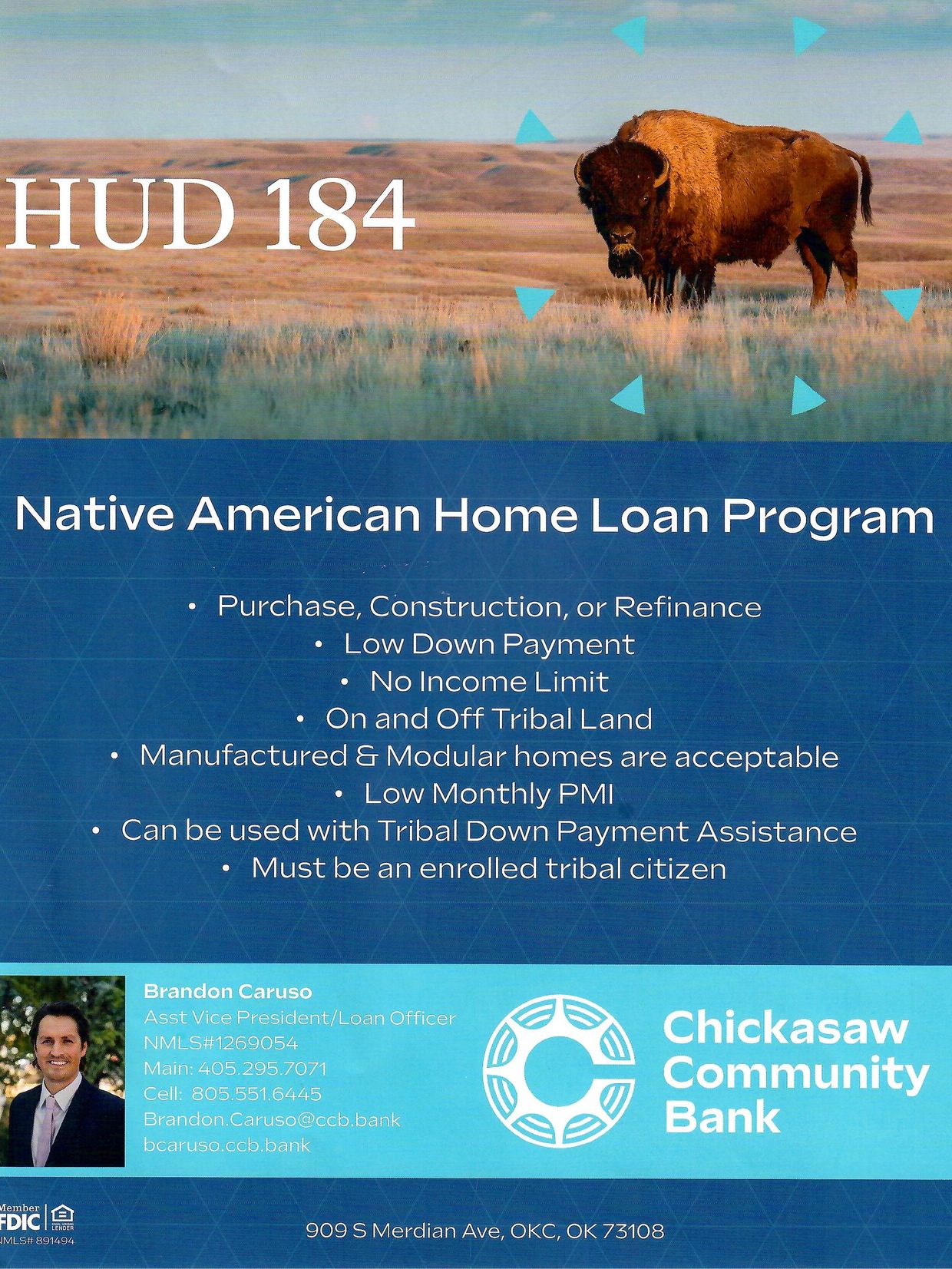
At the heart of flexible home loan options for Native Americans is the HUD Section 184 Indian Home Loan Guarantee Program. This program, administered by the U.S. Department of Housing and Urban Development’s Office of Native American Programs (ONAP), is specifically designed to address the unique homeownership needs of Native American and Alaska Native families, federally recognized tribes, and Tribally Designated Housing Entities (TDHEs).
How it Works: The Section 184 program doesn’t directly lend money; instead, HUD guarantees a loan made by a private lender to an eligible Native American borrower. This guarantee significantly reduces the risk for lenders, encouraging them to offer more favorable and flexible terms than would otherwise be available.
Key Flexible Loan Terms Offered by Section 184:
- Low Down Payment: One of the most significant advantages. Borrowers typically need a down payment of just 2.25% for loans over $50,000, and only 1.25% for loans $50,000 or less. This dramatically lowers the initial financial hurdle.
- Flexible Underwriting Guidelines: Section 184 allows for more lenient credit requirements compared to conventional loans. Lenders are encouraged to look beyond traditional credit scores and consider alternative credit histories (e.g., utility payments, rental history) and the borrower’s overall financial stability.
- No Monthly Mortgage Insurance (PMI): Unlike FHA or conventional loans with low down payments, Section 184 does not require monthly Private Mortgage Insurance (PMI). Instead, there’s a one-time upfront guarantee fee of 1.50% (which can be financed into the loan), saving borrowers significant money over the life of the loan.
- Competitive Fixed Interest Rates: Loans under Section 184 typically feature competitive, fixed interest rates, providing predictability and stability in monthly payments.
- Versatile Loan Uses: The program can be used for purchasing an existing home, constructing a new home (including modular and manufactured homes), rehabilitating an existing home, or even refinancing.
- On and Off-Reservation Eligibility: Crucially, Section 184 loans are available for homes located on trust lands, restricted lands, and fee simple lands both on and off reservations, in eligible areas across 40 states.
- Assumption Feature: Loans can be assumed by another eligible Native American borrower, which can be an attractive feature for future sales.

Given the unparalleled flexibility and benefits of the Section 184 program, the "best lenders" are those who not only offer this program but also demonstrate deep expertise, cultural understanding, and a commitment to serving Native American communities.
What Makes a Lender "Best" for Native American Home Loans?
Beyond simply offering the Section 184 program, a truly "best" lender for Native American home loans with flexible terms will possess several key attributes:
- Deep Section 184 Expertise: They should have dedicated loan officers and processing teams intimately familiar with the nuances of the Section 184 program, including tribal eligibility, land lease agreements, and BIA/tribal approval processes.
- Cultural Sensitivity and Understanding: The lender’s staff should demonstrate respect for Native American cultures, sovereignty, and community structures. This includes understanding the unique family dynamics and financial norms.
- Experience with Tribal Governments and Land: Proficiency in working with various tribal housing authorities, tribal councils, and the Bureau of Indian Affairs (BIA) for necessary land documents and approvals.
- Strong Communication and Education: A commitment to educating borrowers throughout the process, explaining complex terms clearly, and providing financial literacy resources.
- Robust Customer Service: Responsive and empathetic service that recognizes the potential challenges borrowers may face in gathering documentation or navigating the process.
- Additional Resources: Some top lenders may also offer or connect borrowers with down payment assistance programs, credit counseling, or other financial support relevant to Native American communities.
Top Lenders Reviewed (Categorized by Type)
Instead of naming specific banks (as "best" can fluctuate and requires real-time data), we will review categories of lenders that consistently demonstrate strengths in serving Native American homebuyers with flexible terms, primarily through the Section 184 program.
1. National Mortgage Lenders with Dedicated Section 184 Divisions
Many large, national mortgage companies have recognized the importance of the Section 184 program and have established dedicated divisions or teams to handle these loans. These lenders often have the resources and infrastructure to process a high volume of loans efficiently.
- Pros:
- Extensive Reach: Can serve borrowers in many eligible states and areas.
- Streamlined Processes: Often have well-developed systems for Section 184 applications, potentially leading to faster processing.
- Experienced Staff: Their dedicated divisions are likely to employ loan officers and underwriters with significant experience in the program.
- Competitive Rates: Due to their volume, they can often offer very competitive interest rates.
- Cons:
- Less Personalized Service: Can sometimes feel less personal than smaller, community-focused lenders.
- May Lack Deep Local Ties: While knowledgeable about Section 184, they might not have the same level of granular understanding of specific tribal communities or local housing initiatives.
- Potential for Bureaucracy: Large institutions can sometimes be perceived as more bureaucratic.
2. Regional and Community Banks/Credit Unions with Tribal Focus
Smaller, regional banks and local credit unions, particularly those located near or within Native American communities, often develop strong relationships with tribal governments and housing authorities.
- Pros:
- Personalized Service: Often provide a more hands-on, community-oriented approach, fostering trust.
- Deep Local Knowledge: Staff often have a profound understanding of local tribal customs, land nuances, and community needs.
- Community Reinvestment: Many have a mission to support local economic development, including Native American communities.
- Flexible Underwriting: May be more willing to work with individual circumstances and consider alternative credit data due to their local relationships.
- Cons:
- Limited Geographic Reach: Their services might be restricted to specific states or regions.
- Potentially Fewer Resources: May have smaller teams or less advanced technology compared to national lenders.
- Varied Expertise: While some are highly specialized, others might have less experience with Section 184 compared to dedicated national divisions. It’s crucial to verify their specific 184 track record.
3. Non-Profit Organizations and Community Development Financial Institutions (CDFIs)
CDFIs and other non-profit organizations often play a crucial role in providing financial services to underserved communities, including Native Americans. Some act as direct lenders, while others provide vital counseling and support services that help borrowers prepare for and access Section 184 loans.
- Pros:
- Mission-Driven: Their primary goal is community development and empowerment, not profit maximization.
- Holistic Support: Often provide comprehensive financial education, credit counseling, and pre-purchase guidance.
- Access to Additional Resources: May connect borrowers with down payment assistance programs, grants, or other tribal housing initiatives.
- Cultural Competence: Deeply embedded in the communities they serve, offering unparalleled cultural understanding.
- Advocacy: Act as advocates for their clients, helping them navigate complex financial systems.
- Cons:
- Limited Direct Lending Capacity: Not all non-profits are direct lenders; some partner with traditional banks.
- Smaller Scale: May have more limited resources or staff compared to commercial lenders, potentially leading to longer processing times.
- Specific Eligibility: May have their own eligibility criteria in addition to Section 184 requirements.
4. Mortgage Brokers Specializing in Section 184
A mortgage broker acts as an intermediary, connecting borrowers with various lenders. Some brokers specialize specifically in government-backed loans like Section 184.
- Pros:
- Access to Multiple Lenders: Can shop around for the best rates and terms from various Section 184-approved lenders, saving the borrower time and effort.
- Expert Navigation: A good broker will be an expert in the Section 184 process and can guide borrowers through every step.
- Tailored Solutions: Can help borrowers find the lender that best fits their unique financial situation and specific needs.
- Cons:
- Broker Fees: While some are paid by the lender, others may charge a fee to the borrower.
- Quality Varies: The quality of service heavily depends on the individual broker’s expertise and integrity. It’s essential to choose a reputable broker.
- Less Direct Control: The borrower has less direct interaction with the ultimate lender.
Key Factors for Borrowers to Consider When Choosing a Lender
Regardless of the category, Native American homebuyers seeking flexible loan terms should:
- Verify Section 184 Approval and Experience: Ensure the lender is an approved Section 184 lender and has a strong track record. Ask about the number of 184 loans they’ve closed.
- Interview Loan Officers: Speak with several loan officers. Look for someone knowledgeable, patient, culturally sensitive, and who communicates clearly.
- Understand All Fees: Get a clear breakdown of all fees involved, including origination fees, appraisal fees, and the Section 184 guarantee fee.
- Ask About Processing Times: Inquire about typical timelines for Section 184 loans, especially if dealing with trust land or specific tribal approvals.
- Seek References: If possible, ask for references from other Native American homebuyers who have worked with the lender.
- Compare Offers: Don’t settle for the first offer. Compare interest rates, fees, and customer service from multiple lenders.
Overall Pros and Cons of Seeking Specialized Native American Home Loans
Pros:
- Increased Access to Homeownership: Section 184 and similar programs are specifically designed to overcome historical barriers.
- Flexible and Favorable Terms: Lower down payments, competitive fixed rates, flexible credit requirements, and no monthly PMI.
- Tailored Support: Many lenders and non-profits offer specialized guidance and culturally competent service.
- Community Empowerment: Supports economic development and wealth building within Native American communities.
- Versatility: Can be used for various property types and purposes (purchase, construction, rehab, refinance).
Cons:
- Limited Number of Lenders: While growing, the pool of lenders truly expert in Section 184 is smaller than for conventional loans.
- Complexities with Trust Land: While Section 184 helps, navigating BIA and tribal land lease approvals can still add time and complexity.
- Geographic Restrictions: Section 184 is only available in specific eligible areas across 40 states.
- Program-Specific Requirements: Borrowers must meet HUD’s eligibility criteria (federally recognized tribe member or Alaska Native).
Recommendation: Your Path to Homeownership
For Native American individuals and families seeking home loans with flexible terms, the HUD Section 184 Indian Home Loan Guarantee Program is undoubtedly the premier product to pursue. Its features are specifically designed to address the unique challenges faced by this demographic, offering unparalleled flexibility in down payment, credit requirements, and overall costs.
Our primary recommendation is to prioritize lenders with demonstrable, deep expertise in the Section 184 program. Begin your search by:
- Consulting the HUD Section 184 website: This is the official source for a list of approved lenders.
- Connecting with Tribal Housing Authorities: Your tribal housing department or a Tribally Designated Housing Entity (TDHE) can often provide recommendations for local or regional lenders they have successfully worked with.
- Exploring Reputable Non-Profit Organizations and CDFIs: These entities often provide invaluable pre-purchase counseling and can guide you to appropriate lenders or even offer direct loan products.
Don’t hesitate to interview multiple lenders from the categories discussed (national, regional, non-profit, or specialized brokers). Focus on finding a loan officer who is not only knowledgeable about Section 184 but also patient, empathetic, and genuinely committed to helping you navigate the process. Ask specific questions about their experience with trust land, tribal leases, and the typical timeline for their 184 loans.
The dream of homeownership for Native Americans is more attainable than ever, thanks to dedicated programs and the increasing number of lenders committed to supporting these communities. By thoroughly researching your options and partnering with a knowledgeable and culturally sensitive lender, you can confidently embark on your journey to owning a home that truly reflects your family’s needs and aspirations.


