
The Path to Homeownership: A Deep Dive into Native American Home Loans for Non-Traditional Income Earners
The dream of homeownership is a cornerstone of the American experience, representing stability, wealth building, and a place to call one’s own. However, for many Native Americans and Alaska Natives, particularly those with non-traditional income streams, this dream can often feel out of reach. Traditional mortgage lenders frequently struggle to assess and approve applicants whose income doesn’t fit the neat boxes of a W-2 salary, and historical land ownership complexities further complicate matters for tribal members.
Enter specialized programs like the HUD Section 184 Indian Home Loan Guarantee Program. While not a "product" in the conventional sense, it functions as a crucial financial tool designed to address these specific challenges. This comprehensive review will delve into the intricacies of the Section 184 loan program, evaluating its "performance" for individuals with non-traditional income, outlining its significant advantages and potential drawbacks, and ultimately providing a recommendation on its suitability.
Understanding the Landscape: Native American Homeownership and Non-Traditional Income
Before dissecting the Section 184 program, it’s vital to understand the unique confluence of factors it aims to address.
Native American Homeownership Challenges:
Historically, Native American communities have faced systemic barriers to homeownership, including:
- Trust and Restricted Land: A significant portion of tribal lands is held in trust by the federal government or is restricted, making traditional mortgages difficult or impossible due to title complexities.
- Rural and Remote Locations: Many tribal lands are in remote areas, which can deter mainstream lenders unfamiliar with the local market or land tenure systems.
- Economic Disparities: Higher rates of poverty and unemployment within some Native American communities can impact credit scores and down payment savings.
- Lack of Infrastructure: Limited access to conventional banking services on or near reservations.
The "Non-Traditional Income" Conundrum:
The modern workforce is increasingly diverse, with a growing number of individuals earning their living outside the traditional 9-to-5, salaried model. "Non-traditional income" can encompass:
- Self-Employment: Freelancers, independent contractors, small business owners, consultants.
- Gig Economy Workers: Ride-share drivers, delivery service providers, online platform workers.
- Commission-Based Income: Real estate agents, sales professionals.
- Seasonal Employment: Agricultural workers, tourism industry employees, fishing crews.
- Multiple Part-Time Jobs: Individuals piecing together income from various sources.
- Tips and Gratuities: Service industry workers.
For traditional lenders, the primary concern with non-traditional income is consistency and predictability. Underwriters prefer stable, verifiable income that can be easily documented with pay stubs and W-2s. Fluctuating income, significant business expenses, or reliance on multiple income streams often raise red flags, leading to higher scrutiny, stricter requirements, or outright denial, even for financially responsible individuals. This is where a specialized program like Section 184 becomes invaluable.
The "Product" in Focus: HUD Section 184 Indian Home Loan Guarantee Program
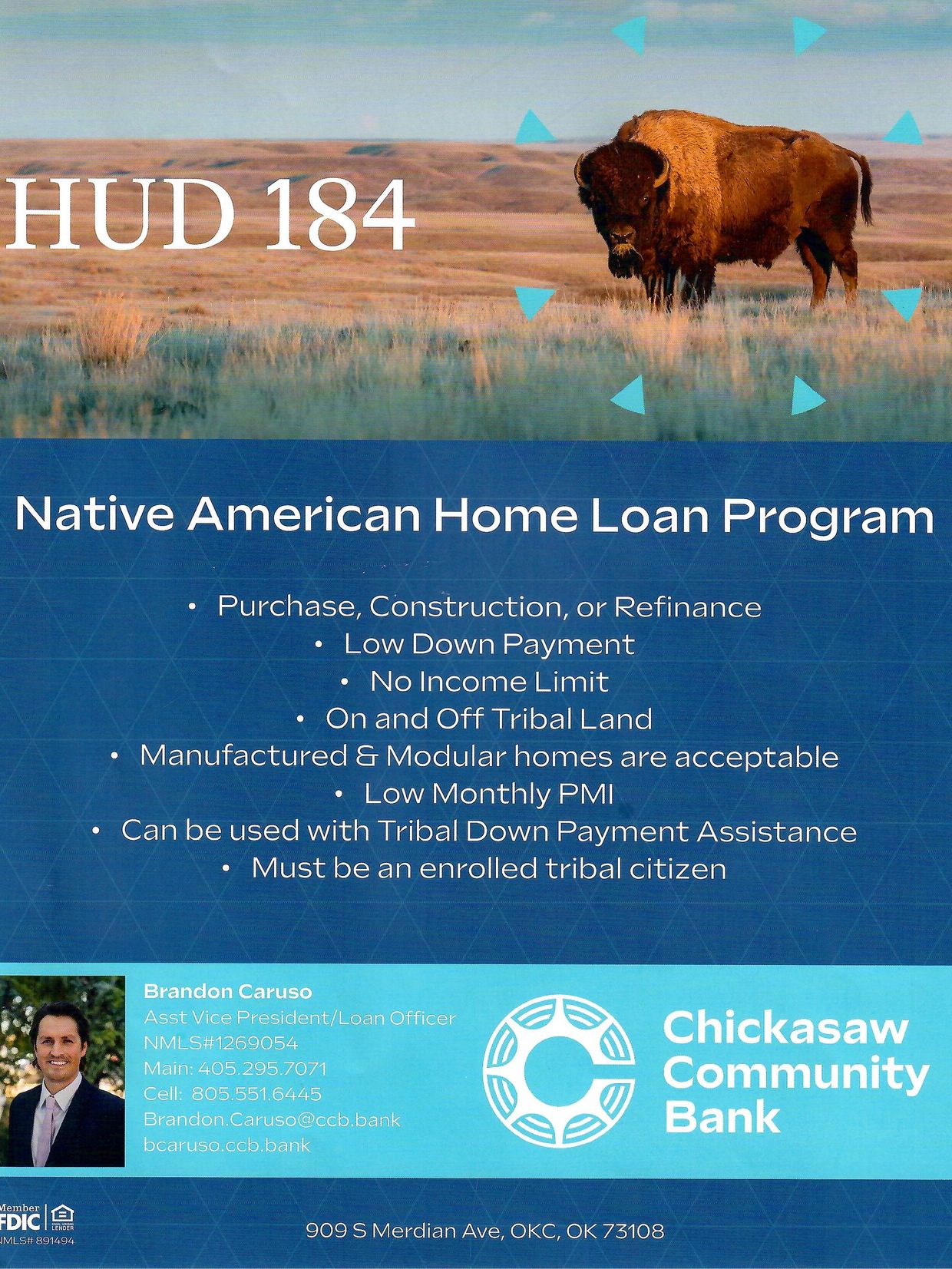
The HUD Section 184 Indian Home Loan Guarantee Program, established in 1992, is a unique mortgage product specifically designed for Native American and Alaska Native families, federally recognized tribes, and tribally designated housing entities. It is a federal guarantee program, meaning that HUD guarantees the mortgage loan made by private lenders to eligible borrowers. This guarantee significantly reduces the risk for lenders, encouraging them to lend in areas and to populations they might otherwise avoid.
Key Features and How it Addresses Non-Traditional Income:
The program’s design is inherently geared towards flexibility and understanding the unique circumstances of its target demographic.
- Eligibility: To qualify, borrowers must be an enrolled member of a federally recognized tribe or an Alaska Native village.
- Property Eligibility: Loans can be used for new construction, purchase of existing homes, rehabilitation, or refinance. Crucially, they can be used on and off reservation, including trust lands, restricted lands, and fee simple lands.
- Lender Network: While HUD guarantees the loan, private lenders (banks, credit unions) originate and service the mortgages. These lenders often have specific experience working with Native American communities and the Section 184 program.
The fundamental premise of Section 184 is to provide a pathway to homeownership by mitigating the traditional barriers. For individuals with non-traditional income, its flexible underwriting guidelines are the true game-changer.
Advantages (Pros) of Section 184 for Non-Traditional Income Borrowers
The Section 184 program offers several significant advantages that make it an exceptional "product" for Native American individuals navigating the complexities of non-traditional income.
-
Flexible Income Verification and Underwriting: This is arguably the program’s most crucial benefit. Unlike conventional loans that demand rigid W-2 histories, Section 184 lenders are trained to understand and assess diverse income streams.
- Averaging Income: Lenders can often average two years of self-employment or fluctuating income (e.g., commissions, tips, seasonal work) to determine a stable monthly income.
- Business Expenses: While business expenses are deducted from gross income, lenders are often more adept at understanding the nuances of small business finances.
- Future Income: In some cases, verifiable future contracts or consistent historical patterns can be used to project income, which is rare in traditional lending.
- Multiple Income Sources: The program is more accommodating of income derived from several part-time jobs or side hustles, as long as a consistent history can be established.
- Documentation: While still requiring thorough documentation (e.g., tax returns, profit and loss statements, bank statements), the interpretation of this documentation is more lenient and understanding of non-traditional financial structures.
-
Lower Down Payment Requirements: Section 184 loans typically require a very low down payment – as little as 2.25% for loans over $50,000, and 1.25% for loans up to $50,000. This significantly reduces the upfront financial burden, which can be particularly challenging for individuals whose income fluctuates or who may not have large accumulated savings.
-
No Monthly Mortgage Insurance (MI) or Private Mortgage Insurance (PMI): Instead of ongoing monthly MI/PMI (which is standard for conventional loans with less than 20% down, or FHA loans), Section 184 loans charge a one-time upfront guarantee fee of 1.00% of the loan amount, which can be financed into the loan. There is also a small annual loan guarantee fee of 0.25% of the outstanding principal balance, but this is significantly less than traditional monthly MI, leading to substantial long-term savings.
-
Competitive, Fixed Interest Rates: Because the loans are federally guaranteed, lenders can offer competitive, fixed interest rates, providing stability and predictability in monthly payments, a significant advantage for borrowers whose income might vary.
-
Access to Mortgages on Trust and Restricted Land: This is a monumental advantage unique to Section 184. It provides a mechanism for tribal members to secure mortgages on lands that were previously unmortgageable through conventional means. This requires specific leasehold agreements and tribal approvals, which the program facilitates.
-
Less Restrictive Debt-to-Income (DTI) Ratios: While DTI is still a factor, Section 184 generally offers more flexible DTI requirements compared to conventional loans, allowing borrowers with slightly higher debt loads relative to their income to qualify, especially if they demonstrate a strong payment history and capacity.
-
Financial Education and Counseling: Many lenders specializing in Section 184 loans also offer or recommend homeownership counseling, helping borrowers understand the mortgage process, manage their finances, and prepare for the responsibilities of homeownership. This support system is invaluable, especially for first-time buyers or those with complex financial situations.
-
Knowledgeable Lenders: Lenders approved to offer Section 184 loans are familiar with the program’s nuances, tribal land issues, and the specific financial situations of Native American communities, leading to a more supportive and understanding loan application process.
Disadvantages (Cons) and Challenges
While Section 184 is a powerful tool, it’s not without its limitations and potential hurdles. Understanding these is crucial for a realistic "product" assessment.
-
Eligibility Restrictions: The most significant limitation is that the program is exclusively for enrolled members of federally recognized tribes or Alaska Natives. Non-Native Americans, even those with non-traditional income, cannot access this program.
-
Limited Lender Pool: While the program is expanding, not all mortgage lenders offer Section 184 loans. Borrowers may need to seek out specialized lenders or those with a strong presence in Native American communities, which can limit options and require more research.
-
Geographic Specificity and Trust Land Complexities: While the ability to lend on trust land is a pro, it also introduces complexities:
- Longer Processing Times: Loans on trust or restricted land often require additional approvals from the Bureau of Indian Affairs (BIA) and tribal housing authorities, which can extend the closing timeline significantly.
- Leasehold Agreements: Borrowers on trust land don’t own the land outright but rather lease it from the tribe, which requires a specific leasehold mortgage and can involve additional fees or conditions.
- Appraisal Challenges: Appraising homes on tribal lands can be more complex due to unique market conditions, limited comparable sales, and specialized land status.
-
Documentation Burden (Paradoxically): While underwriting is flexible for non-traditional income, it doesn’t mean less documentation. In fact, it often means more detailed and comprehensive documentation to paint a clear picture of income stability. Self-employed borrowers, for instance, will typically need two years of tax returns, detailed profit and loss statements, and extensive bank statements to demonstrate consistency. This can be challenging for those who don’t meticulously track their finances.
-
Loan Limits: Like other government-backed loans, Section 184 loans are subject to county-specific loan limits, which may not always align with housing costs in higher-priced markets.
-
Lack of Awareness: Despite its benefits, many eligible Native Americans are unaware of the Section 184 program, missing out on a vital opportunity.
-
Still Requires Creditworthiness and Capacity: While flexible, the program is not a "free pass." Borrowers still need to demonstrate a reasonable credit history, a capacity to repay the loan, and a consistent (even if non-traditional) income stream over time. A history of financial instability or significant recent income drops will still pose challenges.
-
Upfront Guarantee Fee: While significantly better than monthly MI, the 1.00% upfront guarantee fee, even if financed, adds to the loan amount and closing costs.
Who is this "Product" For? (Recommendation)
The HUD Section 184 Indian Home Loan Guarantee Program is an outstanding and highly recommended "product" for a very specific segment of the population:
It is ideally suited for:
- Enrolled members of federally recognized tribes or Alaska Natives who aspire to homeownership.
- Individuals with non-traditional income streams (self-employed, gig workers, seasonal employees, commission-based, multiple part-time jobs) who have a consistent history of earning, even if it fluctuates, and can meticulously document their income over at least two years.
- Borrowers who may have lower down payment savings but possess a strong desire for homeownership and a commitment to the process.
- Those looking to purchase, build, or refinance a home on tribal trust land, where conventional financing is typically unavailable.
- First-time homebuyers who can benefit from the program’s lower entry barriers and supportive framework.
- Borrowers who are willing to engage with specialized lenders and navigate potentially longer processing times, especially for trust land transactions.
It is NOT suitable for:
- Individuals who are not enrolled members of a federally recognized tribe or Alaska Natives.
- Those with extremely inconsistent or undocumented income history.
- Borrowers seeking the absolute fastest closing times without any potential for delays related to land status.
Conclusion
The HUD Section 184 Indian Home Loan Guarantee Program stands as a uniquely tailored and incredibly valuable financial "product" for Native American and Alaska Native individuals with non-traditional income. It addresses critical historical and contemporary barriers to homeownership, offering a path to stability and wealth creation that is often inaccessible through conventional channels.
While it demands thorough documentation and can involve specific complexities related to tribal lands, its flexible underwriting, low down payment, and competitive rates make it an unparalleled resource. For eligible borrowers, it’s not just a loan; it’s a bridge to realizing the dream of homeownership, fostering economic empowerment, and strengthening communities.
Anyone meeting the eligibility criteria and navigating a non-traditional income landscape should strongly consider exploring the Section 184 program. The recommendation is clear: research, connect with an approved Section 184 lender, and embrace the opportunity this specialized program offers to turn the dream of owning a home into a tangible reality. It is a powerful testament to the idea that with the right tools and understanding, homeownership can indeed be within reach for everyone.


