Bridging the Accessibility Gap: A Comprehensive Review of Native American Housing Grants for Accessibility Modifications
The concept of "home" transcends mere shelter; it embodies safety, dignity, cultural continuity, and independence. For Native American communities, often residing in remote or historically underserved areas, securing and maintaining accessible housing presents unique and profound challenges. High rates of chronic illness, disabilities, and an aging population within tribal nations amplify the urgent need for housing modifications that enable individuals to live independently and thrive within their ancestral lands. This comprehensive review examines the landscape of Native American housing grants specifically targeting accessibility modifications, treating these vital funding mechanisms as "products" that offer solutions, yet come with their own set of advantages and disadvantages. We will delve into their efficacy, explore their benefits and drawbacks, and offer recommendations for their optimal utilization and future improvement.
The Unmet Need: Understanding the Context
Before dissecting the grants themselves, it’s crucial to grasp the context of housing on Native American lands. Centuries of colonial policies, forced displacement, and economic marginalization have left many tribal communities with inadequate housing infrastructure. Homes are often old, poorly maintained, overcrowded, and lack basic amenities, let alone accessibility features. Compounding this, Native American populations face disproportionately higher rates of disabilities, diabetes, heart disease, and other chronic conditions compared to the general U.S. population. The elderly population is also growing, often preferring to "age in place" within their communities, surrounded by family and culture.
For an individual with mobility issues, an inaccessible home can be a cage. Steep stairs, narrow doorways, non-slip-resistant bathrooms, and high countertops become daily obstacles that erode independence, increase the risk of injury, and necessitate relocation or constant reliance on others. Addressing these barriers is not just about physical modifications; it’s about upholding human rights, fostering self-determination, and preserving cultural ties.
The "Product" Line: Key Grant Programs
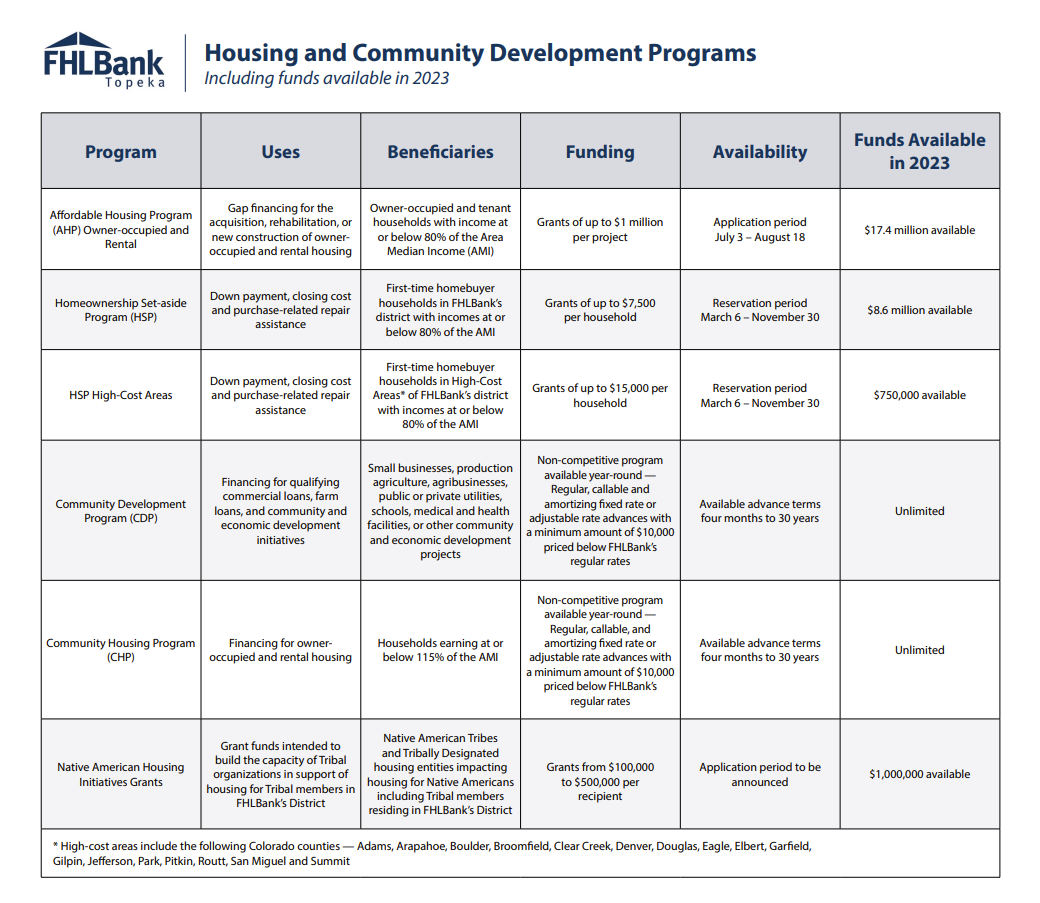
Several federal and, to a lesser extent, tribal and non-profit programs serve as the primary "grants" for accessibility modifications. While not always exclusively dedicated to accessibility, they are the most viable avenues for such projects.
-
Native American Housing Assistance and Self-Determination Act (NAHASDA) Programs:
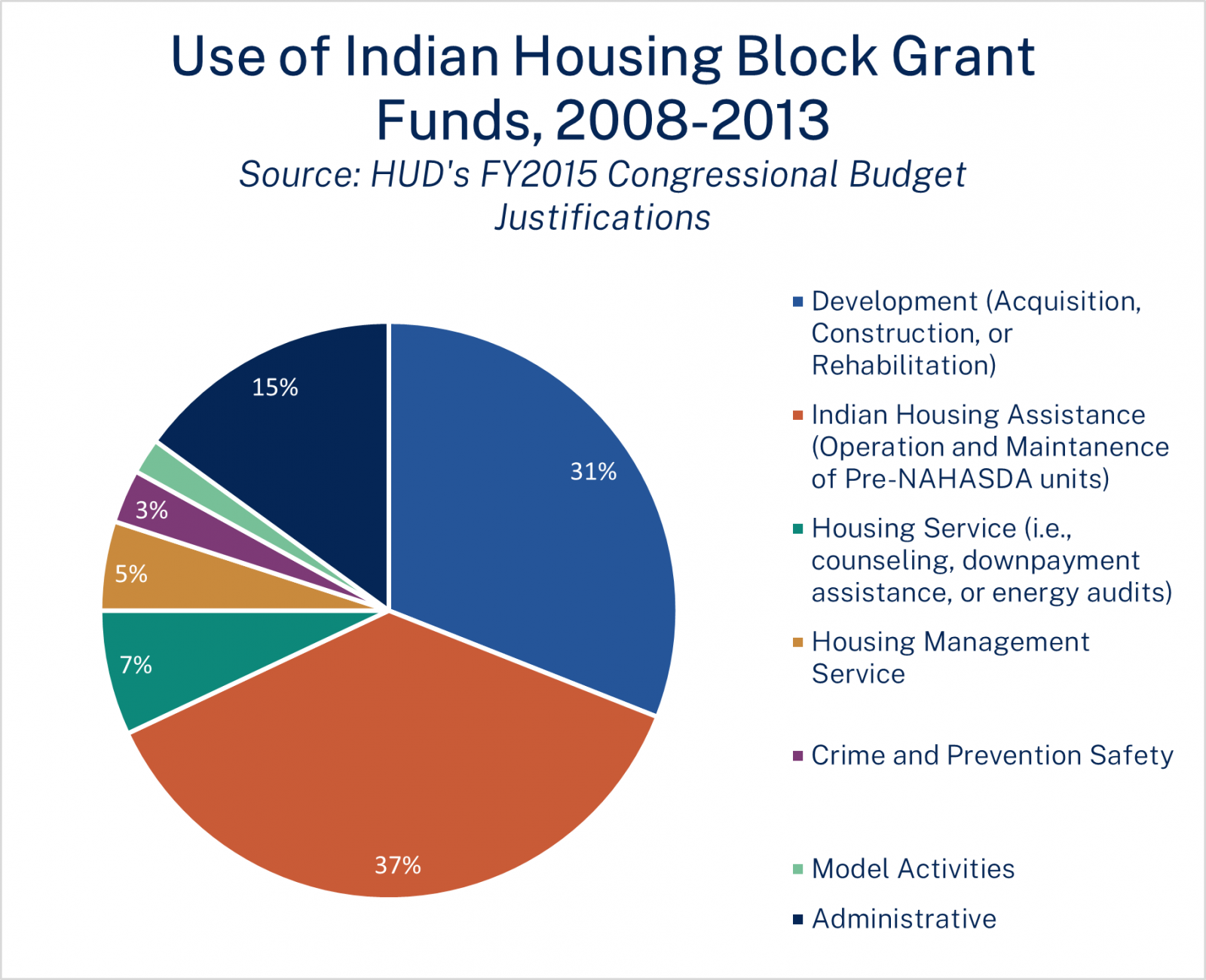
- Indian Housing Block Grant (IHBG): This is the cornerstone of Native American housing assistance. IHBG funds are allocated directly to eligible Indian tribes and Tribally Designated Housing Entities (TDHEs). Tribes have significant flexibility in how they use these funds, including for housing development, rehabilitation, and direct assistance to tribal members. A significant portion of these funds is often directed towards critical repairs and accessibility modifications.
- Indian Community Development Block Grant (ICDBG): Administered by HUD, ICDBG provides grants for community development projects, which can include housing rehabilitation and infrastructure improvements, often with an emphasis on projects benefiting low- and moderate-income individuals, including those with disabilities.
-
U.S. Department of Agriculture (USDA) Rural Development Programs:
- Section 504 Home Repair Program (Single Family Housing Repair Loans and Grants): This program provides loans to very low-income homeowners to repair, improve, or modernize their homes, or grants to elderly very low-income homeowners to remove health and safety hazards. Accessibility modifications are a primary use of these funds.
- Section 502 Direct Loan Program: While primarily for homeownership, these loans can include funds for necessary repairs and improvements, potentially encompassing accessibility features in new construction or existing homes.
-
Department of Veterans Affairs (VA) Adaptive Housing Grants:
- Specially Adapted Housing (SAH) and Special Home Adaptation (SHA) Grants: These grants help veterans with certain service-connected disabilities purchase, construct, or modify homes to accommodate their needs. While not exclusive to Native Americans, eligible Native American veterans can access these crucial funds.
-
Tribal-Specific Programs and Non-Profits:
- Many tribes leverage their own general funds or revenues from enterprises to establish housing assistance programs, sometimes directly funding accessibility modifications.
- Non-profit organizations, such as Habitat for Humanity, Rebuilding Together, and specialized Native American housing organizations, also offer programs that can include accessibility modifications, often working in partnership with tribal housing authorities.
How These "Products" Work: The Application and Implementation Process
Generally, the application process for these grants can vary significantly. For IHBG and ICDBG, the primary applicant is usually the tribal government or TDHE, which then administers sub-grants or direct services to individual tribal members. Individuals needing modifications would typically apply through their tribal housing authority. For USDA Section 504, individual homeowners apply directly to the USDA Rural Development office. VA grants have a specific application process through the VA.
Once approved, funds are allocated for specific modifications. These can include:
- Exterior: Ramps, wider doorways, accessible pathways, grab bars near entrances.
- Interior: Widening interior doorways, reconfiguring bathrooms for roll-in showers, grab bars, raised toilets, accessible sinks, lowering countertops in kitchens, installing stairlifts, lever-style door handles.
- Technology: Smart home systems for environmental control, visual or auditory alerts for the hearing or visually impaired.
- Structural: Reinforcing walls for grab bars, ensuring load-bearing capacity for specialized equipment.
The implementation often involves tribal housing departments overseeing projects, contracting with local builders, or coordinating with skilled tribal members.
The "Pros": Advantages and Benefits of Accessibility Grants
These grants, despite their complexities, offer a myriad of invaluable benefits:
- Enhanced Independence and Dignity: The most profound benefit is restoring an individual’s ability to perform daily tasks without constant assistance. This fosters self-reliance, boosts self-esteem, and allows individuals to live with greater dignity within their own homes.
- Improved Safety and Health Outcomes: Accessible modifications significantly reduce the risk of falls, a leading cause of injury and hospitalization, particularly among the elderly and those with disabilities. Roll-in showers, grab bars, and clear pathways prevent accidents, contributing to better overall health.
- Ability to Age in Place: For many Native Americans, remaining in their homes on tribal lands is crucial for cultural, spiritual, and family reasons. These grants enable elders and those with disabilities to "age in place" or "heal in place," avoiding institutionalization and maintaining vital community connections.
- Cultural Preservation: By allowing individuals to stay within their traditional homes and communities, these grants support the transmission of cultural knowledge, language, and practices across generations, strengthening the fabric of tribal identity.
- Community Empowerment and Self-Determination: IHBG funds, in particular, empower tribal governments to identify and address their specific housing needs, including accessibility, reflecting tribal priorities and fostering self-governance.
- Economic Benefits: Project implementation often involves local contractors, skilled tradespeople, and material suppliers, injecting funds into tribal economies and creating employment opportunities within the community.
- Reduced Healthcare Costs: By preventing injuries and enabling independent living, accessible homes can indirectly reduce the burden on healthcare systems, leading to lower long-term medical costs for individuals and tribal health services.
- Addressing Systemic Inequities: These grants are a critical tool in rectifying historical underinvestment in Native American housing and infrastructure, aiming to bring housing conditions closer to national standards of safety and accessibility.
- Holistic Well-being: Beyond physical safety, accessible housing contributes to mental and emotional well-being by reducing stress, isolation, and feelings of helplessness, fostering a greater sense of security and belonging.
The "Cons": Disadvantages and Challenges of Accessibility Grants
While essential, these grant programs are not without significant drawbacks and operational challenges:
- Limited Funding and High Demand: The available funding rarely meets the overwhelming demand. Many tribal housing authorities receive far more requests for accessibility modifications than they can fulfill, leading to long waiting lists and difficult prioritization decisions.
- Bureaucracy and Administrative Burden: The application and reporting processes for federal grants can be complex, time-consuming, and require significant administrative capacity. Smaller tribes or those with limited staff often struggle to navigate these requirements, potentially missing out on critical funding.
- Strict Eligibility Criteria: While necessary, specific income limits, homeownership status, and disability definitions can exclude individuals who are genuinely in need but fall just outside the program’s parameters.
- Geographical Challenges and Contractor Availability: Many Native American communities are in remote, rural areas. This makes it challenging to find qualified, affordable contractors willing to travel for smaller modification projects. Material costs can also be higher due to transportation.
- Slow Processing and Implementation: The time from application to project completion can be lengthy due to bureaucratic delays, funding cycles, contractor availability, and inspection processes. For an individual in immediate need, these delays can be detrimental.
- Lack of Awareness and Outreach: Not all tribal members are aware of the available programs or how to access them. Effective outreach, especially to elders and those in remote areas, is crucial but often underfunded.
- Capacity Constraints within Tribal Housing Authorities: Some tribal housing authorities are understaffed and lack the technical expertise for detailed architectural planning, project management, and compliance oversight required for complex accessibility modifications.
- Cultural Sensitivities and Trust Issues: Historical grievances can lead to distrust of federal programs. Additionally, modifications must be implemented with cultural sensitivity, respecting traditional building practices or living arrangements, which standard grant templates might not always accommodate.
- Sustainability and Long-Term Planning: While grants address immediate needs, there’s often a lack of sustained funding for ongoing maintenance or future needs as disabilities progress or new challenges emerge.
- Lack of Integrated Services: Accessibility modifications are often one piece of a larger puzzle. There’s a need for better integration with other services like healthcare, occupational therapy, and transportation, which is not always facilitated by the grant structure.
The "Recommendation": Verdict and Future Directions
Overall Verdict: Native American housing grants for accessibility modifications are critically important and absolutely necessary. They are a lifeline for countless individuals, transforming living spaces from barriers into enablers of independence and dignity. However, they operate within a challenging environment and are significantly underfunded and often overly bureaucratic. They represent a foundational product that desperately needs refinement and expanded investment to reach its full potential.
Who Should "Purchase" (Utilize) These "Products"?
- Tribal Governments and Tribally Designated Housing Entities (TDHEs): These entities are the primary and most effective conduits for securing and administering IHBG and ICDBG funds, directly benefiting their tribal members. They should prioritize allocating a significant portion of their flexible housing funds towards accessibility.
- Individual Native American Homeowners (via Tribal Entities or Directly for USDA/VA): Individuals in need of modifications should first contact their tribal housing authority. For those eligible, direct applications to USDA Rural Development for Section 504 grants or the VA for adaptive housing grants are also crucial avenues.
- Non-Profit Organizations: Organizations working in partnership with tribal communities should actively seek funding to supplement federal grants and provide technical assistance.
Recommendations for "Product" Improvement and Optimal Utilization:
- Increase Funding and Consistency: Congress must significantly increase appropriations for NAHASDA, ICDBG, and USDA Section 504 programs, ensuring consistent, multi-year funding to allow for long-term planning and address the substantial backlog of needs.
- Streamline Application and Reporting Processes: Federal agencies should work with tribal leaders to simplify grant applications and reporting requirements, reducing the administrative burden, especially for smaller tribes. A focus on outcomes rather than excessive paperwork is key.
- Enhance Technical Assistance and Capacity Building: Provide dedicated funding for technical assistance programs that help tribal housing authorities develop expertise in grant writing, project management, accessible design, and compliance.
- Promote Culturally Competent Design and Implementation: Encourage flexible design standards that respect traditional housing forms, community layouts, and cultural practices. Training for contractors and project managers on cultural sensitivity is vital.
- Improve Outreach and Education: Develop targeted outreach campaigns, in partnership with tribal communities, to ensure all eligible individuals are aware of available grants and how to access them, including in remote areas.
- Foster Collaboration: Encourage greater collaboration between federal agencies (HUD, USDA, VA, IHS), tribal governments, non-profits, and private sector partners to leverage resources and create a more integrated support system.
- Develop Regional Resource Hubs: Establish regional centers that can share expertise, equipment, and a pool of qualified contractors experienced in accessible modifications in rural and tribal settings.
- Embrace Universal Design Principles: Advocate for the integration of universal design principles in all new housing construction and major renovations on tribal lands, ensuring homes are accessible to everyone, regardless of age or ability, from the outset.
- Support Tribal Self-Sufficiency: Empower tribes to develop their own sustainable funding mechanisms and housing codes that incorporate accessibility standards tailored to their specific needs and environments.
- Prioritize Data Collection and Needs Assessment: Support tribal efforts to conduct comprehensive housing needs assessments, including detailed data on disability and accessibility requirements, to inform funding allocations and policy decisions.
Conclusion
Native American housing grants for accessibility modifications are more than just financial allocations; they are instruments of justice, equity, and human dignity. They empower individuals to live full, independent lives within the embrace of their communities and cultures. While the existing "product line" offers crucial solutions, it is constrained by insufficient funding, bureaucratic hurdles, and systemic challenges. A concerted effort from federal agencies, tribal governments, and advocacy groups to enhance funding, streamline processes, and foster culturally competent implementation is imperative. Only then can these grants truly bridge the accessibility gap, transforming housing into a source of strength and well-being for all Native Americans.


