
Empowering Indigenous Homeownership: A Comprehensive Review of Native American Home Loans for Sustainable Living
The dream of homeownership is a cornerstone of stability, wealth creation, and community building for many, but for Native American and Alaska Native individuals, this aspiration has historically been fraught with unique challenges. Dispossession, economic marginalization, and complex land tenure systems on tribal lands have often made conventional mortgage financing inaccessible. In response to these systemic barriers, specialized home loan programs, most notably the Section 184 Indian Home Loan Guarantee Program, have emerged as vital tools. This article provides an in-depth review of Native American home loans, examining their structure, advantages, disadvantages, and their crucial role in fostering sustainable housing for Indigenous communities.
Understanding Native American Home Loans: The Section 184 Program
While several programs may offer assistance, the Section 184 Indian Home Loan Guarantee Program, administered by the U.S. Department of Housing and Urban Development (HUD), stands as the primary and most comprehensive initiative tailored for Native American and Alaska Native communities. Established by the Housing and Community Development Act of 1992, its core purpose is to facilitate homeownership and increase access to capital in areas where conventional lending has been scarce or non-existent, particularly on trust lands.
Unlike standard FHA or VA loans, Section 184 is a direct loan program in some cases, but predominantly a loan guarantee program. This means that private lenders (banks, credit unions) originate the mortgages, but HUD guarantees a percentage of the loan to the lender. This guarantee significantly reduces the risk for lenders, encouraging them to lend in areas and to populations they might otherwise deem too risky.
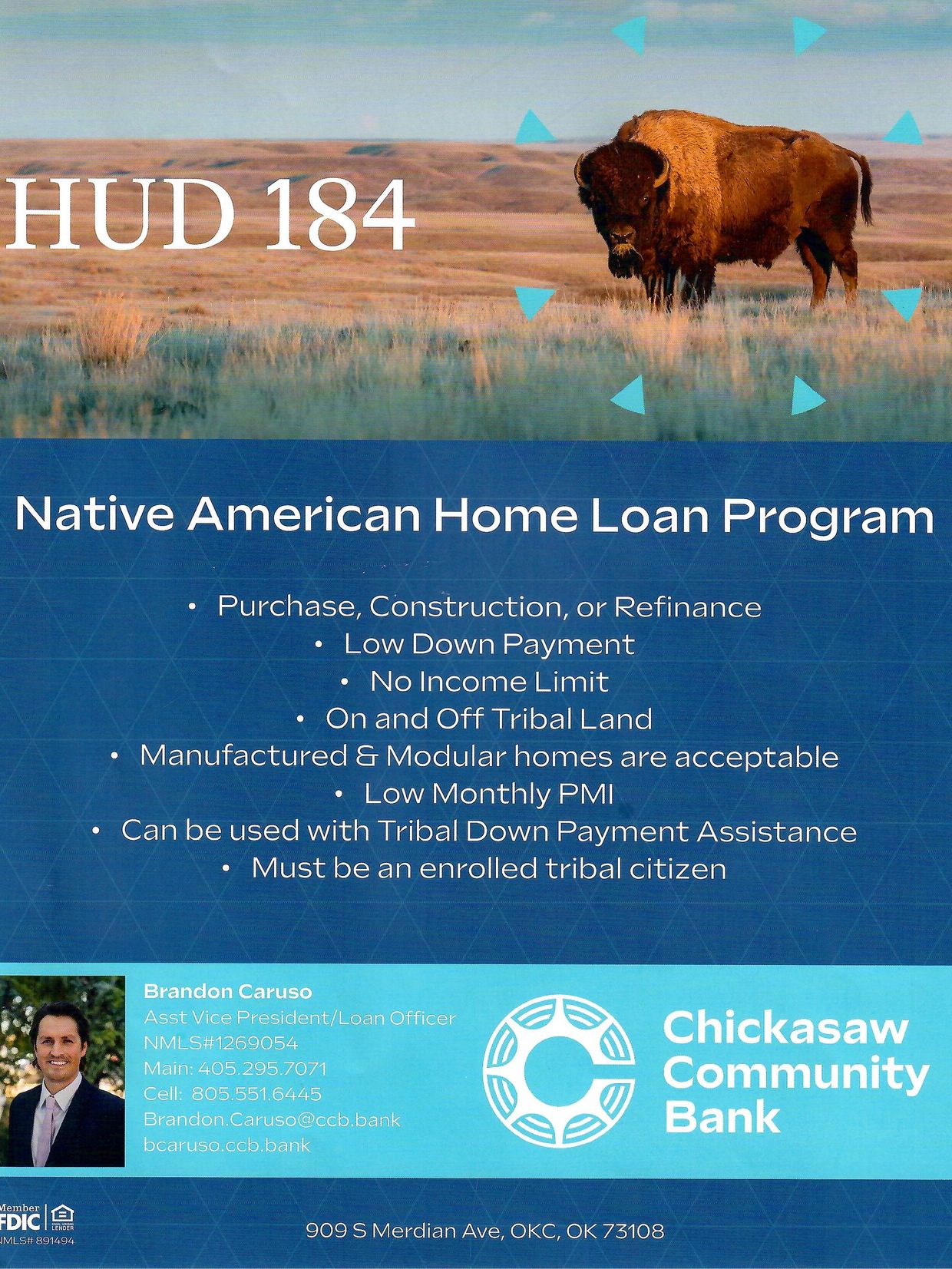
Key Characteristics of Section 184 Loans:
- Eligibility: Restricted to enrolled members of federally recognized Native American Tribes or Alaska Native Villages. The property must be located within an eligible area, which includes all tribal trust lands, individually allotted lands, and many off-reservation areas where the population is predominantly Native American or Alaska Native.
- Loan Types: Can be used for purchasing an existing home, constructing a new home, rehabilitating a home, or refinancing an existing mortgage.
- Loan Limits: Generally follow FHA loan limits, which vary by county but are often substantial enough to cover average home prices.
- Unique Underwriting: While credit history is considered, the program offers more flexible underwriting guidelines than conventional loans, focusing more on a borrower’s ability to repay.
- Land Tenure Flexibility: Crucially, Section 184 loans can be used to finance homes on various land statuses, including fee simple land (standard ownership), individually allotted land, and tribal trust land (where the land is held in trust by the U.S. government for the benefit of a tribe or individual). This last point is a significant differentiator, as trust land often poses insurmountable hurdles for conventional mortgages due to its unique legal status.
The Nexus with Sustainable Housing

The concept of "sustainable housing" extends beyond just environmental efficiency; it encompasses economic viability, social equity, cultural relevance, and long-term community resilience. Native American home loans, particularly Section 184, are inherently designed to support this broader definition of sustainability:
-
Economic Sustainability: By making homeownership more accessible and affordable through lower down payments and competitive rates, these loans allow Indigenous families to build equity, stabilize their finances, and contribute to the economic well-being of their communities. This reduces reliance on rental markets and provides a tangible asset that can be passed down through generations.
-
Social & Cultural Sustainability: Enabling individuals to build or purchase homes on ancestral or tribal lands helps preserve cultural ties, strengthens family units, and combats the effects of displacement. Homeownership within the community fosters greater civic engagement and a sense of belonging, which are vital for social cohesion. It allows for the continuation of traditional practices and strengthens the intergenerational transfer of knowledge.
-
Environmental Sustainability (Potential): While not explicitly an "eco-loan," Section 184 can be used to finance the construction of new, energy-efficient homes or the rehabilitation of existing properties to meet modern energy standards. Many tribal housing authorities are increasingly focused on green building practices, and these loans provide the financial vehicle for individuals to participate in such initiatives, reducing utility costs and environmental footprints over the long term.
-
Community Resilience: Addressing the severe housing shortages and substandard conditions prevalent in many Indigenous communities is fundamental to resilience. These loans inject capital into tribal economies, create construction jobs, and improve the overall housing stock, which is critical for health, education, and safety outcomes.
Advantages of Native American Home Loans (Pros)
-
Low Down Payment Requirements: Section 184 loans typically require a very low down payment – as little as 1.25% for loans over $50,000 and 2.25% for loans under $50,000. This significantly lowers the barrier to entry for many first-time homebuyers or those with limited savings, making homeownership a realistic goal.
-
Flexible Credit and Underwriting Guidelines: While a good credit history is beneficial, Section 184 programs often have more lenient credit requirements compared to conventional loans. Underwriters are trained to understand the unique financial situations that may arise in tribal communities, focusing on overall ability to repay rather than strict credit score cutoffs. This flexibility can be a lifeline for individuals who have faced economic hardship but are otherwise responsible borrowers.
-
Competitive Interest Rates: Section 184 loans offer attractive, often below-market, fixed interest rates. This stability provides borrowers with predictable monthly payments, making long-term financial planning easier and reducing the overall cost of the loan. The rates are often comparable to or better than FHA loans.
-
Access to Financing on Trust Lands: This is arguably the most significant advantage. Conventional lenders are often unwilling or unable to lend on tribal trust lands due to the complex legal framework and the inability to easily foreclose on such properties. Section 184 is specifically designed to navigate these complexities, offering a mechanism for financing homes on individually allotted and tribal trust lands, which are vital for preserving Indigenous land bases and cultural continuity.
-
No Mortgage Insurance Premium (MIP) for the Life of the Loan: Unlike FHA loans which require annual mortgage insurance for the life of the loan (or until 20% equity is reached with a large down payment), Section 184 only charges an upfront guarantee fee (1% of the loan amount, which can be financed into the loan) and no annual premium. This can result in substantial savings over the life of the mortgage.
-
Culturally Competent Support: Borrowers often work with lenders and housing counselors who are familiar with tribal customs, laws, and the unique challenges faced by Indigenous communities. This specialized knowledge can streamline the application process and provide a more supportive experience.
-
Community Development Focus: By facilitating homeownership, these loans contribute directly to the economic and social development of Native American communities. They support local businesses (e.g., construction, real estate) and foster a stronger tax base where applicable.
Disadvantages of Native American Home Loans (Cons)
-
Strict Eligibility Requirements: The primary drawback is that these loans are exclusively available to enrolled members of federally recognized tribes or Alaska Native Villages. This immediately excludes a large portion of the population, even those who may live near or work within tribal communities.
-
Limited Lender Participation: While the program has grown, not all banks or mortgage lenders offer Section 184 loans. Borrowers may need to seek out specialized lenders or those with a strong presence in Indigenous communities, which can limit options and require more research.
-
Complex Appraisal and Land Tenure Issues: While the program is designed to handle trust land, the appraisal process can still be more complex and time-consuming than for fee simple properties. Understanding tribal leasing agreements, rights-of-way, and specific tribal codes requires expertise and can add layers of bureaucracy, potentially delaying closing.
-
Geographic Restrictions: The property must be located within an eligible area, which generally means on tribal lands or in areas with a significant Native American population. While this covers many regions, it means individuals seeking homes outside these specific geographic boundaries cannot utilize the program.
-
Potential for Bureaucracy and Processing Time: While efforts are made to streamline the process, dealing with federal programs and navigating tribal governmental structures can sometimes lead to longer processing times compared to conventional loans, especially when new leases or approvals are required.
-
Infrastructure Challenges in Remote Areas: Many tribal lands, particularly in remote areas, lack adequate infrastructure (roads, utilities, water, septic systems). While the loan can finance a home, it typically doesn’t cover the cost of bringing in new infrastructure. Borrowers might face significant out-of-pocket expenses or delays if these services are not readily available, which can impact the feasibility of building or purchasing.
-
Leasehold Interests: On tribal trust lands, borrowers don’t own the land outright; instead, they enter into a lease agreement with the tribe for a specified period (e.g., 50 years). While the home itself is owned, the land is not, which can be a psychological or philosophical hurdle for some borrowers accustomed to fee simple ownership. It also means understanding the terms and conditions of the tribal lease is paramount.
Is It Right for You? Purchase Recommendation
For eligible Native American and Alaska Native individuals seeking sustainable housing, Native American home loans, particularly the Section 184 program, are highly recommended. These loans are not merely a financing option; they are a cornerstone of economic empowerment, cultural preservation, and community development.
Here’s when these loans are an excellent fit:
- You are an enrolled member of a federally recognized Tribe or Alaska Native Village. This is the fundamental requirement.
- You plan to purchase, build, or rehabilitate a home on or near tribal lands, or within an eligible service area.
- You are seeking a low down payment option and competitive interest rates.
- You value the opportunity to build equity and establish roots within your community.
- You are prepared to navigate the unique aspects of tribal land tenure and work with specialized lenders.
- You are committed to long-term stability and contributing to the sustainable growth of your community.
Considerations Before Applying:
- Research Eligible Lenders: Start by identifying HUD-approved Section 184 lenders who have experience working in your specific region or with your tribe.
- Contact Your Tribal Housing Authority: Your tribal housing authority or tribal government is an invaluable resource. They can provide guidance on tribal-specific housing initiatives, land leasing processes, and local regulations.
- Seek Housing Counseling: HUD-approved housing counselors specializing in Native American programs can offer personalized advice, help you understand the process, and prepare you for homeownership.
- Understand Land Status: Be clear about the land status of the property you are interested in (fee simple, allotted, tribal trust) and understand the implications, especially regarding leasehold agreements on trust lands.
- Assess Infrastructure: If building in a remote area, thoroughly investigate the availability and cost of connecting to essential utilities and services.
Conclusion
Native American home loans, spearheaded by the Section 184 program, represent a critical and successful federal initiative to address the historical and ongoing housing disparities faced by Indigenous communities. By offering flexible, affordable, and culturally sensitive financing options, these programs not only enable individual homeownership but also contribute significantly to the broader goal of sustainable living—fostering economic stability, preserving cultural heritage, and building resilient communities.
While navigating the unique complexities of tribal land tenure and eligibility requires due diligence, the benefits for eligible individuals and their communities are profound. For Native American and Alaska Native individuals aspiring to achieve the dream of homeownership and contribute to the enduring sustainability of their nations, these specialized home loan programs are an indispensable resource, offering a path towards a more secure and empowered future.


