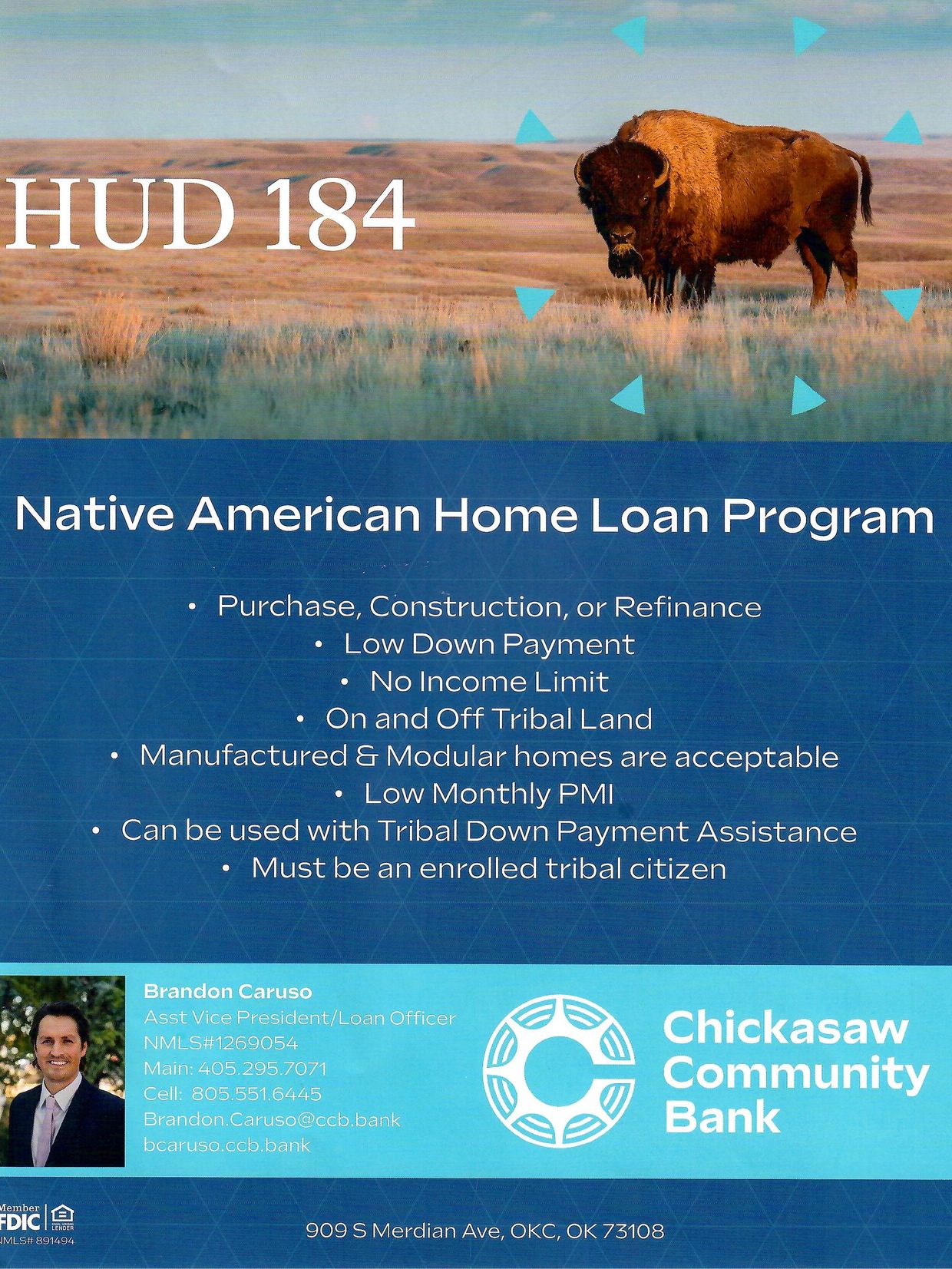
Navigating Homeownership with Student Debt: A Comprehensive Review of the HUD Section 184 Native American Home Loan
For many, the dream of homeownership remains a cornerstone of financial stability and personal achievement. Yet, for a growing number of individuals, this dream is increasingly overshadowed by the colossal burden of student loan debt. The average student loan debt in the United States has climbed to over $37,000, with millions owing significantly more. This financial obligation can severely impact credit scores, inflate debt-to-income ratios (DTI), and deplete savings, making traditional mortgage qualification a daunting, if not impossible, task.
However, for eligible Native American and Alaska Native individuals, a powerful and often underutilized financial tool exists: the HUD Section 184 Native American Home Loan program. This federal loan guarantee program, specifically designed to increase homeownership within Native American communities, offers unique features that can provide a critical pathway to owning a home, even for those grappling with substantial student loan debt.
This comprehensive review will delve into the intricacies of the HUD Section 184 loan, evaluating its strengths and weaknesses as a "product" for Native American individuals burdened by student loans. We will examine its benefits, limitations, and ultimately provide a recommendation on its suitability for this specific demographic.
Understanding the "Product": The HUD Section 184 Native American Home Loan

At its core, the HUD Section 184 program is a mortgage loan guarantee initiative, similar in concept to FHA or VA loans, but tailored specifically for Native American and Alaska Native individuals, families, and tribal governments. Established by the Indian Housing Act of 1988, its primary goal is to provide access to affordable home financing within Native American communities, both on and off tribal lands.
Unlike conventional loans, which are often sold to secondary market investors, Section 184 loans are underwritten by approved lenders and then guaranteed by the U.S. Department of Housing and Urban Development (HUD), Office of Native American Programs (ONAP). This guarantee reduces the risk for lenders, allowing them to offer more favorable terms to borrowers who might not qualify for traditional financing.
Key Features of Section 184:
- Eligibility: Must be an enrolled member of a federally recognized tribe or an Alaska Native.
- Property Location: Loans can be used to purchase, construct, or rehabilitate homes on Native American trust lands, restricted fee lands, or fee simple lands (non-tribal land) within eligible areas.
- Loan Types: Can be used for single-family homes, manufactured homes (permanently affixed), or multi-unit dwellings (up to four units).
- Down Payment: Typically very low, often as little as 2.25% for loans over $50,000 and 1.25% for loans under $50,000.
- Mortgage Insurance: A one-time upfront Guarantee Fee (1.5% of the loan amount) and an annual Mortgage Insurance Premium (0.25% of the loan amount) are typically required, though the annual premium is significantly lower than FHA.
- Interest Rates: Competitive, often fixed rates.
- Flexible Underwriting: Lenders are encouraged to use more flexible underwriting guidelines, considering factors unique to Native American communities and financial situations.
- No Loan Limits (with specific conditions): While there isn’t a hard loan limit like FHA, the maximum loan amount is determined by the FHA loan limits for the specific county.

The "Pros": Why Section 184 is a Powerful Tool for Native Americans with Student Debt
For Native American individuals struggling under the weight of student loan debt, the HUD Section 184 loan offers several distinct advantages that can transform the dream of homeownership into a tangible reality.
-
Lower Down Payment Requirements: This is perhaps the most significant advantage. Conventional loans often demand 5%, 10%, or even 20% down, which translates to tens of thousands of dollars. For someone making significant monthly student loan payments, accumulating such a large sum for a down payment can feel impossible. With Section 184’s 2.25% (or even 1.25%) down payment, the barrier to entry is dramatically lowered. This preserves precious savings, allowing individuals to maintain an emergency fund or even continue making extra payments on their student loans if desired.
-
Flexible Underwriting and Debt-to-Income (DTI) Ratios: This is where Section 184 truly shines for borrowers with student debt. Traditional lenders often have strict DTI limits (e.g., 43-45%). Student loan payments contribute directly to this ratio, often pushing borrowers beyond acceptable thresholds, even if they have stable income. Section 184 lenders are generally more understanding of student loan burdens. They are often willing to consider a higher DTI, especially if the borrower demonstrates a strong payment history, stable employment, and residual income after all debts are paid. Some lenders may even have specific guidelines for how they calculate student loan payments (e.g., using a lower percentage of the outstanding balance if payments are deferred, or focusing on the actual payment amount rather than a hypothetical one). This flexibility can be the difference between approval and denial.
-
Competitive Interest Rates: Section 184 loans offer competitive, fixed interest rates. A lower interest rate translates directly to a lower monthly mortgage payment. For someone already managing student loan payments, every dollar saved on housing costs is critical. This lower monthly obligation can free up cash flow, making it easier to manage overall debt, contribute more to student loan principal, or simply provide more breathing room in the household budget.
-
Lower Annual Mortgage Insurance Premium (MIP): While an upfront Guarantee Fee is required, the annual MIP for Section 184 loans (0.25%) is significantly lower than that of FHA loans (which can be 0.85% or more). Over the life of the loan, this can result in substantial savings. Again, lower monthly housing costs directly benefit a borrower with student loan debt, as it reduces the overall financial burden.
-
No Prepayment Penalties: Borrowers can pay off their Section 184 loan early without incurring any penalties. This flexibility is valuable for those who might eventually pay down their student debt and then wish to aggressively pay off their mortgage to achieve full financial freedom sooner.
-
Acceptance of Non-Traditional Credit History: While not exclusive to student debt holders, this is a significant advantage. If a borrower has a limited credit history due to focusing on student loan payments or simply not having many credit accounts, Section 184 lenders are often more willing to consider alternative forms of credit, such as rental payment history, utility bills, and even tribal loan payments. This inclusive approach helps individuals who might be penalized by conventional systems that rely heavily on FICO scores alone.
-
Financial Education and Support: Many tribal housing authorities and lenders specializing in Section 184 loans offer financial counseling and homebuyer education programs. These resources can be invaluable for individuals managing complex financial situations, including student loan debt. Learning about budgeting, debt management strategies, and the responsibilities of homeownership can empower borrowers to navigate their finances more effectively.
The "Cons": Challenges and Limitations to Consider
While the HUD Section 184 loan is an excellent tool, it is not without its limitations and potential drawbacks, particularly for someone already under financial strain from student loans.
-
Strict Eligibility Requirements: The most significant limitation is the absolute requirement of being an enrolled member of a federally recognized tribe or an Alaska Native. This program is not available to the general public, regardless of their financial need or student loan burden. This immediately narrows the pool of eligible "consumers" for this "product."
-
Limited Lender Availability: While the program has grown, not all mortgage lenders offer Section 184 loans. Borrowers may need to seek out specialized lenders who are familiar with the program and its unique requirements, especially if they plan to purchase on tribal lands. This can add an extra layer of research and effort, which can be taxing for someone already dealing with the complexities of student debt.
-
Property Type and Location Restrictions (Can be Complex): While Section 184 covers a broad range of property types and locations, purchasing on tribal trust lands or restricted fee lands can involve additional complexities. This may include navigating tribal housing codes, leasehold agreements (rather than fee simple ownership), and a more involved appraisal process. For someone already stressed by student loans, these additional layers of bureaucracy and legal considerations can be overwhelming and potentially delay the home-buying process.
-
Appraisal Process Can Be Unique: Appraisals for properties on tribal lands, especially trust lands, require specific expertise and adherence to tribal laws and HUD guidelines. This can sometimes lead to longer processing times or a smaller pool of qualified appraisers, potentially extending the closing timeline.
-
Upfront Guarantee Fee: While the annual MIP is low, the 1.5% upfront Guarantee Fee can be a hurdle for some, though it can often be financed into the loan. For someone with limited savings due to student loan payments, even this smaller upfront cost needs to be carefully considered.
-
Not a Solution for Student Debt Itself: It’s crucial to understand that the Section 184 loan is a homeownership tool, not a student loan forgiveness or refinancing program. While it facilitates homeownership despite student debt, it does not directly alleviate the student loan burden. Borrowers will still be responsible for their student loan payments in addition to their new mortgage.
-
Potential for Longer Processing Times: Due to the specialized nature of the loan and the involvement of HUD/ONAP, the processing time for Section 184 loans can sometimes be longer than conventional loans, particularly for properties on tribal lands. Borrowers with tight timelines or those who are impatient might find this frustrating.
Who Is This Loan For? (Ideal User Profile)
The HUD Section 184 Native American Home Loan is ideally suited for:
- Enrolled members of a federally recognized tribe or Alaska Natives. This is non-negotiable.
- Individuals with stable employment and a consistent income stream, even if their income is moderate.
- Borrowers who have student loan debt that significantly impacts their DTI ratio, preventing them from qualifying for conventional mortgages.
- Those with limited savings for a large down payment due to student loan payments or other financial obligations.
- Individuals who may have a less-than-perfect credit score or a limited credit history, but can demonstrate responsible financial behavior through alternative means.
- Homebuyers looking for competitive, fixed interest rates to ensure predictable monthly payments.
- Individuals willing to navigate potentially unique processes related to tribal lands or specialized lenders.
Recommendation: Is the HUD Section 184 Loan a "Buy" for Native Americans with Student Debt?
Absolutely, yes – with a strong caveat.
For eligible Native American and Alaska Native individuals burdened by student loan debt, the HUD Section 184 Native American Home Loan is not just a viable option; it is often the most advantageous and accessible path to homeownership. It’s a "product" meticulously designed to overcome many of the financial hurdles that student loan debt creates, particularly the high down payment requirements and rigid debt-to-income ratio calculations of conventional lending.
Our Recommendation:
If you are an enrolled member of a federally recognized tribe or an Alaska Native and are currently struggling to achieve homeownership due to student loan debt, we highly recommend exploring the HUD Section 184 program. It offers a unique and powerful combination of low down payment, flexible underwriting, and competitive rates that directly addresses the core challenges posed by student loan obligations.
Actionable Steps for Prospective Buyers:
- Verify Eligibility: Confirm your enrollment status with a federally recognized tribe or as an Alaska Native.
- Seek Specialized Lenders: Do not simply walk into any bank. Research and connect with lenders who specifically offer and specialize in Section 184 loans. They will have the expertise to navigate the program’s nuances, especially concerning student loan calculations.
- Engage with Tribal Housing Authorities: If applicable, contact your tribal housing authority. They can provide invaluable guidance, resources, and potentially connect you with experienced lenders or financial counselors.
- Gather Documentation: Be prepared to provide comprehensive documentation regarding your income, employment, assets, and all outstanding debts, including detailed student loan statements.
- Utilize Financial Counseling: Take advantage of any homebuyer education or financial counseling services offered by lenders or tribal entities. These can help you develop a robust financial plan for managing both your mortgage and student loan payments.
While the Section 184 loan does not magically erase student debt, it provides a crucial bridge, allowing eligible individuals to build equity and secure a stable future through homeownership, rather than being indefinitely sidelined by their educational investments. It is a testament to targeted federal programs that empower specific communities to achieve vital financial milestones, even in the face of significant economic challenges. For the right individual, it’s not just a loan; it’s a launchpad for a brighter future.


