Bridging the Housing Gap: A Comprehensive Review of Native American Home Loans for Community Development
The housing crisis in Native American communities is a stark reality, a complex challenge rooted in historical disenfranchisement, economic disparities, and unique land tenure systems. For generations, inadequate and substandard housing has plagued tribal nations, impacting health, education, and economic stability. In response, a specialized ecosystem of Native American home loans and housing programs has emerged, designed to address these distinct needs and empower tribal communities in their pursuit of self-determination and sustainable development.
This article provides a comprehensive 1200-word review of these crucial financial instruments, evaluating their strengths and weaknesses, and offering a "purchase recommendation" in the context of community housing projects. We will delve into the mechanisms, impact, and future potential of these loans as vital tools for building resilient and thriving Native American communities.
Understanding the "Product": What Are Native American Home Loans?
Unlike conventional mortgages, Native American home loans are specifically tailored to navigate the unique legal, economic, and cultural landscapes of Indian Country. They are not a single product but rather a suite of programs primarily offered or guaranteed by federal agencies, in conjunction with tribal governments, non-profit organizations, and participating lenders.

The most prominent "products" in this category include:
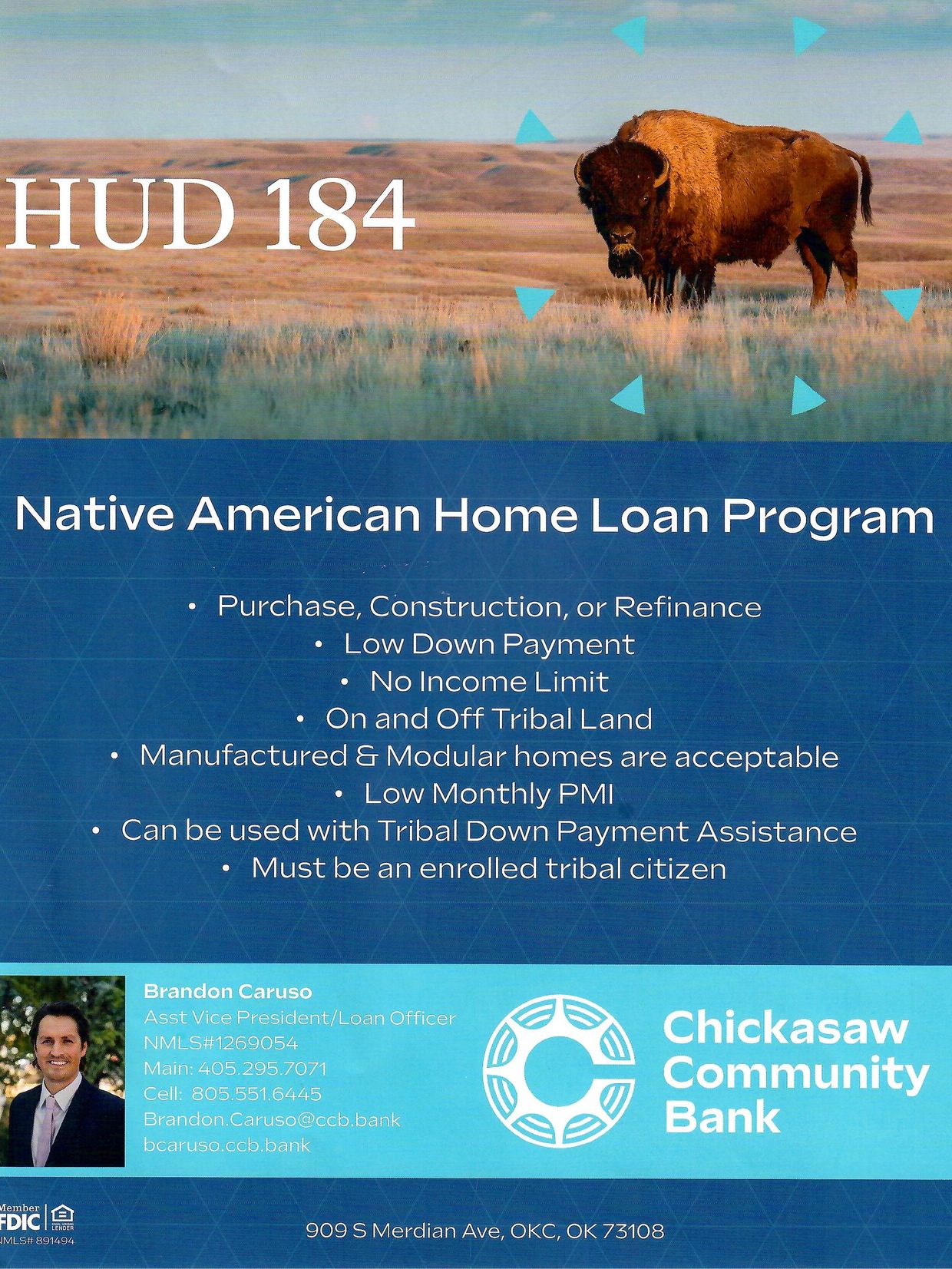
- HUD Section 184 Indian Home Loan Guarantee Program: This is arguably the most impactful and widely recognized program. Administered by the U.S. Department of Housing and Urban Development (HUD) Office of Native American Programs (ONAP), Section 184 provides a loan guarantee to approved lenders for mortgages made to eligible Native American and Alaska Native individuals, families, and tribal governments. The guarantee protects lenders from loss in case of borrower default, significantly reducing their risk and encouraging lending in areas they might otherwise avoid.
- Native American Housing Assistance and Self-Determination Act (NAHASDA) Programs: While not strictly "loans" in the traditional sense, NAHASDA grants are foundational for tribal housing development. Through the Indian Housing Block Grant (IHBG), tribes receive flexible funding to address their specific housing needs, which can include developing rental housing, providing down payment assistance, or constructing community housing projects. Many tribes leverage IHBG funds to create their own revolving loan funds or to subsidize housing development.
- Community Development Financial Institutions (CDFIs): Native CDFIs are specialized financial institutions that provide capital, credit, and financial services to communities underserved by mainstream banks. Many Native CDFIs offer a range of housing-related loans, including construction loans, development loans for multi-family projects, and individual mortgages, often with more flexible terms and a deeper understanding of tribal contexts than traditional lenders.
- USDA Rural Development Housing Programs (e.g., Section 502 Direct and Guaranteed Loans): While not exclusively for Native Americans, these programs are vital in rural tribal communities. They offer direct loans or guarantees for low- and moderate-income individuals and families to purchase or build homes in eligible rural areas, including many reservations.
- Tribal Housing Authority (THA) and Tribal Government Initiatives: Many tribal nations, empowered by NAHASDA and their inherent sovereignty, establish their own housing departments or authorities. These entities often develop their own housing programs, which can include direct loans, rental programs, lease-to-own options, and construction projects, frequently utilizing a blend of federal grants and tribal resources.
Key Features and Mechanisms

The defining characteristic of these "products" is their ability to navigate the complex land tenure systems in Indian Country, particularly trust land. Unlike fee simple land, trust land is held by the U.S. government for the benefit of individual Native Americans or tribes, complicating traditional mortgage collateral requirements. These programs often utilize leasehold interests or other specialized agreements to secure the loans, making homeownership and development possible where it otherwise wouldn’t be.
Eligibility typically extends to members of federally recognized tribes, Alaska Natives, and in some cases, tribal governments and their instrumentalities. The loans can be used for new construction, purchase of existing homes, refinancing, and rehabilitation, on and off reservation, on trust land, restricted fee land, or fee simple land.
Advantages (Pros)
The benefits of Native American home loans for community housing projects are profound and multi-faceted:
- Addressing Unique Land Tenures: This is perhaps the most significant advantage. Programs like Section 184 specifically address the challenges of trust and restricted fee land, allowing for homeownership and development where conventional loans cannot. This unlocks vast potential for housing development within tribal boundaries.
- Lower Down Payments and Flexible Underwriting: Section 184, for instance, requires very low down payments (as low as 1.25% for loans over $50,000 and 2.25% for loans under $50,000) and allows for more flexible credit requirements compared to conventional loans. This makes homeownership more accessible to tribal members who might have lower incomes or less established credit histories due to systemic economic barriers.
- Reduced Lender Risk through Guarantees: The federal guarantee component (e.g., Section 184) significantly reduces the financial risk for participating lenders. This encourages banks and financial institutions to lend in Indian Country, expanding access to capital in historically underserved areas.
- Capacity Building and Self-Determination: Programs like NAHASDA empower tribal governments to identify and address their own housing needs. This fosters self-determination, allowing tribes to design and implement culturally appropriate housing solutions that reflect their values, traditions, and community priorities. It also builds tribal capacity in housing management, construction, and finance.
- Community-Centric Development: These loans are not just about individual homeownership; they are critical for broader community housing projects. Tribes can leverage these funds (often in combination with NAHASDA grants) to develop multi-family housing, elder care facilities, youth housing, and infrastructure necessary for sustainable communities.
- Economic Impact: Housing development generates jobs, stimulates local economies, and attracts further investment. By providing stable housing, these programs contribute to improved health outcomes, better educational attainment, and greater economic stability for tribal members and the community as a whole.
- Culturally Appropriate Housing: With tribal control over development, there is a greater opportunity to design homes and communities that respect cultural norms, incorporate traditional design elements, and foster community cohesion, moving away from "one-size-fits-all" solutions.
- Long-Term Sustainability: By fostering homeownership and developing robust community housing infrastructure, these programs contribute to the long-term sustainability and resilience of tribal nations, reducing dependency and promoting economic independence.
Disadvantages (Cons)
Despite their critical importance, Native American home loans are not without their challenges and limitations:
- Bureaucratic Hurdles and Delays: Navigating federal programs often involves extensive paperwork, complex regulations, and multiple layers of approval, particularly when dealing with trust land (e.g., Bureau of Indian Affairs (BIA) lease approvals). These processes can be time-consuming, leading to significant delays in project initiation and completion.
- Limited Lender Participation: While the federal guarantee reduces risk, many mainstream lenders still lack the understanding, expertise, or willingness to engage in lending on tribal lands. This creates "lending deserts" in remote tribal areas, limiting options for borrowers and development.
- Funding Limitations and High Demand: The demand for affordable and quality housing in Indian Country far outstrips the available funding from these programs. While Section 184 has grown, the underlying need for housing and infrastructure remains immense, leaving many communities struggling to secure adequate resources.
- Infrastructure Deficiencies: Many tribal communities lack basic infrastructure – paved roads, water, sewer, and reliable electricity – which are prerequisites for housing development. Loan programs may cover housing construction, but often don’t fully address the high cost of developing or upgrading essential infrastructure, making projects more expensive and difficult to undertake.
- Capacity Gaps within Tribes: While fostering self-determination, some tribal housing authorities or governments may lack the technical expertise, project management experience, or staffing to efficiently navigate complex federal programs, manage large-scale construction projects, or administer loan programs effectively.
- Land Fractionation and Ownership Complexities: On some reservations, generations of heirship have led to highly fractionated land ownership, where a single parcel might have dozens or even hundreds of owners. This makes securing clear title for development incredibly challenging and time-consuming, even with specialized programs.
- Perceived Risk by Underwriters: Despite federal guarantees, some underwriters and appraisers may still perceive lending in Indian Country as higher risk due to a lack of familiarity with tribal legal systems, remote locations, and unique market dynamics, potentially leading to more stringent requirements or lower valuations.
- "Product" vs. "Process": These aren’t simple, off-the-shelf loans. Engaging with them requires a deep understanding of federal regulations, tribal governance, and often, extensive community planning and capacity building, making the "product" itself a complex process.
Who Is This "Product" For?
These specialized home loans are primarily designed for:
- Tribal Governments and Housing Authorities: As the primary drivers of community housing projects, these entities utilize the programs for multi-family developments, infrastructure, rental units, and to create pathways to homeownership for their members.
- Individual Native American and Alaska Native Families: Seeking to purchase, build, or rehabilitate homes on or off reservation.
- Non-Profit Developers and Housing Organizations: Partnering with tribal nations to address housing shortages and build sustainable communities.
Recommendation for "Purchase" (Engagement and Utilization)
For tribal governments, housing authorities, and partners committed to addressing the housing crisis, the "purchase" (i.e., strategic engagement and utilization) of Native American home loan programs is highly recommended and absolutely essential. These are not merely financial tools; they are instruments of sovereignty, self-determination, and community revitalization.
However, the "purchase" requires a strategic and informed approach:
- Build Internal Capacity: Invest in training and technical assistance for tribal housing staff in areas like grant writing, project management, financial literacy, and federal program compliance. Strong internal capacity is the foundation for successful project implementation.
- Strategic Planning and Needs Assessment: Conduct thorough community needs assessments and develop long-term housing plans. Understand which programs best align with specific housing goals (e.g., homeownership, rental, elder care, infrastructure).
- Forge Strong Partnerships: Actively seek out and cultivate relationships with participating lenders, Native CDFIs, non-profit housing developers, and federal agencies. These partnerships are crucial for navigating complexities and leveraging expertise.
- Leverage Multiple Funding Sources: No single program can solve the housing crisis. A successful strategy involves braiding together funds from NAHASDA, Section 184, USDA Rural Development, tribal revenues, and private investments.
- Advocate for Policy Reform and Increased Funding: Continuously advocate at federal and state levels for increased appropriations for Native American housing programs, streamlined regulations, and greater flexibility to meet tribal needs.
- Focus on Infrastructure Development: Recognize that housing cannot exist in a vacuum. Prioritize and seek funding for critical infrastructure (water, sewer, roads, broadband) alongside housing projects.
- Embrace Innovation: Explore innovative construction methods, sustainable building practices, and culturally appropriate design to maximize impact and efficiency.
Conclusion
Native American home loans, particularly the HUD Section 184 program and the broader NAHASDA framework, are indispensable tools in the ongoing effort to overcome the pervasive housing crisis in Indian Country. While they present significant challenges in terms of bureaucracy, funding limitations, and infrastructure gaps, their advantages—especially their ability to address unique land tenure issues, promote self-determination, and foster community-centric development—make them critical for the future of tribal nations.
For any entity committed to building sustainable and thriving Native American communities, these "products" are not merely an option, but a necessity. Strategic engagement, robust capacity building, and persistent advocacy are the keys to unlocking their full potential, transforming the housing landscape, and realizing the vision of healthy, prosperous, and self-sufficient tribal nations. The journey is complex, but the destination—safe, affordable, and culturally appropriate housing for all Native Americans—is profoundly worth the investment.


