
Review: HUD Section 184 Native American Home Loans for Energy-Efficient Homes
In an era increasingly defined by climate consciousness and the rising cost of living, the pursuit of energy-efficient homes has moved from a niche interest to a mainstream aspiration. For Native American individuals and families, the journey to homeownership often presents unique challenges, from navigating tribal land complexities to accessing conventional financing. Fortunately, the U.S. Department of Housing and Urban Development (HUD) Section 184 Indian Home Loan Guarantee Program offers a powerful and tailored solution. This comprehensive review will explore the HUD Section 184 loan program, specifically focusing on its advantages and disadvantages for those seeking to build, purchase, or renovate an energy-efficient home, culminating in a clear recommendation.
Understanding the HUD Section 184 Indian Home Loan Guarantee Program
The HUD Section 184 program is a unique mortgage product designed to increase homeownership opportunities for Native American and Alaska Native families, individuals, and Tribal governments. Established in 1992, it provides a federal guarantee to approved lenders, reducing their risk and making it easier for eligible borrowers to secure financing. This guarantee covers 100% of the loan, encouraging lenders to participate in a market they might otherwise find too complex.
Who is eligible?
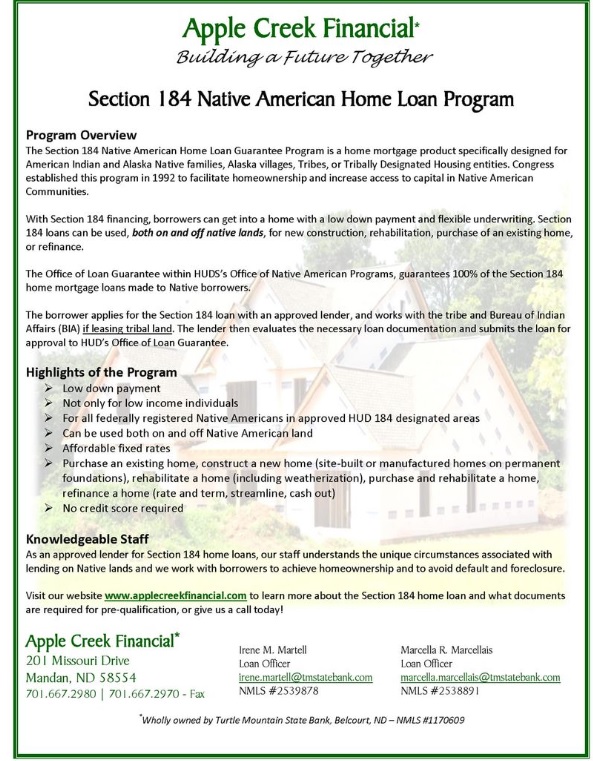
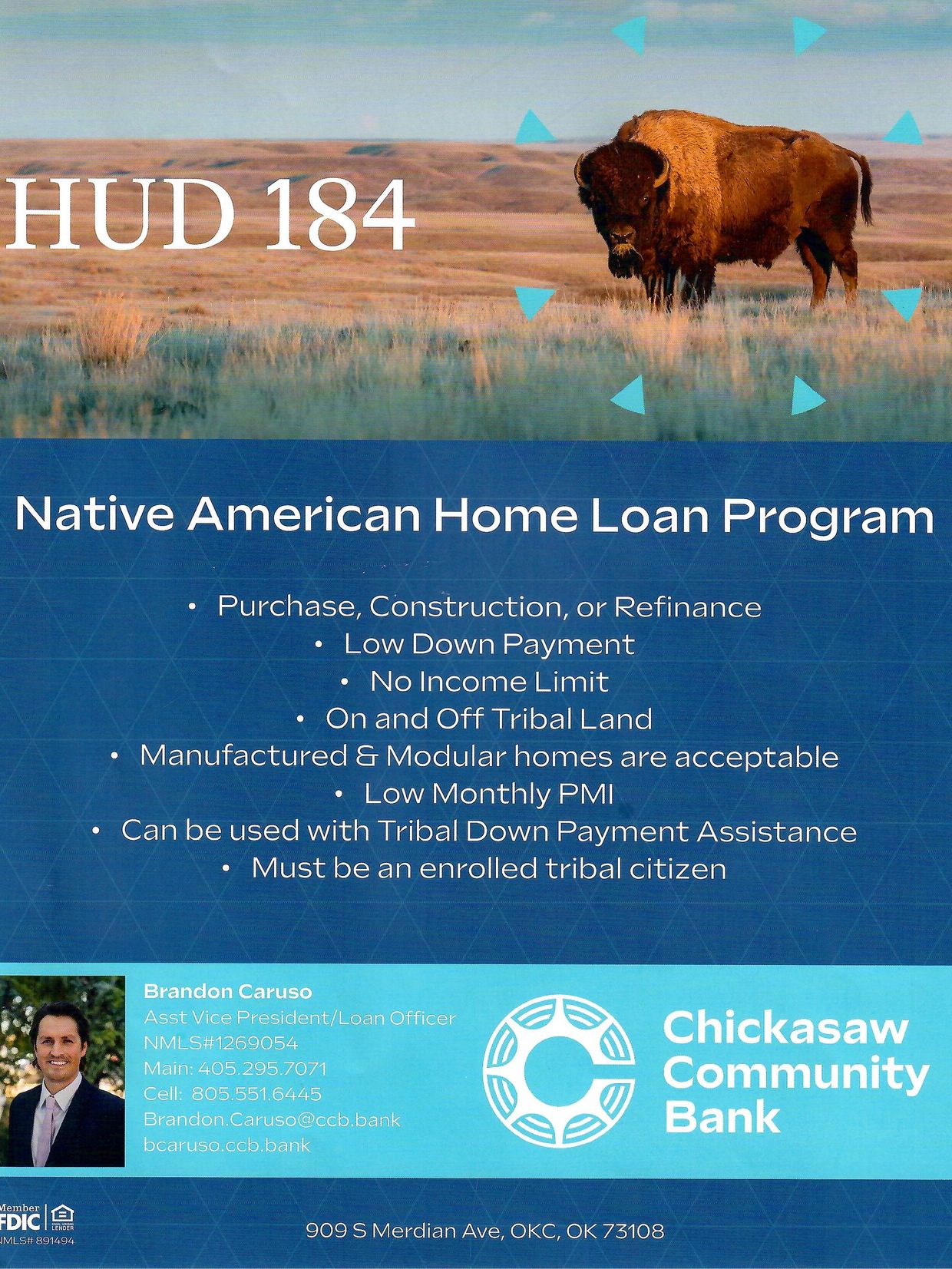
Eligibility is restricted to enrolled members of federally recognized American Indian and Alaska Native Tribes. The property must be located within an eligible area, which includes tribal trust lands, individually owned trust or restricted lands, and fee simple lands within approved areas. This flexibility is crucial, as traditional mortgage products often struggle with the unique legal status of tribal lands.
Key Features:
- Low Down Payment: Typically, only 2.25% for loans over $50,000, and 1.25% for loans under $50,000.
- Flexible Credit Guidelines: The program understands that credit histories can differ, offering more forgiving underwriting compared to conventional loans.
- Competitive Interest Rates: Rates are often comparable to, or even better than, conventional market rates.
- Mortgage Insurance Premium (MIP): A one-time upfront guarantee fee (currently 1.50% of the loan amount, which can be financed into the loan) and an annual servicing fee (0.25% of the unpaid principal balance) ensure the program’s sustainability.
- Versatility: Can be used for purchasing existing homes, new construction, rehabilitation, or even refinancing.
The Intersection: Energy Efficiency and HUD Section 184
The core strength of the HUD Section 184 program for energy-efficient homes lies in its versatility. While it doesn’t offer specific "green" loan incentives within its structure, its broad application allows borrowers to finance energy-efficient initiatives in several ways:
- New Construction of Green Homes: Borrowers can finance the construction of a new home designed from the ground up to be energy-efficient. This includes features like superior insulation, high-performance windows, efficient HVAC systems, solar panels, and sustainable building materials.
- Purchase of Existing Energy-Efficient Homes: The loan can be used to purchase a home that has already incorporated energy-saving features or holds certifications like ENERGY STAR or LEED.
- Renovation and Rehabilitation: Perhaps most powerfully, the Section 184 loan can finance the purchase of an existing home and include funds for energy-efficient upgrades. This could involve adding insulation, replacing old windows, installing a more efficient furnace or water heater, or even integrating renewable energy systems. This allows older homes to be transformed into modern, sustainable residences.
- Refinancing for Energy Upgrades: In some cases, homeowners with existing Section 184 loans (or even other loan types, if they meet eligibility) can refinance to include funds for energy-efficient improvements.
The financial benefits of an energy-efficient home are undeniable: lower monthly utility bills, increased home comfort, and a reduced carbon footprint. By making homeownership more accessible and providing the flexibility to finance these crucial upgrades, Section 184 acts as a critical enabler for Native Americans seeking sustainable living.
Advantages of HUD Section 184 for Energy-Efficient Homes
The HUD Section 184 loan program offers a compelling suite of benefits, particularly when combined with the goal of energy efficiency:
-
Reduced Upfront Financial Barrier: The low down payment requirement is a game-changer. Energy-efficient homes, especially new construction with advanced features, often come with a higher initial cost. By minimizing the down payment, Section 184 frees up more of the borrower’s capital. This extra capital can then be strategically invested in premium energy-saving materials, solar panels, or other high-efficiency systems that might otherwise be out of reach. It directly facilitates the choice of a more energy-conscious home.
-
Financing for Energy-Efficient Upgrades: Unlike many conventional loans that might require a separate home equity loan or personal loan for renovations, Section 184 allows for the cost of energy-efficient improvements to be rolled directly into the primary mortgage. This simplifies the financing process, results in a single, manageable monthly payment, and often secures a lower interest rate for the improvements than other financing options. This is a significant advantage for those looking to transform an older, less efficient home.
-
Flexible Underwriting for Broader Access: The program’s understanding of diverse financial histories among Native American populations means that individuals with less-than-perfect credit scores may still qualify. This broadens the pool of eligible homeowners who can then pursue the long-term savings and environmental benefits of an energy-efficient home. It ensures that the path to sustainability isn’t exclusive to those with pristine credit.
-
Competitive Interest Rates: Despite its unique benefits and guarantee, Section 184 loans typically offer competitive interest rates. This helps keep overall housing costs down, further enhancing the financial benefits derived from reduced energy bills. The combination of lower mortgage payments (due to competitive rates) and lower utility payments creates a powerful financial advantage.
-
Long-Term Savings and Increased Equity: Investing in energy efficiency leads to significant long-term savings on utility bills. Over the lifespan of the mortgage, these savings can amount to tens of thousands of dollars. Furthermore, energy-efficient homes tend to have higher resale values and are increasingly attractive to buyers, contributing to greater home equity. Section 184 enables access to a home that builds wealth not just through market appreciation, but also through operational cost reductions.
-
Support for Tribal Economic Development: By facilitating homeownership and promoting sustainable building practices, Section 184 contributes to the economic vitality and self-sufficiency of Native American communities. Energy-efficient homes can also reduce the strain on local power grids and promote local job creation in green building and energy sectors.
-
Community-Specific Expertise: Lenders approved for Section 184 often have specific experience and understanding of the unique aspects of lending on tribal lands, including land lease agreements and tribal housing authority requirements. This expertise can be invaluable when building or purchasing an energy-efficient home in these specific contexts.
Disadvantages of HUD Section 184 for Energy-Efficient Homes
While highly beneficial, the HUD Section 184 program does come with certain limitations and complexities that borrowers should be aware of, especially when aiming for energy efficiency:
-
Eligibility Restrictions: The most significant limitation is the strict eligibility requirement: borrowers must be enrolled members of a federally recognized American Indian or Alaska Native Tribe. This excludes many individuals who identify as Native American but whose tribes are not federally recognized, or those who are not enrolled members.
-
Limited Lender Participation: While growing, the number of lenders approved to offer Section 184 loans is still smaller than for conventional mortgages. This can limit options for borrowers, potentially leading to less competitive shopping for rates or a longer search for a suitable lender, particularly in rural areas.
-
Appraisal Challenges for Green Features: Appraising energy-efficient homes, especially those with unique or cutting-edge features (like geothermal systems or advanced smart home technology), can sometimes be challenging. Appraisers not familiar with valuing these features may undervalue them, potentially affecting the loan amount or requiring additional documentation to justify the home’s value. While this is a broader issue in the mortgage industry, it can be exacerbated in less-developed markets where Section 184 is often utilized.
-
Complexity of Land Status: Navigating the legalities of tribal trust lands, individually owned trust or restricted lands, and fee simple lands can be complex. While the program is designed to accommodate these, it can still involve additional paperwork, longer processing times, and a need for close coordination with tribal housing authorities or BIA offices. This complexity can sometimes slow down the construction or purchase of an energy-efficient home.
-
Mortgage Insurance Premium (MIP): Although the upfront guarantee fee can be financed, and the annual servicing fee is relatively low, these are ongoing costs that add to the overall expense of the loan. Unlike some conventional loans where private mortgage insurance (PMI) can eventually be canceled, the annual Section 184 servicing fee remains for the life of the loan. This slightly reduces the "net savings" from energy efficiency.
-
Perceived Slower Processing Times: Due to the additional layers of federal guarantee and tribal land considerations, some borrowers and lenders report that Section 184 loans can take longer to process than conventional loans. This can be a disadvantage in a competitive housing market or when facing tight deadlines for new construction.
-
Lack of Specific "Green" Incentives within the Loan Itself: While the loan enables energy efficiency, it doesn’t offer additional interest rate reductions or specific grants solely for energy-efficient homes within the loan program. Borrowers interested in such incentives would need to seek them out from other federal, state, or local programs, which could add another layer of complexity.
Who Is This Loan For? (Ideal Candidate)
The HUD Section 184 loan program is ideally suited for:
- Enrolled members of federally recognized Native American or Alaska Native Tribes who are seeking to achieve homeownership.
- Individuals or families who are committed to long-term financial savings and environmental sustainability through energy-efficient home design or upgrades.
- Those who may face barriers to traditional financing due to lower down payment availability or unique credit histories.
- Borrowers interested in new construction on tribal or fee simple lands, or in renovating an existing property to meet higher energy performance standards.
- Individuals willing to navigate the specific requirements associated with tribal land and government-backed loan programs.
- Those who prioritize a single, streamlined financing option that can cover both the home purchase and significant energy-efficient improvements.
Purchase Recommendation
Highly Recommended, with Strategic Planning.
For eligible Native American individuals and families aspiring to own an energy-efficient home, the HUD Section 184 Indian Home Loan Guarantee Program is an excellent and often unparalleled financial tool. Its unique structure directly addresses many of the barriers to homeownership faced by this community, while simultaneously providing the flexibility to invest in a sustainable and cost-saving future.
Here’s why it’s highly recommended and what strategic planning entails:
The program’s low down payment, flexible underwriting, and ability to roll renovation costs into the primary loan make it a powerful enabler for green homeownership. The long-term savings from reduced utility bills, coupled with the potential for increased home equity and comfort, significantly outweigh the minor disadvantages like ongoing MIP or potential processing times.
Strategic Planning for Maximum Benefit:
- Early Engagement with Lenders: Start by identifying HUD Section 184 approved lenders who have a strong track record and expertise in energy-efficient home financing. Inquire about their experience with appraisals for green features and their process for new construction or renovation loans.
- Comprehensive Energy Audit/Assessment: For existing homes, obtain a professional energy audit to identify the most impactful and cost-effective energy-efficient upgrades. For new construction, work with a builder who specializes in green building practices and can provide certifications like ENERGY STAR.
- Detailed Cost Estimates: Obtain clear, itemized cost estimates for all desired energy-efficient improvements. This will be crucial for the loan application and ensuring sufficient funds are allocated.
- Understand Land Status: Be fully aware of the land status (trust, restricted, or fee simple) where the home will be located and how it impacts the loan process.
- Leverage Additional Programs: While Section 184 doesn’t offer specific green incentives, research other federal, state, or local programs (e.g., tax credits for solar, energy efficiency rebates) that can be combined with your Section 184 loan to maximize savings and investment.
- Patience and Persistence: Be prepared for a potentially more involved application process than a conventional loan. The benefits far outweigh this, but a proactive and patient approach will be beneficial.
In conclusion, the HUD Section 184 Indian Home Loan Guarantee Program is not just a loan; it’s a bridge to opportunity, empowering Native American communities to achieve their homeownership dreams while simultaneously investing in a more sustainable and financially secure future through energy-efficient housing. For those who qualify, it stands as a robust and highly recommended pathway.


