
Building Roots on Sacred Ground: A Comprehensive Guide to Native American Home Loans for Single Parents on Reservation
The dream of homeownership is a universal aspiration, representing stability, security, and a place to nurture a family. For single parents, this dream often carries even greater weight, as they strive to provide a safe and stable environment for their children while navigating the complexities of single-income households. When this aspiration is set against the unique backdrop of a Native American reservation, the journey to homeownership takes on additional layers of cultural significance, historical context, and distinct challenges and opportunities.
This comprehensive guide delves into the world of Native American home loans specifically tailored for single parents living on reservations. We will explore the specialized programs available, dissect their advantages and disadvantages, and offer a robust recommendation framework to empower single parents in achieving the profound goal of owning a home on their ancestral lands.
The Unique Landscape: Homeownership on Native American Reservations
Before diving into specific loan programs, it’s crucial to understand the distinct environment of homeownership on Native American reservations. Unlike conventional home purchases, several factors come into play:
- Land Ownership: A primary distinction is the nature of land title. Much of the land on reservations is held in trust by the U.S. government for the benefit of tribes or individual tribal members (allotted trust land). This "trust land" cannot be directly mortgaged in the traditional sense, as it technically belongs to the federal government. Home loans on trust land typically involve a leasehold interest, where the homeowner leases the land from the tribe or the individual allottee for a long term (e.g., 50 years). Fee simple land, where the homeowner owns both the land and the structure outright, also exists on some reservations but is less common.
- Sovereignty and Tribal Laws: Native American tribes are sovereign nations, and tribal laws and regulations can influence housing development, land use, and even loan processes.
- Infrastructure Challenges: Many remote reservation communities face challenges with basic infrastructure, including access to roads, water, sewer, and electricity. This can impact property appraisals, construction costs, and even the eligibility of properties for certain loans.
- Socioeconomic Factors: Historically, Native American communities have faced significant economic disparities, including higher rates of poverty and unemployment. Single parents often grapple with limited income, credit challenges, and a lack of access to mainstream financial services.
- Cultural Significance: Homeownership on the reservation is not just about a financial asset; it’s about reconnecting with culture, community, and ancestral lands, providing a profound sense of belonging and identity for families.
These unique factors necessitate specialized loan products designed to navigate the complexities while supporting the aspirations of Native American single parents.
Key Home Loan Programs for Native American Single Parents
Several federal and tribal programs aim to address the unique housing needs on reservations. The most prominent include:
-
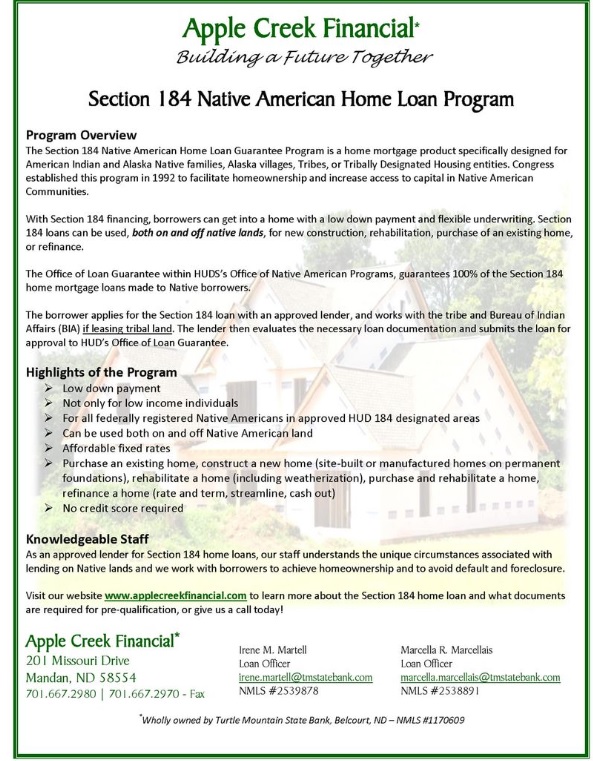
HUD Section 184 Indian Home Loan Guarantee Program:
- Overview: This is arguably the most significant and widely used program. Administered by the U.S. Department of Housing and Urban Development (HUD), Section 184 is a loan guarantee program. This means HUD doesn’t lend money directly but guarantees loans made by approved private lenders (banks, credit unions) to eligible Native American and Alaska Native individuals, tribes, and Tribally Designated Housing Entities (TDHEs). The guarantee protects lenders from loss, encouraging them to lend in areas they might otherwise avoid.
- Eligibility: Must be an enrolled member of a federally recognized tribe.
- Targeted for single parents: Its flexible underwriting guidelines, lower down payment requirements, and specific provisions for trust land make it highly suitable.
-
USDA Rural Development Housing Programs (Section 502 Direct and Guaranteed Loans):
- Overview: The U.S. Department of Agriculture (USDA) offers various programs for rural areas, including reservations. The Section 502 Single Family Housing Direct Loan Program assists low- and very-low-income applicants in obtaining safe and sanitary housing. The Section 502 Single Family Housing Guaranteed Loan Program helps moderate-income applicants obtain loans from approved lenders, with the USDA guaranteeing a portion of the loan.
- Eligibility: Income limits apply, and the property must be in a designated rural area (most reservations qualify).
- Targeted for single parents: The direct loan program, with its potential for subsidized interest rates as low as 1% and no down payment, can be a game-changer for single parents with limited income.
-
Tribal Housing Programs and Community Development Financial Institutions (CDFIs):
- Overview: Many tribes operate their own housing authorities or have partnerships with CDFIs specializing in Native American communities. These entities can offer a range of services, including:
- Down Payment Assistance: Grants or low-interest loans to cover down payments or closing costs.
- Housing Counseling: Guidance on financial literacy, credit repair, and navigating the home-buying process.
- Direct Loans: Some tribes or CDFIs offer their own loan products, often with terms tailored to local conditions.
- Rental-to-Own Programs: Pathways to homeownership for those not yet ready for a full mortgage.
- Eligibility: Varies widely by tribe or CDFI.
- Overview: Many tribes operate their own housing authorities or have partnerships with CDFIs specializing in Native American communities. These entities can offer a range of services, including:
Advantages of Native American Home Loans for Single Parents
These specialized loan programs offer numerous benefits that directly address the unique circumstances of single parents on reservations:
- Accessibility on Trust Land: The most significant advantage is the ability to finance homes on trust land through programs like Section 184. This opens up homeownership opportunities in areas where traditional mortgages are often unavailable, allowing families to stay connected to their community and cultural heritage.
- Lower Down Payment Requirements: Programs like Section 184 typically require a very low down payment (as low as 1.25% for loans over $50,000 and 2.25% for loans under $50,000). USDA Direct Loans often require no down payment at all. This is a massive benefit for single parents who often struggle to save large sums while managing daily expenses.
- Flexible Underwriting Guidelines: Section 184, in particular, has more flexible credit and debt-to-income ratio requirements compared to conventional loans. Lenders are encouraged to consider the overall financial picture of the applicant, including non-traditional credit references, which can be crucial for those with limited credit history.
- Lower Interest Rates: Both Section 184 and USDA loans often offer competitive, sometimes subsidized, interest rates, making monthly payments more affordable and sustainable for single-income households.
- Financial Stability and Security for Children: Homeownership provides a stable environment, which is paramount for children’s development. It means a consistent school, community, and support network, reducing the disruptive impact of frequent moves often associated with rental housing.
- Building Generational Wealth: Owning a home is a primary way to build equity and generational wealth. For Native American families, this can help reverse historical economic disadvantages and create a legacy for their children.
- Community Empowerment and Cultural Preservation: Homeownership on the reservation strengthens tribal communities. It allows single parents to raise their children within their cultural traditions, surrounded by family and community support, fostering a stronger sense of identity and belonging.
- Housing Counseling and Support: Many tribal housing authorities and CDFIs offer free or low-cost housing counseling, guiding single parents through the entire home-buying process, from credit repair to closing. This invaluable support can demystify a complex process.
- Home Improvement Opportunities: Some programs, like USDA Section 504, also provide grants or loans for home repairs, ensuring that single parents can maintain and improve the safety and habitability of their homes.
Disadvantages and Challenges
Despite the numerous benefits, single parents pursuing homeownership on reservations face specific challenges:
- Complex Land Title Issues: While Section 184 addresses trust land, the process of obtaining a leasehold agreement (especially for allotted land with multiple owners) can be lengthy and complex, requiring coordination with the Bureau of Indian Affairs (BIA) and multiple tribal members. This can significantly delay the loan process.
- Limited Lender Availability: Not all banks or mortgage companies are approved Section 184 lenders, or they may lack experience with trust land transactions. This can limit options and require applicants to search for specialized lenders, sometimes out of their immediate area.
- Infrastructure Deficiencies: Properties on reservations may lack adequate infrastructure (sewer, water, paved roads, reliable internet). This can impact property appraisals, increase construction costs, and even make properties ineligible for certain loan types if they don’t meet minimum standards.
- Appraisal Challenges: Appraising homes on reservations can be difficult due to a lack of comparable sales data, unique construction methods, and the complexities of land tenure. This can lead to lower-than-expected appraisals, impacting loan amounts.
- Financial Literacy and Credit Challenges: Despite flexible guidelines, single parents may still face hurdles with credit scores, managing debt, and understanding complex financial documents. A lack of accessible financial education resources can exacerbate these issues.
- Bureaucracy and Delays: Navigating federal agencies (HUD, USDA, BIA) and tribal entities can be time-consuming and involve significant paperwork, leading to frustrating delays in the loan approval and closing process.
- Limited Housing Stock: In many reservation communities, there is a severe shortage of adequate, affordable housing. This means single parents might struggle to find a suitable home that meets their family’s needs and budget, even with loan approval.
- Single Income Strain: While homeownership offers long-term stability, the initial financial strain of closing costs, moving expenses, and potential repairs can be challenging for single-income households, even with down payment assistance.
- Predatory Lending Risks: As with any financial product, there’s a risk of encountering less reputable lenders who may exploit the unique circumstances of Native American borrowers. Vigilance and seeking advice from trusted sources are crucial.
Recommendation: A Path to Homeownership for Single Parents on Reservation
For Native American single parents on reservations, the pursuit of homeownership is not just a viable option, but a highly recommended and transformative goal. The specialized programs available are designed to overcome many traditional barriers. However, success hinges on thorough preparation, diligent research, and leveraging available support systems.
Here’s a comprehensive recommendation for single parents considering this path:
1. Prioritize Financial Readiness and Education:
- Credit Repair and Building: Start by obtaining a free credit report. Work diligently to resolve any negative items and build a positive credit history. Consider a secured credit card or a credit-builder loan.
- Budgeting and Savings: Develop a strict budget to manage expenses and save for down payment, closing costs, and an emergency fund. Even with low or no down payment programs, unexpected costs can arise.
- Financial Literacy: Educate yourself on mortgages, interest rates, property taxes, insurance, and the responsibilities of homeownership. Knowledge is your greatest asset.
2. Seek Expert Guidance Early and Often:
- HUD-Approved Housing Counselors: These counselors (often found through tribal housing authorities or local non-profits) specialize in Native American homeownership. They can help with credit issues, budgeting, navigating loan options, and preparing for the application process. This is your most valuable resource.
- Tribal Housing Authority (THA): Your THA is an essential first point of contact. They can provide information on tribal-specific programs, land lease procedures, and local resources.
- Community Development Financial Institutions (CDFIs): Research CDFIs that serve Native American communities. They often provide financial education, credit counseling, and sometimes direct loan products or down payment assistance.
3. Research and Compare Loan Programs Thoroughly:
- Start with Section 184: Given its flexibility and focus on trust land, this is often the best starting point. Find approved Section 184 lenders who have experience on your specific reservation.
- Explore USDA Rural Development: If your income qualifies, the USDA 502 Direct Loan program (with its low-interest rates and no down payment) can be incredibly beneficial.
- Investigate Tribal Programs: Don’t overlook what your specific tribe offers in terms of housing assistance, grants, or partnerships.
4. Understand the Land Title Process:
- If building or buying on trust land, prepare for the complexities of obtaining a long-term lease. Work closely with your THA, the BIA, and potentially legal counsel to ensure all documentation is correctly handled and recorded. This can be the longest part of the process.
5. Build a Strong Support Network:
- Connect with other single parents who have successfully navigated homeownership on the reservation. Their experiences and advice can be invaluable.
- Lean on family and community for support, whether it’s childcare during meetings or help with home maintenance once you move in.
6. Be Patient and Persistent:
- The home-buying process, especially on a reservation, can be lengthy due to bureaucratic layers, unique land issues, and limited resources. Patience, perseverance, and a proactive approach are critical.
7. Consider New Construction vs. Existing Homes:
- If existing housing stock is limited or in poor condition, consider the option of new construction using one of the loan programs. This can allow for a home built to modern standards, but may also involve longer timelines.
8. Advocate for Your Needs:
- Don’t be afraid to ask questions, challenge assumptions, and advocate for yourself and your family throughout the process. Ensure you fully understand all terms and conditions before signing anything.
Conclusion
Homeownership for Native American single parents on reservations is a deeply meaningful and achievable goal. While the path is paved with unique challenges—from complex land titles to infrastructure limitations—the existence of specialized programs like HUD Section 184 and USDA Rural Development, coupled with the unwavering support of tribal housing authorities and CDFIs, provides a powerful framework for success.
The recommendation is not merely to "buy a home," but to embark on a journey of empowerment through education, meticulous preparation, and strategic utilization of available resources. By doing so, single parents can transcend historical barriers, secure a stable and nurturing environment for their children, and build lasting roots on sacred ground, strengthening their families, their communities, and their cultural legacy for generations to come. The dream of homeownership on the reservation is not just a possibility; it is a profound act of resilience, self-determination, and hope.


