The Hearthstone of Generations: A Deep Dive into Native American Home Loans for Multi-Generational Families
For many Native American families, the concept of "home" extends far beyond individual ownership; it embodies a profound connection to land, community, and the continuity of generations. Multi-generational living is not merely a practical arrangement but a deeply ingrained cultural value, fostering elder care, child-rearing support, cultural transmission, and shared economic stability. However, the path to homeownership, especially one that can accommodate and nurture multiple generations, has historically been fraught with unique challenges for Native communities.
Enter the specialized landscape of Native American home loans. While various conventional and government-backed options exist, programs like the Section 184 Indian Home Loan Guarantee Program, administered by the U.S. Department of Housing and Urban Development (HUD), stand out as tailor-made solutions. This article will review these vital financial instruments, examining their features, advantages, and disadvantages, specifically through the lens of multi-generational Native American families, concluding with a comprehensive recommendation.
Understanding the "Product": Native American Home Loans
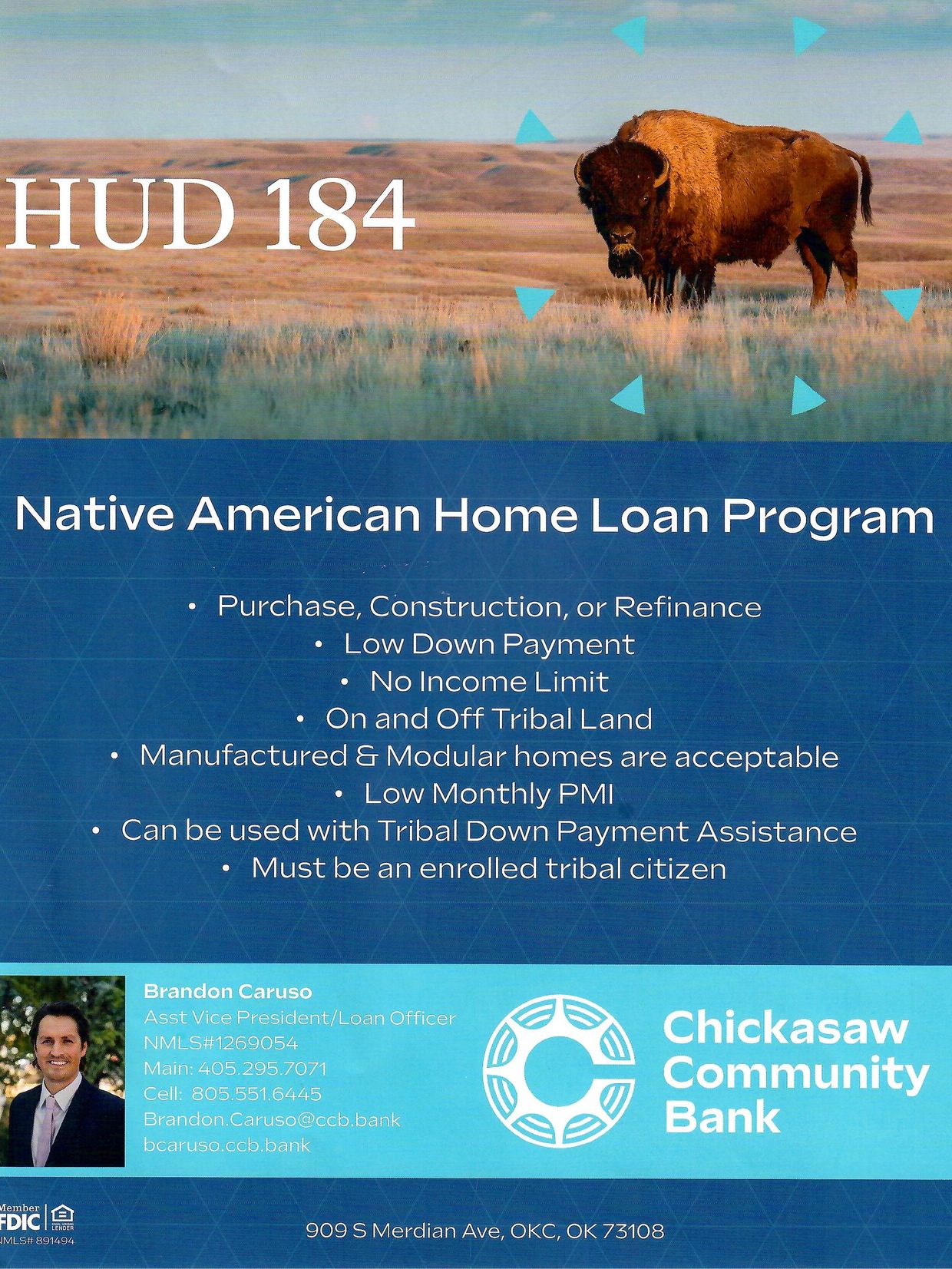
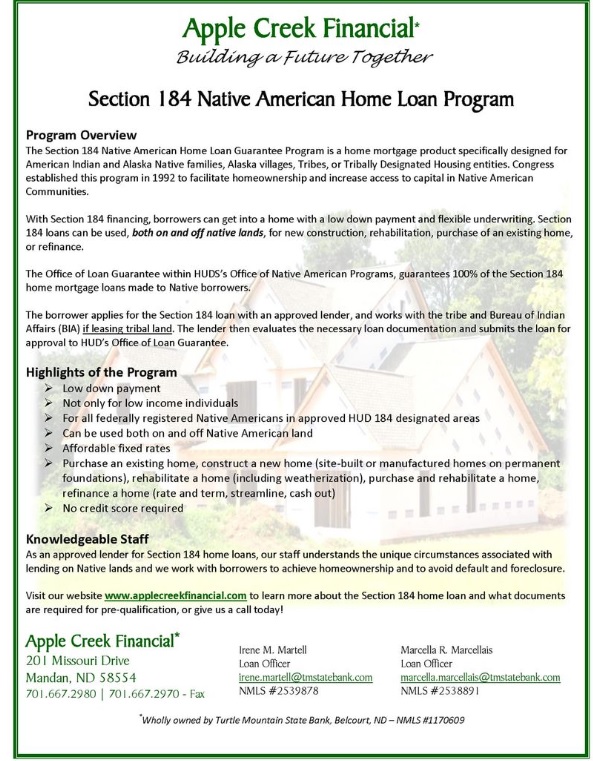
Primarily, when discussing "Native American home loans," the spotlight falls on the Section 184 Indian Home Loan Guarantee Program. Established in 1992, this program aims to increase homeownership and access to capital for Native Americans and Alaska Natives by guaranteeing mortgages made by private lenders. This guarantee mitigates risk for lenders, making them more willing to lend in Native communities, particularly on trust lands where conventional financing can be difficult due to unique land ownership structures.
Key Features of Section 184:
- Eligibility: Open to enrolled members of federally recognized tribes and Alaska Natives.
- Property Location: Loans can be used to purchase, construct, or rehabilitate homes on and off reservations, in Native villages, and in approved areas. This flexibility is crucial for families who wish to remain connected to their ancestral lands or live in nearby urban centers.
- Loan Purpose: Covers purchase of existing homes, new construction, rehabilitation, and refinancing.
- Low Down Payment: Often as low as 2.25% for loans over $50,000 and 1.25% for loans under $50,000.
- Flexible Underwriting: Lenders consider a broader range of factors beyond just credit scores, acknowledging the unique financial circumstances sometimes present in Native communities.
- Competitive Interest Rates: Often comparable to FHA loans, making them accessible.
- HUD Guarantee: Reduces risk for lenders, encouraging participation.
- No Mortgage Insurance (MI) for the life of the loan: Unlike FHA loans, Section 184 has a one-time guarantee fee, significantly reducing monthly costs over the long term.
While Section 184 is the flagship, other programs like VA Home Loans (for eligible Native American veterans) and certain USDA Rural Development loans can also be utilized. However, Section 184 remains the most specifically designed and impactful for the broader Native American population.
The Multi-Generational Imperative: A Cultural Cornerstone
For many Native American cultures, multi-generational living is the norm, not an exception. Grandparents, parents, children, and sometimes even aunts, uncles, and cousins often share a single household or live in close proximity. This arrangement offers numerous benefits:
- Elder Care: Elders receive care and companionship within the family unit, maintaining their dignity and connection.
- Child Rearing: Children benefit from multiple caregivers, a wealth of cultural knowledge, and a strong sense of identity.
- Cultural Preservation: Language, traditions, stories, and ceremonies are more easily transmitted across generations.
- Economic Stability: Shared resources, incomes, and responsibilities can ease financial burdens for all family members.
- Emotional Support: A built-in support system during times of joy and hardship.
When evaluating home loan products, multi-generational families are not just looking for a house; they are seeking a home that can accommodate these intricate relationships and support the cultural fabric of their lives for decades to come. This often means requiring larger homes, properties with potential for Accessory Dwelling Units (ADUs), or land suitable for building multiple structures.
Advantages (Kelebihan) of Native American Home Loans for Multi-Generational Families
When viewed through the lens of multi-generational Native American families, Section 184 loans offer compelling advantages:
-
Low Barrier to Entry: The low down payment requirement (1.25% or 2.25%) is a significant benefit. For multi-generational families pooling resources, this makes homeownership much more attainable, reducing the initial financial strain that can often be a hurdle for larger households. The single upfront guarantee fee instead of recurring mortgage insurance also frees up monthly cash flow.
-
Flexible Underwriting & Credit Considerations: Section 184 lenders are often more attuned to the unique financial realities within Native communities. They are typically more flexible in evaluating credit history, understanding that traditional credit reporting may not fully capture the financial responsibility of individuals in communities where cash transactions or shared resources are common. This inclusivity opens doors for families who might be shut out by rigid conventional lending standards.
-
On-Reservation and Trust Land Eligibility: This is arguably the most crucial advantage. Conventional lenders are often hesitant to finance homes on trust land due to the complexities of land ownership and foreclosure procedures. Section 184 specifically addresses this by guaranteeing loans on trust land, requiring a leasehold agreement (often 50 years, renewable) that provides the necessary security for lenders while respecting tribal sovereignty. This allows families to build or buy homes on their ancestral lands, maintaining vital cultural and community connections for present and future generations.
-
Competitive Interest Rates: Despite the unique flexibility, Section 184 interest rates are generally competitive with FHA and conventional loans, ensuring that families aren’t penalized with higher costs for utilizing a specialized program. This affordability over the loan’s lifetime is critical for multi-generational households managing shared budgets.
-
Culturally Competent Lenders: While not universally true, many lenders who specialize in Section 184 loans have a deeper understanding of Native American culture, tribal governance, and the specific needs of these communities. This cultural competence can lead to a more empathetic and efficient loan process, avoiding misunderstandings and fostering trust.
-
Support for Larger Homes/Construction: For multi-generational families, simply buying a standard 3-bedroom home might not suffice. Section 184 loans can be used for new construction, allowing families to design or build homes specifically tailored to their needs – perhaps with multiple master suites, accessible features for elders, or ample common areas. This directly supports the physical space required for shared living.
-
Long-Term Stability & Wealth Building: Homeownership, regardless of the program, is a cornerstone of wealth building. For multi-generational families, securing a home provides not only shelter but also an asset that can be passed down, creating a legacy of stability and opportunity for future generations. The equity built can serve as a future resource for education, entrepreneurship, or further housing needs.
Disadvantages (Kekurangan) of Native American Home Loans
Despite their significant advantages, Native American home loans, particularly Section 184, come with their own set of challenges:
-
Limited Lender Availability: Not all banks or mortgage companies offer Section 184 loans. Borrowers may need to seek out specialized lenders or those with a strong presence in Native communities, which can limit options and competitive shopping, especially in more rural areas.
-
Complexities of Trust Land (Even with Section 184): While Section 184 enables trust land financing, it doesn’t entirely eliminate the complexities. The process still involves tribal approval for leasehold agreements, potential BIA involvement, and additional paperwork that can prolong the closing process compared to conventional loans on fee simple land. Understanding tribal land codes and regulations is paramount.
-
Appraisal Challenges: Valuing properties on reservations or in remote Native communities can be difficult. The lack of comparable sales (comps) for unique homes or land structures, combined with the nuances of leasehold interests, can lead to appraisal delays or lower valuations than anticipated. This can impact the loan amount or require additional funds from the borrower.
-
Processing Time: Due to the additional layers of review (HUD, tribal housing authorities, BIA in some cases), Section 184 loans can sometimes take longer to process and close than conventional loans. This requires patience and proactive communication from borrowers.
-
Property Condition Requirements: Like most government-backed loans, homes financed with Section 184 must meet certain safety and habitability standards. This can be a disadvantage if a multi-generational family finds an older, more affordable home that requires significant repairs, as those repairs might need to be completed before the loan can close, or be incorporated into a rehabilitation loan, adding complexity.
-
Educational Gap: Both borrowers and sometimes even lenders may lack full understanding of the intricacies of the Section 184 program and tribal land laws. This knowledge gap can lead to confusion, delays, and frustration, emphasizing the need for robust borrower education and experienced lenders.
-
Loan Limits: While generally generous, Section 184 loans do have maximum loan limits based on county FHA limits. For very large multi-generational homes in high-cost areas, this might still present a constraint, requiring families to cover a larger gap with their own funds.
The Multi-Generational Lens: Facilitation vs. Hindrance
For multi-generational families, Native American home loans primarily act as facilitators of their housing goals:
-
Facilitation:
- Space & Legacy: Enables the purchase or construction of homes large enough to comfortably house multiple generations, fostering an environment where cultural practices and family bonds can thrive.
- Financial Stability: Low down payments and competitive rates mean less financial strain, allowing families to allocate resources towards education, healthcare, or supporting elders and children.
- Connection to Land: Crucially, it provides a pathway to live on or near ancestral lands, preserving cultural identity and community ties for all generations.
- Inheritable Asset: A home secured through these loans becomes a tangible asset for future generations, contributing to intergenerational wealth transfer and stability.
-
Hindrance (Less Direct, More Contextual):
- Bureaucratic Delays: The extended processing times can be a significant hurdle for families with urgent housing needs or those navigating complex living situations.
- Limited Housing Stock: In many Native communities, suitable housing stock, especially larger homes for multi-generational living, may be limited, making the search challenging even with financing in hand.
- Succession Planning: While the loan facilitates ownership, the subsequent complexities of multi-generational ownership (e.g., how to title the home, what happens upon the passing of a primary borrower) still require careful legal planning within the family, which the loan itself doesn’t directly address.
Who is this Product For? (Target Audience Revisited)
Native American home loans, especially Section 184, are ideally suited for:
- Enrolled members of federally recognized tribes and Alaska Natives seeking to achieve homeownership.
- Multi-generational families prioritizing a home that supports their cultural values and provides ample space for shared living.
- Families wishing to live on or near their ancestral lands (reservations, trust lands, Native villages).
- Borrowers who may have non-traditional credit histories or limited funds for a large down payment.
- Individuals or families looking for a stable, long-term housing solution that can be passed down through generations.
- Those interested in new construction or significantly rehabilitating an existing home to meet specific family needs.
Recommendation: A Resounding "Buy" with Informed Caution
For multi-generational Native American families, the Section 184 Indian Home Loan Guarantee Program is an outstanding and highly recommended product. It is arguably the most effective tool available to facilitate homeownership that respects cultural values and addresses the unique historical and economic circumstances of Native communities.
Our recommendation is a strong BUY, but with critical caveats:
- Educate Yourself Thoroughly: Before embarking on the process, invest time in understanding the Section 184 program, tribal specific housing requirements, and the nuances of trust land if applicable. HUD provides resources, and tribal housing authorities are invaluable partners.
- Find the Right Lender: Seek out lenders with proven experience in Section 184 loans and a demonstrated understanding of Native American communities. A culturally competent lender can make a significant difference in navigating complexities.
- Engage Tribal Resources: Work closely with your tribal housing department or land office. They can provide essential guidance on lease agreements, tribal specific programs (e.g., down payment assistance), and local regulations.
- Plan for the Long Term: Consider the future needs of your multi-generational family. Does the home offer space for aging elders? Can it accommodate growing children? Think about legal arrangements for shared ownership or succession to ensure the home remains a family asset for generations.
- Patience and Persistence: Be prepared for a potentially longer process than conventional loans, especially on trust land. Your patience will be rewarded with a home that is culturally and economically appropriate.
In conclusion, Native American home loans, particularly the HUD Section 184 program, are not just financial products; they are instruments of empowerment, cultural preservation, and intergenerational stability. While they demand informed participation and a degree of navigating unique complexities, their advantages in facilitating multi-generational homeownership on and off ancestral lands are unparalleled. For Native American families looking to build a hearthstone for many generations to come, these loans represent a vital and transformative opportunity.


