
Bridging the Gap: A Review of Native American Home Loans for College Graduates Returning to the Reservation
The journey of a Native American college graduate often embodies a complex tapestry of ambition, cultural connection, and a deep sense of responsibility to their community. After years spent pursuing higher education, many graduates feel a powerful pull to return to their ancestral lands, eager to contribute their newfound skills and knowledge to the betterment of their tribes. However, this return, while spiritually fulfilling, frequently comes with a significant practical hurdle: finding suitable and affordable housing on their reservation.
Conventional home loan products, designed for the mainstream market, often fall short when confronted with the unique land tenure systems and economic realities of tribal lands. This is where specialized Native American home loan programs emerge not just as financial instruments, but as vital tools for self-determination, economic development, and cultural preservation. For the college graduate eyeing a return home, these programs are the "product" that promises to transform aspiration into reality. This review will delve into the intricacies of these essential loan programs, primarily focusing on the HUD Section 184 Indian Home Loan Guarantee Program and the VA Native American Direct Loan (NADL) program, evaluating their advantages, disadvantages, and ultimately offering a recommendation for their utilization.
Understanding the "Product": What Are Native American Home Loans?
Unlike a single, uniform product, "Native American home loans" refer to a category of specialized mortgage programs designed to address the specific challenges of homeownership on Native American trust lands, restricted fee lands, and sometimes within designated tribal service areas. These programs acknowledge that the communal or restricted nature of tribal land ownership, where land is often held in trust by the U.S. government for the benefit of the tribe or individual allottees, makes it difficult for traditional lenders to secure collateral in the same way they would with fee simple land.
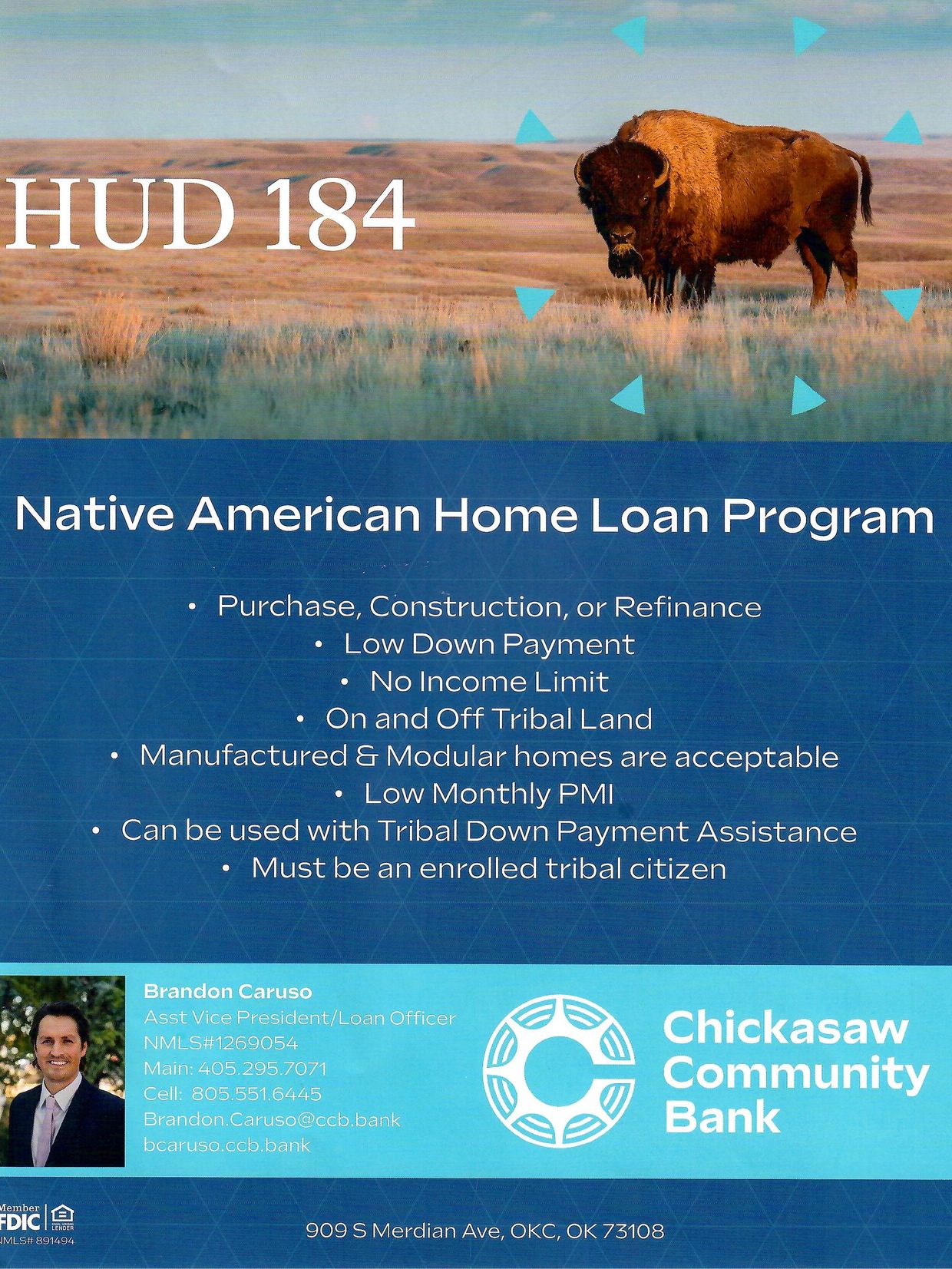
The two most prominent programs are:
- HUD Section 184 Indian Home Loan Guarantee Program: This program, administered by the U.S. Department of Housing and Urban Development’s Office of Native American Programs (ONAP), provides a loan guarantee to approved lenders, allowing them to make mortgage loans to eligible Native American and Alaska Native individuals, tribes, and Tribally Designated Housing Entities (TDHEs). This guarantee reduces the risk for lenders, making it possible for them to finance homes on land that might otherwise be unlendable.
- VA Native American Direct Loan (NADL) Program: Exclusively for eligible Native American veterans, the NADL program offers direct home loans from the Department of Veterans Affairs. It is designed to help Native American veterans purchase, construct, or improve homes on Federal Trust Land.
Beyond these federal programs, some tribal housing authorities may offer their own direct lending or down payment assistance programs, and a limited number of conventional lenders have developed specific partnerships with tribes to navigate the unique lending environment. For the college graduate, these programs represent the primary pathway to homeownership on their ancestral lands.
Advantages: The Pillars of Opportunity
For a college graduate returning to their reservation, Native American home loans offer a compelling suite of benefits that address both financial and cultural aspirations:
-
Navigating Unique Land Tenure Systems (The Core Advantage): This is the paramount benefit. Conventional mortgages struggle with trust land because lenders cannot easily foreclose or take title to land held in trust. Section 184 and VA NADL are specifically structured to overcome this, utilizing instruments like the Leasehold Mortgage or the Notice of Leasehold Interest (NLI) to secure the loan. This means graduates can finally achieve homeownership on their own tribal land, a feat often impossible with traditional financing. This capability directly supports tribal sovereignty and self-determination by allowing tribal members to build equity and wealth within their communities.
-
Favorable Loan Terms:
- Low Down Payments: Section 184 typically requires a down payment of only 2.25% for loans over $50,000 and 1.25% for loans under $50,000. VA NADL, mirroring other VA loans, often requires no down payment at all. This significantly reduces the upfront financial barrier, which is especially beneficial for recent graduates who may be managing student loan debt and building their savings.
- Flexible Credit Requirements: While a good credit history is always advantageous, these programs often have more flexible underwriting guidelines compared to conventional loans. Lenders are often more understanding of non-traditional credit histories or the challenges of building credit in rural, reservation environments.
- Competitive, Fixed Interest Rates: Both programs typically offer competitive interest rates, often fixed, providing stability and predictability in monthly payments. This protects homeowners from market fluctuations and makes long-term financial planning easier.
- Limited Mortgage Insurance: Section 184 has a one-time guarantee fee (1.5% of the loan amount, which can be financed into the loan) and an annual mortgage insurance premium (0.25% of the outstanding balance), which are generally lower than FHA mortgage insurance premiums. VA NADL, for eligible veterans, usually has no ongoing mortgage insurance.
-
Community and Cultural Preservation: By facilitating homeownership on reservations, these loans empower graduates to remain connected to their cultural heritage, language, and family. Their return can help combat "brain drain" by retaining educated talent within the community, fostering economic development, improving social services, and contributing to a vibrant tribal future. Homeownership provides stability, encourages civic engagement, and strengthens the social fabric of the reservation.
-
Wealth Building and Intergenerational Equity: Owning a home is a primary vehicle for building intergenerational wealth. These loans enable tribal members to accrue equity, which can be leveraged for future investments, education, or passed down to future generations, addressing historical disparities in wealth accumulation within Native communities.
-
Support and Understanding: Lenders approved for Section 184 and VA NADL are specifically trained to understand the nuances of tribal land and tribal law. This specialized knowledge can make the application and closing process smoother, as they are equipped to navigate the BIA (Bureau of Indian Affairs) approvals and tribal lease agreements required. Furthermore, HUD and VA offer resources and counseling specifically tailored to Native American borrowers.

Disadvantages: Navigating the Complexities
While the advantages are substantial, Native American home loans are not without their complexities and potential drawbacks, which graduates must carefully consider:
-
Complex Application and Approval Process:
- Tribal Verification: Applicants must provide proof of enrollment in a federally recognized tribe, which can sometimes be a lengthy process if documentation is not readily available.
- Land Lease Agreements: For homes on trust land, a long-term lease agreement (often 50 years, renewable) between the homeowner and the tribe or individual allottee is required. This lease must be approved by the BIA, adding an additional layer of bureaucracy and potential delays.
- BIA Involvement: The BIA’s role in approving leases and other land-related documents can introduce significant processing times, which can be frustrating in a time-sensitive real estate transaction.
- Limited Comparables for Appraisals: Appraising homes on reservations can be challenging due to a lack of comparable sales (comps) for properties on trust land. This can sometimes lead to lower appraisals than expected, affecting the loan amount or requiring the borrower to cover a gap.
-
Limited Lender Pool: While the programs are national, the number of lenders actively participating in Section 184 or VA NADL can be limited in certain geographic areas. This can restrict options for borrowers and potentially lead to less competitive terms than if there were a wider array of lenders. Graduates may need to seek out specialized mortgage brokers or larger national lenders with dedicated Native American lending divisions.
-
Geographical and Land Use Restrictions: These loans are primarily designed for homes on trust or restricted fee land. While Section 184 can also be used for homes on fee simple land within tribal service areas, the primary advantage lies in financing homes where conventional loans cannot. This means graduates looking to purchase outside these specific land designations may find themselves better served by conventional or FHA loans.
-
Property Value and Appreciation Challenges:
- Slower Appreciation: Due to the unique land tenure, lack of readily available market data, and often less robust local economies, homes on reservations may appreciate at a slower rate compared to properties in surrounding fee simple markets. This can impact equity growth.
- Resale Difficulties: Selling a home on trust land can be more challenging, as the buyer pool is limited to other eligible tribal members or entities, and the land lease must be transferred or renegotiated. This can affect liquidity and the ease of moving or selling the asset.
-
Infrastructure and Development Gaps: Many reservations, particularly in rural areas, may have less developed infrastructure (roads, utilities, internet access) compared to off-reservation communities. While not a direct loan disadvantage, it’s an environmental factor that impacts the overall homeownership experience and the desirability of certain properties. New construction might be necessary, which comes with its own set of challenges.
-
Potential for High Debt Burden: While the low down payments are attractive, college graduates often carry significant student loan debt. Adding a mortgage, even with favorable terms, requires careful financial planning to ensure overall debt-to-income ratios remain manageable and sustainable. Financial literacy and counseling are crucial.
Recommendation: A Strategic "Buy" for the Right Candidate
For the Native American college graduate committed to returning to their reservation and contributing to their community, these specialized home loan programs are not just a recommended "buy," but often the only viable and strategic pathway to homeownership. They represent an essential bridge over historical and systemic barriers that have long prevented tribal members from building wealth and stability on their own lands.
However, the recommendation comes with crucial caveats and a strong emphasis on due diligence:
- Educate Yourself Thoroughly: Before embarking on the application process, graduates should invest time in understanding the specifics of HUD Section 184, VA NADL (if applicable), and any tribal-specific programs. Attend workshops, consult with tribal housing authorities, and speak to community members who have utilized these loans.
- Financial Preparedness: While credit requirements are flexible, a strong credit history and stable employment will always lead to better terms and a smoother process. Graduates should focus on managing their student loan debt responsibly and building an emergency fund. Seek pre-qualification to understand your borrowing power.
- Patience and Persistence: The application process, especially involving BIA approvals for land leases, can be lengthy and require patience. Be prepared for potential delays and maintain open communication with your lender and tribal housing office.
- Long-Term Vision: Understand the unique aspects of homeownership on trust land, including potential differences in property appreciation and resale. This is a long-term investment, not just in a house, but in a community and a future.
- Utilize Available Resources: Connect with tribal housing departments, HUD ONAP offices, and VA loan specialists. These resources are designed to help you navigate the complexities and can provide invaluable guidance.
Who benefits most from this "product"?
- College graduates who have a strong desire and commitment to live and work on their reservation.
- Individuals who understand and respect the unique legal and cultural frameworks of tribal land.
- Veterans who are members of federally recognized tribes, as the VA NADL offers exceptional benefits.
- Those with stable employment or a clear career path within the tribal community.
In conclusion, Native American home loan programs are more than just financial products; they are instruments of empowerment. They allow educated tribal members to return home, plant roots, and invest in the future of their people. While the journey may be complex, the destination—a home on ancestral land, contributing to a vibrant community—is an invaluable return on investment, making these programs an indispensable resource for the next generation of tribal leaders and innovators. For the right candidate, armed with knowledge and determination, the "purchase" of a Native American home loan is a resounding affirmation of self-determination and a step towards a stronger, more prosperous tribal future.


