Building Futures: A Review of Credit Unions for Native American Home Loans in South Dakota
Homeownership represents stability, wealth building, and a vital connection to community and land. For Native American individuals and families in South Dakota, the path to homeownership can be uniquely complex, intertwining with federal programs, tribal sovereignty, and the specific dynamics of reservation lands. While many financial institutions offer home loans, credit unions often stand out as particularly well-suited partners due to their community-centric mission, member-owned structure, and local understanding.
This comprehensive review will explore the landscape of credit unions offering home loans to Native Americans in South Dakota, examining the unique advantages and disadvantages they present, and providing a robust recommendation for individuals embarking on this significant journey.
Understanding the Unique Landscape: Native American Homeownership in South Dakota
South Dakota is home to nine federally recognized Sioux tribes, with significant populations residing on reservations such as Pine Ridge, Rosebud, Cheyenne River, Standing Rock, Yankton, Sisseton-Wahpeton, and Flandreau Santee. These communities often face distinct challenges in securing conventional home financing:

- Trust Land Status: Much of the land on reservations is held in trust by the U.S. government for the benefit of tribes or individual tribal members. This unique ownership structure can complicate traditional mortgage lending, as lenders cannot easily foreclose or secure collateral in the same way they would with fee simple land.
- Infrastructure Gaps: Many reservation communities still lack adequate infrastructure, including paved roads, water, sewer, and broadband internet, which can impact property values and lender willingness.
- Appraisal Challenges: Valuing homes on trust land can be difficult due to limited comparable sales data and the unique legal framework.
- Historical Disparities: Generations of economic hardship, limited access to capital, and discriminatory practices have contributed to lower credit scores and less established financial histories for many Native Americans.
Recognizing these challenges, federal programs have been established to facilitate homeownership for Native Americans:
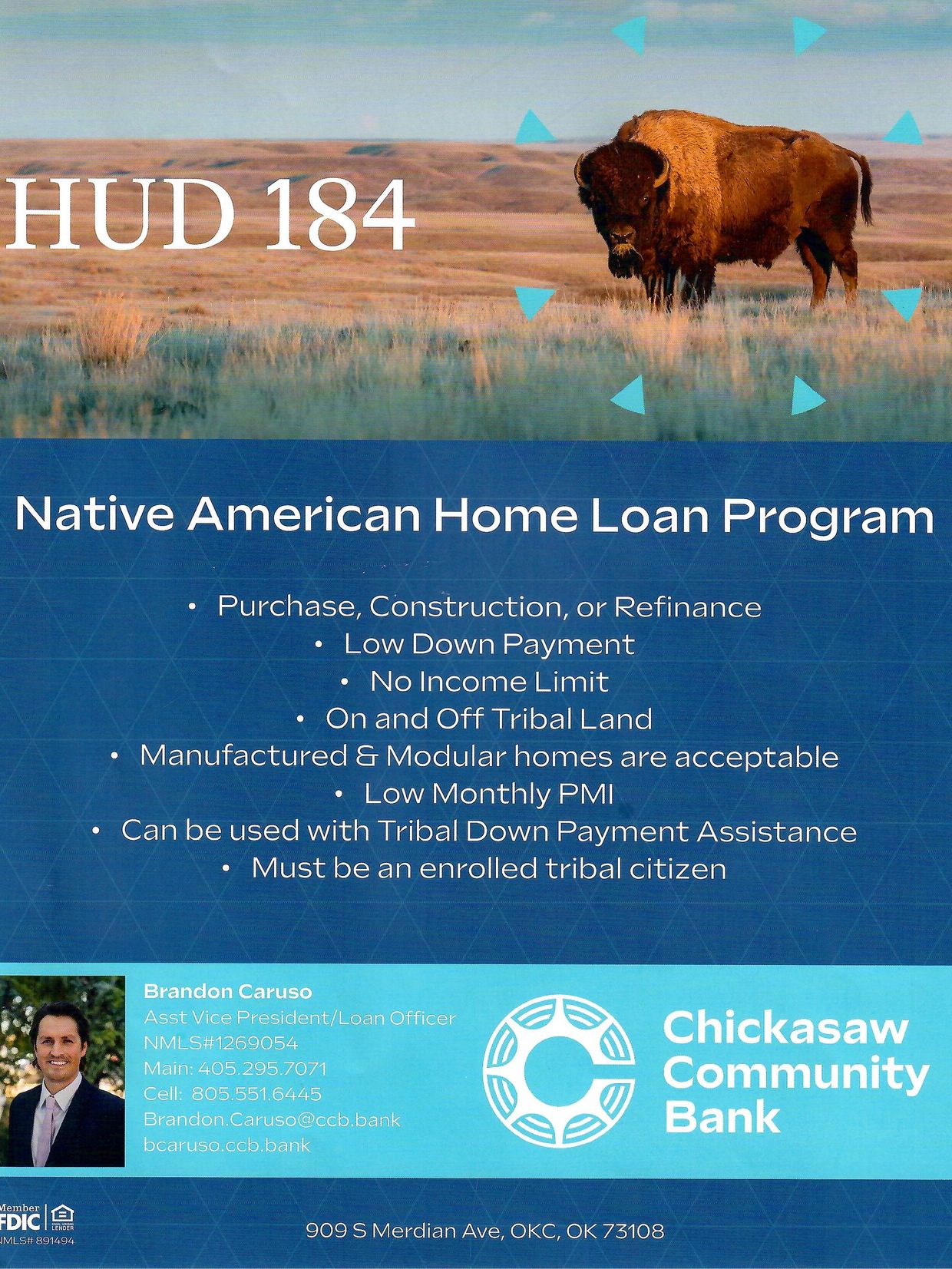
- Section 184 Indian Home Loan Guarantee Program (HUD): This is the cornerstone program, specifically designed for Native American and Alaska Native families. HUD guarantees mortgages made by private lenders on trust land, restricted land, and even fee simple land within reservation boundaries or eligible areas. This guarantee significantly reduces risk for lenders, making loans more accessible. Key benefits include low down payment requirements, flexible underwriting, and a focus on tribal communities.
- Native American Housing Assistance and Self-Determination Act (NAHASDA): While not a direct loan program, NAHASDA provides block grants to tribes and Tribally Designated Housing Entities (TDHEs) to address diverse housing needs, including housing development, rehabilitation, and down payment assistance programs for tribal members.
- USDA Rural Development Home Loan Programs (e.g., Section 502 Direct and Guaranteed): While not exclusively for Native Americans, these programs are highly relevant given the rural nature of many reservations. They offer low-to-no down payment options and flexible credit requirements for low-to-moderate income borrowers in eligible rural areas.

For a financial institution to be truly effective in serving Native American home loan applicants in South Dakota, a deep understanding of these programs and the cultural context is paramount. This is where credit unions often shine.
Why Credit Unions? The "Product" in Review
Credit unions are member-owned, not-for-profit financial cooperatives. This fundamental difference often translates into a distinct approach to lending, particularly beneficial for niche markets like Native American home loans.
Pros of Credit Unions for Native American Home Loans in South Dakota:
- Community-Centric Mission and Local Understanding: Credit unions are inherently focused on serving their members and the local community. For Native American communities, this often means a greater willingness to understand the unique challenges of reservation life, tribal governance, and cultural nuances. They are more likely to invest time in educating members and navigating complex situations.
- Experience with Section 184 Loans: Many South Dakota credit unions that operate near or within reservation boundaries have proactively sought and gained approval as Section 184 lenders. This expertise is crucial, as the program’s nuances require specialized knowledge from application to closing. They understand the tribal certifications, land lease agreements, and other unique documentation.
- Personalized Service and Financial Education: Unlike larger, often more impersonal banks, credit unions pride themselves on personalized service. This can be invaluable for first-time homebuyers or those with less traditional credit histories. They are more likely to offer one-on-one counseling, financial literacy workshops, and credit repair guidance, helping members prepare for homeownership.
- Potentially Lower Rates and Fees: As non-profits, credit unions typically reinvest their profits back into their members through lower interest rates on loans, higher savings rates, and fewer fees compared to for-profit banks. This can lead to significant savings over the life of a mortgage.
- Flexibility in Underwriting: While adhering to federal guidelines, credit unions often have more flexibility in their underwriting processes for conventional loans. For instance, they may be more willing to consider alternative credit data (e.g., rent payments, utility bills) or work with borrowers to improve their credit scores over time.
- Accessibility and Relationships with Tribal Entities: Many credit unions in South Dakota have established relationships with Tribal Housing Authorities and other tribal organizations. These relationships can streamline the loan process, facilitate communication, and provide additional resources for applicants.
- Down Payment and Closing Cost Assistance Awareness: Credit unions are often well-versed in local, state, and tribal programs that offer down payment or closing cost assistance, helping members leverage all available resources.
Cons of Credit Unions for Native American Home Loans in South Dakota:
- Limited Branch Network: Compared to national banks, credit unions often have a smaller geographical footprint. While many offer robust online services, a limited number of physical branches, especially in very remote reservation areas, can be a disadvantage for some members.
- Membership Requirements: To join a credit union, individuals must meet specific eligibility criteria, such as living in a particular county, working for a certain employer, or being part of an associated group. While many South Dakota credit unions have broad community-based eligibility, it’s an initial step not required by banks.
- Potentially Smaller Loan Portfolios: While many credit unions can handle standard mortgage sizes, for very large or highly complex custom home construction projects, some smaller credit unions might have limitations compared to large national lenders with vast capital reserves.
- Less Aggressive Marketing: Credit unions typically spend less on marketing than large banks. This means borrowers might need to be more proactive in seeking out credit unions that specialize in Native American home loans and Section 184 programs, as their expertise may not be immediately apparent.
- Varying Expertise: While many credit unions can offer Section 184 loans, the level of expertise can vary. Some may have dedicated loan officers who are highly experienced, while others may process them less frequently. It’s crucial for applicants to ask specific questions about the loan officer’s experience.
Spotlight on South Dakota Credit Unions (Examples, Not Exhaustive List of "The Best"):
Identifying a singular "best" credit union is challenging, as the ideal choice often depends on an individual’s specific location, financial situation, and needs. However, several credit unions in South Dakota are known for their strong community ties and likely ability to serve Native American home loan applicants, particularly those near or within reservation territories. It is imperative for applicants to conduct their own due diligence and speak directly with loan officers.
-
Black Hills Federal Credit Union (BHFCU):
- Reach: One of the largest credit unions in South Dakota, with branches across Western and Central SD, including areas bordering the Pine Ridge, Cheyenne River, and Rosebud Reservations.
- Potential Strengths: Extensive resources, likely experience with Section 184 (given their regional presence), a wide array of loan products, and community involvement. Their size suggests they have the infrastructure to support complex lending.
- Considerations: With many members, personalized attention might require proactive engagement, but their local presence is a significant advantage.
-
Service First Federal Credit Union:
- Reach: Branches primarily in Eastern and Central South Dakota, including Sioux Falls and Rapid City, with a strong presence in regions near reservations like Flandreau Santee and parts of Yankton.
- Potential Strengths: Strong commitment to member service, competitive rates, and a history of community engagement. Their presence in larger cities makes them accessible to a broad population.
- Considerations: Applicants from more remote western reservations might find their branch network less convenient, though online services bridge some gaps.
-
Voyage Federal Credit Union:
- Reach: Primarily serving the Sioux Falls area and surrounding communities in Eastern SD.
- Potential Strengths: Member-focused approach, potentially strong financial education programs, and a commitment to helping members achieve financial goals.
- Considerations: Geographic reach is more limited to the eastern part of the state, making it less direct for those on western reservations. However, for those in their service area, they are a strong local option.
-
Dakotaland Federal Credit Union:
- Reach: Serves a broad area across Central South Dakota, with branches in communities like Huron, Miller, Redfield, and other towns. This geographic spread places them near several tribal lands.
- Potential Strengths: Strong rural presence, which aligns well with many reservation communities. Their local focus likely translates to a good understanding of regional economic conditions and housing needs.
- Considerations: Expertise in Section 184 should be explicitly confirmed, but their community model is a good fit.
-
Oahe Federal Credit Union:
- Reach: Primarily serves the Pierre and Fort Pierre areas, situated centrally in the state and relatively close to the Cheyenne River and Lower Brule Reservations.
- Potential Strengths: Deep local roots and strong community ties in a region with significant Native American populations. Their localized knowledge can be a major asset.
- Considerations: Smaller than some other credit unions, so inquiring about specific loan officer experience with Section 184 is important.
Key Recommendation for Selection:
The "best" credit union is the one that best meets your individual needs. Here’s a recommendation for how to approach your decision:
- Prioritize Section 184 Experience: This is non-negotiable. Always ask if the credit union is an approved Section 184 lender and how many such loans they process annually. Ask to speak with a loan officer who specializes in this program.
- Inquire About Tribal Relationships: Does the credit union have established working relationships with the housing authority or tribal government of your specific tribe or the reservation you intend to build/buy on? This can smooth out the process.
- Assess Financial Education and Support: For first-time homebuyers, or those working to improve their financial standing, a credit union that offers robust financial literacy, credit counseling, and pre-purchase education can be invaluable.
- Compare Rates and Fees: While credit unions generally offer competitive rates, always compare interest rates, origination fees, and closing costs from multiple lenders.
- Consider Geographic Convenience: While online banking is prevalent, having a local branch or a loan officer you can meet in person can be a significant comfort, especially during a complex process like securing a home loan.
- Seek Testimonials and Referrals: Ask around within your community, tribal housing authority, or even other tribal members who have successfully purchased homes. Personal referrals can be highly informative.
- Understand Membership Requirements: Ensure you meet the eligibility criteria to join the credit union.
Conclusion
For Native American individuals and families in South Dakota dreaming of homeownership, credit unions represent a powerful and often ideal partner. Their member-owned structure, community focus, potential for personalized service, and growing expertise in specialized programs like Section 184 make them strong contenders against traditional banks.
While challenges remain in navigating the unique landscape of trust lands and historical disparities, the right credit union can act as a dedicated guide, providing not just a loan, but also education, support, and a pathway to building lasting wealth and stability within tribal communities. The journey to homeownership is a significant one, and by carefully evaluating the pros, cons, and specific capabilities of credit unions in South Dakota, Native Americans can make an informed decision that empowers them to build their futures, one home at a time. The recommendation is clear: proactively engage with credit unions, prioritize those with proven Section 184 experience and local understanding, and leverage their community-driven approach to secure a place to call home.


