Navigating the Rapids: Best Options for Refinancing a Manufactured Home on Tribal Land
Refinancing a manufactured home can be a complex endeavor under the best of circumstances. Add the unique legal and jurisdictional landscape of tribal land, and the process can seem like navigating a labyrinth. However, for Native American homeowners on reservations, or those seeking to purchase a manufactured home there, understanding the specific avenues available for refinancing is crucial for securing better loan terms, lowering monthly payments, or accessing home equity.
This comprehensive guide will delve into the best options for refinancing a manufactured home on tribal land, exploring the intricacies, benefits, drawbacks, and offering actionable recommendations to empower homeowners in their financial journey.
Understanding the Unique Landscape: Why Refinancing on Tribal Land is Different
Before diving into specific loan programs, it’s essential to grasp the fundamental reasons why refinancing on tribal land presents distinct challenges:

-
Land Tenure Complexity: Most tribal lands are held in trust by the U.S. government for the benefit of individual Native Americans or the tribe itself. This means homeowners typically don’t own the land outright (fee simple) but rather have a leasehold interest.
- Trust Land: Owned by the federal government in trust for a tribe or individual.
- Allotted Land: A specific parcel of trust land assigned to an individual Native American.
- Fee Simple Land on Reservation: Less common, but some land within reservation boundaries may be privately owned outright.
This distinction is critical because lenders typically prefer to secure loans with both the home and the land as collateral, which is complicated by trust status.
-
Bureau of Indian Affairs (BIA) Involvement: Any lease or land use agreement on trust land must be approved by the BIA, adding an additional layer of bureaucracy and potential delays to the process.
-
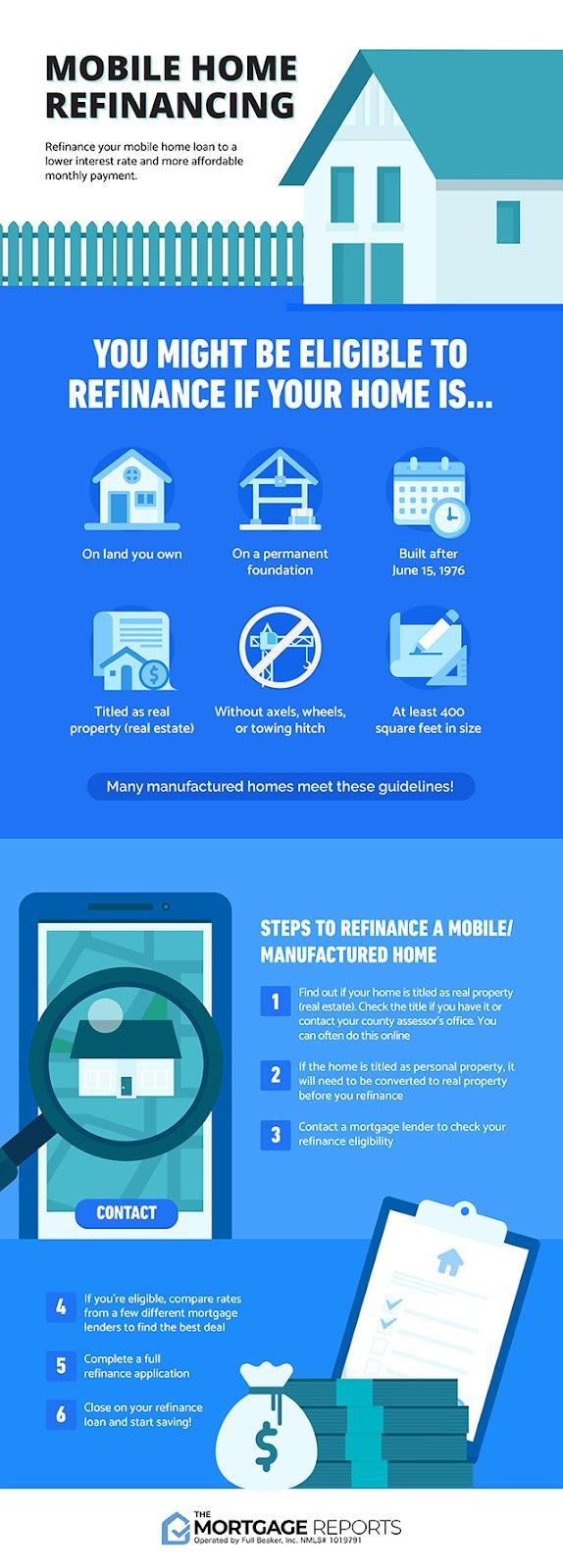
Manufactured Home Specifics: Manufactured homes, especially older ones, can depreciate differently than site-built homes. Their classification (chattel – personal property – vs. real property) depends on whether they are permanently affixed to a foundation and if the title has been "retired" or "converted" to real property. Refinancing a chattel loan (home only) is inherently different from refinancing a real property loan (home and land).
-
Lender Reluctance: Many conventional lenders are unfamiliar with tribal land regulations, perceive higher risk, or lack the necessary infrastructure to navigate BIA approvals and tribal legal frameworks. This limits the pool of available lenders.

The Best Options for Refinancing
Given these complexities, specific programs and specialized lenders offer the most viable pathways for refinancing manufactured homes on tribal land.
1. The Section 184 Indian Home Loan Guarantee Program (Tribal HUD-184)
Overview: The HUD Section 184 program is a cornerstone for Native American housing finance. It’s designed to provide mortgage loan guarantees for Native Americans and Alaska Natives who wish to purchase, construct, or refinance homes on tribal trust land, allotted land, or fee simple land within reservation boundaries. It’s explicitly tailored to the unique legal and cultural landscape of tribal communities.
How it Works for Refinancing:
- Rate and Term Refinance: Allows homeowners to get a lower interest rate or change their loan term (e.g., from 30 years to 15 years).
- Cash-Out Refinance: Allows homeowners to access equity in their home for other purposes (e.g., home improvements, debt consolidation). The maximum loan amount is typically 97.75% of the appraised value for a cash-out refinance.
Pros:
- Specifically Designed for Tribal Land: The program directly addresses the complexities of land tenure on reservations, making it the most suitable option. Lenders approved for Section 184 are familiar with BIA leases and tribal regulations.
- Lower Interest Rates: Often offers competitive interest rates, sometimes lower than conventional loans.
- Flexible Underwriting: Generally has more flexible credit and income requirements compared to conventional loans.
- Low Down Payment (for purchase, less relevant for refinance but reflects program flexibility): While refinancing, this speaks to the program’s overall accessibility.
- Cash-Out Option Available: Provides a valuable way to leverage home equity.
- No Mortgage Insurance on Refinances (if original loan was 184): If you’re refinancing an existing 184 loan, you likely won’t need new mortgage insurance. If it’s a new 184 loan, there’s a one-time upfront fee and an annual fee, but it’s typically lower than FHA.
Cons:
- Limited Lender Pool: While growing, not all mortgage lenders offer Section 184 loans. You’ll need to find a HUD-approved Section 184 lender.
- BIA Lease Approval: Requires BIA approval of the lease, which can add time to the closing process.
- Program Specific Requirements: Borrowers must be an enrolled member of a federally recognized tribe or Alaska Native village.
- Manufactured Home Requirements: The manufactured home must be permanently affixed to a foundation and meet HUD minimum property standards.
Recommendation: The Section 184 program is almost always the top recommendation for refinancing a manufactured home on tribal land due to its explicit design for this unique context. Start by identifying HUD-approved Section 184 lenders.
2. FHA Loan Programs
Overview: The Federal Housing Administration (FHA) insures loans made by approved lenders, reducing the risk for lenders and allowing them to offer more favorable terms, especially for borrowers with less-than-perfect credit or lower down payments. FHA offers two main types relevant to manufactured homes:
- FHA Title I: Loans for manufactured homes only (chattel loans).
- FHA Title II: Loans for manufactured homes that are permanently affixed to land and considered real property.
How it Works for Refinancing:
- Rate and Term Refinance: Both Title I and Title II can be used to refinance existing FHA loans or other types of loans.
- Cash-Out Refinance: FHA Title II offers a cash-out option, typically up to 80-85% of the appraised value. FHA Title I is generally limited to rate and term refinancing for manufactured homes not considered real estate.
Pros:
- More Flexible Credit Requirements: FHA loans are known for being more accessible to borrowers with lower credit scores.
- Competitive Interest Rates: Often offers favorable interest rates.
- Lower Closing Costs: Sometimes has lower upfront costs compared to conventional loans.
- Streamline Refinance Options: If you already have an FHA loan, a streamline refinance can be a quicker process with less paperwork.
Cons:
- Mortgage Insurance Premiums (MIP): FHA loans require both an upfront MIP and an annual MIP, which adds to the total cost of the loan and is generally more expensive than the Section 184 program’s fees.
- Manufactured Home Age/Condition: FHA has strict requirements for manufactured homes, including age limits (often 10-20 years old, depending on the lender), condition, and permanent foundation.
- Land Tenure Challenges (Title II): For Title II loans (home and land), the land tenure on tribal land remains a significant hurdle. Lenders must be comfortable with the leasehold interest and BIA approvals, which can be a deal-breaker for many. Title I loans avoid this by only covering the home, but they come with shorter terms and higher interest rates.
- Limited Lenders for Tribal Land: Similar to Section 184, finding an FHA-approved lender willing to navigate the tribal land complexities is crucial.
Recommendation: FHA loans can be a viable option, especially if you have an existing FHA loan or if you struggle to qualify for Section 184. However, the land tenure issue for Title II loans and the added cost of MIP make it generally less favorable than Section 184 for homes on trust land. For chattel manufactured homes not permanently affixed, FHA Title I might be one of the few options, but be prepared for shorter terms and higher rates.
3. VA Loan Programs (for Eligible Veterans)
Overview: The Department of Veterans Affairs (VA) guarantees home loans for eligible service members, veterans, and surviving spouses. VA loans are renowned for their zero down payment option (for purchase) and competitive interest rates.
How it Works for Refinancing:
- Interest Rate Reduction Refinance Loan (IRRRL): A "streamline" refinance for existing VA loan holders, often requiring less paperwork.
- Cash-Out Refinance: Allows veterans to access home equity, even if they don’t currently have a VA loan. Can refinance up to 100% of the home’s value (for cash-out, typically 90%).
Pros:
- No Mortgage Insurance: This is a significant cost saving compared to FHA or conventional loans.
- Competitive Interest Rates: VA loans typically offer some of the lowest interest rates available.
- Flexible Credit Requirements: Generally more forgiving than conventional loans.
- Cash-Out Option: A powerful tool for accessing equity.
Cons:
- Eligibility Restricted: Only available to eligible veterans, active-duty service members, and certain surviving spouses.
- Land Tenure Challenges: Like FHA Title II, VA loans require the property to be real estate. The land tenure on tribal trust land is a major obstacle for many VA lenders. The VA does have specific guidance for loans on Native American Trust Land, but finding lenders willing and able to execute this can still be difficult.
- Manufactured Home Requirements: The manufactured home must be permanently affixed to a foundation and meet VA minimum property requirements.
- VA Funding Fee: Most VA loans require a funding fee, which can be financed into the loan. This fee is waived for veterans receiving VA disability compensation.
Recommendation: If you are an eligible veteran, a VA loan offers significant advantages (no MIP, low rates). However, the critical hurdle remains finding a VA-approved lender experienced with tribal land transactions and comfortable with the BIA lease process. If you can find such a lender, it’s a very strong option.
4. Conventional Loans
Overview: Conventional loans are offered by private lenders (banks, credit unions, mortgage companies) without government backing. They typically adhere to stricter underwriting guidelines set by Fannie Mae and Freddie Mac.
How it Works for Refinancing:
- Rate and Term Refinance: To secure a better rate or term.
- Cash-Out Refinance: To access home equity.
Pros:
- Wide Availability: Many lenders offer conventional loans, but this doesn’t necessarily translate to tribal land.
- Flexible Loan Terms: More options for loan durations (e.g., 10, 15, 20, 30 years).
- No Mortgage Insurance (with 20%+ equity): If you refinance with at least 20% equity, you can avoid Private Mortgage Insurance (PMI).
Cons:
- Strict Underwriting: Generally requires higher credit scores, lower debt-to-income ratios, and a more substantial equity stake.
- Major Land Tenure Obstacle: This is the biggest challenge. Most conventional lenders are unwilling to lend on tribal trust land due to the lack of fee simple ownership and the complexities of BIA approval and tribal jurisdiction. The secondary mortgage market (Fannie Mae/Freddie Mac) has very limited appetite for these properties.
- Manufactured Home Requirements: Often have very strict requirements for the age, condition, and permanent foundation of the manufactured home.
- Higher Interest Rates (potentially): If a lender is willing to do it, they might charge a higher interest rate to compensate for the perceived risk.
Recommendation: Conventional loans are generally not recommended as a primary option for manufactured homes on tribal trust land due to the overwhelming land tenure challenges. It’s only a remote possibility if the land is fee simple (privately owned) within the reservation boundaries, and even then, lender willingness for manufactured homes can be limited.
5. Tribal Housing Programs & Community Development Financial Institutions (CDFIs)
Overview: Many tribes have their own housing authorities or programs designed to assist tribal members with housing needs, including homeownership and sometimes refinancing. Community Development Financial Institutions (CDFIs) are specialized financial organizations that serve economically disadvantaged communities, including many Native American communities.
How it Works for Refinancing:
- These programs can vary widely by tribe or CDFI. They might offer direct loans, loan subsidies, or financial counseling.
- Some CDFIs have developed expertise in navigating tribal land laws and may offer more flexible or specialized loan products.
Pros:
- Tailored to Local Needs: Tribal programs are specifically designed for their members and local conditions.
- Expertise in Tribal Land: CDFIs and tribal housing authorities often have deep knowledge and experience with tribal land laws and BIA processes.
- Flexible Terms: May offer more flexible underwriting, lower interest rates, or even grants in conjunction with loans.
- Community Focused: Prioritize the well-being and financial stability of tribal members.
Cons:
- Availability Varies: Not all tribes have robust refinancing programs, and CDFI services may not be available in every area.
- Funding Limitations: Programs may have limited funding or specific eligibility criteria.
- Smaller Loan Amounts: Some tribal programs or CDFIs may be better suited for smaller loan amounts or specific types of assistance rather than large-scale refinancing.
Recommendation: Always check with your tribal housing authority first. They are an invaluable resource for information, potential programs, and connections to relevant lenders or CDFIs. Research CDFIs that specifically serve Native American communities in your region. This can be an excellent supplementary or even primary option.
General Considerations for Refinancing on Tribal Land
Regardless of the program you choose, keep these general points in mind:
- Credit Score and DTI: Work to improve your credit score and reduce your debt-to-income (DTI) ratio. Stronger financials always lead to better loan terms.
- Appraisal: Ensure your manufactured home is in good condition and will pass an appraisal. The appraiser must be familiar with manufactured homes and valuing properties on tribal land.
- Home Foundation: For most real property loans (Section 184, FHA Title II, VA), the manufactured home must be permanently affixed to a foundation and have its title retired or converted to real property.
- BIA Lease Documentation: Have all your land lease documentation in order, including BIA approval. This will be critical for any lender.
- Seek Specialized Lenders: This cannot be stressed enough. Look for lenders who explicitly advertise their experience with Section 184 loans and/or tribal land transactions. Ask direct questions about their familiarity with BIA lease approvals.
- Financial Counseling: Consider working with a HUD-approved housing counselor, especially one experienced in Native American housing. They can provide invaluable guidance.
Purchasing Recommendations (Actionable Advice for Refinancing)
- Start with Your Tribe’s Housing Authority: This is your first and most important stop. They can inform you about tribal-specific programs, connect you with resources, and guide you through local land tenure specifics.
- Prioritize HUD Section 184 Lenders: Given its design, the Section 184 program is your most likely path to success. Search HUD’s website for approved lenders in your region. Interview several to compare terms and their level of experience.
- Explore VA Loans (if eligible): If you are a veteran, pursue VA loans with lenders who have specific experience on tribal lands. The benefits (no MIP, low rates) are too good to ignore if you can overcome the land tenure hurdle.
- Consider FHA as a Backup: If Section 184 or VA doesn’t work out, explore FHA options, especially Title I for chattel homes or Title II if the land tenure issues can be resolved with a willing lender. Be prepared for MIP.
- Engage a HUD-Approved Housing Counselor: Find one with experience in Native American communities. They can help you prepare your finances, understand the process, and advocate on your behalf.
- Gather All Documentation Early: This includes tribal enrollment verification, BIA-approved land leases, income statements, credit reports, and any existing loan documents. Being organized will expedite the process.
- Be Patient and Persistent: Refinancing on tribal land can take longer than conventional refinancing. Don’t get discouraged by initial hurdles; persistence and working with knowledgeable professionals are key.
- Understand Your Home’s Status: Know if your manufactured home is considered chattel or real property and if it’s permanently affixed to a foundation. This dictates which loan programs are even an option.
Conclusion
Refinancing a manufactured home on tribal land is undoubtedly challenging, but it is far from impossible. The unique landscape of tribal land tenure, coupled with the specifics of manufactured housing, demands a specialized approach. The HUD Section 184 program stands out as the most tailored and often the best option, with VA and FHA loans offering viable alternatives for eligible borrowers who can find specialized lenders.
By understanding the distinct challenges, exploring the available programs, and diligently seeking out lenders and housing professionals with expertise in tribal land, Native American homeowners can successfully navigate the refinancing process. Empowering oneself with knowledge and persistence is the surest way to secure better financial terms and strengthen homeownership in tribal communities.


