Navigating the Labyrinth: A Comprehensive Review of Leasehold Agreement Requirements for Home Loans on Tribal Property
Homeownership is a cornerstone of the American dream, a primary means of building wealth, and a critical component of stable communities. However, for Native American individuals seeking to own a home on tribal trust lands, the path to conventional financing is often far from conventional. Unlike fee-simple ownership, where the homeowner possesses both the land and the improvements, tribal lands are predominantly held in trust by the U.S. government for the benefit of the tribe or individual allottees. This unique legal status necessitates a specific legal instrument to enable home loans: the leasehold agreement.
This comprehensive review will delve into the intricate requirements of leasehold agreements for securing home loans on tribal property. We will examine the "product" – the leasehold system itself – from the perspective of its utility, complexity, and performance in facilitating homeownership. By dissecting its core features, advantages, and disadvantages, we aim to provide a nuanced understanding and actionable recommendations for prospective homeowners, lenders, and tribal entities alike.
The "Product" Under Review: The Tribal Leasehold Agreement
At its core, a leasehold agreement on tribal land is a long-term contract that grants an individual the right to occupy and use a specific parcel of tribal land for a defined period, typically for residential purposes. Critically, the individual does not own the land itself but rather the improvements (the house) built upon it and the right to occupy that land. This structure is essential because tribal trust land cannot be alienated (sold) without Congressional approval, and it cannot be encumbered (mortgaged) in the same way fee-simple land can. The leasehold agreement acts as the bridge, providing lenders with a legally recognized and enforceable interest that can serve as collateral for a home loan.
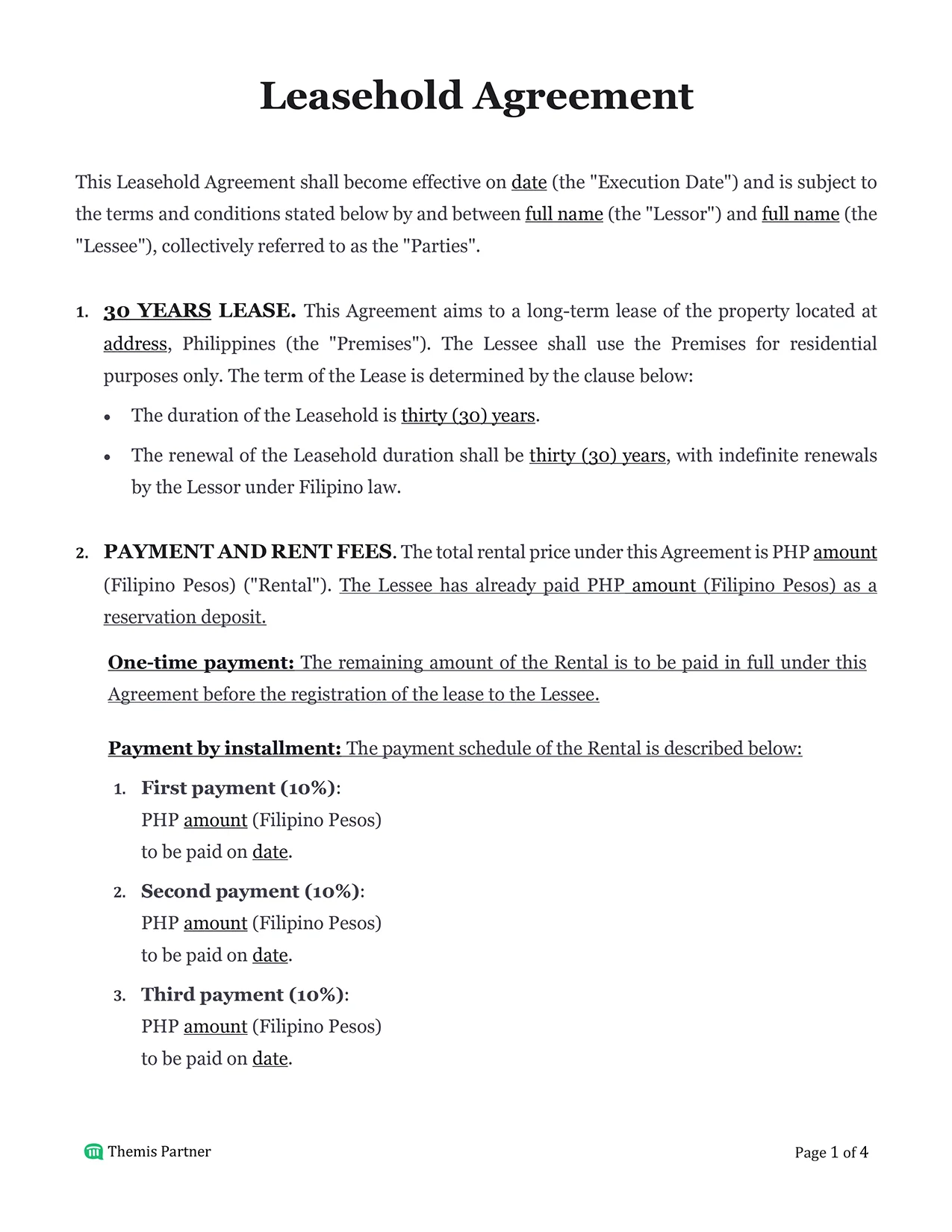
.jpg "Leasehold agreement requirements for home loans on tribal property")
Historically, these leases required extensive approval from the Bureau of Indian Affairs (BIA), a process often criticized for its bureaucratic delays and complexity. However, the passage of the Helping Expedite and Advance Responsible Tribal Homeownership (HEARTH) Act of 2012 has significantly empowered tribes by allowing them to develop their own leasing regulations, subject to BIA review, thereby streamlining the approval process and fostering greater tribal self-determination.
Key Requirements of a Leasehold Agreement for Home Loan Eligibility
For a leasehold agreement to be acceptable to mainstream lenders (including those backed by federal programs like FHA, VA, USDA, Fannie Mae, and Freddie Mac), it must contain specific provisions that protect the lender’s interest and ensure the viability of the loan. These provisions are the "specifications" of our product review:
-
Sufficient Term: The lease term must extend significantly beyond the life of the loan. Lenders typically require the lease to have at least 10-25 years remaining after the loan’s maturity date (e.g., for a 30-year mortgage, a 50-year lease minimum is common, with many tribal leases extending to 75 or 99 years, often with renewal options). This ensures the collateral retains value and the homeowner has ample time to repay the loan.
-
Lender Consent to Encumbrance: The lease must explicitly allow the lessee (homeowner) to mortgage or encumber their leasehold interest and the improvements thereon. This is fundamental, as it grants the lender a security interest.
-
Lender’s Right to Notice and Cure: In the event of a borrower’s default on the lease (e.g., failure to pay ground rent), the lender must receive timely notice from the tribe or BIA and be given a reasonable opportunity to "cure" the default (e.g., pay the overdue ground rent) on behalf of the borrower. This prevents the lease from being terminated without the lender’s knowledge, protecting their investment.
-
Lender’s Right to Foreclose and Assign: If the borrower defaults on the home loan, the lease must permit the lender to foreclose on the leasehold interest and the improvements. Crucially, the lender must then have the right to assign or sell that leasehold interest (and the home) to a new, qualified lessee without undue tribal interference. This ensures a viable exit strategy for the lender.
-
Subordination of Tribal Interest (where applicable): While the land remains tribal property, the tribe often agrees to subordinate its interest in the improvements to the lender’s mortgage. This means that in a foreclosure scenario, the lender’s claim on the home’s value takes precedence.
-
Clear Identification of Land and Improvements: The lease must clearly delineate the specific parcel of land being leased and unequivocally state that the improvements (the house) belong to the lessee during the lease term. It should also address the disposition of improvements at lease termination (e.g., right to remove, compensation, or reversion to tribe).
-
Ground Rent and Other Fees: The lease must specify the amount, frequency, and method of payment for ground rent. It should also detail any other applicable fees, such as tribal administrative fees or property taxes (if applicable, though often tribal land is exempt). Lenders need to ensure these costs are reasonable and predictable.
-
No Unreasonable Restrictions on Sale or Transfer: While tribes may have a right of first refusal or specific transfer requirements, these cannot be so restrictive as to impair the marketability of the leasehold interest or the lender’s ability to sell it post-foreclosure.
-
BIA/Tribal Approval: The lease, and often the associated mortgage, must be approved by the BIA or, under HEARTH Act authority, by the tribe itself according to its approved leasing regulations. This approval signifies the lease’s legal validity and enforceability.
-
Environmental Provisions: Lenders often require provisions ensuring compliance with environmental regulations and addressing liability for environmental hazards.
Advantages (Pros) of the Leasehold System for Home Loans on Tribal Property
Despite its complexities, the leasehold system, particularly as streamlined by the HEARTH Act, offers significant advantages:
-
Enables Homeownership on Trust Lands: Foremost, the leasehold agreement is the primary legal mechanism allowing Native Americans to build or purchase homes on their ancestral lands using conventional financing. Without it, homeownership would be largely limited to self-financing or grant programs.
-
Access to Mainstream Financing: With a robust leasehold agreement, borrowers can access a wider range of loan products, including FHA, VA, USDA, and conventional mortgages, often with competitive interest rates and terms. This is a vast improvement over historically limited options.
-
Wealth Building and Equity: Homeowners on tribal land can build equity in their homes (the improvements), which can be a significant asset. This equity can be leveraged for future financial needs or passed down to heirs.
-
Economic Development for Tribes: By facilitating homeownership, the leasehold system encourages construction, creates jobs, and generates economic activity within tribal communities. It can also generate recurring revenue for tribes through ground rents and fees.
-
Cultural Preservation and Community Stability: Enabling homeownership on tribal land allows tribal members to remain connected to their culture, language, and community, fostering stability and continuity for families and the tribe as a whole.
-
Tribal Self-Determination (Post-HEARTH Act): The HEARTH Act has empowered tribes to design leasing codes that reflect their unique cultural values and legal frameworks, while still meeting lender requirements. This reduces federal bureaucracy and promotes greater tribal control over their land and development.
Disadvantages (Cons) of the Leasehold System
While beneficial, the leasehold system presents several challenges:
-
Complexity and Longer Process: Even with HEARTH Act streamlining, the process of obtaining a home loan on tribal land is generally more complex and time-consuming than for fee-simple properties. It involves multiple layers of approval (tribal council, BIA where applicable, lender legal review) and specialized expertise.
-
Limited Appreciation of Land Value: Homeowners own the improvements, not the land. While the home itself can appreciate, the underlying land’s value is not directly transferred to the homeowner’s equity. This can impact long-term wealth accumulation compared to fee-simple ownership.
-
Perceived Risk and Lender Reluctance: Some lenders remain hesitant to engage in tribal lending due to a lack of familiarity with tribal law, perceived legal risks, and the unique foreclosure process. This can limit available lenders and sometimes result in higher interest rates or stricter terms.
-
Lease Renewal Uncertainty (Perceived): While many long-term leases include renewal options, the ultimate control over the land remains with the tribe. The perception of uncertainty surrounding lease renewal can be a concern, even if unlikely in practice, especially for very long-term planning.
-
Marketability and Resale Challenges: The market for leasehold interests on tribal land can be smaller and less liquid than for fee-simple properties. Resale may take longer, and the pool of potential buyers might be limited to tribal members or those approved by the tribe.
-
BIA/Tribal Bureaucracy (Lingering): While improved, administrative hurdles can still arise. Inconsistent application of regulations, staff turnover, or varying tribal codes can lead to delays.
-
Appraisal Challenges: Appraising homes on leasehold tribal land requires specialized expertise. Comparables can be scarce, and appraisers must accurately distinguish between the value of the improvements and the leasehold interest, which can be difficult.
-
Cultural and Legal Nuances: Navigating the legal landscape requires sensitivity to tribal sovereignty and cultural norms. Misunderstandings can lead to delays or complications.
Recommendations for "Purchasers" (Borrowers, Lenders, and Tribes)
Based on this review, here are recommendations for optimizing the "performance" of the leasehold agreement system:
For Prospective Homeowners (Borrowers):
- Educate Yourself Thoroughly: Understand the specifics of leasehold ownership versus fee-simple. Know your tribe’s specific leasing codes and regulations.
- Work with Experienced Professionals: Seek out lenders, real estate agents, and attorneys who have proven experience with tribal trust land and leasehold financing. Their expertise is invaluable.
- Read the Lease Agreement Meticulously: Understand every clause, especially those related to term, ground rent, default, transferability, and the disposition of improvements at the lease’s end.
- Explore Federal Programs: Investigate programs like the HUD Section 184 Indian Home Loan Guarantee Program, which is specifically designed for Native Americans and provides excellent terms and lender protections on tribal lands. VA and USDA also have pathways.
- Build Strong Relationships: Foster good communication with your tribal housing authority and leadership, as they are key partners in the process.
For Lenders:
- Develop Specialized Expertise: Invest in training staff to understand tribal sovereignty, federal Indian law, tribal leasing codes, and the unique aspects of leasehold mortgages.
- Standardize Processes (where possible): Collaborate with tribal housing authorities and federal agencies to develop streamlined, repeatable processes for lease review and loan origination.
- Utilize Federal Guarantees: Actively participate in programs like Section 184, which significantly mitigate risk and make tribal lending more attractive.
- Engage with Tribal Nations: Proactively build relationships with tribal governments, understanding their specific needs and concerns. Model leases or pre-approved tribal leasing codes can greatly simplify the process.
- Partner with Experienced Appraisers: Ensure you work with appraisers who are certified and experienced in valuing leasehold interests on tribal lands.
For Tribal Nations and Housing Authorities:
- Adopt HEARTH Act Authority: If not already done, tribes should adopt their own BIA-approved leasing codes under the HEARTH Act to streamline the leasing process and reduce federal bureaucracy.
- Develop Model Leases: Create standardized, lender-friendly model residential lease agreements that meet federal and conventional lender requirements while protecting tribal interests.
- Provide Clear Guidance: Publish clear, accessible guidelines for tribal members and external parties on the leasing and home loan process.
- Invest in Infrastructure: Ensure that tribal lands have adequate infrastructure (roads, water, sewer, utilities) to support residential development, making them more attractive for homeownership and lending.
- Foster Partnerships: Actively engage with lenders and federal agencies to educate them about your tribal codes and housing initiatives, and to solicit feedback on how to improve the lending environment.
Conclusion
The leasehold agreement system for home loans on tribal property is a unique and evolving framework. While it introduces complexities not found in fee-simple ownership, it serves as a vital instrument for empowering Native Americans to achieve homeownership on their ancestral lands. The "product" – the leasehold agreement and its surrounding regulatory environment – has shown significant improvements, particularly with the advent of the HEARTH Act, moving towards greater efficiency and tribal self-determination.
However, its full potential can only be realized through continued education, collaboration, and adaptation from all stakeholders. By understanding the intricacies, embracing best practices, and fostering mutual respect, the path to homeownership on tribal lands can become more accessible, equitable, and ultimately, a more robust avenue for wealth building and community development for Native American families. The review concludes that while imperfect, the leasehold system is an indispensable and increasingly effective mechanism, continually improving in its "performance" as a bridge to the American dream for tribal communities.


