Bridging the Gap to Homeownership: A Comprehensive Review of the Native American Home Loan Calculator for Trust Land
The dream of homeownership is a universal aspiration, representing stability, generational wealth, and a place to call one’s own. For many Native Americans, however, this dream is uniquely complex, particularly when it comes to homes situated on trust land. The traditional mortgage landscape, designed for fee-simple land ownership, often fails to accommodate the specific legal and financial frameworks governing tribal trust lands. This is where a specialized tool, such as a Native American Home Loan Calculator for Homes on Trust Land, steps in, aiming to demystify the process and empower prospective homeowners.
This comprehensive review delves into the functionality, advantages, disadvantages, and overall utility of such a calculator, ultimately offering a recommendation for its adoption.
The Unique Landscape: Homeownership on Trust Land
Before examining the calculator, it’s crucial to understand the distinctive environment it seeks to navigate. Trust land refers to land held in trust by the U.S. federal government for the benefit of Native American tribes and individuals. Unlike fee-simple land, where an individual holds outright ownership, trust land ownership is restricted, meaning the land cannot be sold, transferred, or encumbered without federal approval. This distinction creates significant hurdles for securing conventional mortgages, as the land itself cannot be used as collateral in the traditional sense.

Key challenges include:
- Lack of Fee Simple Lenders are often hesitant to finance homes on land where they cannot easily foreclose or take title if the borrower defaults.
- Leasehold Interests: Homeownership on trust land often involves a leasehold interest – the individual owns the home, but leases the land beneath it, typically from the tribe or an individual allottee. This introduces complexities like lease terms, ground rent, and the need for a Leasehold Mortgage or a Home Site Lease.
- Jurisdictional Issues: The interplay between tribal, state, and federal laws can complicate legal processes related to property and finance.
- Appraisal Challenges: Appraising homes on trust land can be difficult due to a limited number of comparable sales and the unique legal status of the land.
- Infrastructure and Development: Access to utilities, roads, and other essential infrastructure can vary, impacting home values and construction costs.
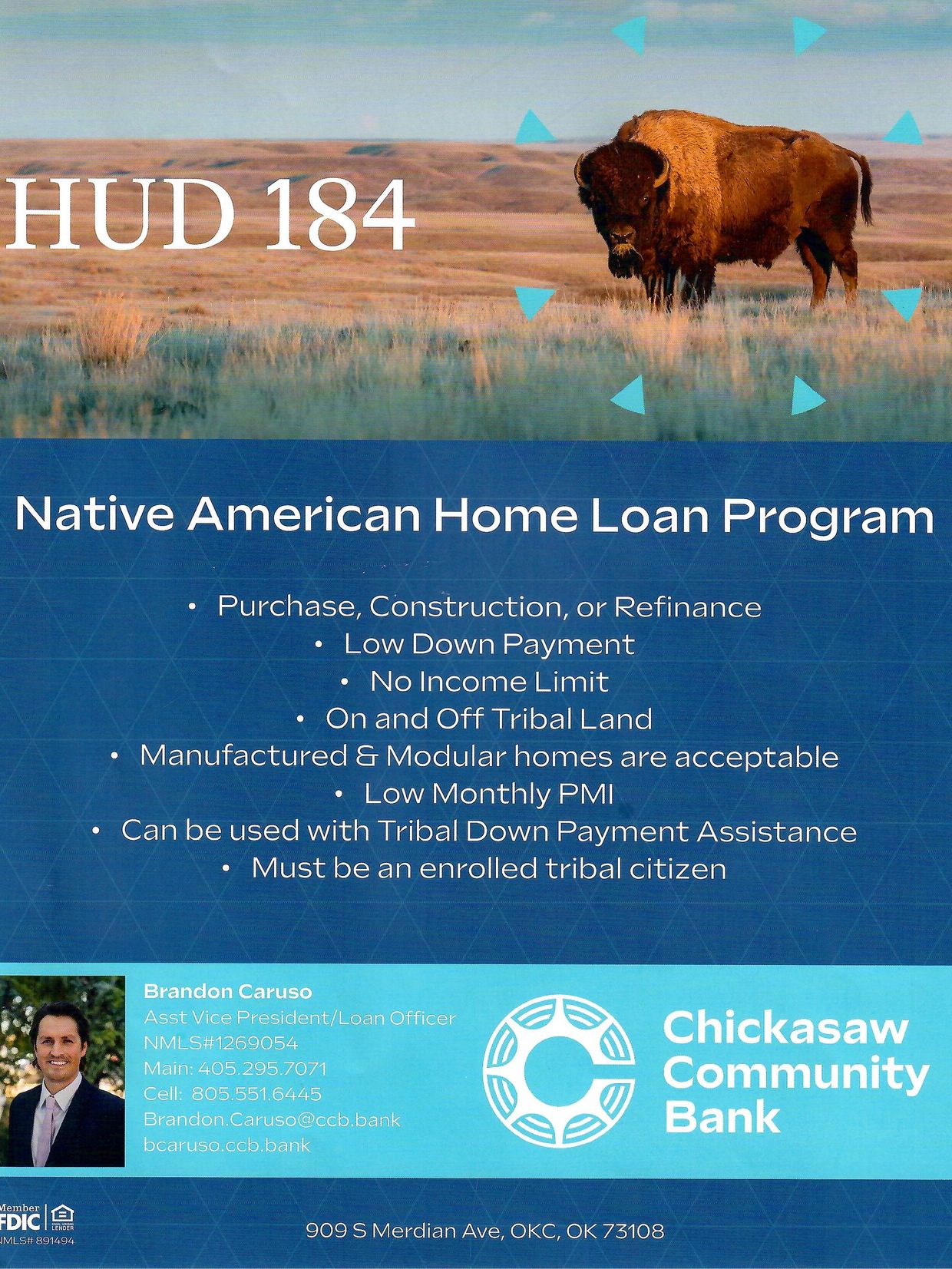
To address these challenges, specific federal programs have emerged, most notably the HUD Section 184 Indian Home Loan Guarantee Program, the VA Native American Direct Loan (NADL) Program, and USDA Rural Development programs. These programs offer guarantees or direct loans designed to work within the trust land framework, but even with these, understanding the financial implications remains a complex task.

Diving Deep: Features of the Native American Home Loan Calculator for Trust Land
A well-designed Native American Home Loan Calculator for Homes on Trust Land is more than just a standard mortgage calculator. It must incorporate the unique variables inherent to trust land financing. Here’s a breakdown of its essential features:
-
Program-Specific Calculations:
- HUD Section 184: The calculator should allow users to select this program and factor in its specific guarantee fees (upfront and annual), lower down payment requirements, and potentially more flexible credit guidelines.
- VA NADL: For eligible veterans, this option should account for the absence of down payments, no private mortgage insurance, and specific funding fees.
- USDA Rural Development (Direct or Guaranteed): Should integrate income limits, property eligibility criteria, and varying guarantee fees.
- Conventional (with Leasehold Mortgage): For the rare instances where conventional financing is secured, it must incorporate the specific terms of a leasehold mortgage.
-
Trust Land Specific Inputs:
- Land Lease/Ground Lease Payments: This is a critical differentiator. The calculator must include a field for monthly or annual land lease payments, which are a recurring cost separate from the mortgage principal and interest. It should also factor in the lease term and renewal options.
- Tribal Administrative Fees/Service Fees: Some tribes may levy administrative fees for land leases or services in lieu of traditional property taxes. The calculator needs to accommodate these.
- BIA (Bureau of Indian Affairs) Review Fees: Certain transactions on trust land require BIA approval, which may incur fees.
- Property Tax Equivalents: On trust land, conventional property taxes often don’t apply. The calculator should clarify this and instead focus on any tribal service fees or other assessments that substitute for taxes.
-
Standard Mortgage Calculator Inputs:
- Loan Amount: The total amount borrowed for the home.
- Interest Rate: Allows users to input estimated interest rates (fixed or adjustable).
- Loan Term: Common terms like 15, 20, 25, or 30 years.
- Down Payment: The initial amount paid towards the home’s purchase price.
- Homeowner’s Insurance: Estimated annual or monthly premium.
- Mortgage Insurance (PMI/MIP): If applicable (e.g., FHA equivalent for Section 184, if not covered by guarantee fees).
-
Comprehensive Output:
- Total Monthly Payment: A clear breakdown including Principal & Interest (P&I), Land Lease, Insurance, Program-specific fees, and any Tribal service fees.
- Amortization Schedule: (For more advanced calculators) Showing how principal and interest payments change over the loan term.
- Total Cost of Loan: Including interest paid over the life of the loan.
- Affordability Metrics: Potentially offering insights into debt-to-income ratios based on user-provided income.
-
User-Friendly Interface:
- Intuitive design, clear labels, and easy navigation are paramount for a tool addressing complex financial scenarios.
- Mobile responsiveness ensures accessibility across various devices.
- Informative tooltips or explanations for trust-land specific terms would be invaluable.
Advantages (Pros) of the Native American Home Loan Calculator
- Unparalleled Clarity and Transparency: The most significant advantage is its ability to demystify a historically opaque process. By consolidating all unique costs associated with trust land homeownership, it provides a clear, comprehensive picture of the total monthly financial commitment, preventing surprises.
- Accurate Financial Projections: Unlike generic calculators, this specialized tool accounts for the distinct expenses of land leases and tribal fees, leading to far more accurate and realistic payment estimates. This precision is crucial for sound financial planning.
- Empowerment of Prospective Homeowners: Armed with accurate information, Native American individuals can make informed decisions about affordability, loan programs, and budgeting. It empowers them to negotiate more effectively and approach the lending process with greater confidence.
- Time-Saving and Efficiency: Borrowers can quickly explore various scenarios (different down payments, interest rates, or land lease terms) without needing to consult a lender for every permutation. This streamlines the initial research phase.
- Educational Tool: The calculator serves as an excellent educational resource, helping users understand the components of their mortgage payment and the specific financial implications of living on trust land. This fosters financial literacy within tribal communities.
- Facilitates Budgeting and Planning: By providing a reliable estimate of monthly housing costs, the calculator enables families to create realistic budgets, assess their financial readiness, and plan for future expenses.
- Supports Tribal Housing Initiatives: For Tribal Housing Authorities or development corporations, this tool can be invaluable in guiding community members through the homeownership process, promoting financial literacy, and supporting local housing initiatives.
- Reduces Anxiety: The complexities of trust land financing can be daunting. A tool that breaks down these complexities into manageable, understandable figures can significantly reduce stress and anxiety for potential homeowners.
Disadvantages (Cons) of the Native American Home Loan Calculator
- Potential for Over-simplification: While designed to be comprehensive, no calculator can capture every nuance of an individual’s financial situation or every specific tribal policy. It might not account for highly localized fees, specific credit challenges, or unique property conditions.
- Data Dependency (Garbage In, Garbage Out): The accuracy of the calculator’s output is entirely dependent on the accuracy of the user’s input. Incorrect interest rates, land lease figures, or other data will lead to misleading results. Users must ensure they have reliable figures.
- Not a Substitute for Professional Advice: This calculator is a tool for estimation, not a replacement for the expertise of a qualified mortgage lender, financial advisor, or tribal housing counselor specializing in trust land. It cannot provide pre-approvals, binding quotes, or comprehensive financial planning.
- Real-time Rate Fluctuations: Interest rates change frequently. Unless the calculator is dynamically linked to real-time market data (which is rare for specialized calculators), the user must manually update rates, meaning estimates can quickly become outdated.
- Limited Scope of Loan Programs: While it should cover major programs like Section 184 and VA NADL, it might not include every niche state or local program that could be available to Native American borrowers.
- Maintenance and Updates Required: Trust land regulations, program guidelines, and fees can change. The calculator requires regular maintenance and updates to remain accurate and relevant, which can be a challenge for developers.
- User Education Curve: While designed to be user-friendly, some users may still require guidance on specific terms like "leasehold mortgage," "allotment," or "ground lease," especially if they are new to the concept of trust land homeownership.
- Availability and Cost: Such a specialized calculator may not be widely available or free. If it’s a proprietary tool from a specific lender, its utility might be limited to their offerings. If it’s a standalone product, there might be a cost associated with its use.
Who Benefits Most from This Tool?
- Prospective Native American Homeowners on Trust Land: This is the primary beneficiary, gaining clarity and confidence in their pursuit of homeownership.
- Tribal Housing Authorities and Developers: Can use the tool to educate community members, streamline housing programs, and assist in financial counseling.
- Lenders Specializing in Section 184 and Trust Land: Can leverage the calculator to provide quick estimates to clients, demonstrate transparency, and guide borrowers through the unique aspects of their loans.
- Financial Counselors and Educators: A valuable resource for teaching financial literacy and the specifics of trust land homeownership.
- Real Estate Agents Working on Trust Land: Can provide clients with realistic financial expectations from the outset.
Recommendation and Conclusion
The Native American Home Loan Calculator for Homes on Trust Land is not merely a convenience; it is a crucial, indispensable tool for anyone considering homeownership in this unique and often complex environment. Its ability to integrate trust-land specific financial variables into a clear, comprehensive calculation provides a level of transparency and accuracy unmatched by generic mortgage calculators.
Recommendation: A Strong Buy/Highly Recommended.
While it comes with inherent limitations common to any calculator (it’s a tool, not a human advisor), its benefits far outweigh its drawbacks. It empowers, educates, and clarifies, transforming what can often be an intimidating process into a manageable one.
However, the recommendation comes with a vital caveat: use this calculator as an essential starting point, not as the final word. Always follow up its estimates with direct consultations from:
- Lenders specializing in Section 184, VA NADL, or USDA programs.
- Tribal Housing Authorities or certified housing counselors.
- Legal professionals familiar with tribal trust land laws.
In conclusion, a well-designed Native American Home Loan Calculator for Homes on Trust Land is a powerful instrument for bridging the informational and financial gap that has historically challenged Native American homeownership. By illuminating the path to affordable and sustainable housing on trust lands, it contributes significantly to the economic empowerment and self-determination of tribal communities, making the dream of a stable home a more tangible reality.


