Empowering Homeownership: Best Practices for Building Credit for Native American Mortgages
Homeownership represents a cornerstone of financial stability, wealth creation, and community resilience. For many Native American individuals and families, this dream is particularly significant, embodying a connection to land, culture, and future generations. However, the path to homeownership, especially through mortgage financing, often presents unique challenges within Native American communities. A critical hurdle is navigating the complex landscape of credit building, which is frequently impacted by historical economic disparities, geographical isolation, and differences in financial practices.
This article explores best practices for building and strengthening credit specifically tailored for Native American individuals seeking mortgage financing. We will delve into the nuances of the credit system, highlight specific strategies that address common barriers, and provide a comprehensive review of the advantages, disadvantages, and actionable recommendations for those embarking on this vital journey.
Understanding the Landscape: Why Credit Matters for Native American Mortgages
Credit is essentially a lender’s assessment of your financial trustworthiness. It’s a numerical representation of your past payment behavior, debt levels, and financial commitments. For a mortgage, a strong credit profile is paramount because it directly influences:
- Eligibility: Lenders use credit scores and reports to determine if you qualify for a loan at all.
- Interest Rates: A higher credit score typically translates to lower interest rates, saving tens of thousands of dollars over the life of a 30-year mortgage.
- Loan Terms: Favorable credit can lead to better loan terms, including lower down payments and more flexible repayment schedules.
- Access to Specific Programs: While programs like the HUD Section 184 Indian Home Loan Guarantee Program are designed to be more flexible, they still require a demonstration of creditworthiness, even if the thresholds are sometimes lower than conventional loans. Other programs like VA, USDA, and conventional mortgages are even more reliant on robust credit scores.
Unique Challenges Faced by Native Americans in Credit Building:
- "Credit Invisibles" or "Unbanked/Underbanked": Many individuals in tribal communities operate largely with cash or informal financial arrangements, lacking traditional credit histories. This can be due to a lack of local banking institutions, distrust of mainstream financial systems, or generational practices.
- Geographic Isolation: Rural tribal lands often lack access to traditional financial services, making it difficult to open accounts or apply for credit products.
- Informal Economies: Reliance on cash transactions for goods and services means these activities aren’t reported to credit bureaus.
- Heirship Property: Complexities surrounding trust land ownership and heirship often mean individuals may not have traditional property records that can be leveraged for credit.
- Lack of Traditional Addresses: For some on tribal lands, a lack of conventional street addresses can complicate the process of applying for credit or receiving financial statements.
- Historical Trauma and Distrust: Past experiences with predatory lending or systemic injustices can foster a natural distrust of financial institutions.

Despite these challenges, building credit is an achievable and empowering goal. It requires a strategic, informed, and often community-supported approach.
Best Practices for Building Credit for a Native American Mortgage
Here are the best practices, broken down into foundational steps, active credit building, and ongoing management:
I. Foundational Steps: Laying the Groundwork
- Financial Literacy and Education:
- Understand the Basics: Learn about credit scores (FICO, VantageScore), credit reports, interest rates, and debt-to-income ratios.
- Seek Guidance: Connect with tribal housing authorities, Native community development financial institutions (CDFIs), or HUD-approved housing counseling agencies specializing in Native American homeownership. These resources offer culturally relevant financial education and personalized advice.
- Establish Banking Relationships:
- Checking and Savings Accounts: Open and maintain these accounts to establish a financial footprint. Consistent deposits and responsible management demonstrate financial stability. If traditional banks are distant, explore online banking options or credit unions.
- Direct Deposit: If employed, setting up direct deposit into your bank account can further solidify your financial history.
- Secure a Stable Mailing Address:
- If a traditional street address is an issue, explore options like P.O. boxes, tribal administrative offices, or designated community mail services. This is crucial for receiving statements and official communications.
- Budgeting and Savings:
- Create a realistic budget to understand income and expenses. This helps identify areas for savings and ensures you can meet future payment obligations. Building an emergency fund, even a small one, reduces reliance on credit in crises.
II. Active Credit Building: Entering the System
- Secured Credit Cards:
- How it Works: You deposit money into a savings account, which becomes your credit limit. This minimizes risk for the lender.
- Best Practice: Use it for small, regular purchases you can immediately pay off in full each month (e.g., gas, groceries). This demonstrates consistent, responsible payment behavior without incurring interest. Ensure the card reports to all three major credit bureaus (Experian, Equifax, TransUnion).
- Credit Builder Loans:
- How it Works: You take out a small loan, but the money is held in a locked savings account until you’ve made all the payments. Once paid off, you receive the funds.
- Best Practice: These are excellent for those with no credit history. They simulate an installment loan, showing consistent payments over a set period. Look for these at credit unions, CDFIs, or community banks.
- Reporting Rent and Utility Payments:
- How it Works: Some services (e.g., Experian Boost, RentReporters, LevelCredit) allow you to opt-in to have your on-time rent, utility, and even streaming service payments reported to credit bureaus.
- Best Practice: This is a game-changer for individuals with a history of responsible payments but no traditional credit. Check if your landlord already reports to a bureau or if you can use a third-party service.
- Small Installment Loans from CDFIs or Credit Unions:
- How it Works: These institutions often offer small, affordable loans with flexible underwriting for community members.
- Best Practice: If you need a small loan for a specific purpose (e.g., car repair), consider a reputable local credit union or a Native CDFI. Their mission is community development, and they are often more understanding of unique financial situations. Make sure the loan reports to credit bureaus.
- Becoming an Authorized User:
- How it Works: You can be added to a trusted family member’s credit card as an authorized user. Their positive payment history can then reflect on your credit report.
- Best Practice: Use with extreme caution. Only do this with someone who has an excellent, long credit history and you trust implicitly. Their negative actions (late payments, high utilization) will also affect your score.
- Tribal Lending Programs (Cautiously):
- How it Works: Some tribes offer their own lending programs, which may consider alternative credit data.
- Best Practice: Research thoroughly. Ensure these programs are transparent, regulated, and report to major credit bureaus. Avoid predatory "payday" style lenders, even if they claim to be tribal.
III. Ongoing Management: Maintaining and Improving Credit
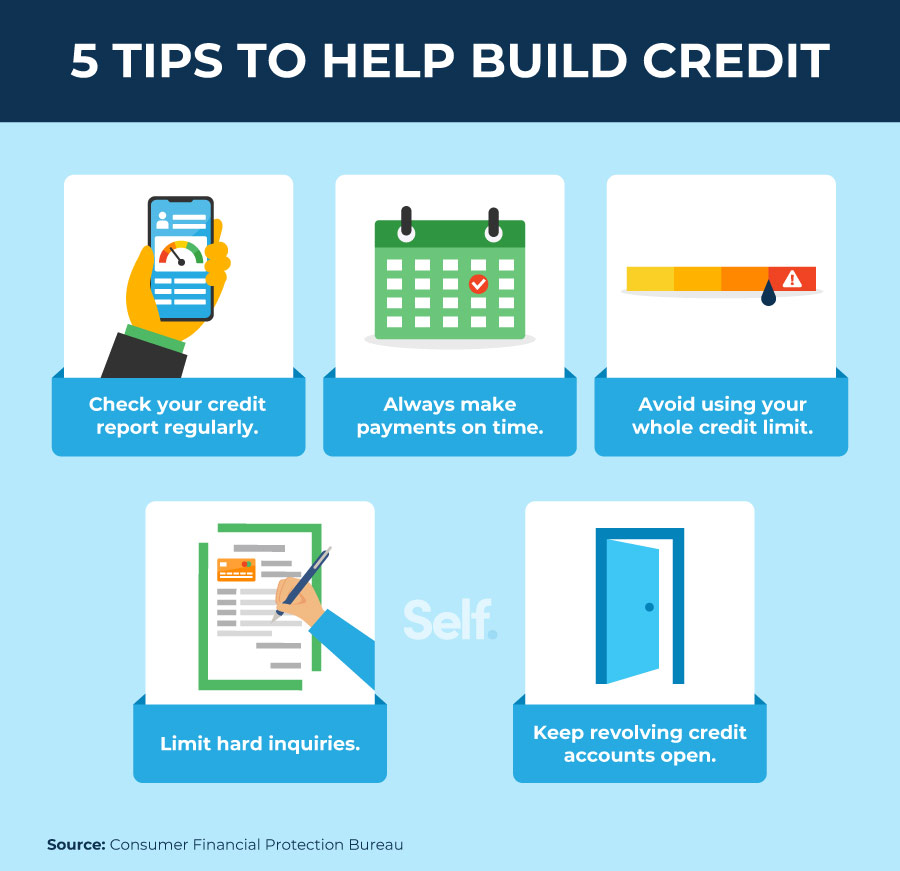
- Pay Bills On Time, Every Time:
- Credit Impact: Payment history is the most significant factor in your credit score (35%).
- Best Practice: Set up automatic payments or calendar reminders. Pay at least the minimum amount due, but ideally, pay in full.
- Keep Credit Utilization Low:
- Credit Impact: This is the second most important factor (30%) and refers to how much credit you’re using compared to your total available credit.
- Best Practice: Aim to keep your credit utilization below 30% of your total credit limit. For example, if you have a $500 credit limit, try not to carry a balance over $150. Lower is always better (ideally under 10%).
- Monitor Your Credit Reports Regularly:
- How it Works: You are entitled to a free credit report from each of the three major bureaus once a year via AnnualCreditReport.com.
- Best Practice: Review your reports for errors, unauthorized accounts, or signs of identity theft. Dispute any inaccuracies immediately, as these can negatively impact your score.
- Don’t Close Old Accounts (Unless Necessary):
- Credit Impact: Length of credit history (15%) is important. Older accounts with good payment history contribute positively.
- Best Practice: Keep old, paid-off accounts open if they have no annual fees. This helps maintain a longer average age of accounts.
- Diversify Your Credit Mix (Over Time):
- Credit Impact: Having a mix of credit types (revolving like credit cards and installment like loans) can positively influence your score (10%).
- Best Practice: As your credit grows, consider a healthy mix, but don’t take on debt just for the sake of diversification.
- Be Wary of New Credit Applications:
- Credit Impact: Each "hard inquiry" (when you apply for new credit) can temporarily ding your score (10%).
- Best Practice: Only apply for credit when you genuinely need it. Too many applications in a short period can signal risk to lenders.
Pros of Strategic Credit Building for Native American Mortgages
- Increased Access to Homeownership: The most significant benefit is opening the doors to mortgage financing, particularly for programs like Section 184, which still require a demonstrated ability to manage debt.
- Lower Interest Rates: A strong credit score translates to substantial savings over the life of a mortgage, freeing up funds for other investments or family needs.
- Greater Financial Flexibility: Good credit makes it easier to secure other necessary loans (e.g., for education, vehicles) and can lower insurance premiums.
- Financial Empowerment and Stability: Understanding and managing credit fosters financial literacy and gives individuals greater control over their economic future.
- Intergenerational Wealth Building: Homeownership is a primary driver of wealth accumulation. Building credit facilitates this, allowing families to pass on assets and stability to future generations.
- Reduced Stress and Anxiety: Knowing you have a solid financial foundation and can access credit when needed provides peace of mind.
- Stronger Community Development: Increased homeownership contributes to more stable and thriving tribal communities.
Cons and Challenges of Credit Building
- Time Commitment: Building a strong credit history takes time and consistent effort, often years. It’s not an overnight process.
- Complexity and Information Overload: The credit system can be confusing, with numerous factors and varying advice. This can be overwhelming for newcomers.
- Risk of Debt Accumulation: Mismanagement of credit products can lead to debt, high interest payments, and damage to one’s financial standing. Predatory lenders remain a threat in some areas.
- Fees and Interest: Credit products often come with annual fees or interest charges, which can erode financial gains if not managed carefully.
- Systemic Barriers Persist: While credit building is empowering, it doesn’t erase historical and systemic disadvantages. Access to capital, affordable housing, and infrastructure can still be limiting factors.
- Vulnerability to Fraud: With more financial accounts, individuals may become more susceptible to identity theft and financial fraud.
- Emotional Toll: Dealing with financial challenges or the perception of being "uncreditworthy" can be emotionally draining.
Purchase Recommendations: Actionable Steps for Success
In the context of credit building, "purchase recommendations" refer to the strategies and resources you should actively "adopt" or "invest in" to achieve your homeownership goals.
-
"Purchase" Education and Counseling:
- Recommendation: Actively seek out and engage with HUD-approved housing counseling agencies, particularly those with experience serving Native American communities. Invest time in financial literacy workshops offered by tribal entities or CDFIs.
- Why: These resources provide tailored, culturally competent advice and can guide you through the intricacies of credit building and mortgage applications, including specific programs like Section 184.
-
"Purchase" a Secured Credit Card or Credit Builder Loan (Strategically):
- Recommendation: If you have limited or no credit history, apply for one of these products from a reputable institution (credit union, community bank, CDFI). Start small, ensuring it reports to all three major credit bureaus.
- Why: These are foundational tools for establishing a positive payment history without significant risk, acting as stepping stones to traditional credit.
-
"Purchase" Diligence in Payment and Utilization:
- Recommendation: Make an unwavering commitment to paying all bills on time, every time, and keeping your credit utilization below 30% (ideally 10%). Set up automatic payments and reminders.
- Why: These two factors are the most critical determinants of your credit score. Consistency here will yield the most significant positive impact.
-
"Purchase" Regular Credit Monitoring:
- Recommendation: Routinely access your free credit reports from AnnualCreditReport.com and review them meticulously for errors. Consider using free credit monitoring services (like Credit Karma or your bank’s offering) to track changes.
- Why: Catching and disputing errors promptly can prevent unnecessary damage to your score and protect you from identity theft.
-
"Purchase" a Relationship with a Community Development Financial Institution (CDFI) or Tribal Financial Entity:
- Recommendation: Actively engage with Native CDFIs or tribal housing/lending departments. They understand the unique circumstances of tribal communities and often offer flexible, supportive financial products and services.
- Why: These institutions are designed to serve underserved populations and can be invaluable partners in your credit-building journey, offering more than just loans but also advice and advocacy.
-
"Purchase" Patience and Persistence:
- Recommendation: Understand that building strong credit is a marathon, not a sprint. Be prepared for a sustained effort, celebrate small victories, and stay focused on your long-term homeownership goal.
- Why: Discouragement can be a barrier. A resilient mindset will help you navigate the challenges and ultimately achieve success.
Conclusion
The journey to homeownership for Native Americans is often intertwined with unique historical and contemporary challenges. However, by strategically applying best practices for credit building, individuals can overcome these hurdles and unlock the doors to stable, generational wealth.
Embracing financial education, leveraging culturally relevant resources, and consistently demonstrating responsible financial behavior are not just about securing a mortgage; they are about reclaiming financial agency, fostering community growth, and realizing the profound dream of having a place to call home – a dream deeply rooted in the heart of Native American identity and sovereignty. The path requires diligence and patience, but the rewards of financial empowerment and lasting homeownership are immeasurable.


