Navigating the Nuances: A Review of Understanding Property Appraisal on Tribal Trust Land
The dream of homeownership is universal, a cornerstone of financial stability and community building. Yet, for homes situated on tribal trust land, the path to achieving this dream, particularly through conventional financing, is often fraught with unique complexities. The "product" we are reviewing today isn’t a physical item, but rather a crucial conceptual framework: Understanding Property Appraisal for Homes on Tribal Trust Land. This comprehensive understanding is an indispensable tool for tribal members, lenders, appraisers, and policymakers alike, aiming to bridge the gap between unique legal realities and standard financial practices.
In this extensive review, we will delve into the multifaceted nature of this understanding, exploring its core components, highlighting its profound advantages, acknowledging its significant challenges, and ultimately providing a strong recommendation for its "acquisition" by all stakeholders.
What is "Understanding Property Appraisal for Homes on Tribal Trust Land"?
At its core, this "understanding" is the specialized knowledge required to accurately determine the market value of residential properties built on land held in trust by the U.S. government for the benefit of Native American tribes or individual tribal members. Unlike fee simple ownership, where an individual owns the land outright, tribal trust land involves a unique legal status that profoundly impacts property rights and, consequently, valuation.
The U.S. government, through the Department of the Interior and its Bureau of Indian Affairs (BIA), holds legal title to these lands. Tribal members typically possess a "leasehold interest" or a "possessory interest" in a specific parcel, allowing them to build and reside on it, but without holding the underlying land in fee simple. This distinction is the bedrock upon which all appraisal efforts must be built.
Key Components of This Understanding:
-
The Unique Legal Framework:
- Trust Status vs. Fee Simple: Grasping the fundamental difference is paramount. On trust land, the appraisal is not of the land itself, but of the leasehold estate (the right to use and occupy the land for a specific period) and the improvements (the home) situated upon it.
- Federal and Tribal Law Overlay: Understanding how federal statutes (like the Indian Reorganization Act) and tribal codes/ordinances govern land use, leasing, and inheritance is critical. BIA approval is often required for leases, mortgages, and other transactions.
- Leasehold Estates: Recognizing the terms, duration, and conditions of ground leases (often 25-50 years, sometimes renewable) is essential, as these directly impact the value of the improvements. A shorter lease term can significantly depress value.
- Restricted Fee Lands: Differentiating between trust land and "restricted fee" land (land owned by individual Native Americans, but with conveyances still requiring BIA approval) adds another layer of complexity.
-
Appraisal Methodologies and Their Limitations:
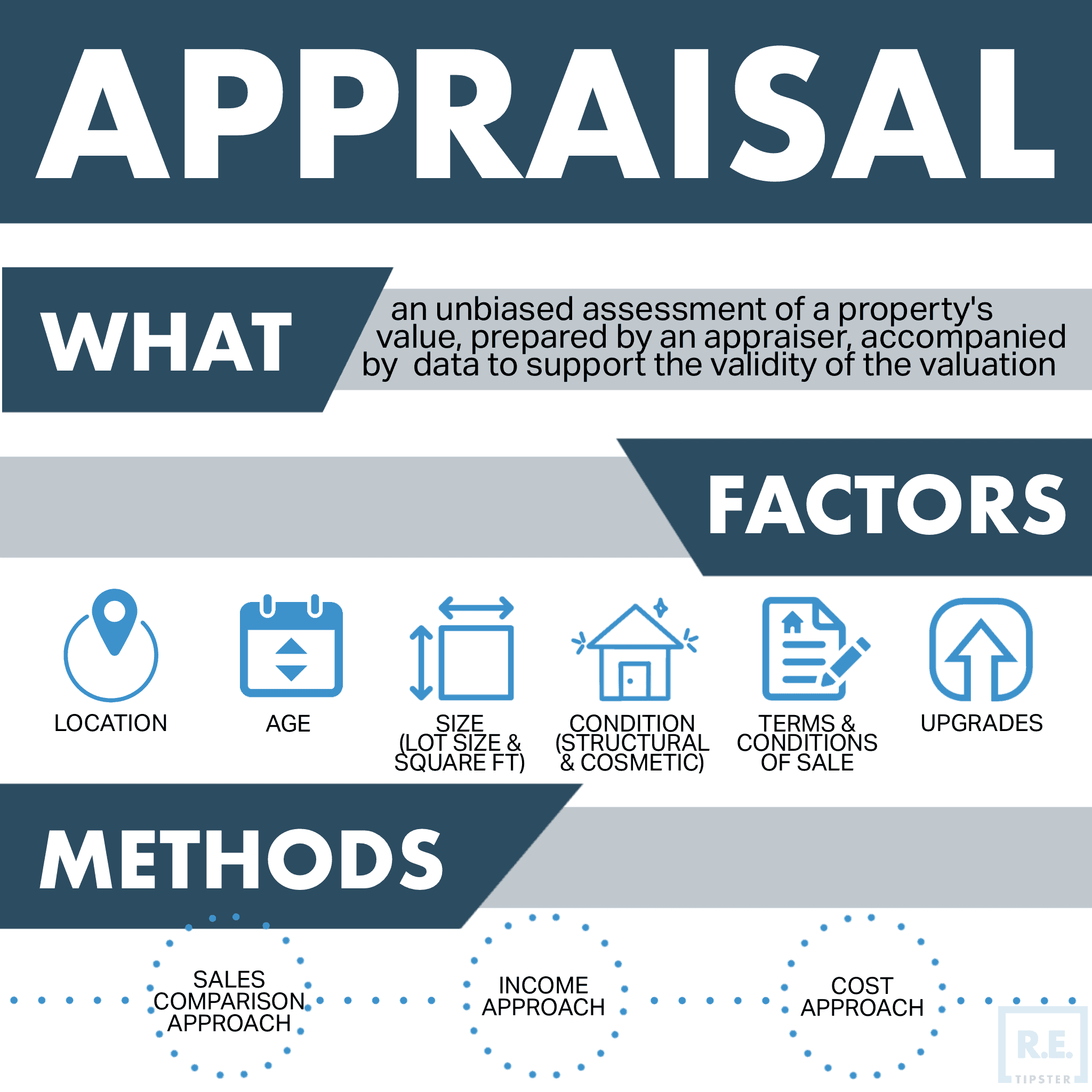
- Sales Comparison Approach (SCA): This standard approach relies heavily on comparable sales. On tribal trust land, finding truly comparable sales of leasehold interests in homes is exceptionally challenging due to limited transaction data, the unique nature of each lease, and a smaller, more specialized market. Appraisers often must look to fee simple sales in nearby communities and make significant, supportable adjustments, or rely more heavily on other approaches.
- Cost Approach: Often the most reliable method for newer construction or homes with recent, documented improvements on tribal land. It calculates the cost to build a new home, subtracts depreciation, and adds the value of the leasehold interest (if any, typically minimal for the land itself).
- Income Approach: Less common for single-family homes, but applicable for rental properties on trust land. It estimates value based on the property’s potential to generate income.
- Highest and Best Use: This fundamental appraisal principle is constrained by tribal zoning, federal regulations, and the specific terms of the lease. The "highest and best use" may be limited to residential, even if a nearby fee simple parcel could support commercial development.
-
The Role of the Appraiser:
- Specialized Knowledge and Experience: Appraisers must possess specific expertise in valuing properties on trust land, going beyond standard residential appraisal qualifications. This includes familiarity with BIA procedures, tribal governments, and relevant federal programs.
- Cultural Competency: An understanding of tribal sovereignty, cultural values, and community dynamics can influence market perceptions and the appraisal process.
- Access to Data: Knowing how to access and interpret BIA records, tribal housing authority data, and local market information is crucial.
-
Lender Considerations and Loan Programs:
- Conventional Lender Reluctance: Many conventional lenders are hesitant to finance homes on trust land due to the perceived legal complexities, limited secondary market, and challenges with collateralizing a leasehold interest.
- HUD Section 184 Indian Home Loan Guarantee Program: This federal program is a cornerstone for financing on trust land. Understanding its specific requirements, the role of the BIA, and its impact on appraisal standards is vital for all parties. Other programs like VA loans and the BIA Loan Guarantee Program also play roles.
-
Infrastructure, Location, and Market Factors:
- Varying Infrastructure: The availability and quality of roads, water, sewer, and internet services on tribal lands can vary significantly and directly impact value.
- Remoteness and Market Depth: Many tribal lands are in rural areas, leading to smaller, less liquid markets, which can make valuation more challenging.
- Tribal Services: The presence and quality of tribal police, fire, schools, and health services can influence desirability and, consequently, value.
Pros of Embracing This "Understanding"
Acquiring a deep understanding of property appraisal on tribal trust land yields numerous benefits for all involved:
- Facilitates Homeownership and Economic Development: By demystifying the appraisal process, this understanding directly supports tribal members in securing financing for new homes, renovations, or refinancing existing properties. This, in turn, fosters economic growth within tribal communities.
- Enhances Access to Capital: Lenders who grasp the nuances are more likely to participate in programs like HUD Section 184, expanding access to crucial loan capital for tribal housing.
- Ensures Fair and Accurate Valuations: A knowledgeable appraiser, armed with this understanding, can provide a more defensible and accurate valuation, protecting both the homeowner from undervaluation and the lender from overvaluation risks.
- Reduces Risk for Lenders: By clearly defining the collateral (the leasehold interest and improvements) and understanding the legal framework, lenders can better assess and mitigate risks, leading to more willingness to lend.
- Empowers Tribal Governments: This understanding allows tribal housing authorities and governments to better structure ground leases, develop housing policies, and collaborate effectively with federal agencies and financial institutions.
- Promotes Consistency and Transparency: A shared understanding among all stakeholders leads to a more consistent and transparent appraisal process, reducing disputes and streamlining transactions.
- Supports Self-Determination: By enabling tribal members to build wealth through homeownership and fostering economic stability, this understanding contributes directly to tribal self-determination and sovereignty.
- Professional Development for Appraisers: For appraisers, specializing in this area opens up a niche market and demonstrates a commitment to serving diverse communities.
Cons/Challenges of Lacking This "Understanding"
Conversely, the absence or inadequacy of this "understanding" presents significant hurdles:
- Limited Access to Financing: Without this specialized knowledge, conventional lenders often default to "no" due to perceived risk, leaving tribal members with few options outside of specific federal programs.
- Inaccurate Valuations and Undervaluation: Appraisers unfamiliar with tribal trust land complexities may produce appraisals that are either too low (hindering financing) or indefensible, leading to delays or outright rejections of loan applications. The scarcity of comparable sales data exacerbates this challenge.
- Frustration and Delays: The appraisal process can become prolonged and frustrating due to a lack of clear guidelines, inexperienced personnel, and the need for extensive research into unfamiliar legal frameworks.
- Increased Risk for All Parties: Lenders face higher risks if they proceed without a proper understanding of the collateral and legal environment. Homeowners risk losing opportunities if their properties are not valued correctly.
- Perpetuation of Misconceptions: A lack of understanding can reinforce negative stereotypes or misunderstandings about tribal land, hindering investment and development.
- Higher Costs: The need for specialized expertise can sometimes translate to higher appraisal fees, although the long-term benefits typically outweigh this.
- Regulatory Hurdles: Navigating BIA regulations and tribal codes can be daunting for those without prior experience, leading to bureaucratic delays.
- Limited Marketability: The unique nature of leasehold interests on trust land means a smaller potential buyer pool compared to fee simple properties, which can influence market value and appraisal outcomes.
Who Needs This "Understanding"?
The audience for this critical "understanding" is broad and diverse:
- Tribal Members: Especially those seeking to buy, sell, or refinance homes on trust land.
- Lenders: Banks, credit unions, and mortgage companies, particularly those involved in federal programs like HUD Section 184.
- Property Appraisers: Both those new to the field and experienced appraisers looking to expand their expertise.
- Real Estate Agents: Who work with tribal communities.
- Tribal Housing Authorities and Governments: For policy development, community planning, and member support.
- Federal Agencies: Such as the BIA, HUD, and VA, to ensure their programs are effectively implemented.
- Attorneys and Legal Professionals: Specializing in Native American law or real estate.
"Purchase Recommendation": Acquiring This Understanding
Our "purchase recommendation" for this conceptual "product" is an emphatic HIGHLY RECOMMENDED. The benefits far outweigh the challenges, and the need for this understanding is growing as tribal communities pursue greater self-sufficiency and economic development.
To "acquire" this understanding, we recommend the following strategies:
- Invest in Specialized Education and Training: For appraisers and lenders, seek out courses, workshops, and certifications specifically focused on appraising properties on tribal lands. Organizations like the Appraisal Institute, Native American Finance Officers Association (NAFOA), and various tribal housing organizations often provide such training.
- Collaborate and Network: Lenders and appraisers should actively engage with tribal housing authorities, BIA officials, and experienced professionals who regularly work on trust land. Building relationships and sharing knowledge is invaluable.
- Utilize Experienced Professionals: If you are a tribal member or a lender new to this area, seek out appraisers and mortgage professionals who have a proven track record and extensive experience with tribal trust land transactions.
- Advocate for Data Collection and Sharing: Tribal governments and federal agencies can play a crucial role in collecting and making accessible robust transaction data for properties on trust land, which would significantly aid appraisers.
- Leverage Federal Programs: Fully embrace and understand programs like the HUD Section 184 loan guarantee, which is specifically designed to address the unique challenges of financing on tribal lands.
- Develop Internal Expertise: Financial institutions should consider training specific loan officers and underwriters to specialize in tribal trust land transactions.
Conclusion
Understanding Property Appraisal for Homes on Tribal Trust Land is not merely a niche area of expertise; it is a critical bridge connecting traditional financial systems with the unique legal and cultural landscape of Native American sovereign nations. While the complexities are undeniable – from the legal intricacies of leasehold interests to the scarcity of comparable sales data – the value of mastering this understanding is immense.
By investing in specialized knowledge, fostering collaboration, and leveraging dedicated federal programs, we can overcome historical barriers and unlock the full potential for homeownership and economic prosperity within tribal communities. This "understanding" is an investment in equity, self-determination, and the realization of the American dream for all. It is a product that, once acquired, yields profound and lasting returns.


