Unlocking the Dream: A Comprehensive Review of Down Payment Assistance Programs for Indigenous Homebuyers in Arizona
The dream of homeownership is a cornerstone of the American ideal, representing stability, wealth building, and a place to call one’s own. However, for many, particularly Indigenous peoples in Arizona, this dream remains elusive, often hampered by historical injustices, systemic barriers, and significant financial hurdles, with the down payment being a primary obstacle. Fortunately, a landscape of down payment assistance (DPA) programs exists, specifically designed to bridge this gap.
This article serves as a comprehensive "product review" of these vital DPA programs, evaluating their efficacy, benefits, drawbacks, and providing a nuanced recommendation for Indigenous individuals and families in Arizona seeking to navigate the path to homeownership. We will delve into the unique challenges faced by this community, explore the various programs available, and assess their overall "value proposition" in fostering equitable access to housing.
The Landscape of Need: Why DPA is Critical for Indigenous Arizonans
To understand the profound importance of DPA programs, one must first grasp the unique socio-economic and historical context of Indigenous peoples in Arizona. Generations of discriminatory policies, forced removals, and the seizure of ancestral lands have resulted in pervasive economic disparities. Many Indigenous communities face higher rates of poverty, lower median incomes, and limited access to conventional financial resources.

Furthermore, the complexities of land ownership on tribal lands – often held in trust by the federal government rather than fee simple – present unique challenges for obtaining traditional mortgages and, by extension, accumulating the necessary capital for a down payment. While off-reservation homeownership presents its own set of challenges, the intersection of cultural identity, tribal sovereignty, and the desire to build homes within or near their communities makes the need for tailored, accessible DPA even more acute.
Homeownership offers more than just shelter; it provides a pathway to intergenerational wealth, financial stability, and a means of preserving cultural ties to land and community. DPA programs, therefore, are not merely financial instruments; they are tools of empowerment, equity, and self-determination.
Understanding the "Product": How Down Payment Assistance Works
Down payment assistance programs generally fall into a few categories, each with its own structure and terms:
- Grants: These are funds provided to the homebuyer that do not need to be repaid, effectively reducing the overall cost of the home. They are often the most sought-after form of DPA.
- Forgivable Loans: These are second mortgages that are forgiven over a certain period (e.g., 5-10 years) as long as the homeowner continues to occupy the property as their primary residence. If the home is sold or refinanced before the forgiveness period ends, a portion or all of the loan may need to be repaid.
- Deferred Loans (Silent Seconds): These are second mortgages that do not require monthly payments. The loan is typically repaid when the home is sold, refinanced, or the first mortgage is paid off.
- Repayable Loans: These are traditional second mortgages that require regular monthly payments in addition to the primary mortgage. They usually have lower interest rates than conventional loans.

Eligibility for these programs typically involves criteria such as income limits, credit score requirements, and often a "first-time homebuyer" designation (though this definition can vary). Homebuyer education courses are frequently a mandatory component.
The "Product Line": Key DPA Programs for Indigenous People in Arizona
While no single program is a perfect fit for everyone, several key players offer down payment assistance that Indigenous individuals in Arizona can leverage:
-
HUD Section 184 Indian Home Loan Guarantee Program: This is arguably the most significant federal program tailored specifically for American Indian and Alaska Native families, federally recognized tribes, or tribally designated housing entities.
- How it works: It guarantees home loans made by private lenders to Native Americans, reducing the risk for lenders and making mortgages more accessible. While not strictly a DPA program, its flexible underwriting, low down payment requirements (as low as 2.25% for loans over $50,000, and 1.25% for loans under $50,000), and ability to be used on tribal trust land (with a leasehold agreement) often mean less upfront cash is needed, effectively serving a similar function to DPA. Borrowers can also combine Section 184 with other DPA programs.
- Key Advantage: Designed for tribal lands, understanding of tribal legal structures.
-
Arizona Department of Housing (ADOH) Programs: ADOH offers several statewide DPA programs that are accessible to all qualified Arizona residents, including Indigenous individuals.
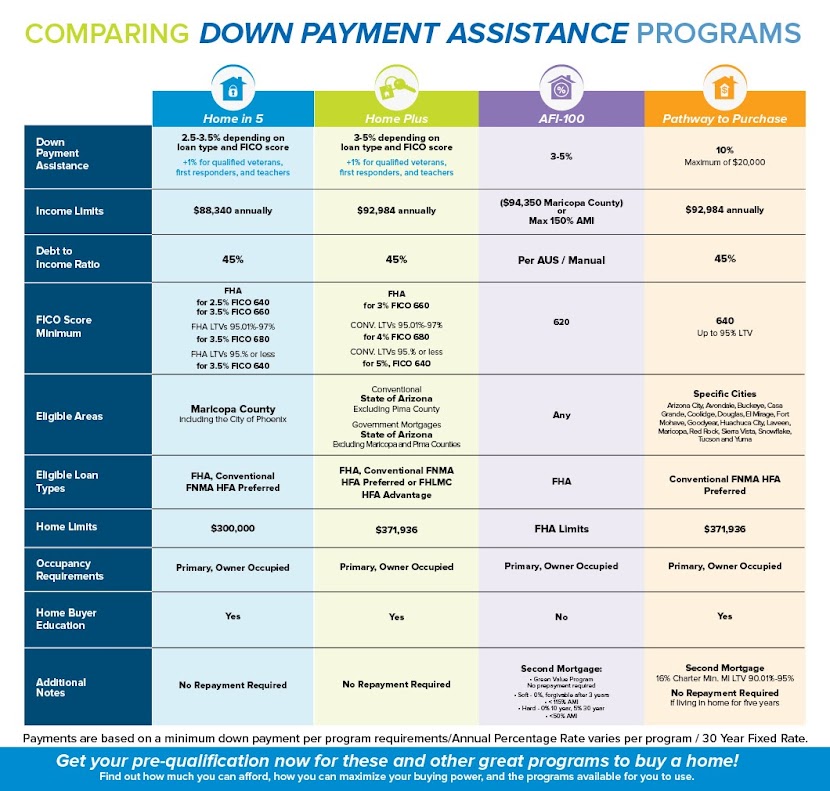
- HOME+: This program provides a second mortgage for down payment and/or closing cost assistance, typically 3-5% of the first mortgage loan amount, often forgivable after a certain period. It can be paired with FHA, VA, USDA, and conventional loans.
- Pathway to Purchase (PTP): This program offers a fixed 30-year first mortgage with DPA equal to 3% of the first mortgage loan amount. It’s often combined with FHA or VA loans.
- Key Advantage: Broad applicability, often higher assistance amounts than federal programs, but generally for off-reservation homes.
-
Tribally Designated Housing Entities (TDHEs) / Tribal Housing Authorities: Many of Arizona’s 22 federally recognized tribes have their own housing departments or TDHEs (funded primarily through the Native American Housing Assistance and Self-Determination Act – NAHASDA).
- How it works: These entities often administer their own DPA or rental assistance programs, sometimes offering direct grants, low-interest loans, or credit counseling tailored to their tribal members. They are specifically designed to address housing needs on reservation lands.
- Key Advantage: Culturally competent, community-focused, understand the unique challenges of tribal land.
-
Non-Profit Organizations and Community Development Financial Institutions (CDFIs): Organizations like Native Community Capital, National Council of La Raza (now UnidosUS), and local community housing development organizations (CHDOs) often offer financial literacy, homebuyer education, and sometimes direct DPA or gap financing to underserved communities, including Indigenous populations.
- Key Advantage: Personalized support, often fill gaps where government programs might not reach.
Pros: The "Features" and "Benefits" of DPA Programs
- Financial Accessibility: The most obvious benefit. DPA programs significantly reduce the initial financial hurdle, which is often the most significant barrier to homeownership. This makes owning a home a tangible reality for those who might otherwise be priced out of the market.
- Wealth Building and Equity: Homeownership is a primary driver of intergenerational wealth. By facilitating access to homeownership, DPA programs enable Indigenous families to build equity, create a financial asset, and secure a more stable future for their children and grandchildren.
- Community Stability and Cultural Preservation: For Indigenous communities, homeownership, especially on or near ancestral lands, contributes to community stability, reduces displacement, and helps preserve cultural ties and traditions. Programs like Section 184 and TDHE initiatives are specifically designed with this in mind.
- Reduced Monthly Housing Costs: While DPA covers the down payment, reducing the loan amount (or eliminating private mortgage insurance in some cases) can lead to lower monthly mortgage payments, making homeownership more affordable in the long run.
- Access to Favorable Loan Terms: DPA often works in conjunction with government-backed loans (FHA, VA, USDA, Section 184) which typically have more flexible underwriting standards and competitive interest rates than conventional loans.
- Mandatory Homebuyer Education: Many DPA programs require homebuyer education. While seemingly an extra step, this education equips buyers with essential knowledge about the homebuying process, financial management, and homeowner responsibilities, leading to more sustainable homeownership.
- Tailored Support for Unique Circumstances: Programs like Section 184 and those offered by TDHEs are specifically designed to navigate the complexities of tribal land ownership, leasehold agreements, and the unique socio-economic factors within Indigenous communities.
Cons: The "Drawbacks" and "Limitations" of DPA Programs
- Complexity and Bureaucracy: The sheer number of programs, each with its own eligibility criteria, application process, and documentation requirements, can be overwhelming. Navigating this labyrinth can be frustrating and time-consuming, requiring significant persistence.
- Limited Funding and Availability: DPA programs, especially grants, are often limited by funding cycles and may run out of money quickly. This can lead to competitive application processes and the disappointment of missing out even if technically eligible.
- Geographic Restrictions: Some programs are limited to specific areas (e.g., ADOH programs are generally for off-reservation homes, while TDHE programs are for on-reservation). This can restrict choice for individuals who wish to live in a particular location.
- Eligibility Hurdles: While designed to help, income limits can sometimes be too low for moderate-income families or too high for very low-income families. Credit score requirements, while more flexible for some programs (like Section 184), can still be a barrier. The "first-time homebuyer" definition can also be restrictive.
- Second Mortgage Implications: While often beneficial, deferred or forgivable second mortgages add a layer of complexity. If a homeowner sells or refinances before the forgiveness period, they may owe a significant lump sum, which can be an unexpected financial burden.
- Appraisal Challenges on Tribal Lands: Appraising homes on tribal trust land can be more complex due to the unique land ownership structure and a lack of comparable sales, which can sometimes delay or complicate the lending process.
- Lack of Awareness and Outreach: Many eligible Indigenous individuals and families remain unaware of these programs due to insufficient outreach and culturally insensitive communication strategies.
- Time-Consuming Process: The application, approval, and closing process for DPA programs can add several weeks or even months to the homebuying timeline, requiring patience and meticulous organization.
The "User Experience": Navigating the DPA Landscape
The "user experience" for Indigenous homebuyers engaging with DPA programs can vary widely. It often involves:
- Initial Research: Identifying potential programs based on income, location (on vs. off-reservation), and credit profile.
- Homebuyer Education: Completing mandatory courses, often provided by HUD-approved counseling agencies or tribal housing authorities.
- Pre-qualification/Pre-approval: Working with a lender familiar with DPA programs, especially Section 184.
- Application Process: Gathering extensive documentation (pay stubs, tax returns, bank statements, tribal enrollment verification).
- Coordination: Ensuring the DPA program aligns with the primary mortgage program and that all deadlines are met.
- Closing: Attending closing, often with multiple documents related to both the primary mortgage and the DPA.
A positive experience hinges on proactive research, working with knowledgeable professionals, and a willingness to be thorough and patient.
"Purchase Recommendation": Finding the Right Program for You
Given the complexities, a blanket "buy" or "don’t buy" recommendation isn’t appropriate. Instead, the recommendation focuses on strategic engagement and personalized program selection:
Overall Recommendation: Strongly Recommended, with Caveats.
Down payment assistance programs are an invaluable resource for Indigenous people in Arizona seeking homeownership. Their benefits in overcoming financial barriers, building wealth, and fostering community stability far outweigh the inherent complexities. However, success hinges on a well-informed and strategic approach.
Specific Recommendations for Indigenous Homebuyers in Arizona:
- Embrace Education and Counseling: This is paramount. Engage with HUD-approved housing counseling agencies, tribal housing authorities, or non-profits that specialize in Native American homeownership. They can help you understand your options, assess eligibility, and navigate the application process.
- Prioritize HUD Section 184 for On-Reservation or Tribal-Focused Homeownership: If you are considering a home on tribal land or desire a program specifically designed for Native Americans, the Section 184 loan is your primary "product." Seek lenders with extensive experience in originating and closing Section 184 loans.
- Explore ADOH Programs for Off-Reservation Opportunities: If you’re looking for a home off-reservation, the ADOH HOME+ or Pathway to Purchase programs are excellent options that can be combined with conventional or government-backed primary mortgages (FHA, VA).
- Connect with Your Tribal Housing Authority: Even if you plan to buy off-reservation, your tribe’s housing authority may offer resources, education, or even their own DPA programs that can supplement state or federal assistance. They are a critical, culturally competent resource.
- Understand the "Fine Print" of DPA: Carefully review the terms of any second mortgage (forgivable, deferred, or repayable). Understand when and if repayment is triggered to avoid future surprises.
- Strengthen Your Financial Profile: While DPA helps, improving your credit score and reducing debt will make you a more attractive candidate for both DPA and primary mortgage lenders, potentially unlocking better terms.
- Be Patient and Persistent: The homebuying journey with DPA can be long and require resilience. Maintain meticulous records, follow up regularly, and don’t get discouraged by initial hurdles.
- Consider the Long-Term Costs: While DPA reduces upfront costs, factor in ongoing expenses like property taxes, homeowner’s insurance, utilities, and maintenance when budgeting for homeownership.
Conclusion
Down payment assistance programs are not just financial products; they are powerful catalysts for change, offering Indigenous individuals and families in Arizona a tangible pathway to achieving the American dream of homeownership. While the "user experience" can be complex, the "features" and "benefits" of these programs—from fostering wealth creation and financial stability to supporting cultural preservation and community development—are invaluable.
By understanding the available programs, seeking expert guidance, and approaching the process with diligence and patience, Indigenous homebuyers can effectively leverage these tools. The journey to homeownership is a profound one, and with the right assistance, it is a dream that is increasingly within reach, building a stronger future for individuals, families, and Indigenous communities across Arizona.


