
Review: Navigating the Lifeline – An In-Depth Look at Foreclosure Prevention for Native American Mortgages
The Dream Under Threat: Preserving Homeownership in Native American Communities
Homeownership is a cornerstone of the American dream, representing stability, wealth building, and a legacy for future generations. For Native American families, it carries an even profounder significance, often intertwining with cultural identity, ancestral lands, and community well-being. However, this dream, particularly within tribal lands and for Indigenous homeowners, faces unique vulnerabilities. Economic disparities, historical injustices, complex land tenure systems, and a lack of access to traditional financial resources can make Native American mortgages particularly susceptible to distress, leading to the devastating prospect of foreclosure.
This article serves as a comprehensive "product review" of the collective strategies, programs, and resources available for foreclosure prevention specifically tailored for Native American mortgages. While not a tangible product, we are evaluating the efficacy, accessibility, and overall value of this vital support system. We will delve into its advantages and disadvantages, ultimately providing a "buying recommendation" – a crucial guide for those facing the daunting challenge of mortgage default.
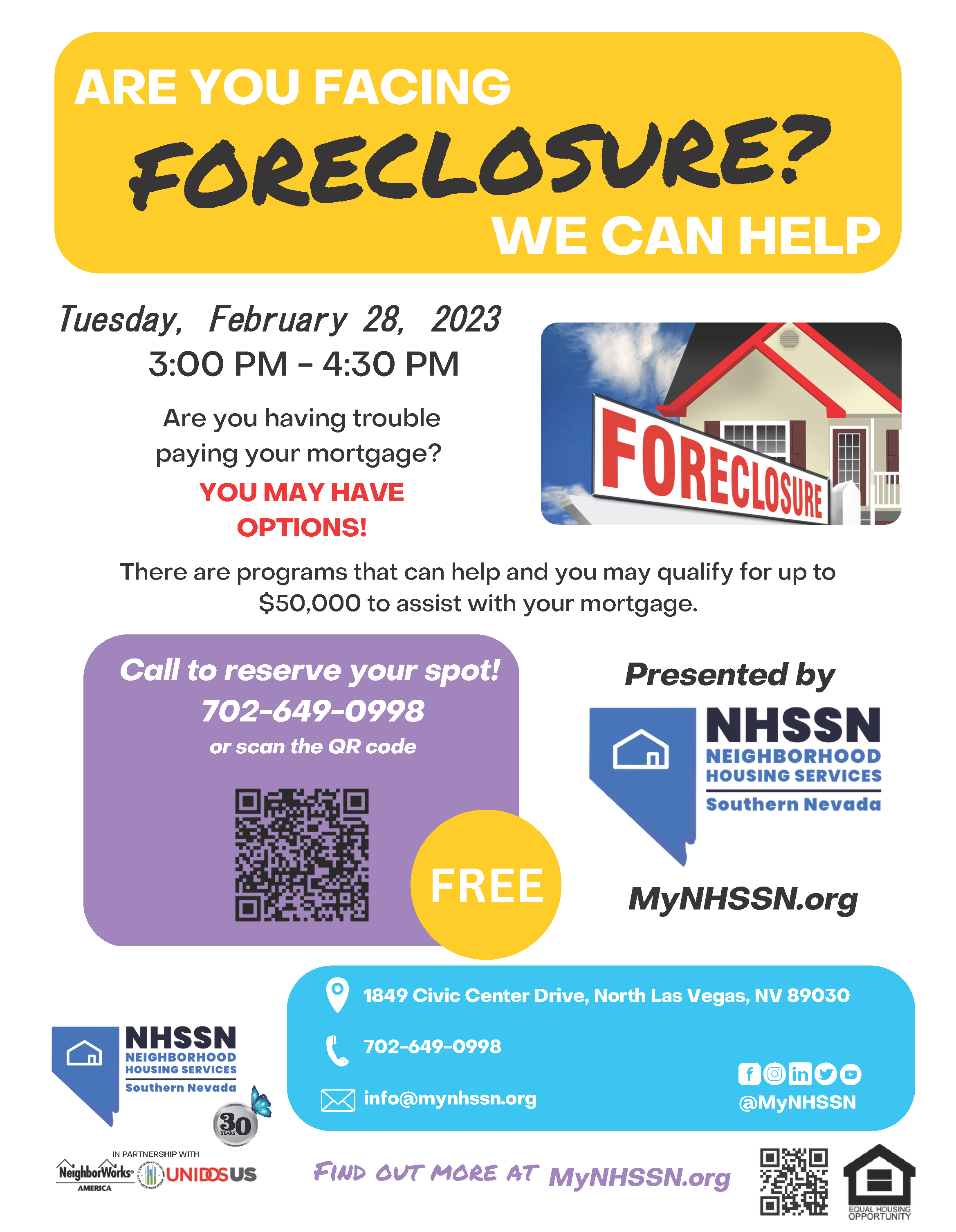
Product Overview: The Foreclosure Prevention Ecosystem for Native American Mortgages
The "product" we are reviewing is a multi-faceted ecosystem of support designed to help Native American homeowners retain their homes. It encompasses a range of services, policies, and partnerships aimed at mitigating the unique risks associated with Indigenous homeownership. This system primarily addresses mortgages acquired through various channels, including the Section 184 Indian Home Loan Guarantee Program (the most prevalent federal program for Native Americans), VA loans, USDA Rural Development loans, and conventional mortgages on fee simple land or leasehold interests.
Key Components of the "Product":
- HUD Section 184 Program Servicing and Loss Mitigation: As the flagship program, Section 184 has specific servicing guidelines that are often more flexible and culturally sensitive than conventional loans. This includes specialized loss mitigation options, such as loan modifications, forbearance agreements, and streamlined processes tailored to the unique aspects of tribal land and trust status.
- Housing Counseling Agencies (HUD-Approved & Tribal-Specific): These agencies offer crucial guidance, helping homeowners understand their mortgage terms, assess their financial situation, and navigate the complex landscape of foreclosure prevention. Many agencies specialize in Section 184 or possess deep knowledge of tribal housing issues.
- Loan Modification Programs: Lenders, often incentivized by federal programs, may offer to alter the terms of a mortgage (interest rate, loan term, principal balance) to make payments more affordable.
- Forbearance Agreements: A temporary pause or reduction in mortgage payments, typically granted during periods of financial hardship, with a plan for repayment.
- Refinancing Options: For those with improved financial standing or sufficient equity, refinancing can lower monthly payments or provide more favorable terms.
- Tribal Housing Authorities & Programs: Many tribes operate their own housing departments, offering direct assistance, educational resources, and sometimes financial aid or rental assistance that can indirectly prevent foreclosure.
- Legal Aid Services: Non-profit legal organizations can provide critical representation and advice, especially when dealing with complex servicer issues, predatory lending, or property disputes on trust land.
- Federal and State Assistance Programs: Broader programs like the Homeowner Assistance Fund (HAF) (post-COVID-19) or state-specific programs can provide direct financial aid for mortgage payments, property taxes, or utilities.
This "product" is not a single, unified entity, but rather a network of interconnected services, each playing a critical role in bolstering homeownership stability within Native American communities.
Advantages (Pros) of the Foreclosure Prevention Ecosystem for Native American Mortgages
Our assessment reveals several significant strengths of this support system:
- Culturally Competent and Tailored Support: A major advantage, particularly with HUD-184 and specialized counseling agencies, is the understanding of the unique cultural, economic, and legal context of Native American communities. Counselors often grasp the intricacies of trust land, tribal laws, and the importance of homeownership as a cultural anchor, leading to more empathetic and effective solutions.
- Flexible Loss Mitigation for Section 184 Loans: The Section 184 program is designed with flexibility in mind. Its servicing guidelines often allow for more lenient and creative loss mitigation strategies compared to conventional loans, acknowledging the unique challenges on tribal lands. This can include longer forbearance periods or more accessible loan modifications.
- Emphasis on Education and Empowerment: Many prevention efforts prioritize educating homeowners about their rights, responsibilities, and available options. This empowers individuals to make informed decisions and proactively address financial challenges, rather than passively waiting for a crisis.
- Preservation of Community Stability: Preventing foreclosure in Native American communities extends beyond individual families. It helps maintain the social fabric, cultural continuity, and economic stability of the entire tribal nation, preventing the displacement of residents from their ancestral lands.
- Access to Specialized Expertise: Homeowners can access counselors and legal professionals who are well-versed in federal Indian law, tribal housing codes, and the specifics of the Section 184 program. This specialized knowledge is invaluable when navigating complex issues.
- Federal Backing and Guarantees: For programs like HUD-184, the federal guarantee provides a layer of security for lenders, making them more willing to work with borrowers on loss mitigation options, knowing their investment is protected.
- Holistic Approach to Financial Well-being: Effective foreclosure prevention often goes hand-in-hand with broader financial counseling, addressing budgeting, credit repair, and long-term financial planning, thereby improving overall economic resilience.
Disadvantages (Cons) of the Foreclosure Prevention Ecosystem for Native American Mortgages
Despite its strengths, the system faces significant drawbacks and challenges that can hinder its effectiveness:
- Awareness and Accessibility Gaps: Many Native American homeowners, especially those in remote or rural areas, are simply unaware of the existence of these programs and resources. Limited internet access, transportation barriers, and a lack of targeted outreach can severely impede access to critical information and assistance.
- Complexity and Fragmentation of Resources: The ecosystem is not a single, easily navigable portal. Homeowners often have to piece together information from various federal agencies, tribal housing departments, non-profits, and loan servicers, leading to confusion, frustration, and missed opportunities.
- Inconsistent Servicer Knowledge and Cooperation: While HUD-184 has specific guidelines, not all loan servicers are equally knowledgeable or cooperative. Homeowners may encounter servicers unfamiliar with the unique aspects of tribal land or Section 184, leading to delays, miscommunications, and incorrect information. This can force borrowers into an adversarial role, demanding their rights.
- Bureaucracy and Paperwork Burden: Applying for assistance, whether it’s a loan modification or financial aid, often involves extensive paperwork, documentation, and repeated submissions. This burden can be overwhelming, especially for individuals already under stress, or those with limited literacy or digital access.
- Limited Funding and Capacity: Many tribal housing authorities and non-profit counseling agencies operate with limited funding and staff. This can restrict their ability to reach all eligible homeowners, provide comprehensive one-on-one support, or offer direct financial assistance.
- Historical Distrust and Stigma: Generations of historical trauma, broken promises, and systemic discrimination can foster a deep-seated distrust of government agencies and financial institutions. This reluctance to seek help, coupled with the stigma sometimes associated with financial hardship, can prevent homeowners from engaging with prevention programs early enough.
- Unique Challenges of Trust Land: While Section 184 addresses some of these, the complexities of trust land (e.g., leases, appraisals, legal jurisdiction, and the inability to use the land itself as traditional collateral) can still complicate foreclosure processes and make it harder to find alternative financing or remedies if a Section 184 loan isn’t involved.
- Digital Divide: The disparity in internet access and digital literacy in many Native American communities makes online application processes, virtual counseling, and remote communication with servicers incredibly difficult, exacerbating existing inequalities.
- Language Barriers: For some Indigenous homeowners, English may not be their primary language, adding another layer of difficulty in understanding complex financial and legal documents without culturally and linguistically appropriate support.
Performance and Effectiveness: Does the "Product" Deliver?
When evaluating the "performance" of this foreclosure prevention ecosystem, the data is often anecdotal but compelling. For those who successfully engage with the system, it can be highly effective. Loan modifications and forbearance agreements have demonstrably saved homes, particularly during economic downturns like the COVID-19 pandemic, when programs like the Homeowner Assistance Fund provided critical lifelines. HUD-184’s built-in flexibility is often cited as a key factor in successful loss mitigation for Indigenous homeowners.
However, the "product’s" effectiveness is heavily contingent on early intervention and persistent engagement. Homeowners who reach out before falling critically behind on payments have a significantly higher chance of success. The system often struggles to reach those most in need due to the "cons" outlined above – particularly awareness, accessibility, and the digital divide.
The true measure of its performance isn’t just in the number of successful modifications, but in how many at-risk homeowners are able to access and navigate the system effectively. Here, the performance is uneven. While the tools exist, the pathways to them are often obstructed.
User Experience: Navigating the Maze
For a Native American homeowner facing mortgage distress, the "user experience" of this prevention system can range from a supportive lifeline to an overwhelming bureaucratic nightmare.
The Ideal Scenario: A homeowner proactively reaches out to a knowledgeable, culturally sensitive HUD-approved counselor or tribal housing authority. They receive clear, step-by-step guidance, assistance with paperwork, and advocacy with their servicer. A viable solution (e.g., a loan modification) is found, and the home is saved. This experience is empowering and reassuring.
The Common Reality: A homeowner, already stressed by financial hardship, struggles to find information. They might call their servicer, only to be met with a representative unfamiliar with Section 184 or tribal land issues. They might fill out forms incorrectly, face delays, or get contradictory information. They might feel isolated, navigating complex financial and legal jargon without adequate support, and face the threat of losing their home and connection to their community. The experience can be exhausting, disempowering, and ultimately, unsuccessful despite the available resources.
The "user" (the homeowner) often needs to be highly motivated, persistent, and capable of self-advocacy, or fortunate enough to find an excellent advocate, to successfully navigate this system.
Buying Recommendation: An Essential, Yet Imperfect, Investment
Our Verdict: An Absolutely Essential Purchase (with Caveats)
While this "product" is far from perfect, riddled with accessibility issues and bureaucratic hurdles, it is an absolutely essential "purchase" for any Native American homeowner facing mortgage distress. The question isn’t whether to "buy" (i.e., engage with) this system, but how to best utilize it despite its flaws.
Who is this "Product" For?
- Any Native American homeowner struggling to make mortgage payments.
- Homeowners who have received a notice of default or foreclosure.
- Those experiencing a significant life event (job loss, illness, divorce) impacting their finances.
- Homeowners on tribal trust land, fee simple land, or using HUD-184, VA, or USDA loans.
Our Recommendation:
- Act Immediately, Do Not Wait: This is the single most critical piece of advice. The earlier you engage with foreclosure prevention resources, the more options you will have and the higher your chances of success. Do not ignore notices from your servicer.
- Prioritize Housing Counseling: Your first "purchase" should be engaging with a HUD-approved housing counseling agency that specializes in Native American housing or the Section 184 program. These agencies are your best navigators through the complex system. Look for counselors with specific experience on tribal lands.
- Leverage Tribal Resources: Contact your Tribal Housing Authority or relevant tribal departments. They often have unique programs, resources, or connections to help tribal members.
- Understand Your Mortgage: If you have a Section 184 loan, familiarize yourself with its specific servicing guidelines and loss mitigation options. If you have another type of loan, understand its terms.
- Document Everything: Keep meticulous records of all communications with your servicer, counselors, and other agencies. Note dates, times, names of people you spoke with, and summaries of conversations. Keep copies of all submitted documents.
- Be Persistent and Patient: The process can be long and frustrating. Be prepared to follow up repeatedly, resubmit documents, and advocate for yourself. If one path isn’t working, ask about alternatives.
- Seek Legal Advice if Necessary: If you encounter significant resistance from your servicer, believe your rights are being violated, or face complex legal issues, seek help from a legal aid organization specializing in housing or Native American law.
The Future Outlook:
The "product" is evolving. There’s a growing recognition of the unique needs of Native American homeowners, and efforts are underway to improve accessibility, streamline processes, and enhance cultural competency. However, significant investment in outreach, digital infrastructure, and capacity building for tribal housing entities is still desperately needed.
In conclusion, while the foreclosure prevention ecosystem for Native American mortgages is a complex and often challenging system to navigate, its potential to save homes and preserve the fabric of Indigenous communities makes it an invaluable, indeed indispensable, resource. For those facing the threat of foreclosure, it is not just a set of options, but a lifeline that, with diligent engagement, can secure the dream of homeownership for generations to come.


