
Navigating Financial Waters: A Comprehensive Guide to Debt Consolidation for Tribal Homeowners
Debt can feel like a heavy anchor, dragging down financial stability and causing immense stress. For tribal homeowners, this burden can be compounded by unique challenges stemming from land tenure, limited access to mainstream financial services, and historical economic disparities. Debt consolidation, the process of combining multiple debts into a single, more manageable payment, offers a potential lifeline. However, its application within tribal communities requires a nuanced understanding of both its universal benefits and the specific intricacies of tribal land ownership, federal programs, and cultural considerations.
This comprehensive guide will explore debt consolidation for tribal homeowners, detailing its advantages and disadvantages, examining the various options available, and providing actionable recommendations to help individuals make informed financial decisions.
The Unique Landscape for Tribal Homeowners
Before diving into debt consolidation, it’s crucial to acknowledge the distinct environment in which many tribal homeowners operate.
- Land Tenure Complexity: Unlike typical fee-simple land ownership, many tribal lands are held in trust by the U.S. government for the benefit of individual Native Americans (allotments) or tribes. This trust status can complicate the use of land as collateral for loans, as it restricts alienation and encumbrance. While some tribal members own fee-simple land, navigating these distinctions is paramount for any secured lending product.
- Sovereignty and Jurisdiction: Tribal nations possess inherent sovereign authority, which can influence legal and financial frameworks within their territories. While federal laws apply, tribal laws and court systems may also play a role, adding layers of complexity to loan agreements and enforcement.
- Limited Access to Mainstream Finance: Geographic isolation, lack of conventional infrastructure, and historical biases often mean fewer traditional banks and credit unions operate on or near tribal lands. This can limit access to competitive loan products and financial counseling services.
- Federal Housing Programs: Programs like the HUD Section 184 Indian Home Loan Guarantee Program and the VA Native American Direct Loan (NADL) are vital tools for tribal homeowners. These programs offer unique benefits, including low down payments, flexible underwriting, and favorable interest rates, designed to overcome the specific barriers faced by Native Americans in accessing homeownership. Their role in debt consolidation is particularly significant.
- Cultural Considerations: Financial decisions often intertwine with cultural values, community obligations, and family responsibilities. Understanding these dynamics is essential for effective financial planning.
What is Debt Consolidation?
At its core, debt consolidation is the process of taking out a new loan to pay off several other debts. The goal is typically to simplify payments, reduce the overall interest rate, or lower the monthly payment amount, thereby making debt more manageable. Common types of debt consolidated include credit card balances, personal loans, medical bills, and other unsecured debts.

The Case for Debt Consolidation for Tribal Homeowners: Advantages (Kelebihan)
For tribal homeowners, debt consolidation, when approached strategically, can offer several significant benefits:
- Simplified Payments: Juggling multiple due dates, interest rates, and minimum payments can be overwhelming. Consolidating debts into a single monthly payment streamlines financial management, reducing the likelihood of missed payments and late fees.
- Potentially Lower Interest Rates: If a tribal homeowner has high-interest debts (like credit cards with APRs often exceeding 20-30%), consolidating into a loan with a lower interest rate can save a substantial amount of money over time. This is especially true if they can leverage their home equity through specific programs.
- Reduced Financial Stress: The psychological burden of overwhelming debt is immense. A clear, manageable repayment plan can alleviate stress, improve mental well-being, and free up mental energy for other aspects of life.
- Improved Credit Score (with responsible management): Consolidating high-interest, revolving debts (like credit cards) into an installment loan can positively impact credit utilization, a major factor in credit scores. Additionally, consistent, on-time payments on the consolidated loan will gradually build a stronger credit history.
- Faster Debt Repayment (if structured correctly): If the new loan has a lower interest rate and the homeowner maintains or increases their previous combined monthly payment amount, they can pay off their debt more quickly.
- Protection of Assets (e.g., Home Equity): For those at risk of defaulting on debts that could lead to collection actions or even property liens, consolidation can offer a structured path to avoid such outcomes, thereby protecting the family home and its equity.
- Leveraging Federal Programs: For tribal homeowners, the HUD Section 184 program is a game-changer. It allows for "cash-out" refinancing, enabling homeowners to tap into their home equity for debt consolidation while retaining the favorable terms of a federal loan designed for Native Americans. Similarly, VA NADL recipients may have options. This is a crucial advantage not available to all homeowners.
- Avoiding Predatory Lenders: By providing a pathway to consolidate debt through legitimate, regulated channels (especially through federal programs or reputable lenders), homeowners can avoid falling prey to high-cost, predatory lenders who often target vulnerable communities.
- Financial Stability and Empowerment: Successful debt consolidation can provide a fresh start, fostering financial literacy and empowering individuals to take greater control over their economic future, potentially breaking cycles of intergenerational debt.
Potential Pitfalls and Challenges: Disadvantages (Kekurangan)
While attractive, debt consolidation is not without its risks, particularly for tribal homeowners:
- Longer Repayment Period, More Overall Interest: While monthly payments might decrease, extending the repayment period can result in paying more in total interest over the life of the loan. This is a common trade-off for lower monthly payments.
- Hidden Fees and Charges: Some lenders impose origination fees, balance transfer fees, or other charges that can eat into the savings from a lower interest rate. Tribal homeowners must scrutinize all terms.
- Risk of Accumulating More Debt: A common pitfall is that after consolidating, individuals may be tempted to run up new debts on their now-empty credit cards. This can lead to a worse financial situation than before consolidation.
- Impact on Credit Score (Initial Dip): Applying for a new loan involves a hard credit inquiry, which can temporarily lower a credit score. Additionally, closing old accounts after consolidation can slightly reduce the average age of accounts.
- Securing Debt with the Home (Increased Risk): Using a home equity loan or a cash-out refinance for debt consolidation means transforming unsecured debts (like credit cards) into a secured debt. If the homeowner defaults on the consolidated loan, they risk losing their home, a far more severe consequence than defaulting on an unsecured credit card. This risk is amplified for tribal homeowners whose homes might represent ancestral ties and community stability.
- Limited Lender Options and Understanding of Tribal Land: Many mainstream lenders lack experience with the complexities of trust land or the nuances of federal tribal housing programs. This can make it difficult for tribal homeowners to find lenders willing to work with them or who offer competitive rates.
- Loss of Federal Loan Benefits: A significant risk for tribal homeowners who have a HUD 184 or VA NADL loan is refinancing into a conventional loan. While a conventional cash-out refinance might consolidate debt, it would mean losing the unique benefits (low rates, flexible underwriting, no mortgage insurance on 184 after a certain LTV) of the federal program. It’s crucial to explore HUD 184 or VA NADL cash-out options first.
- Predatory Lending Risks: Due to limited options, some tribal homeowners might be more susceptible to predatory lenders who offer high-interest, exploitative consolidation loans, especially those that encourage leveraging their home under unfavorable terms.
- Not Addressing Root Causes: Debt consolidation is a tool, not a solution to underlying financial mismanagement. If spending habits or budgeting issues are not addressed, the cycle of debt can quickly repeat.
- Cultural Stigma: In some tribal communities, discussing financial difficulties or debt might carry a social stigma, making it harder for individuals to seek help or financial counseling.
Types of Debt Consolidation Options and Their Relevance for Tribal Homeowners
Understanding the different mechanisms for debt consolidation is key to making an informed decision.
-
Secured Debt Consolidation (Leveraging Home Equity):
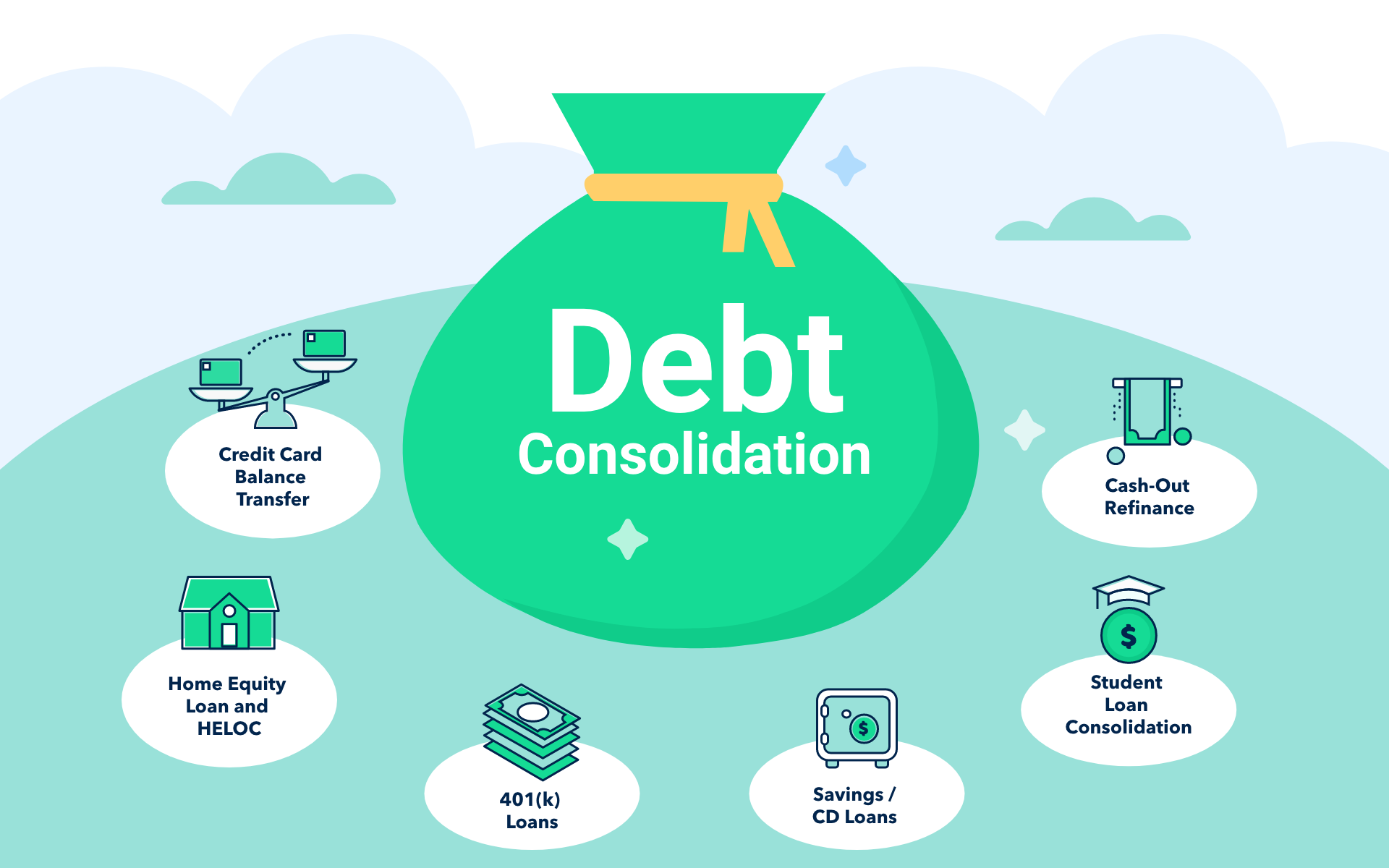
- HUD Section 184 Cash-Out Refinance: This is often the most advantageous option for tribal homeowners with existing HUD 184 loans. It allows homeowners to refinance their current loan for a higher amount, taking out the difference in cash to pay off other debts. The key benefit is retaining the favorable terms of the HUD 184 program. Lenders specializing in HUD 184 loans are best equipped for this.
- VA Native American Direct Loan (NADL) Refinance: Similar to HUD 184, veterans on tribal lands who have a VA NADL may be able to refinance their loan to include cash-out for debt consolidation, maintaining the unique benefits of the VA program.
- Home Equity Loan (HEL) or Home Equity Line of Credit (HELOC): These allow homeowners to borrow against the equity in their home. However, for tribal homeowners, using trust land as collateral can be complex due to federal restrictions. This option is generally more viable for those with fee-simple land or through specific tribal lending institutions that have mechanisms for dealing with restricted land. Caution is advised for those with trust land.
- Conventional Cash-Out Refinance: Refinancing an existing mortgage (whether conventional or even a federal loan) into a new, larger conventional mortgage to pull out cash. This is generally not recommended if the homeowner has a HUD 184 or VA NADL, as it means losing those programs’ unique benefits.
-
Unsecured Debt Consolidation:
- Personal Loans: These are typically unsecured installment loans offered by banks, credit unions, or online lenders. They can be a good option for consolidating credit card debt, medical bills, or other unsecured loans into a single payment with a fixed interest rate. Access to these loans may be more limited for tribal homeowners due to location or credit history, but some community development financial institutions (CDFIs) or tribal lending programs may offer them.
- Balance Transfer Credit Cards: These allow individuals to transfer high-interest credit card balances to a new card, often with a 0% introductory APR for a promotional period (e.g., 6-18 months). This can be highly effective if the homeowner can pay off the transferred balance before the promotional period ends and the standard, higher APR kicks in. However, transfer fees often apply, and approval depends on creditworthiness.
- Debt Management Plans (DMPs) through Credit Counseling: Not strictly a loan, a DMP involves working with a non-profit credit counseling agency. The agency negotiates with creditors to lower interest rates and waive fees, then consolidates payments into a single monthly sum paid to the agency, which then disburses funds to creditors. This is an excellent option for those struggling with unsecured debt who don’t want to use their home as collateral and need structured support. Look for agencies experienced with tribal communities.
Recommendations and Best Practices (Rekomendasi Pembelian/Pilihan)
Choosing the right debt consolidation strategy is a critical decision. For tribal homeowners, these recommendations are paramount:
-
Thorough Financial Assessment:
- Create a detailed budget: Understand exactly where money is going and identify areas for reduction.
- List all debts: Include creditor, outstanding balance, interest rate, minimum payment, and due date. This will highlight high-interest debts that should be prioritized.
- Understand your credit score: Obtain a free credit report from AnnualCreditReport.com. A better credit score will open doors to lower interest rates.
-
Prioritize Federal Loan Programs (HUD 184 / VA NADL):
- If you have an existing HUD 184 or VA NADL loan: Your first step should be to explore a cash-out refinance through these programs. Contact lenders specializing in these federal programs. This allows you to leverage your home equity while retaining favorable loan terms and avoiding the complexities of conventional lending on tribal land.
- If you don’t have these loans but are eligible: Consider whether obtaining one for the purpose of refinancing and consolidating debt is a viable long-term strategy, although initial acquisition might involve a home purchase, which isn’t the direct goal here.
-
Seek Culturally Competent Financial Counseling:
- Look for non-profit credit counseling agencies or financial advisors who have experience working with Native American communities and understand the unique aspects of tribal land and federal programs. Organizations like the National American Indian Housing Council (NAIHC) or local tribal housing authorities may be able to provide referrals.
- A counselor can help you evaluate options, create a budget, and develop a long-term financial plan.
-
Research Lenders Thoroughly:
- Focus on lenders known for working with tribal communities and who have expertise in HUD 184 and VA NADL programs.
- Compare interest rates, fees (origination fees, prepayment penalties, annual fees), and repayment terms from multiple lenders. Don’t just look at the monthly payment; calculate the total cost over the loan’s life.
- Ask direct questions about their experience with tribal land tenure and how they handle specific situations.
-
Understand Your Land Tenure:
- If considering a secured loan (home equity), confirm whether your land is fee-simple or held in trust. This will significantly impact your options. Consult with your tribal housing authority or a legal expert familiar with tribal land law.
-
Evaluate Unsecured Options:
- If home equity options are not viable or desired, explore personal loans from reputable banks, credit unions, or CDFIs.
- Consider balance transfer credit cards if you are disciplined enough to pay off the balance before the promotional APR expires.
- A Debt Management Plan through a non-profit credit counseling agency is an excellent alternative that doesn’t involve new loans or using your home as collateral.
-
Beware of Scams and Predatory Lenders:
- Be extremely wary of unsolicited offers, especially those promising quick fixes, requiring upfront fees, or pressuring you to sign immediately.
- High interest rates, excessive fees, or vague terms are red flags. Always verify a lender’s legitimacy.
-
Address Root Causes:
- Debt consolidation is a tool; it’s not a magical cure. Alongside consolidation, commit to improving your budgeting, spending habits, and financial literacy. Create an emergency fund to avoid relying on credit for unexpected expenses.
-
Read the Fine Print:
- Before signing any loan agreement, read and understand every clause. Ask questions about anything unclear. Know the total amount you will repay, not just the monthly payment.
Conclusion
Debt consolidation presents a powerful opportunity for tribal homeowners to regain control over their finances, simplify their debt obligations, and potentially save money. However, the path to successful consolidation is uniquely shaped by the complexities of tribal land tenure, the availability of specialized federal programs like HUD Section 184 and VA NADL, and the need for culturally informed financial guidance.
By thoroughly assessing their financial situation, prioritizing federal loan options, seeking expert advice from those familiar with tribal financial landscapes, and diligently comparing all available choices, tribal homeowners can navigate these waters with confidence. The goal is not just to consolidate debt, but to build a foundation for lasting financial stability and empower individuals and families to thrive within their communities. Informed decisions, combined with a commitment to responsible financial management, are the anchors that will secure a brighter financial future.


