Building on Sacred Ground: A Comprehensive Review of Obtaining a Home Loan on Undeveloped Tribal Land
The dream of homeownership is deeply ingrained in the human spirit, a desire for stability, security, and a place to call one’s own. For many Native Americans, this dream is compounded by a profound connection to ancestral lands, a yearning to build a future on the very soil that holds generations of history and culture. However, translating this dream into a tangible reality on undeveloped tribal land presents a unique set of challenges and opportunities that diverge significantly from conventional home loan processes.
This article serves as a comprehensive review of the intricate journey of securing a home loan on undeveloped tribal land. We will delve into the specific mechanisms, the inherent advantages and disadvantages, and ultimately provide a recommendation for those contemplating this significant undertaking.
Understanding the Landscape: Tribal Land Tenure and Its Implications
Before diving into loan specifics, it’s crucial to understand the unique legal framework governing tribal lands. The vast majority of tribal lands in the United States are held in "trust" by the federal government for the benefit of the tribe or individual tribal members. This "trust land" status means it cannot be bought or sold like fee-simple land, nor can it be directly used as collateral by a traditional lender. This is the primary hurdle for conventional mortgage financing.

Other forms of tribal land tenure include:
- Allotments: Parcels of trust land held by individual tribal members, often passed down through generations. These also cannot be freely sold.
- Fee Simple Land within Reservations: Some land within reservation boundaries is privately owned (fee simple), often by non-Natives or tribal members who purchased it. Loans on this type of land are more straightforward, akin to off-reservation loans.
- Tribally-Owned Fee Land: Some tribes purchase land in fee simple, which they then own directly. This can also be used for housing development with different lending implications.
For the purpose of this review, we will primarily focus on the complexities of obtaining a home loan on undeveloped trust land – the most challenging and common scenario for tribal members seeking to build on ancestral grounds.
The Product: Navigating the Path to a Home Loan on Undeveloped Tribal Land
Getting a home loan on undeveloped tribal land isn’t a single "product" but rather a specialized process facilitated by specific government-backed programs and partnerships. The "product" we are reviewing is the feasibility and process of achieving this goal.
Key Programs and Mechanisms:
-
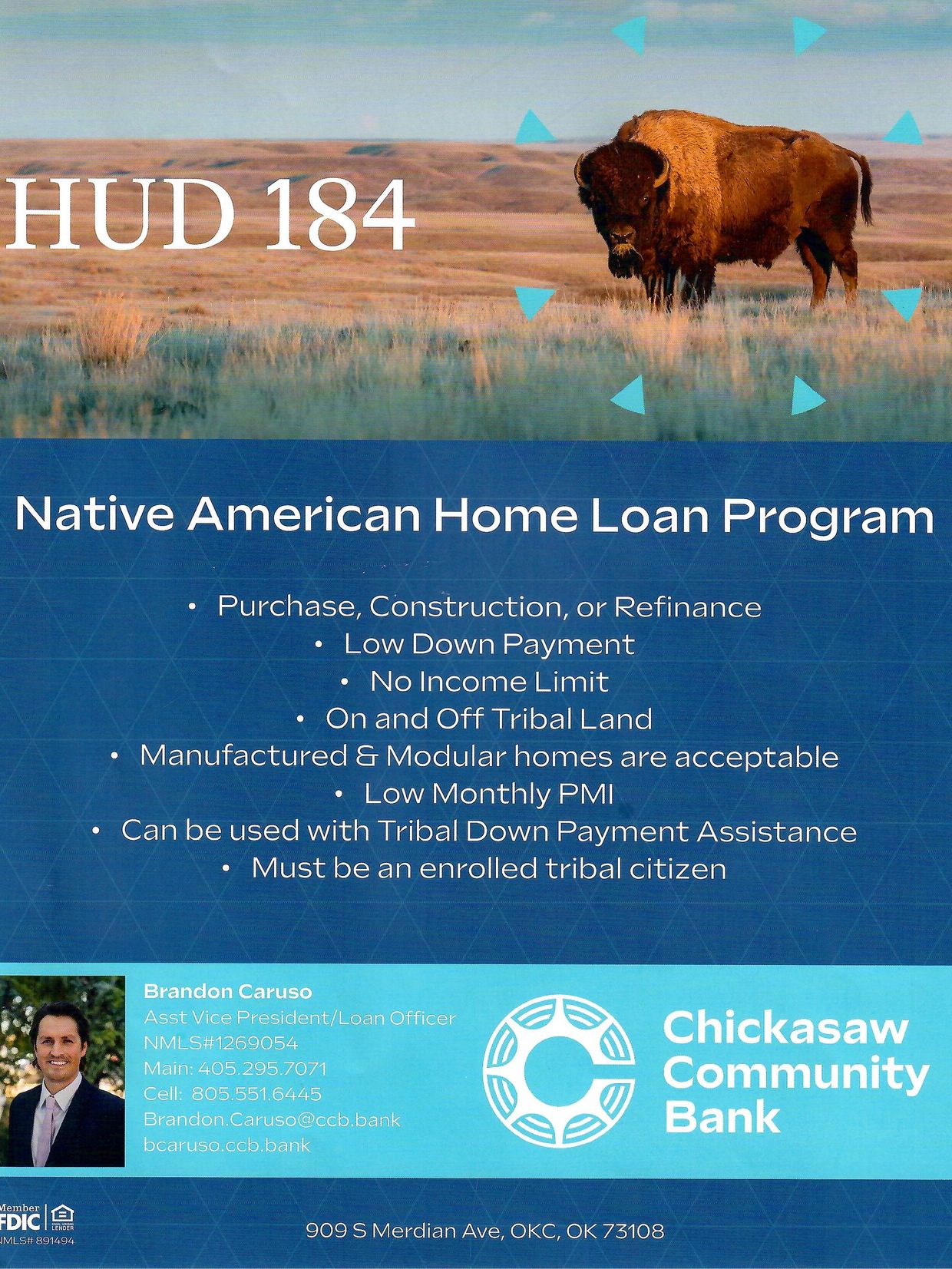
Section 184 Indian Home Loan Guarantee Program (HUD):
- The Cornerstone: This is by far the most significant and widely used program. Administered by the U.S. Department of Housing and Urban Development (HUD), it provides a federal guarantee to lenders, encouraging them to make loans to eligible Native Americans (enrolled members of federally recognized tribes) for homes on tribal lands.
- How it Works: Instead of a traditional mortgage on the land itself, Section 184 loans operate through a leasehold mortgage. The tribal member leases the land from the tribe or individual allottee (often for 50-75 years), and the home built on that land, along with the leasehold interest, serves as collateral. The Bureau of Indian Affairs (BIA) plays a crucial role in approving these lease agreements.
- Undeveloped Land Focus: Section 184 explicitly allows for construction loans, which are essential for undeveloped land. This means the loan can cover the cost of developing the site (utilities, septic, well, road access) and building the home.
- Lenders: Not all lenders offer Section 184 loans. Borrowers must find lenders approved by HUD to participate in the program.
-
VA Home Loans (Department of Veterans Affairs):
- For Veterans: Eligible Native American veterans can utilize their VA home loan benefits to finance a home on tribal trust land. Similar to Section 184, VA loans on trust land also require a BIA-approved leasehold agreement.
- Advantages: Zero down payment (for eligible veterans), competitive interest rates, and no private mortgage insurance.
- Undeveloped Land Focus: VA loans can also be used for construction loans on undeveloped land, provided the necessary lease agreements and tribal/BIA approvals are in place.
-
USDA Rural Development (RD) Loans:
- Limited Applicability: While USDA loans are designed for rural areas and can offer low-to-no down payment options, their applicability to trust land is generally limited. They are more likely to be used for homes on fee-simple land within or adjacent to reservation boundaries, or in situations where specific tribal agreements with USDA exist.
- Undeveloped Land Focus: Can finance new construction, but the land tenure issue remains a significant barrier for trust land.
-
Tribal Housing Authority Programs & Partnerships:
- Many tribes have established their own housing authorities or departments that offer various housing programs, grants, down payment assistance, or direct lending for their members. These programs often work in conjunction with Section 184 or VA loans, providing crucial supplementary support, especially for infrastructure development or down payments.
The Step-by-Step Process (for Undeveloped Trust Land, primarily via Section 184):
- Eligibility Check: Confirm tribal enrollment and meet income/credit requirements for the chosen loan program.
- Identify and Secure the Land: Work with your tribe or individual allottee to identify a suitable undeveloped parcel.
- Secure a Leasehold Agreement: This is critical. A long-term (e.g., 50-year) residential lease must be negotiated with the tribe or allottee. This lease will require BIA approval.
- Engage a Section 184/VA Approved Lender: Find a lender experienced in tribal land loans.
- Pre-Approval: Get pre-approved to understand your budget.
- Site Development Planning: This is where "undeveloped" comes into play.
- Infrastructure Assessment: Determine needs for water (well), sewer (septic system), electricity, and access roads.
- Permits & Approvals: Obtain all necessary tribal, BIA, and sometimes state/county permits for construction and infrastructure development. This can be extensive.
- Surveys & Environmental Review: Land surveys, environmental assessments, and possibly cultural resource reviews are often required.
- Select a Builder & Develop Blueprints: Choose a builder experienced in reservation construction and finalize home plans.
- Appraisal: A unique appraisal process for trust land considers the home, the leasehold interest, and local market conditions.
- Underwriting & Closing: The lender reviews all documentation, including the lease, construction plans, and permits. Upon approval, the loan closes, and funds are disbursed, often in stages for construction.
Advantages (Pros) of Getting a Home Loan on Undeveloped Tribal Land
- Achieving Homeownership on Ancestral Land: This is the most significant advantage. It allows tribal members to live, raise families, and contribute to their communities on land with deep cultural and historical significance, fostering a stronger connection to heritage.
- Cultural Preservation and Continuity: Building on tribal land strengthens tribal identity, language, and traditions, preventing displacement and supporting self-determination.
- Tailored Loan Programs (Section 184/VA): These programs are specifically designed to overcome the unique challenges of trust land.
- Lower Down Payments: Section 184 often requires as little as 2.25% down (for loans over $50,000) or 1.25% (for loans under $50,000). VA loans can be 0% down.
- Flexible Underwriting: These programs often have more flexible credit requirements compared to conventional loans, recognizing unique financial situations within tribal communities.
- Federal Guarantee: The guarantee mitigates risk for lenders, making them more willing to lend.
- Can Include Infrastructure Costs: Crucially for undeveloped land, these loans can finance the costs of wells, septic systems, driveways, and bringing in utilities, which are typically separate and significant expenses.
- Community Development: Every new home built on tribal land contributes to the economic and social fabric of the reservation, providing housing stability and opportunities for tribal members.
- Building Equity: While the land itself isn’t owned fee simple, the home and the leasehold interest build equity, a valuable asset for the homeowner.
- Customization: Starting with undeveloped land allows for a completely custom-built home, tailored to individual needs and preferences, and often designed to fit the specific landscape and cultural aesthetics.
Disadvantages (Cons) of Getting a Home Loan on Undeveloped Tribal Land
- Complexity and Bureaucracy: This is the biggest hurdle. The involvement of tribal government, the BIA, HUD, and the lender creates multiple layers of review and approval, often leading to a significantly longer and more intricate process than conventional loans.
- Extended Timelines: Due to the multiple layers of approval (lease, BIA, tribal council, lender underwriting, construction permits), the timeline from application to move-in can be substantially longer – often 12-24 months or more, compared to 3-6 months for conventional loans.
- Limited Lender Pool: Not all lenders are approved for Section 184 or VA loans on tribal land, and fewer still have extensive experience with the nuances. Finding an experienced lender is crucial but can be challenging depending on geographic location.
- Infrastructure Costs and Challenges: For undeveloped land, the cost and logistics of bringing in utilities (water, sewer, electricity) and building access roads can be substantial and unpredictable. These costs, even if included in the loan, add to the overall debt burden and can cause delays if issues arise (e.g., poor well water, rocky terrain for septic).
- Appraisal Difficulties: Appraising homes on trust land is specialized. The lack of comparable sales for fee-simple land and the unique nature of leasehold interests can make appraisals more challenging and potentially lower than expected.
- Leasehold Restrictions: While leasehold mortgages make financing possible, they come with restrictions. The homeowner owns the improvements (the house) but not the land. This can impact future resale value (though Section 184 homes are assumable by other tribal members) and limit certain types of home equity financing.
- Lack of Traditional Collateral: From a lender’s perspective, the inability to easily foreclose on and sell trust land as collateral is a significant risk, which is why government guarantees are essential.
- Permitting and Regulatory Maze: Navigating tribal ordinances, BIA regulations, and potentially state/county requirements for construction, environmental impact, and utilities can be confusing and time-consuming.
Recommendation: Is it Worth the Journey?
Yes, for the right individual and under the right circumstances, pursuing a home loan on undeveloped tribal land is absolutely worth it.
Who is this "product" (process) recommended for?
- Enrolled members of federally recognized tribes: This is a prerequisite for Section 184 and often for tribal housing programs.
- Individuals with a strong desire to live on ancestral lands: The cultural and personal fulfillment of this goal is a powerful motivator to endure the complexities.
- Those who are patient, persistent, and proactive: The process demands dedication, organization, and a willingness to navigate bureaucracy.
- Individuals with a clear understanding of the commitment: This includes the financial commitment (even with low down payments, there are costs) and the time commitment.
- Those willing to seek expert guidance: Partnering with a tribal housing authority, an experienced Section 184/VA lender, and a knowledgeable BIA Realty Officer is non-negotiable.
Key Recommendations for Success:
- Start Early and Be Patient: This is not a quick process. Begin research and engagement with tribal entities well in advance.
- Connect with Your Tribal Housing Authority (THA): Your THA is your best first resource. They understand local regulations, available land, and potential tribal programs or partnerships. They can guide you through tribal-specific requirements and connect you with resources.
- Find an Experienced Lender: Seek out lenders who have a proven track record with Section 184 or VA loans on tribal land. Ask for references and don’t be afraid to interview several.
- Educate Yourself Thoroughly: Understand the specifics of your tribe’s land tenure system, BIA processes, and the chosen loan program. The more informed you are, the better you can advocate for yourself and navigate challenges.
- Budget for the Unexpected: Especially with undeveloped land, anticipate potential cost overruns or delays related to infrastructure development.
- Build a Strong Support Team: This includes your THA, lender, BIA Realty Officer, and a reputable builder experienced in reservation construction.
- Understand the Leasehold Agreement: Read and understand every detail of the land lease, as it governs your rights and responsibilities.
Conclusion
Obtaining a home loan on undeveloped tribal land is undeniably a complex undertaking, a journey marked by unique legal frameworks, bureaucratic layers, and significant logistical considerations. It is not a path for the faint of heart or those seeking instant gratification.
However, for those tribal members who are committed to building a home on their ancestral lands, the specialized programs like the Section 184 Indian Home Loan Guarantee Program and VA Home Loans, coupled with the invaluable support of tribal housing authorities, provide a viable and profoundly rewarding pathway. The advantages of cultural preservation, community development, and achieving the dream of homeownership on sacred ground far outweigh the challenges for those willing to navigate the process with patience, persistence, and proper guidance. It is a testament to resilience and a powerful affirmation of identity, transforming a complex process into a deeply meaningful reality.


