Unlocking the Dream: A Review of Native American Home Loan Solutions for Bad Credit
Homeownership remains a cornerstone of the American Dream, symbolizing stability, wealth building, and community roots. However, for many, especially within Native American communities, this dream can feel distant, particularly when compounded by the challenge of bad credit. Historical inequities, limited access to traditional financial institutions, and unique land tenure systems have often placed Indigenous individuals at a significant disadvantage in the housing market.
This article serves as a comprehensive review of the various home loan solutions available to Native Americans with bad credit, evaluating their strengths, weaknesses, and ultimately, offering a recommendation on how to navigate this complex landscape. We will delve into specialized programs, community-driven initiatives, and essential steps for credit improvement, aiming to demystify the process and empower individuals to achieve their homeownership goals.
The Landscape: Why Bad Credit is a Prevalent Challenge
Before diving into solutions, it’s crucial to understand the systemic factors contributing to the prevalence of bad credit within some Native American communities:
- Historical Dispossession and Economic Underdevelopment: Centuries of land seizure, forced relocation, and federal policies have stifled economic growth on many reservations. This has led to fewer job opportunities, lower incomes, and limited access to capital.
- Limited Access to Traditional Banking: Many tribal lands are geographically isolated, lacking branches of major banks. This forces reliance on alternative financial services, often with high fees, or cash-based transactions that don’t build credit history.
- Unique Land Tenure Systems (Trust Land): A significant portion of Native American land is held in trust by the federal government. This communal ownership structure, while preserving tribal sovereignty, complicates traditional mortgage lending, as individual tribal members often don’t hold clear title to the land in a way that can be used as collateral.
- Lack of Financial Literacy Resources: While improving, access to comprehensive financial education and credit counseling has historically been limited in many Indigenous communities, hindering individuals from understanding and managing their credit effectively.
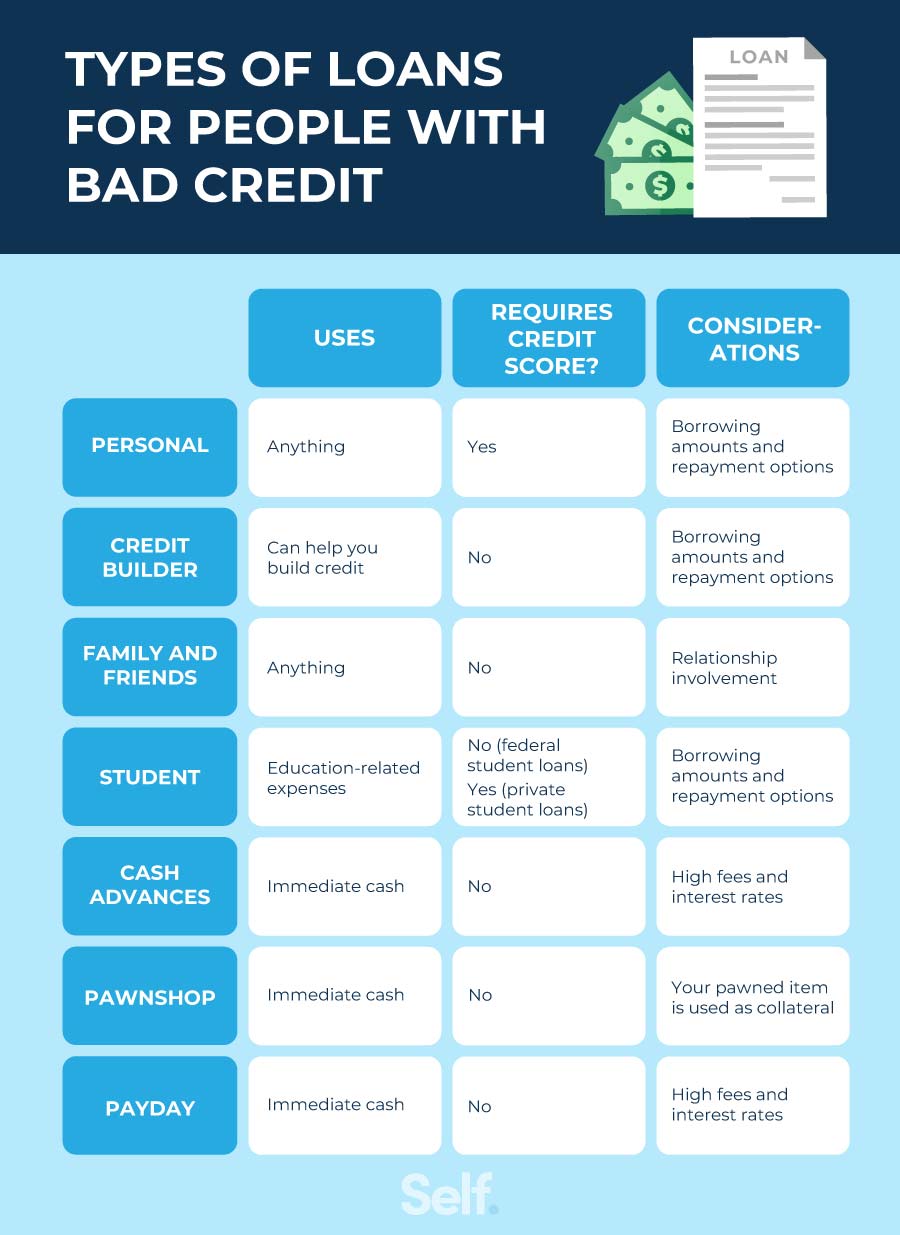
- Predatory Lending Practices: Vulnerable communities are often targeted by high-interest lenders, further trapping individuals in cycles of debt and damaging credit scores.
These factors create a challenging environment, making traditional mortgage qualification difficult. However, several innovative and targeted solutions have emerged to address these specific hurdles.
Product Review: Key Home Loan Solutions for Native Americans with Bad Credit
We will "review" the primary solutions available, treating them as distinct products with their own features, advantages, and disadvantages.
1. The HUD Section 184 Indian Home Loan Guarantee Program
Overview: This is arguably the most significant and widely utilized program. Administered by the U.S. Department of Housing and Urban Development (HUD), Section 184 provides a loan guarantee to approved lenders, allowing them to offer mortgages to eligible Native Americans, Alaska Natives, and Native Hawaiian individuals, tribes, and Tribally Designated Housing Entities (TDHEs). The guarantee protects lenders from loss in case of default, reducing their risk and making them more willing to lend to borrowers who might not qualify for conventional loans.
Features:
- Flexible Underwriting: Lenders often have more flexible credit guidelines than conventional loans, sometimes accepting lower credit scores.
- Low Down Payments: Typically as low as 2.25% for loans over $50,000, and 1.25% for loans up to $50,000.
- Competitive Interest Rates: Rates are often comparable to FHA loans, sometimes even lower, and are set by the market, not HUD.
- Acceptance on Trust Land: A major advantage, as Section 184 loans are specifically designed to work on trust land, individual allotted land, and fee simple land.
- Various Property Types: Can be used for purchasing existing homes, new construction, rehabilitation, or refinancing.
- No Mortgage Insurance Premium (MIP) for the life of the loan: Unlike FHA, the upfront guarantee fee is a one-time charge, and there’s no ongoing monthly MIP, saving borrowers significant money over time.
Advantages (Pros):
- Directly Addresses Trust Land Issues: Simplifies the process of securing a mortgage on communally owned land.
- More Accessible Credit Requirements: Acknowledges and accommodates the unique credit challenges faced by Native Americans.
- Affordability: Low down payment and absence of ongoing MIP make homeownership more attainable.
- Culturally Competent: Designed with an understanding of Native American legal and cultural frameworks.
- Supports Community Development: Encourages homeownership on reservations, fostering stability and economic growth.
Disadvantages (Cons):
- Limited Lender Participation: Not all lenders offer Section 184 loans, especially in more remote areas, requiring borrowers to actively seek out approved lenders.
- Specific Eligibility: Requires proof of Native American heritage (tribal enrollment documentation).
- Complex Process on Trust Land: While designed for trust land, the process can still be lengthy due to the need for federal approvals (e.g., from the Bureau of Indian Affairs or BIA) for leases and title clearances.
- Upfront Guarantee Fee: Although no ongoing MIP, there is an upfront guarantee fee (currently 1.5% of the loan amount), which can be financed into the loan.
- Loan Limits: There are county-specific loan limits, similar to FHA loans.
2. Tribal Housing Programs and Authorities (TDHEs)
Overview: Many tribes have established their own housing departments or Tribally Designated Housing Entities (TDHEs) that offer a range of housing assistance programs. These programs are often funded through federal grants (like the Native American Housing Assistance and Self-Determination Act or NAHASDA), tribal funds, or partnerships.
Features:
- Down Payment Assistance (DPA): Many TDHEs offer grants or low-interest loans to help tribal members cover down payments and closing costs.
- Homebuyer Education and Counseling: Essential for first-time homebuyers, often including credit counseling and financial literacy.
- Rehabilitation Programs: Assistance for repairing or renovating existing homes.
- Rental Assistance: While not directly home loans, these can free up funds for saving or credit repair.
- Direct Home Loan Programs: Some larger, more financially robust tribes may offer their own direct lending programs to members, often with very favorable terms.
- Customized for Tribal Needs: Programs are tailored to the specific needs, culture, and land tenure systems of that particular tribe.
Advantages (Pros):
- Highly Accessible and Local: Programs are administered locally, offering direct support and understanding of tribal members’ unique circumstances.
- Financial Support for Down Payments/Closing Costs: Directly addresses a major barrier for many low-income individuals.
- Holistic Support: Often includes education, counseling, and ongoing support beyond just the loan.
- Culturally Relevant: Programs are designed by and for the specific tribal community.
- Can Combine with Section 184: DPA from TDHEs can often be stacked with Section 184 loans, making homeownership even more affordable.
Disadvantages (Cons):
- Varies by Tribe: The availability and scope of programs differ significantly from one tribe to another. Some tribes have robust programs, while others have very limited resources.
- Eligibility Restrictions: Typically restricted to enrolled members of that specific tribe.
- Funding Limitations: Programs are often grant-funded and can have limited budgets, leading to waiting lists or competitive application processes.
- Less Direct Lending: Most TDHEs focus on assistance rather than direct mortgage lending.
3. Native Community Development Financial Institutions (CDFIs)
Overview: Native CDFIs are mission-driven financial institutions that serve Native American communities. They are certified by the U.S. Treasury Department and are specifically designed to provide credit, capital, and financial services to people and businesses in underserved markets. They play a crucial role in economic development and financial inclusion on tribal lands.
Features:
- Financial Literacy and Credit Counseling: A core service, helping individuals understand and improve their credit scores.
- Credit Builder Loans: Small loans designed specifically to help individuals establish or rebuild credit history.
- Micro-Lending: Small business loans that can foster economic activity and improve individual financial standing.
- Down Payment and Closing Cost Assistance: Some Native CDFIs offer assistance programs.
- Partnerships: Often partner with banks, tribal governments, and other organizations to bring resources to communities.
Advantages (Pros):
- Holistic Approach to Financial Health: Focus on long-term financial stability, not just a single transaction.
- Credit Building Expertise: Provide targeted support and products for individuals with bad or no credit.
- Community-Focused and Culturally Sensitive: Deep understanding of the specific needs and challenges of Native communities.
- Flexible and Innovative: Can adapt programs to meet unique local needs.
- Path to Mainstream Lending: Help prepare individuals to qualify for Section 184 or even conventional loans in the future.
Disadvantages (Cons):
- Not Direct Mortgage Lenders (Typically): While some may offer smaller home repair loans, most Native CDFIs don’t originate primary mortgages. Their role is more preparatory.
- Limited Geographic Reach: While growing, not every Native community has direct access to a Native CDFI.
- Smaller Loan Amounts: Loans provided by CDFIs are generally smaller in scale, focusing on credit building or micro-enterprise rather than full mortgage financing.
4. Credit Repair and Financial Literacy Initiatives
Overview: While not a "product" in the traditional sense, investing in credit repair and financial literacy is a foundational solution for anyone with bad credit, particularly for those in Native American communities. Many organizations, including Native CDFIs, tribal housing authorities, and non-profits, offer these services.
Features:
- One-on-One Counseling: Personalized advice on managing debt, budgeting, and understanding credit reports.
- Credit Report Review: Help identifying errors and disputing inaccuracies.
- Debt Management Plans: Strategies for paying off existing debts.
- Education Workshops: Group sessions on topics like budgeting, saving, understanding loans, and avoiding predatory practices.
- Tools for Building Credit: Guidance on secured credit cards, credit builder loans, and reporting rent/utility payments.
Advantages (Pros):
- Empowering and Sustainable: Provides the knowledge and tools for long-term financial health.
- Addresses Root Causes: Tackles the underlying issues leading to bad credit.
- Improves Eligibility for All Loan Types: A better credit score opens doors to a wider range of financial products, including Section 184 and conventional loans.
- Free or Low-Cost: Many services are offered free or at minimal cost by non-profit organizations.
Disadvantages (Cons):
- Time-Consuming: Credit repair takes time and consistent effort. There are no quick fixes.
- Requires Discipline: Success depends on the individual’s commitment to following financial advice and making necessary changes.
- Varying Quality of Services: It’s important to choose reputable, non-profit credit counseling agencies.
The "Purchase Recommendation": A Strategic Approach
For Native Americans with bad credit seeking homeownership, the "purchase" isn’t a single product but a strategic, multi-faceted approach.
Is it worth pursuing homeownership with bad credit? Absolutely. The dream of homeownership is achievable, but it requires patience, education, and leveraging the right resources.
Who is this for? This comprehensive approach is for any Native American individual or family committed to improving their financial standing and securing a stable home, regardless of their current credit score.
Recommendation:
-
Start with Credit Counseling and Financial Literacy (Essential First Step):
- Action: Seek out a reputable Native CDFI or a non-profit credit counseling agency that specializes in serving Indigenous communities. Your tribal housing authority can often provide referrals.
- Why: This is the foundation. Understanding your credit report, disputing errors, learning budgeting, and creating a debt management plan are crucial. Don’t skip this. A credit builder loan through a CDFI can be incredibly effective here.
-
Explore Tribal Housing Programs (Leverage Community Resources):
- Action: Contact your tribal housing authority or TDHE immediately. Inquire about any down payment assistance, homebuyer education courses, or direct loan programs they offer.
- Why: These programs are specifically designed for you, often have flexible terms, and can significantly reduce the upfront costs of homeownership. They can also provide invaluable local guidance.
-
Investigate the HUD Section 184 Indian Home Loan Guarantee Program (The Primary Mortgage Vehicle):
- Action: Once you’ve started improving your credit (even if it’s not perfect yet) and explored tribal resources, find HUD-approved Section 184 lenders. Your tribal housing authority or a Native CDFI can often help identify these.
- Why: This program is the most powerful tool for Native American homeownership, particularly on trust land. Its flexible underwriting and competitive terms make it accessible even with less-than-perfect credit. Work with a lender who understands the unique aspects of Section 184.
-
Consider Conventional Loans (Long-Term Goal):
- Action: As your credit continues to improve, keep conventional loans (FHA, VA if applicable, or even conforming loans) in mind as future options, especially for refinancing or if Section 184 doesn’t fit your specific needs.
- Why: A strong credit score eventually opens all doors, offering the widest range of products and potentially the best interest rates.
What to Watch Out For:
- Predatory Lenders: Be extremely wary of lenders promising "guaranteed approval" regardless of credit or charging exorbitant fees. Always verify a lender’s credentials and compare offers.
- Credit Repair Scams: Avoid companies that promise to "erase" bad credit overnight. Legitimate credit repair involves hard work and time.
- Lack of Documentation: Be prepared for extensive paperwork, especially when dealing with trust land. Organization is key.
Conclusion: A Path to Empowerment
The journey to homeownership for Native Americans with bad credit is not without its challenges, but it is a journey filled with growing opportunities. Programs like HUD Section 184, coupled with the vital support of tribal housing authorities and Native CDFIs, provide a robust framework for overcoming historical barriers.
By adopting a strategic approach that prioritizes financial education, credit repair, and the diligent exploration of available resources, Native American individuals can transform the dream of owning a home into a tangible reality. This not only builds individual wealth and stability but also strengthens communities, preserves cultures, and helps rectify long-standing inequities, paving the way for a more self-determined and prosperous future for Indigenous peoples. The "product" here is not just a loan, but an ecosystem of support designed to empower a generation.


