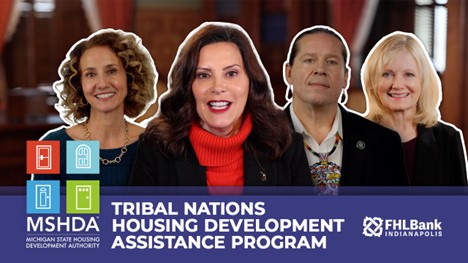
Review: Navigating the Landscape of Tribal Housing Grants – A Critical Assessment of Government Agency Programs
Introduction: The Unseen Housing Crisis
Across Indian Country, a silent and persistent housing crisis impacts hundreds of thousands of Native Americans. Decades of underinvestment, historical injustices, and unique jurisdictional challenges have left tribal communities grappling with severe overcrowding, dilapidated structures, lack of basic infrastructure, and persistent homelessness. In this critical context, various federal government agencies offer grant programs designed to address these profound needs. But how effective are these "products" in delivering on their promise?
This article will serve as a comprehensive review of the primary government agencies involved in tribal housing grants, examining their key offerings, evaluating their strengths (pros) and weaknesses (cons), and ultimately providing a "buying recommendation" – or rather, a strategic guide for tribal nations and policymakers on how to best engage with and improve these vital programs. While not a traditional product, these programs are services that tribal communities "purchase" with their time, effort, and compliance, making a critical assessment paramount.
The "Product Line": Key Government Agencies and Their Offerings
Several federal agencies play a role in tribal housing, each with distinct mandates and program structures. Understanding their individual contributions is crucial:
-
U.S. Department of Housing and Urban Development (HUD): The Cornerstone
- Native American Housing Assistance and Self-Determination Act (NAHASDA): This is the flagship program, providing block grants directly to federally recognized Indian tribes or their tribally designated housing entities (TDHEs). NAHASDA funds can be used for a wide range of affordable housing activities, including new construction, rehabilitation, housing services, rental assistance, and down payment assistance. Its block grant nature is intended to promote tribal self-determination by allowing tribes to determine their own housing priorities.
- Indian Community Development Block Grant (ICDBG): Similar to the mainstream CDBG program, ICDBG provides grants for community development projects, including housing rehabilitation, infrastructure development (water, sewer), and community facilities. It’s a competitive program often complementing NAHASDA efforts.
- Section 184 Indian Home Loan Guarantee Program: While not a grant, this program guarantees mortgages made by private lenders to Native American individuals and tribes. It makes homeownership more accessible in areas where conventional financing is difficult, including on trust land.
- Title VI Loan Guarantee Program: This program provides a federal guarantee for private market loans obtained by tribes for affordable housing activities eligible under NAHASDA. It allows tribes to leverage their NAHASDA funds to undertake larger projects.

-
U.S. Department of Agriculture (USDA) Rural Development: Bridging Rural Gaps
- Section 502 Direct and Guaranteed Home Loans: Provides low-interest loans directly to low-income individuals or guarantees loans from private lenders for eligible rural residents, including those in tribal communities, to purchase, build, or repair homes.
- Section 504 Home Repair Loans and Grants: Offers loans and grants to very low-income homeowners in rural areas to repair, improve, or modernize their homes, or to remove health and safety hazards.
- Mutual Self-Help Housing Technical Assistance Grants: Funds non-profit organizations and public bodies (including tribes) to supervise groups of very low-income families who build their own homes together, significantly reducing construction costs.
- Community Facilities Programs: Provides loans and grants for essential community facilities in rural areas, which can include housing-related infrastructure like water and wastewater systems.
-
Bureau of Indian Affairs (BIA), U.S. Department of the Interior: Land and Infrastructure
- While not a primary housing grant provider, the BIA plays a crucial role through its land management responsibilities (e.g., trust land administration, land titling) which directly impact housing development. It also provides some funds for infrastructure development (e.g., roads, utilities) that are prerequisites for housing.
-
Indian Health Service (IHS), U.S. Department of Health and Human Services: Health and Sanitation
- IHS focuses on health-related infrastructure, particularly water, sewer, and sanitation facilities. While not direct housing grants, these services are absolutely critical for making housing habitable and safe, often working in tandem with housing development projects.
Pros: The "Features We Love" of Government Tribal Housing Grants
Despite their challenges, these federal programs offer indispensable benefits:
- Indispensable Funding Source: For many tribal nations, federal grants are the sole or primary source of funding for housing development. Without these programs, the existing housing crisis would be immeasurably worse, and many tribes would lack the capital to undertake any significant housing projects.
- Promotes Self-Determination (Especially NAHASDA): NAHASDA’s block grant model is a significant strength. By allowing tribes to determine their own housing needs and priorities, it aligns with the principles of tribal sovereignty and self-governance. Tribes can design programs that are culturally appropriate and responsive to their unique community dynamics, rather than being constrained by prescriptive federal mandates.
- Addresses Diverse Housing Needs: The combined offerings of HUD and USDA cover a broad spectrum of housing needs: new construction, rehabilitation, homeownership assistance, rental support, elder housing, youth housing, and critical infrastructure. This allows tribes to develop comprehensive housing strategies.
- Economic Impact and Job Creation: Housing construction and rehabilitation projects generate local jobs, support tribal businesses, and stimulate local economies. Investments in housing lead to demand for materials, skilled labor, and related services, creating a ripple effect.
- Improved Health and Social Outcomes: Safe, stable, and adequate housing is foundational to public health. Reducing overcrowding mitigates the spread of infectious diseases, particularly in the wake of the COVID-19 pandemic. Improved housing quality reduces exposure to environmental hazards (e.g., mold, lead). Stable housing also correlates with better educational attainment, reduced crime rates, and enhanced mental well-being.
- Leveraging Private Capital (Section 184, Title VI): Programs like Section 184 and Title VI are crucial for bridging the gap between federal grants and private financing. They enable Native Americans to access homeownership and allow tribes to undertake larger housing projects by leveraging their NAHASDA allocations, fostering greater financial independence.
- Capacity Building: Many grants include provisions for administrative and planning costs, which can help tribes develop the expertise needed to manage complex projects, write successful grant applications, and build sustainable housing departments.
Cons: The "Areas for Improvement" of Government Tribal Housing Grants
While vital, these programs are far from perfect and face significant structural and operational challenges:
- Chronic Underfunding: This is by far the most critical flaw. The level of funding for tribal housing programs, especially NAHASDA, has remained largely stagnant or seen only modest increases for decades, failing to keep pace with inflation, population growth, and the escalating cost of construction. The demand for housing far outstrips the available resources, leading to long waiting lists, deferred maintenance, and an inability to address the scale of the crisis.
- Bureaucracy and Administrative Burden: Despite efforts to streamline, the application, reporting, and compliance requirements for federal grants remain incredibly complex and burdensome. Small tribal nations, often with limited staff, struggle to navigate intricate regulations, extensive paperwork, and audit requirements, diverting resources from actual housing development.
- Lack of Flexibility (in some programs): While NAHASDA offers flexibility, other competitive programs can be more prescriptive, sometimes failing to account for the unique cultural, geographic, and economic realities of diverse tribal communities. "One-size-fits-all" solutions rarely work in Indian Country.
- Capacity Gaps within Tribes: Many tribes, particularly smaller ones, lack the internal capacity (trained staff, technical expertise, grant management experience) to effectively compete for, manage, and implement federal housing programs. This creates a cycle where those most in need may be least equipped to access the available resources.
- Data Deficiencies: A lack of comprehensive, accurate, and culturally relevant data on tribal housing needs makes it difficult to fully quantify the problem, advocate for appropriate funding levels, and measure program impact effectively. Federal data collection often falls short of capturing the nuances of tribal housing realities.
- Land Ownership Complexities: The unique nature of trust land ownership presents significant challenges. It complicates issues of collateral for mortgages, property taxation, probate, and surveying, often deterring private lenders and adding layers of complexity to development projects. While Section 184 helps, it doesn’t solve all issues.
- Geographic Isolation and High Construction Costs: Many tribal lands are in remote, rural areas, leading to higher material costs, transportation expenses, and a shortage of skilled labor. This makes construction significantly more expensive than in urban areas, further straining already limited grant funds.
- Infrastructure Deficiencies: A lack of basic infrastructure (water, sewer, electricity, roads) is a major impediment to housing development on many tribal lands. While IHS and USDA offer some assistance, these programs are often siloed from direct housing efforts, requiring complex coordination and multiple funding streams for a single housing project.
- Political Volatility and Inconsistent Policy: Funding levels and program priorities can shift with changes in presidential administrations and congressional appropriations, making long-term planning difficult for tribal housing authorities.
The "Buying Recommendation": Maximizing Potential and Driving Reform
Given the critical nature of these programs and their inherent flaws, the "buying recommendation" is two-fold: for tribal nations on how to best utilize and advocate for these programs, and for the federal government on how to improve them.
For Tribal Nations (How to "Purchase" and Utilize Effectively):
- Strategic Planning and Prioritization: Develop comprehensive, long-term housing plans based on thorough needs assessments and community input. Prioritize projects that align with tribal values and address the most urgent needs (e.g., elder housing, addressing homelessness, critical repairs).
- Invest in Capacity Building: Dedicate resources to training tribal staff in grant writing, project management, financial oversight, and construction management. Seek technical assistance from organizations specializing in tribal housing. A strong, professional housing department is paramount.
- Leverage and Stack Funding: Don’t rely on a single funding source. Explore opportunities to combine NAHASDA funds with USDA, ICDBG, IHS, state, philanthropic, and private sector investments. Understand how to use loan guarantees (Section 184, Title VI) to leverage private capital.
- Foster Partnerships: Collaborate with non-profit organizations, community development financial institutions (CDFIs), educational institutions, and other tribes to share resources, expertise, and best practices.
- Advocate for Policy Change and Increased Funding: Actively engage with tribal advocacy organizations (e.g., NAIHC, NCAI) to lobby Congress and federal agencies for increased appropriations, streamlined regulations, and policies that better reflect tribal realities and self-determination. Share success stories and demonstrate impact.
- Embrace Innovation and Cultural Appropriateness: Explore innovative construction methods (e.g., modular homes, sustainable building practices) to reduce costs and improve efficiency. Design homes that are culturally appropriate, considering traditional living arrangements and community needs.
- Robust Data Collection: Implement strong data collection and evaluation systems to track housing conditions, program outcomes, and community impact. This data is invaluable for future planning and advocacy.
For Government Agencies (How to "Improve the Product"):
- Significantly Increase Funding: This is non-negotiable. Congress must substantially increase appropriations for NAHASDA and other tribal housing programs to meet the documented and dire needs across Indian Country. Funding must keep pace with inflation and construction costs.
- Streamline and Simplify Processes: Federal agencies must work to simplify application procedures, reporting requirements, and compliance regulations without sacrificing accountability. Explore multi-year funding cycles and block grant models for more programs.
- Provide Targeted Technical Assistance: Offer more robust, culturally competent technical assistance and training directly to tribes, especially smaller ones, to help them navigate complex federal requirements and build internal capacity.
- Foster Inter-agency Coordination: Improve coordination between HUD, USDA, BIA, and IHS to ensure a more holistic and less siloed approach to tribal development. Create "one-stop shop" resources or joint application processes where feasible for infrastructure and housing.
- Address Land Tenure Issues: Collaborate with tribes and Congress to develop innovative solutions for land ownership complexities on trust land, making it easier for Native Americans to access homeownership and for tribes to develop housing.
- Collect Better Data: Work with tribes to develop and implement improved data collection methodologies that accurately reflect tribal housing conditions and needs, supporting evidence-based policymaking.
- Prioritize Flexibility and Local Control: Empower tribes with greater flexibility in how they utilize funds, recognizing that local solutions are often the most effective.
Conclusion: An Indispensable Yet Imperfect Lifeline
Government agencies for tribal housing grants are not merely programs; they are a lifeline for communities striving to overcome generations of systemic neglect and build a healthier, more stable future. While critical and indispensable, the current "product line" is severely under-resourced and often burdened by bureaucratic inefficiencies.
The recommendation is clear: these programs are absolutely essential and must be utilized to their fullest extent by tribal nations. However, their full potential can only be realized through a concerted effort from both tribal leadership and the federal government. Tribes must strategically plan, build capacity, and relentlessly advocate for their needs. Simultaneously, federal agencies and Congress must acknowledge the profound and ongoing housing crisis in Indian Country by dramatically increasing funding, simplifying processes, and committing to true self-determination. Only through such a collaborative and renewed commitment can these vital programs truly deliver on their promise and help Native American communities build the homes and futures they deserve.


