Navigating the Path Home: A Review of Financial Institutions Supporting Indigenous Homeownership
Introduction
Homeownership, often touted as the cornerstone of wealth creation, stability, and community development, remains an elusive dream for many Indigenous peoples globally. Centuries of colonial policies, land dispossession, economic marginalization, and systemic discrimination have created formidable barriers to Indigenous homeownership. However, in recent decades, a growing number of financial institutions (FIs) – ranging from mainstream banks to Indigenous-led credit unions and specialized government programs – have begun to engage with this complex challenge. This article provides a comprehensive review of these financial institutions, treating their collective efforts as a "product" designed to address Indigenous housing needs. We will explore their advantages, disadvantages, and offer recommendations for optimizing their impact.
The Landscape of Indigenous Homeownership: A Foundational Challenge
Before delving into the "product" itself, it’s crucial to understand the unique context. Indigenous communities often face distinct challenges:

- Land Tenure Issues: On-reserve lands, held in trust by the Crown (e.g., in Canada, the US, Australia), cannot be privately owned by individuals in the traditional sense. This lack of clear title makes it difficult to use land as collateral for conventional mortgages, a cornerstone of mainstream lending.
- Economic Disparities: Higher rates of unemployment, lower incomes, and reliance on seasonal or precarious employment often make it challenging to meet conventional lending criteria.
- Remote Geographies: Many Indigenous communities are located in remote or northern regions, where construction costs are exorbitant, infrastructure is lacking, and access to financial services is limited.
- Systemic Discrimination: Historical and ongoing biases within financial systems have created deep-seated mistrust and disproportionate hurdles for Indigenous applicants.
- Capacity Gaps: Communities may lack the internal administrative and technical capacity to manage large housing projects or navigate complex financial instruments.
- Cultural Appropriateness: Mainstream housing models often do not align with Indigenous cultural values, community structures, or traditional building practices.
These barriers necessitate a specialized, nuanced approach from financial institutions. The "product" we are reviewing, therefore, is not a single bank account or mortgage, but rather the ecosystem of financial services, policies, and partnerships aimed at overcoming these entrenched obstacles.

The "Product" – Financial Institutions and Their Offerings
The FIs supporting Indigenous homeownership fall into several categories, each with distinct features:
- Mainstream Commercial Banks: Large, national, or international banks (e.g., RBC, TD, CIBC in Canada; Wells Fargo, Chase in the US). Traditionally risk-averse, they are increasingly developing specific Indigenous banking strategies, often with dedicated teams, and sometimes offering specialized products or partnering with government guarantees.
- Credit Unions and Cooperatives: Often more community-focused and flexible than large banks, credit unions may have a deeper understanding of local needs and a greater willingness to adapt lending criteria.
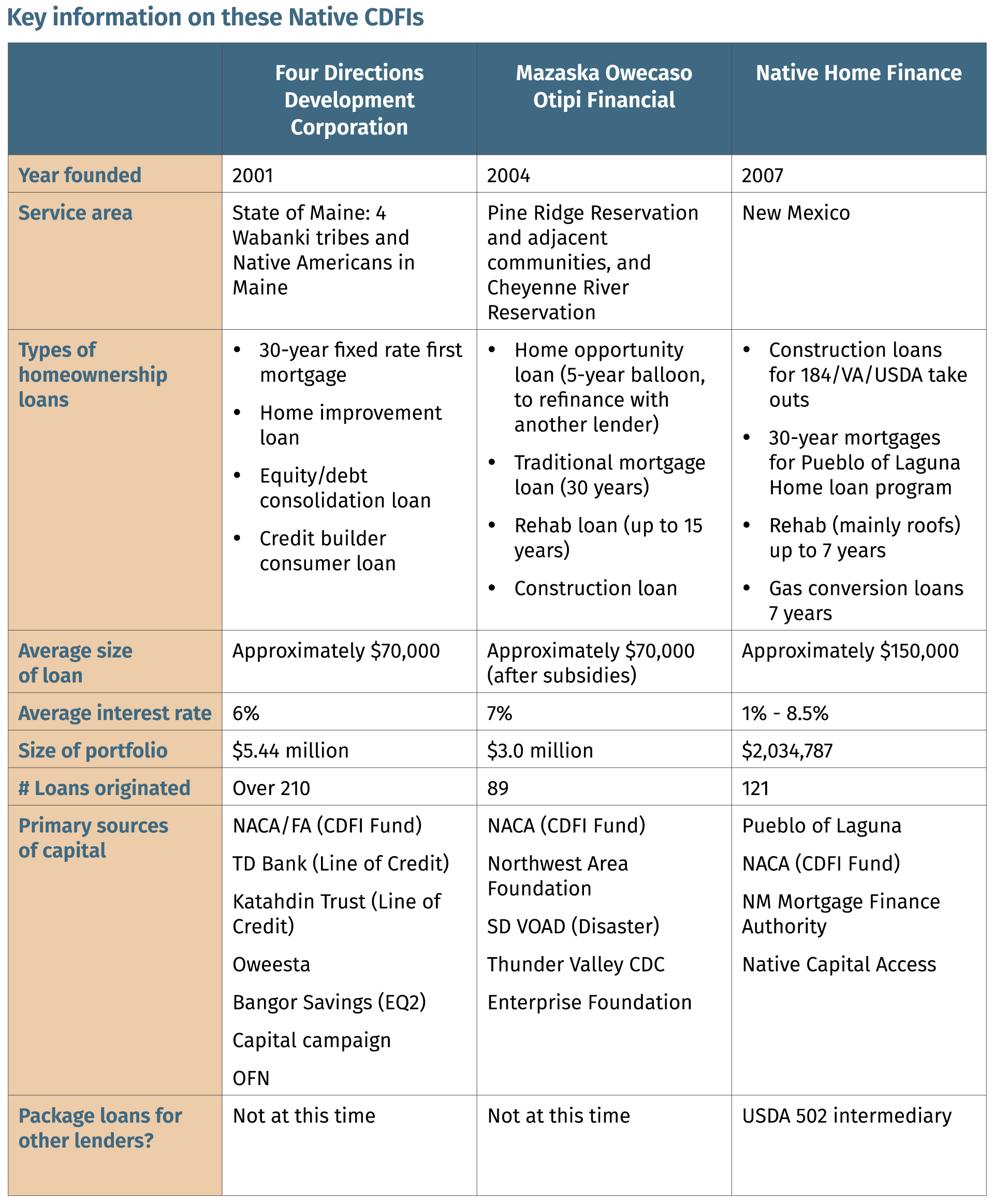
- Indigenous-Led Financial Institutions (IDFIs) / Community Development Financial Institutions (CDFIs): These are often the most culturally attuned and effective. Examples include the First Nations Bank of Canada or Oweesta Corporation in the US. They are built on a foundation of trust, understand unique Indigenous economies, and can innovate with culturally appropriate financial products.
- Government Programs and Agencies: Entities like the Canada Mortgage and Housing Corporation (CMHC), Indigenous Services Canada (ISC), the US Department of Housing and Urban Development (HUD), or the Bureau of Indian Affairs (BIA) play a critical role through grants, loan guarantees, and technical assistance programs. These often de-risk lending for private FIs.
- Non-Profit Organizations and Community Trusts: These groups often bridge the gap between communities and FIs, providing financial literacy, housing development support, or acting as intermediaries for funding.
Advantages (Pros) of FI Involvement in Indigenous Homeownership
The engagement of financial institutions, when done effectively, offers significant benefits:
- Access to Capital: The primary advantage. FIs provide the necessary capital for construction, renovation, and purchase, which Indigenous communities and individuals might otherwise be unable to secure.
- Financial Expertise and Structure: FIs bring expertise in lending, risk management, and financial planning, helping to structure complex housing projects and individual mortgages.
- Capacity Building: Many FIs, especially Indigenous-led ones, offer financial literacy programs, credit counseling, and homeownership education, empowering individuals and communities to manage their finances effectively.
- Leveraging Partnerships: FIs often act as conduits for government funding and guarantees, making projects viable that would otherwise be too risky for private lenders alone. This collaboration is crucial for de-risking investments on-reserve.
- Economic Reconciliation and Self-Determination: By facilitating homeownership, FIs contribute to economic reconciliation, allowing Indigenous peoples to build equity, create intergenerational wealth, and exert greater control over their economic futures.
- Tailored Financial Products: Progressive FIs develop innovative products, such as land-lease mortgages (where the mortgage is on the home, not the land it sits on) or mortgages based on community-held title, specifically designed to navigate unique land tenure issues.
- Community Development: Homeownership contributes to stable communities, fostering a sense of belonging, encouraging local investment, and supporting the development of local economies.
- Reduced Dependency: Increased homeownership can reduce reliance on social housing programs, freeing up government resources for other critical community needs.
Disadvantages (Cons) and Challenges of FI Involvement
Despite the advantages, the current "product" is far from perfect and presents several significant drawbacks:
- Lack of Cultural Competency and Trust: Mainstream FIs often lack a deep understanding of Indigenous cultures, governance structures, and historical context. This can lead to a lack of trust, communication breakdowns, and the imposition of inappropriate Western financial models.
- Bureaucracy and Rigidity: Large FIs, and even some government programs, can be slow, overly bureaucratic, and inflexible. Their standard underwriting criteria often fail to account for non-traditional income sources, communal land ownership, or the unique realities of remote communities.
- Collateral and Land Tenure Issues Remain: While some FIs offer land-lease mortgages, the fundamental challenge of using on-reserve land as collateral persists. This often necessitates complex agreements, band council guarantees, or government guarantees, adding layers of complexity and risk.
- Limited Reach and Accessibility: Many FIs, particularly mainstream ones, have limited physical presence or services in remote Indigenous communities, creating significant access barriers.
- Risk Aversion: Despite government guarantees, many FIs remain inherently risk-averse, viewing lending to Indigenous communities (especially on-reserve) as high-risk due to perceived legal complexities and economic instability.
- "One-Size-Fits-All" Mentality: Even with specialized programs, there can be a tendency to apply standardized solutions that don’t adequately address the vast diversity among Indigenous nations and their specific housing needs.
- High Costs and Fees: For remote communities, the costs associated with construction, transportation, and service delivery can inflate housing prices, making affordability a continuous struggle even with financial assistance.
- Dependency on Government Guarantees: While helpful, over-reliance on government guarantees can perpetuate a system where private capital is unwilling to take calculated risks independently, hindering the development of truly self-sustaining financial ecosystems within Indigenous communities.
- Perpetuation of Colonial Structures (Unintended): If not carefully designed and implemented, financial mechanisms can inadvertently reinforce colonial power dynamics, where external institutions dictate terms rather than genuinely empowering Indigenous self-determination in housing.
Recommendation for "Purchase" (Engagement and Improvement)
Based on this review, the "product" – the collective effort of financial institutions in supporting Indigenous homeownership – is essential but requires significant enhancement and refinement. It is not a matter of "buying" or "not buying," but rather of investing in, improving, and strategically engaging with this ecosystem.
For Indigenous Communities and Individuals:
- Prioritize Indigenous-Led FIs: Where available, engage with Indigenous-led financial institutions (IDFIs/CDFIs) first. They offer the most culturally appropriate and understanding services.
- Demand Cultural Competency: When dealing with mainstream FIs, advocate for culturally competent staff, flexible lending criteria, and transparent processes.
- Build Financial Literacy: Invest in internal financial literacy and homeownership readiness programs to empower individuals.
- Seek Partnerships: Explore partnerships with non-profits, housing trusts, and government agencies that can bridge gaps and provide additional support.
For Mainstream Financial Institutions:
- Invest in Cultural Competency: Mandate comprehensive training for all staff on Indigenous history, cultures, and specific legal frameworks (e.g., land tenure). Hire and retain Indigenous employees.
- Develop Truly Flexible Products: Move beyond superficial adjustments. Co-create lending products with Indigenous communities that genuinely address land tenure, diverse income streams, and remote community realities.
- Deepen Relationships, Not Just Transactions: Foster long-term, trust-based relationships with Indigenous communities, understanding their specific needs and aspirations.
- Expand Physical and Digital Access: Increase physical presence or develop robust, accessible digital banking solutions for remote communities.
- Proactive Engagement: Don’t wait for communities to come to you. Proactively engage with Indigenous leadership to understand housing priorities and co-design solutions.
- Shift Risk Perception: Re-evaluate risk models to move beyond conventional metrics, recognizing the unique strengths and resilience of Indigenous economies.
For Governments and Policy Makers:
- Strengthen Indigenous-Led FIs: Provide sustained, robust funding and regulatory support for IDFIs and CDFIs, recognizing their critical role.
- Address Land Tenure: Continue to work with Indigenous nations on land tenure reforms that provide greater certainty and leverage for economic development and homeownership.
- De-risk Lending Strategically: Expand and streamline loan guarantee programs, but also explore innovative financing mechanisms that reduce the need for perpetual government intervention.
- Invest in Infrastructure: Fund essential infrastructure (water, sanitation, roads, internet) in remote communities, which is a prerequisite for sustainable housing development.
- Support Capacity Building: Fund initiatives that build the administrative and technical capacity of Indigenous communities to manage their housing portfolios.
Conclusion
The journey to Indigenous homeownership is a complex tapestry woven with threads of history, policy, and economic reality. Financial institutions are an indispensable part of this narrative. While the "product" they offer has significant advantages in providing capital and expertise, it is often hampered by systemic rigidities, a lack of cultural understanding, and an inability to fully adapt to unique Indigenous contexts.
To truly empower Indigenous peoples on their path home, a paradigm shift is required. This involves a collaborative effort where FIs move beyond a transactional approach to one of genuine partnership, cultural humility, and innovative co-creation. The ultimate goal is not merely to provide mortgages, but to contribute to the economic self-determination, reconciliation, and vibrant community development that Indigenous homeownership represents. The "product" is evolving, and with continued commitment and transformative action, it holds immense promise for building a more equitable future.


