Building Bridges to Homeownership: A Review of Credit Unions with Native American Mortgage Programs
Homeownership is often lauded as a cornerstone of the American Dream, a pathway to building intergenerational wealth, stability, and community. Yet, for many Native Americans, this dream has remained stubbornly out of reach, complicated by historical injustices, unique land ownership structures, and systemic financial barriers. In this challenging landscape, credit unions have emerged as vital allies, offering specialized mortgage programs tailored to the needs of Native American communities.
This comprehensive review will delve into the world of credit unions offering Native American mortgage programs, examining their unique value proposition, the specific challenges they address, their advantages and disadvantages, and ultimately, provide a recommendation for prospective homeowners.
The Landscape of Native American Homeownership: Unique Challenges
To understand the critical role of credit unions, it’s essential to first grasp the distinct hurdles faced by Native Americans seeking homeownership:
- Trust Land Complexity: A significant portion of Native American land is held in trust by the U.S. government for tribes or individual Native Americans. This "trust status" means the land cannot be bought or sold like conventional fee-simple land, complicating the use of traditional mortgages which require the land as collateral. Lenders often shy away from trust land due to the perceived legal complexities and foreclosure challenges.
- Infrastructure Deficiencies: Many reservations and rural tribal communities lack adequate infrastructure (roads, water, sewer, electricity), making new construction costly and development difficult. Appraisals can be lower due to these deficiencies, impacting loan-to-value ratios.
- Economic Disparities: Historically, Native American communities have faced disproportionate rates of poverty, unemployment, and underemployment, leading to lower credit scores, limited savings for down payments, and difficulty meeting traditional income requirements.
- Appraisal Challenges: Appraising homes on tribal lands can be difficult due to limited comparable sales data, unique construction styles, and the aforementioned infrastructure issues.
- Cultural Sensitivity: Mainstream financial institutions often lack the cultural competency to effectively serve Native American clients, leading to communication gaps, mistrust, and a failure to understand community-specific needs.
- Remote Locations: Many tribal communities are in geographically isolated areas, making access to traditional lenders difficult.
These formidable barriers necessitate specialized approaches and institutions committed to understanding and navigating this complex environment. This is where credit unions, with their community-centric model, often shine.

Credit Unions: A Natural Fit for Community-Driven Solutions
Credit unions are not-for-profit financial cooperatives owned by their members. Unlike commercial banks, which prioritize shareholder profits, credit unions focus on providing affordable financial services to their members. This fundamental difference makes them inherently well-suited to serve underserved communities, including Native Americans:
- Member-Owned Philosophy: Decisions are made with the members’ best interests at heart, fostering trust and a sense of shared purpose.
- Community Reinvestment: Profits are reinvested into the credit union through lower interest rates on loans, higher returns on savings, and enhanced services, directly benefiting the community.
- Local Focus: Many credit unions are deeply embedded in the communities they serve, leading to a greater understanding of local needs, economic conditions, and cultural nuances.
- Financial Education: Credit unions often offer robust financial literacy and counseling programs, empowering members to make informed financial decisions and improve their credit health.
When these core principles are combined with a specific focus on Native American homeownership, credit unions become powerful agents of change.
Specialized Mortgage Programs for Native Americans
Credit unions facilitate access to, and sometimes develop their own, specialized mortgage programs designed to overcome the unique challenges of Native American homeownership. The most prominent of these include:
-
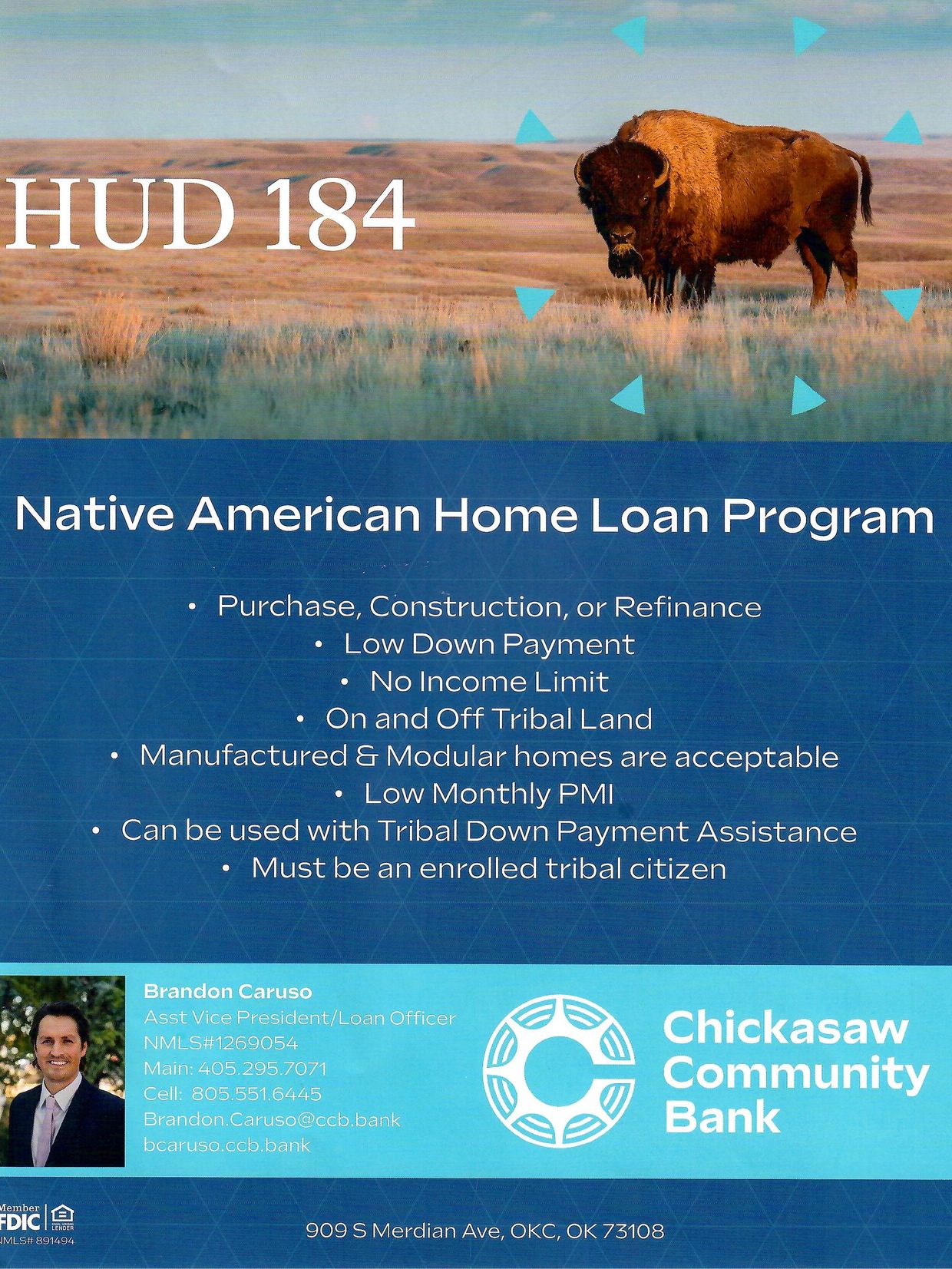
HUD Section 184 Indian Home Loan Guarantee Program: This is arguably the most significant program. It’s a federal loan guarantee program specifically designed to increase homeownership among Native Americans and Alaska Natives. Key features include:
- Low Down Payment: Often as low as 2.25% for loans over $50,000 and 1.25% for loans under $50,000.
- Flexible Underwriting: Allows for alternative credit histories and lower credit scores.
- No Mortgage Insurance (MI): Only an upfront guarantee fee (1.5%) and no annual MI, significantly reducing monthly costs.
- Eligibility on Trust Land: It’s specifically designed to work with unique land tenure on reservations, allowing for leasehold interests.
- Versatility: Can be used for new construction, purchase of existing homes, refinancing, and rehabilitation.
- Tribal Government Involvement: Often requires tribal approval for leasehold agreements, further integrating the community.
-
VA Native American Direct Loan (NADL) Program: Available to eligible Native American veterans, this program offers direct loans from the VA to purchase, construct, or improve homes on federal trust land. It boasts:
- No Down Payment: 100% financing for eligible veterans.
- Low Interest Rates: Set by the VA.
- No Private Mortgage Insurance (PMI): Eliminates a significant monthly cost.
- No Loan Limits: Veterans can borrow up to the county loan limit where the property is located.
-
USDA Rural Development Loan Programs: While not exclusively for Native Americans, these programs (like Section 502 Direct and Guaranteed Loans) can be highly beneficial for rural tribal communities. They offer:
- No Down Payment: For eligible low-to-moderate income borrowers in rural areas.
- Flexible Credit Guidelines.
- Income Limits: Eligibility is based on income relative to the area median income.
-
Credit Union Proprietary Programs: Beyond federal programs, some credit unions develop their own innovative products, such as:
- Reduced Interest Rate Mortgages: Lower rates for tribal members or those on trust land.
- Flexible Underwriting Standards: Going beyond traditional credit scores to assess an applicant’s overall financial picture.
- Down Payment Assistance: Partnering with tribal governments or non-profits to offer grants or low-interest loans for down payments and closing costs.
- Homebuyer Education: Mandatory or highly recommended courses to prepare borrowers for homeownership.
Advantages of Credit Unions with Native American Mortgage Programs
When considering a mortgage, choosing a credit union with specialized Native American programs offers distinct advantages:
- Cultural Competency and Trust: This is perhaps the most significant benefit. Credit unions deeply rooted in or specifically serving Native American communities often employ staff who understand the cultural nuances, historical context, and unique challenges. This fosters trust, making the often-intimidating mortgage process more accessible and less stressful. They speak the language, literally and figuratively, of the community.
- Expertise in Trust Land Financing: Navigating the complexities of trust land and leasehold agreements is a specialized skill. Credit unions that actively offer these programs have developed the expertise, processes, and relationships with tribal governments and the Bureau of Indian Affairs (BIA) necessary to successfully close loans on trust land, which many conventional lenders avoid.
- Tailored Financial Products and Flexible Underwriting: Driven by their mission, these credit unions are more willing and able to offer flexible underwriting standards. This might include considering non-traditional credit references (e.g., rent payments, utility bills) for those with limited credit histories, or offering lower down payment options and more competitive interest rates due to their non-profit status.
- Comprehensive Financial Education and Counseling: Recognizing that homeownership is a long-term commitment, many credit unions provide extensive homebuyer education. These programs cover everything from budgeting and credit repair to understanding mortgage terms and home maintenance, equipping borrowers with the knowledge needed for sustainable homeownership.
- Community Reinvestment and Economic Development: By facilitating homeownership, these credit unions contribute directly to the economic development and stability of Native American communities. Every home built or purchased creates jobs, strengthens local economies, and helps build intergenerational wealth, aligning with tribal self-determination goals.
- Personalized Service and Advocacy: Unlike large banks, credit unions often offer a more personalized, relationship-based approach. Loan officers may act as advocates, guiding applicants through every step of the process, working directly with tribal housing authorities, and navigating bureaucratic hurdles on behalf of the borrower.
- Access to Federal Programs: Credit unions act as critical conduits for federal programs like HUD 184 and VA NADL, which might otherwise be difficult for individuals to access or navigate without institutional support.
Disadvantages of Credit Unions with Native American Mortgage Programs
Despite their many strengths, credit unions offering these specialized programs are not without their limitations:
- Limited Geographic Reach and Scale: Credit unions are typically smaller than national banks and may have a more localized service area. This means that a Native American individual might not have a credit union specializing in these programs conveniently located in their immediate vicinity, particularly in very remote areas.
- Varying Levels of Expertise: While some credit unions are highly proficient in Native American mortgage programs, others may have limited experience or capacity. It’s crucial for applicants to research and ensure the specific credit union they choose truly has the expertise and a proven track record in this niche.
- Resource Constraints Compared to Larger Banks: Smaller credit unions might have fewer technological resources, less staff, or a more limited product offering compared to large national banks. This could potentially lead to slower processing times or less sophisticated online tools, although many CUs are investing heavily in technology.
- Membership Requirements: To access services, individuals must typically become members of the credit union, which involves meeting specific eligibility criteria (e.g., living in a certain county, working for a specific employer, or being part of an affinity group). While generally easy to fulfill, it’s an extra step.
- Still Subject to External Factors: While credit unions help navigate complexities, they cannot entirely eliminate issues like difficult appraisals on trust land, the need for tribal government approvals, or the inherent challenges of developing infrastructure in remote areas. These external factors can still impact loan timelines and feasibility.
- Perceived Lack of Awareness: Even within Native American communities, awareness of these specialized programs and the credit unions offering them may not be widespread, requiring more proactive outreach and education efforts from both the institutions and community leaders.
How to Choose the Right Credit Union
For Native Americans considering homeownership, selecting the right credit union is paramount. Here are key factors to consider:
- Experience and Track Record: Look for a credit union with a demonstrated history of successfully originating and servicing Native American mortgages, particularly HUD 184 and VA NADL loans.
- Cultural Competency: Assess if the credit union has staff who understand and respect Native American cultures and community dynamics. Do they have dedicated Native American services teams?
- Relationships with Tribal Governments: A credit union with strong existing relationships with local tribal housing authorities and governments can significantly streamline the process.
- Homebuyer Education and Counseling: Prioritize institutions that offer robust financial literacy and homeownership counseling programs.
- Community Involvement: A credit union actively involved in the Native American community demonstrates a deeper commitment beyond just financial transactions.
- Reviews and Recommendations: Seek feedback from other Native American homeowners or tribal housing departments.
Recommendation
Based on the comprehensive review, credit unions with established Native American mortgage programs come highly recommended for eligible Native American individuals and families seeking homeownership.
These institutions are not merely lenders; they are partners in community development and financial empowerment. Their non-profit, member-centric model, combined with specialized expertise in complex areas like trust land financing and cultural sensitivity, positions them as uniquely qualified to bridge the historical gaps in Native American homeownership.
While it is crucial for individuals to conduct their due diligence – researching specific credit unions, comparing offerings, and understanding all program requirements – the overall value proposition is overwhelmingly positive. Credit unions provide not just a loan, but a supportive ecosystem designed to foster sustainable homeownership and contribute to the economic self-determination of Native American communities.
For many, these specialized credit unions represent the most viable, understanding, and supportive pathway to achieving the dream of owning a home, transforming a historically challenging endeavor into a tangible reality. They are not just offering a product; they are offering hope, stability, and a foundation for future generations.


