
A Path to Homeownership: Reviewing Native American Home Loans in Wisconsin
The dream of homeownership is a cornerstone of the American ethos, representing stability, wealth building, and a sense of belonging. Yet, for many Native Americans, this dream has historically been fraught with unique challenges, stemming from complex land tenure systems, historical economic disparities, and a lack of culturally sensitive financial products. In Wisconsin, home to eleven distinct sovereign tribal nations, these challenges are particularly salient. This comprehensive review will delve into the landscape of Native American home loans available in Wisconsin, examining their advantages, disadvantages, and ultimately, offering a recommendation for those seeking to navigate this specialized path to homeownership.
The Unique Landscape of Native American Homeownership in Wisconsin
Wisconsin’s tribal nations – including the Ho-Chunk Nation, Oneida Nation, Menominee Nation, Lac du Flambeau Band of Lake Superior Chippewa, and others – possess diverse economies, cultures, and land bases. A significant portion of tribal land in Wisconsin is held in federal trust, meaning individual tribal members often don’t hold traditional fee-simple title to their land. Instead, they may have an allotment, a leasehold interest, or a tribal assignment. This critical distinction is often a major barrier for conventional lenders, who typically require fee-simple ownership as collateral.
Beyond land tenure, other factors contribute to the need for specialized loan programs:

- Economic Disparities: Many tribal communities face higher rates of poverty and unemployment, leading to lower credit scores or limited credit histories.
- Rural Locations: A significant number of tribal lands are in rural areas, where conventional lending options may be scarce or less competitive.
- Cultural Context: The importance of tribal sovereignty, community, and ancestral lands often requires a nuanced approach that standard loan products fail to provide.
These factors underscore why "Native American home loans" are not just a niche product but a vital pathway for tribal members to achieve homeownership, whether on or off their respective reservations in Wisconsin.
Key Home Loan Programs for Native Americans in Wisconsin
Several specialized programs are designed to address the unique needs of Native American homebuyers. While not exclusively for Wisconsin, their application within the state is crucial.
1. HUD Section 184 Indian Home Loan Guarantee Program
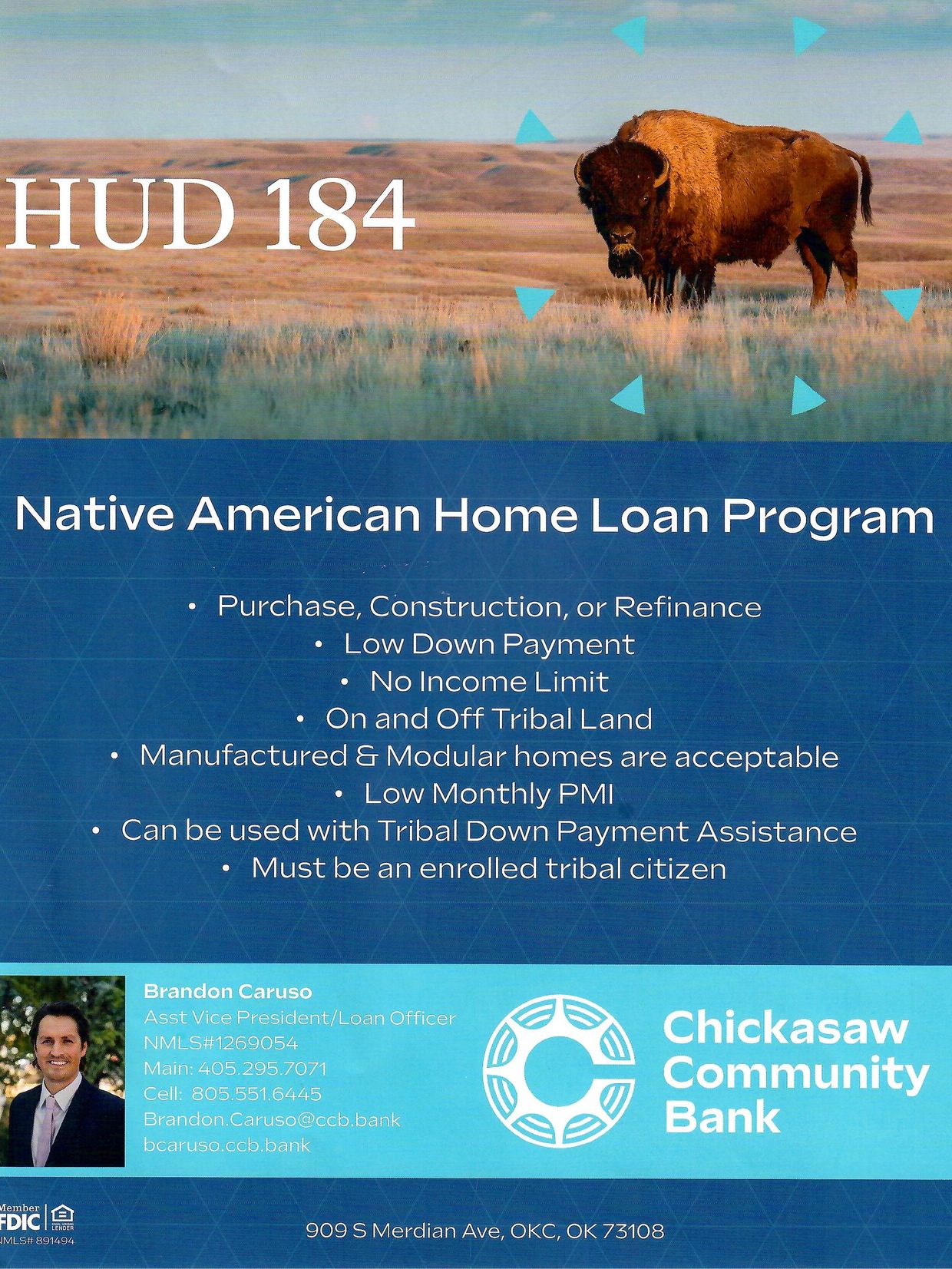
This is arguably the most significant and widely utilized program. The Section 184 program is a loan guarantee program specifically for Native American and Alaska Native families, federally recognized tribes, and tribally designated housing entities. It allows private lenders to make mortgage loans to eligible borrowers, with HUD guaranteeing the loan.
Key Features:
- Low Down Payment: Often as low as 1.25% for loans over $50,000, and 2.25% for loans under $50,000.
- Flexible Underwriting: Lenders can consider non-traditional credit references and are generally more flexible with credit history requirements than conventional loans.
- No Mortgage Insurance Premium (MIP): Unlike FHA loans, Section 184 does not require monthly mortgage insurance, though it has a one-time upfront guarantee fee (1.5% of the loan amount, often financed into the loan).
- Competitive Interest Rates: Rates are typically market-driven and competitive, often comparable to FHA rates.
- On and Off-Reservation Use: Can be used to purchase, construct, or rehabilitate homes on Indian trust land, allotted land, or in approved areas off-reservation.
- Leasehold Interest Accepted: Crucially, it accepts leasehold interests on tribal trust land, circumventing the fee-simple ownership barrier.
- Tribal Approval: For homes on tribal land, tribal approval is required, ensuring alignment with tribal housing policies.
2. VA Home Loans (for Eligible Native American Veterans)
For Native American veterans, the VA Home Loan program is an exceptionally powerful tool. Many tribal members serve in the U.S. armed forces, making this a highly relevant option.
Key Features:
- No Down Payment: One of the most significant advantages is the ability to purchase a home with 0% down.
- No Private Mortgage Insurance (PMI): VA loans do not require PMI, saving borrowers a substantial amount monthly.
- Competitive Interest Rates: Often among the lowest available.
- Flexible Underwriting: VA guidelines are generally more lenient regarding credit scores and debt-to-income ratios than conventional loans.
- Native American Direct Loan (NADL) Program: A specific subset of VA loans, the NADL program, is available to eligible Native American veterans to finance the purchase, construction, or improvement of homes on Federal Trust Land. It offers direct loans from the VA, often with very favorable terms.
3. USDA Rural Development Loans (Section 502 Direct and Guaranteed)
Given that many tribal lands and surrounding communities in Wisconsin are rural, USDA loans are a viable option for many Native American homebuyers.
Key Features:
- No Down Payment: Both the direct and guaranteed USDA loan programs can offer 100% financing.
- Competitive Interest Rates: Generally favorable rates, especially for direct loans which are subsidized by the government.
- Geographic Eligibility: Properties must be located in designated rural areas (which includes most tribal lands in Wisconsin).
- Income Limits: Borrowers must meet specific income limitations, which vary by county and family size.
- Property Standards: Homes must meet USDA’s safety and quality standards.
4. Tribal Housing Programs and Down Payment Assistance
Many Wisconsin tribal nations operate their own housing authorities or programs. These can offer crucial supplementary support:
- Down Payment and Closing Cost Assistance: Grants or low-interest loans to cover initial costs.
- Financial Counseling: Education on budgeting, credit, and the home-buying process.
- Housing Development: Direct development of affordable housing units for tribal members.
- Leasehold Development: Assistance in navigating the tribal leasehold process.
These tribal-specific initiatives often work in conjunction with federal programs like Section 184, providing a comprehensive support system.
Advantages of Native American Home Loan Programs in Wisconsin
The specialized nature of these programs offers significant benefits for eligible Native Americans in Wisconsin:
- Addresses Unique Land Tenure: The most critical advantage is their ability to accommodate leasehold interests on tribal trust land. This bypasses the primary hurdle of conventional lending, making homeownership on ancestral lands a reality.
- Increased Accessibility: By offering lower down payments (or none at all) and more flexible credit underwriting, these programs open doors for individuals and families who might not qualify for traditional mortgages due to historical economic disadvantages or limited credit histories.
- Financial Savings:
- No PMI (Section 184/VA): The absence of monthly private mortgage insurance significantly reduces the ongoing cost of homeownership.
- Competitive Rates: Despite their flexibility, these programs generally offer interest rates comparable to or better than conventional loans.
- Lower Down Payments: Reduces the initial financial burden, allowing more liquid assets for other needs or emergencies.
- Cultural Sensitivity and Tailored Support: These programs, particularly Section 184 and tribal initiatives, are designed with an understanding of Native American cultural contexts and the complexities of tribal governance. This often translates to more empathetic and informed assistance throughout the process.
- Community Development: By facilitating homeownership, these programs contribute to the economic stability and growth of tribal communities. Homeowners are more likely to invest in their homes and communities, fostering long-term resilience and wealth creation within the tribe.
- Empowerment and Self-Determination: Owning a home provides a tangible asset, contributing to individual and family self-sufficiency and strengthening tribal sovereignty by allowing members to build and live on their lands.
Disadvantages and Challenges
While incredibly beneficial, these specialized loan programs are not without their complexities and potential drawbacks:
- Limited Lender Participation: Not all mortgage lenders are approved to originate Section 184, VA NADL, or USDA direct loans. Finding an experienced lender who understands the nuances of tribal land and specific program requirements can be challenging in Wisconsin, especially in more remote areas.
- Bureaucracy and Process Complexity:
- BIA Approval: For homes on tribal trust land, the Bureau of Indian Affairs (BIA) must approve leases, assignments, and other documents. This process can be lengthy and add significant delays to the closing timeline.
- Tribal Requirements: Each tribal nation in Wisconsin may have its own specific housing codes, land use policies, and approval processes, which borrowers must navigate in addition to federal requirements.
- Appraisal Challenges on Trust Land: Valuing properties on tribal trust land can be difficult. Comparables (similar sales) might be scarce, and appraisers need specific experience with leasehold valuations and tribal property rights, which can lead to lower appraisals or delays.
- Eligibility Restrictions:
- Native American Status: Section 184 and NADL are strictly for enrolled members of federally recognized tribes.
- Veteran Status: VA loans are only for eligible veterans.
- Income/Location Limits: USDA loans have income and geographic restrictions that may exclude some borrowers or properties.
- Perceived Higher Costs: While Section 184 doesn’t have monthly PMI, the upfront 1.5% guarantee fee, when financed, increases the loan amount. Borrowers need to understand all fees involved.
- Patience is Key: Due to the various layers of approval (lender, HUD/VA/USDA, BIA, tribe), the process for securing a loan on tribal land can take longer than a conventional mortgage. Borrowers must be prepared for potential delays and maintain clear communication with all parties involved.
- Financial Literacy Gaps: While many programs offer counseling, a lack of financial literacy regarding credit, budgeting, and the long-term responsibilities of homeownership can still pose a challenge for some applicants.
The Application Process and What to Expect
For a Native American seeking a home loan in Wisconsin, the journey typically involves these steps:
- Initial Research & Counseling: Understand the different loan programs and their eligibility. Seek out housing counseling agencies specializing in Native American programs, often found through tribal housing authorities or HUD-approved agencies.
- Credit Review and Improvement: Review your credit report. Work to resolve any discrepancies and build a stronger credit profile if needed.
- Find an Approved Lender: This is crucial. Look for lenders in Wisconsin with a proven track record of originating Section 184, VA NADL, or USDA loans, especially those experienced with tribal trust land.
- Pre-Qualification/Pre-Approval: Get pre-qualified or pre-approved to understand your borrowing capacity and demonstrate seriousness to sellers.
- Property Search: Identify a home that meets program requirements (e.g., in an approved rural area for USDA, or on/off trust land for Section 184).
- Loan Application and Underwriting: Submit all required financial documents. The lender will review your income, assets, credit, and the property’s eligibility.
- Appraisal and Inspections: The property will undergo an appraisal to determine its value and inspections to ensure it meets program standards. On tribal land, the appraisal process can be more involved.
- Tribal/BIA Approval (if applicable): If on trust land, necessary tribal resolutions and BIA approvals for leases or assignments will be sought.
- Closing: Once all approvals are in place, you’ll sign the final loan documents and become a homeowner.
Throughout this process, proactive communication with your lender, tribal housing authority, and any involved government agencies is paramount.
Recommendation: Are Native American Home Loans a "Good Buy" in Wisconsin?
For eligible Native Americans in Wisconsin, these specialized home loan programs are not just a "good buy"; they are an essential and invaluable pathway to homeownership.
Strong Recommendation: YES, ABSOLUTELY.
Who should consider them:
- Enrolled members of federally recognized tribes in Wisconsin seeking to purchase a home on or off their reservation.
- Native American veterans in Wisconsin, who may benefit from the exceptional terms of VA loans, including the NADL program for trust land.
- Native Americans with limited credit history or lower down payment funds who may not qualify for conventional loans.
- Individuals planning to build or buy on tribal trust land, where conventional financing is often impossible.
Why they are a "good buy":
The advantages – addressing land tenure issues, lower financial barriers, and culturally sensitive support – far outweigh the challenges of increased bureaucracy and limited lender options. These programs are specifically designed to overcome systemic obstacles that have historically excluded Native Americans from the mainstream housing market. They foster individual wealth, strengthen families, and contribute to the self-determination and economic growth of tribal nations in Wisconsin.
Key Takeaways for Prospective Buyers:
- Do Your Homework: Understand the nuances of each program and your eligibility.
- Seek Expert Guidance: Connect with tribal housing authorities, HUD-approved housing counselors, and lenders in Wisconsin who specialize in these loans. Their experience with the local tribal landscape is invaluable.
- Be Patient and Persistent: The process can be longer and more complex, especially on tribal trust land, but the outcome of homeownership is profoundly rewarding.
- Leverage Tribal Resources: Don’t overlook the support and assistance that your specific tribal nation may offer.
In conclusion, Native American home loan programs in Wisconsin are more than just financial products; they are instruments of equity and opportunity. By providing tailored solutions that respect tribal sovereignty and address historical disadvantages, these programs are actively building a future where the dream of homeownership is accessible and achievable for Native Americans across the state.


