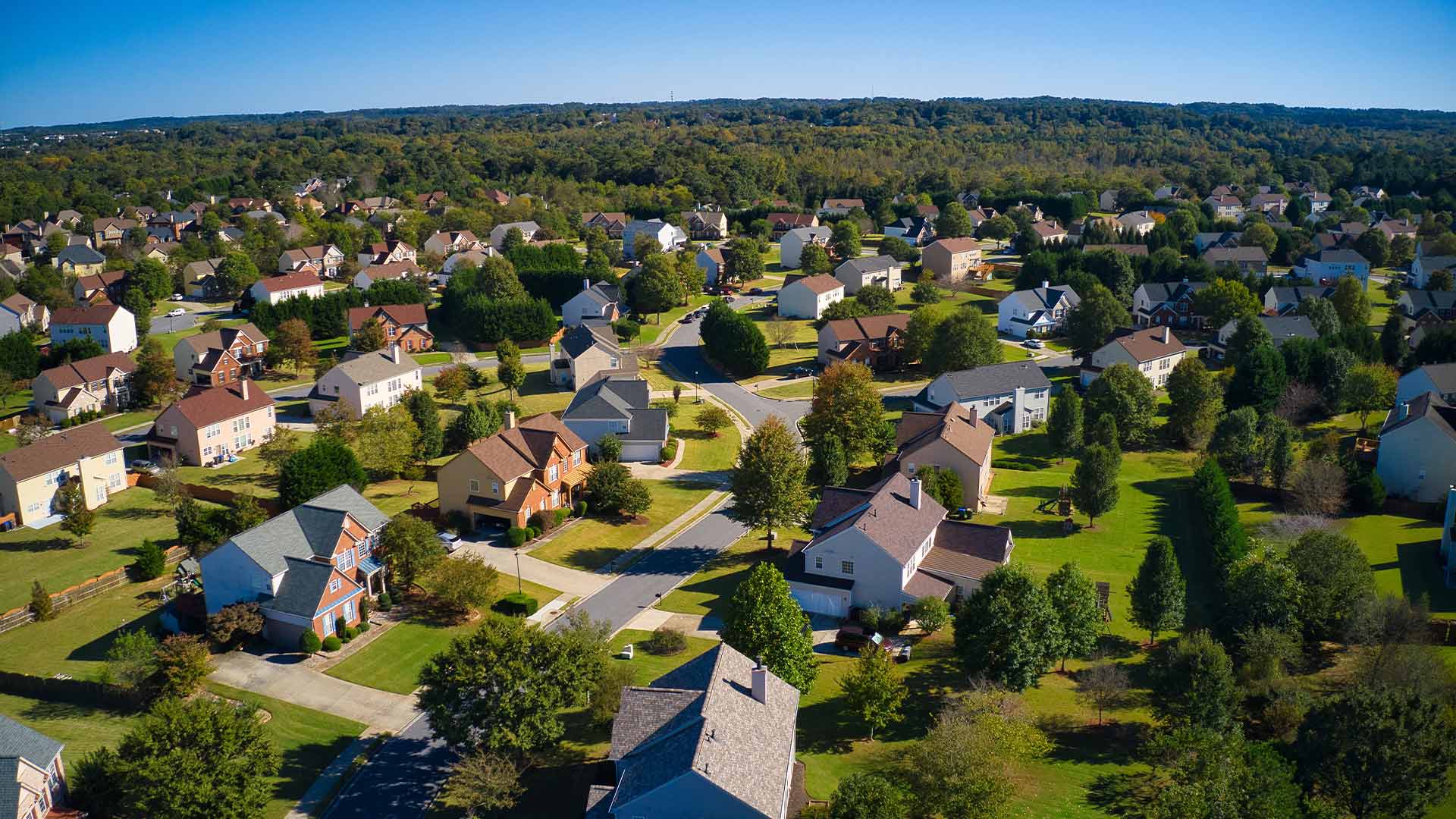
Unlocking Homeownership: A Comprehensive Review of Native American Home Loans in Minnesota
Homeownership is a cornerstone of the American dream, a powerful vehicle for wealth creation, community stability, and individual well-being. Yet, for many Native Americans, this dream has historically been fraught with unique challenges, stemming from complex land tenure systems, historical injustices, and a lack of access to conventional financial products. In Minnesota, a state rich with the vibrant cultures of the Ojibwe and Dakota nations, understanding the landscape of Native American home loans is crucial for empowering Indigenous communities and individuals.
This comprehensive review will delve into the specific advantages and disadvantages of home loan options available to Native Americans in Minnesota, with a particular focus on the HUD Section 184 Indian Home Loan Guarantee Program. We will explore how these programs address unique needs, identify potential hurdles, and ultimately provide a clear recommendation for prospective homebuyers.
The Unique Landscape of Native American Homeownership in Minnesota
Minnesota is home to 11 federally recognized Anishinaabe (Ojibwe) and Dakota (Sioux) tribal nations, with significant populations residing both on reservations and in urban centers like Minneapolis and St. Paul. This dual demographic presents varying housing needs and access challenges.
Challenges Historically Faced:
- Trust Land Complexity: A significant portion of tribal lands are held in "trust" by the U.S. government for the benefit of individual Native Americans or the tribes themselves. This unique legal status means the land cannot be directly mortgaged or foreclosed upon in the conventional sense, posing a major barrier for traditional lenders.
- Infrastructure Gaps: Many reservation communities face challenges with basic infrastructure, including roads, water, sewer, and reliable utilities, which can impact property values and the feasibility of new construction.
- Appraisal Difficulties: Appraising homes on trust land can be complex due to a lack of comparable sales data, which is essential for determining market value.
- Credit History: Historical economic disparities and limited access to mainstream financial services have sometimes resulted in less established credit histories for Native American individuals, making it harder to qualify for conventional loans.
- Awareness and Access: Many Native Americans, and even some lenders, are unaware of the specialized loan programs designed to address these unique challenges.
These factors underscore the critical need for tailored financial products that acknowledge and navigate the specific socio-economic and legal realities of Native American communities in Minnesota.

The "Products": Key Home Loan Programs for Native Americans in Minnesota
While several loan programs might be applicable to Native Americans (e.g., FHA, VA, USDA Rural Development), the HUD Section 184 Indian Home Loan Guarantee Program stands out as the most significant and specifically designed option.
1. HUD Section 184 Indian Home Loan Guarantee Program
This program, administered by the U.S. Department of Housing and Urban Development (HUD), is not a direct loan but a loan guarantee program. This means HUD insures loans made by private lenders to eligible Native American individuals, families, and tribal governments. This guarantee protects lenders against losses, making them more willing to lend in areas and under conditions they might otherwise avoid.
Eligibility:
To be eligible for a Section 184 loan, the borrower must be an enrolled member of a federally recognized tribe. The property can be located on trust land, restricted land, or in an approved off-reservation area. In Minnesota, this covers members of the Red Lake Nation, White Earth Nation, Leech Lake Band of Ojibwe, Mille Lacs Band of Ojibwe, Fond du Lac Band of Lake Superior Chippewa, Bois Forte Band of Chippewa, Grand Portage Band of Lake Superior Chippewa, Upper Sioux Community, Lower Sioux Indian Community, Prairie Island Indian Community, and Shakopee Mdewakanton Sioux Community, as well as enrolled members of any other federally recognized tribe living in Minnesota.
Loan Uses:
Section 184 loans can be used for:
- Purchasing an existing home.
- Constructing a new home.
- Rehabilitating a home.
- Refinancing an existing mortgage.
- Purchasing and rehabilitating a home.
2. Other Relevant Programs (Briefly)
- USDA Rural Development Loans (Section 502 Direct & Guaranteed): These loans can be beneficial for low- and moderate-income individuals in rural areas, including some reservation lands. They often feature no down payment and flexible credit requirements. However, they are not specifically designed for trust land complexities.
- VA Home Loans: For Native American veterans, VA loans offer significant benefits, including no down payment, competitive interest rates, and no private mortgage insurance. While excellent for eligible veterans, they also face challenges on trust land without specific adaptations like Section 184.
- Tribal Housing Authorities/Programs: Many tribal nations in Minnesota operate their own housing authorities that may offer down payment assistance, financial literacy programs, or even direct housing development initiatives. These often complement federal loan programs.
- Conventional/FHA Loans: While generally available, these loans are often less suitable for properties on trust land due to lender restrictions and the inability to directly mortgage the land.
Advantages of Native American Home Loans (Specifically Section 184)
The HUD Section 184 program, in particular, offers several distinct advantages that make it an invaluable tool for Native American homebuyers in Minnesota:
- Addresses Trust Land Challenges: This is perhaps the most significant advantage. Section 184 is specifically designed to work with the unique legal framework of trust land by allowing for leasehold mortgages. Borrowers essentially lease the land from the tribe or individual allottee for a long term (e.g., 50 years), and the loan is secured by this leasehold interest, rather than the land itself. This bypasses the traditional lending barrier.
- Low Down Payment Requirements: Borrowers typically need only a 2.25% down payment for loans over $50,000, and just 1.25% for loans under $50,000. This significantly reduces the upfront financial burden, making homeownership more accessible.
- Flexible Underwriting and Credit Requirements: Section 184 generally offers more flexible credit guidelines compared to conventional loans. Lenders are encouraged to look beyond traditional credit scores and consider alternative credit histories (e.g., utility payments, rental history), which is crucial for individuals with limited credit backgrounds.
- Competitive Interest Rates: Because the loans are guaranteed by HUD, lenders are able to offer competitive, often lower, interest rates than might be available on similar conventional loans.
- Reduced Mortgage Insurance: Unlike FHA loans, which require monthly mortgage insurance premiums for the life of the loan (or a significant period), Section 184 has a one-time upfront guarantee fee (currently 1.5% of the loan amount), which can often be financed into the loan. There are no monthly mortgage insurance premiums, leading to lower monthly payments over the life of the loan.
- Culturally Competent Lenders: Many lenders who participate in the Section 184 program have experience working with tribal communities and understanding the nuances of tribal sovereignty, governance, and cultural considerations. This can lead to a more supportive and understanding loan process.
- Empowerment and Wealth Building: By facilitating homeownership, these loans enable Native American families to build equity, which can be a vital source of intergenerational wealth and financial security. This directly contributes to the economic stability and self-sufficiency of tribal nations.
- Community Development: Increased homeownership on and near reservations leads to more stable communities, fosters local economic activity, and can encourage further investment in infrastructure and services.
- Direct Lender Oversight: HUD maintains a list of approved Section 184 lenders and provides oversight, ensuring that the program’s objectives are met and borrowers are treated fairly.
Disadvantages and Challenges of Native American Home Loans
While the advantages are substantial, prospective borrowers should also be aware of potential challenges:
- Limited Lender Pool: While growing, the number of lenders actively participating in the Section 184 program in Minnesota may still be smaller than for conventional loans. Finding an experienced Section 184 lender, especially one familiar with specific tribal lands, can require some research.
- Bureaucracy and Processing Times (especially on Trust Land): Securing a loan on trust land often involves additional steps, such as obtaining tribal consent, securing a leasehold agreement, and getting approvals from the Bureau of Indian Affairs (BIA). These processes can add significant time to the loan application, potentially delaying closing.
- Appraisal Challenges on Trust Land: Despite the program’s design, appraising properties on trust land can still be complex. The lack of comparable sales data in remote or developing tribal communities can lead to lower appraisals than anticipated or require specialized appraisers, potentially impacting the loan amount or requiring additional borrower contributions.
- Infrastructure Requirements: Even with a Section 184 loan, properties must meet certain minimum property standards. If a home on tribal land lacks adequate water, sewer, or utility access, significant upfront investment may be required to bring it up to standard, potentially increasing the total cost.
- Financial Literacy and Readiness: While the program offers flexible underwriting, borrowers still need to be financially prepared. Understanding credit, managing debt, and navigating the homebuying process can be daunting. Access to financial education and credit counseling is crucial but not always readily available.
- Perceived Risk by Some Lenders: Despite the HUD guarantee, some lenders may still be hesitant to lend on trust land or to borrowers with less traditional credit histories due to perceived administrative complexities or lack of familiarity, even if the financial risk is mitigated.
- Program Awareness: A significant challenge remains in simply educating eligible Native Americans and even some financial institutions about the existence and benefits of the Section 184 program. Many who could benefit are simply unaware of this powerful tool.
Recommendation: Is a Native American Home Loan in Minnesota a "Buy"?
Absolutely, a Native American home loan, particularly the HUD Section 184 program, comes with a strong "BUY" recommendation for eligible individuals and families in Minnesota.
For enrolled members of federally recognized tribes seeking homeownership in Minnesota, the Section 184 program is arguably the most beneficial and specifically tailored financial product available. Its unique ability to navigate the complexities of trust land, coupled with low down payments, flexible underwriting, and competitive rates, makes it an unparalleled opportunity.
However, the "BUY" comes with the following important considerations and advice:
- Do Your Homework: Start by researching and contacting lenders in Minnesota who specialize in Section 184 loans. Seek out those with a proven track record of working with tribal communities. HUD’s website provides a list of approved lenders.
- Engage Your Tribal Housing Authority: Your tribal housing authority or government can be an invaluable resource. They often have established relationships with lenders, understand the local land lease processes, and may offer supplementary programs or counseling.
- Prioritize Financial Preparedness: While flexible, the program still requires financial discipline. Work on improving your credit score, reducing debt, and saving for the down payment and closing costs. Many non-profits and tribal organizations offer free financial literacy and homebuyer education courses.
- Be Patient, Especially on Trust Land: Understand that the process, particularly for properties on trust land, may take longer due to the multiple layers of approval from tribal governments and the BIA. Patience and diligent follow-up are key.
- Understand the Leasehold: If buying on trust land, thoroughly understand the terms of the leasehold agreement. Ensure it’s long enough to cover the loan term and that you are comfortable with its provisions.
- Get a Thorough Home Inspection: As with any home purchase, a comprehensive home inspection is vital to identify potential issues and ensure the property meets safety and livability standards.
Conclusion
Native American home loans, epitomized by the HUD Section 184 program, are not just financial instruments; they are tools of empowerment and equity. In Minnesota, where Indigenous communities are actively working to build self-sufficiency and strengthen their cultural foundations, these loans play a pivotal role in realizing the dream of homeownership.
Despite the inherent challenges associated with historical land tenure and infrastructure, the advantages offered by Section 184 – its adaptability to trust land, affordability, and supportive framework – far outweigh the disadvantages. By understanding the program, preparing financially, and seeking out experienced partners, Native American individuals and families in Minnesota can confidently navigate the path to owning a home, securing their future, and contributing to the enduring strength of their communities. The opportunity is real, and the recommendation is clear: for those eligible, these loans are a truly valuable investment.


