Review: Tribal Housing Assistance in New Mexico – A Critical Evaluation of a Vital "Product"
Introduction: The Imperative of Home on Native Lands
In the vast and culturally rich landscape of New Mexico, the concept of home extends far beyond mere shelter; it is intertwined with identity, community, and sovereignty. For the state’s 23 federally recognized Native American Tribes, Pueblos, and Nations, securing adequate, safe, and culturally appropriate housing is a foundational pillar of well-being and self-determination. Tribal housing assistance programs in New Mexico are not a singular product, but rather a complex ecosystem of federal, state, tribal, and sometimes private initiatives designed to address the unique and often severe housing challenges faced by Indigenous communities. This comprehensive "product review" will delve into the multifaceted nature of these assistance programs, evaluating their strengths, weaknesses, and offering a "purchase recommendation" for policymakers, stakeholders, and beneficiaries alike.
The "product" under review – Tribal Housing Assistance New Mexico – is aimed at alleviating issues such as overcrowding, substandard living conditions, lack of basic infrastructure (water, sewer, electricity), and the general scarcity of affordable housing units on tribal lands. It encompasses everything from new construction and rehabilitation projects to rental assistance, homeownership programs, and critical infrastructure development. Understanding this "product" requires acknowledging the historical context of dispossession, underdevelopment, and systemic neglect that has contributed to the current housing crisis in many Native American communities.
Understanding the "Product": What is Tribal Housing Assistance in New Mexico?
At its core, Tribal Housing Assistance in New Mexico is a collaborative effort, primarily driven by the Native American Housing Assistance and Self-Determination Act (NAHASDA) of 1996. This landmark federal legislation fundamentally reshaped how housing assistance is delivered to Native Americans, shifting control from the Department of Housing and Urban Development (HUD) directly to tribal governments and their Tribally Designated Housing Entities (TDHEs).
Under NAHASDA, tribes receive Block Grant funds (Indian Housing Block Grants – IHBG) to address their specific housing needs according to their own priorities. This could include:
- New Construction: Building entirely new homes, often single-family units, but also multi-family dwellings.
- Rehabilitation and Renovation: Repairing existing homes that are dilapidated or unsafe.
- Rental Assistance: Providing subsidies to help low-income families afford rent.
- Homeownership Programs: Offering down payment assistance, mortgage subsidies, or homebuyer education.
- Housing Services: Counseling, maintenance, and resident services.
- Infrastructure Development: Funding for water, sewer, and electrical lines essential for housing.

Beyond NAHASDA, other critical components of this "product" include:
- USDA Rural Development Programs: Loans and grants for housing, community facilities, and infrastructure in rural tribal areas.
- Indian Health Service (IHS): While primarily focused on healthcare, IHS plays a crucial role in funding sanitation facilities and water infrastructure vital for housing.
- Bureau of Indian Affairs (BIA): Involved in land management, leasing, and title issues on trust lands, which are fundamental to housing development.
- State of New Mexico Programs: Various state housing authorities and programs that may provide supplemental funding or technical assistance.
- Private Lenders & Non-Profits: Though less prevalent on trust lands, efforts are made to engage private financing and leverage non-profit expertise.
The target "market" for this "product" is broad but focused: low-income Native American families, elders, individuals with disabilities, and youth, all residing on or near tribal lands in New Mexico, seeking safe, affordable, and culturally relevant housing solutions.
The "Features" and "Performance" (Pros) of Tribal Housing Assistance
Despite its complexities, Tribal Housing Assistance in New Mexico offers significant benefits:
-
Empowerment and Self-Determination (NAHASDA’s Core Strength): The greatest advantage of NAHASDA is the shift of decision-making power to tribal governments. Tribes, through their TDHEs, are best positioned to understand their communities’ unique needs, cultural preferences, and priorities. This local control ensures that housing solutions are tailored, fostering self-sufficiency and respecting tribal sovereignty. This "feature" directly enhances the "user experience" by making the "product" more relevant and responsive.
-
Addressing Critical Housing Deficiencies: These programs directly tackle severe issues like overcrowding and substandard housing, which are prevalent in many tribal communities. By building new homes and rehabilitating existing ones, the "product" improves living conditions, reduces health disparities (e.g., respiratory illnesses due to poor ventilation, lead poisoning), and enhances overall quality of life. For many families, this assistance means moving out of dilapidated structures into safe, modern homes.
-
Economic Development and Job Creation: Housing projects funded through these programs often create local jobs in construction, skilled trades, and administration. This stimulates local economies, provides training opportunities, and keeps resources within the tribal community. The demand for materials and services also supports local businesses, creating a multiplier effect.
-
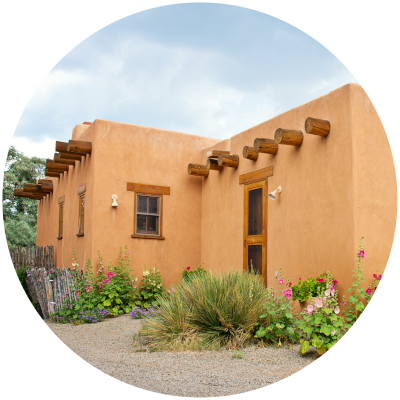
Cultural Preservation and Appropriate Design: With tribal control, there’s a greater opportunity to incorporate traditional architectural elements, communal spaces, and culturally significant layouts into housing design. This ensures that new homes resonate with the values and lifestyles of the residents, rather than imposing generic, Western-style housing that may not fit. For example, some pueblos might prioritize designs that facilitate extended family living or specific ceremonial practices.
-
Infrastructure Development: Housing cannot exist in a vacuum. A significant portion of funding goes towards developing critical infrastructure such as water lines, sewer systems, and electrical grids, especially in remote areas. This infrastructure not only supports new housing but also improves conditions for existing homes and lays the groundwork for future community development.
-
Community Building and Stability: By providing stable housing, these programs contribute to stronger, more cohesive communities. Families are less transient, children have better educational outcomes, and elders can age in place with dignity. This stability fosters a sense of belonging and cultural continuity.
-
Increased Homeownership Opportunities: For communities where homeownership has historically been challenging due to land tenure issues, these programs provide pathways through counseling, down payment assistance, and tailored mortgage products, building generational wealth.
The "Limitations" and "Drawbacks" (Cons) of Tribal Housing Assistance
While the "product" offers immense value, it is not without significant flaws and areas for improvement:
-
Chronic Underfunding: This is perhaps the most significant "limitation." The demand for adequate housing on tribal lands far outstrips the available funding. Despite NAHASDA’s success in empowering tribes, the actual appropriations have rarely met the authorized levels, leading to long waiting lists, limited scope of projects, and a struggle to keep up with growing populations and deteriorating existing housing stock. This bottleneck severely limits the "product’s" capacity.
-
Bureaucratic Complexity and Red Tape: Despite the intent of NAHASDA to simplify, tribes still navigate a complex web of federal regulations, reporting requirements, and inter-agency coordination (HUD, BIA, IHS, USDA). This can be particularly challenging for smaller tribes with limited administrative capacity, diverting resources from actual housing development to compliance. Land title issues, managed by the BIA, are notoriously slow and complex, holding up projects for years.
-
Land Tenure Issues and Trust Land Challenges: Developing housing on tribal trust lands presents unique legal and financial obstacles. The inability to directly "mortgage" trust land means conventional lenders are often hesitant, making it difficult for tribal members to access private financing. Fractionated land ownership (where a single parcel has multiple owners due to inheritance) further complicates development, requiring extensive probate and consent processes. This "limitation" is deeply rooted in historical policies and is a major barrier to scalability.
-
Infrastructure Deficiencies (High Costs): While funding for infrastructure is available, the costs associated with bringing water, sewer, and electricity to remote tribal communities in New Mexico’s diverse geography (mountains, deserts) are astronomical. Many areas lack basic utilities, and extending these services is often more expensive than building the homes themselves, consuming a disproportionate share of limited funds.
-
Capacity Gaps within Tribal Entities: Some TDHEs, particularly in smaller or more remote tribes, may lack the technical expertise, skilled personnel, or financial management capabilities to effectively administer complex housing programs. This can lead to delays, inefficient use of funds, or missed opportunities for leveraging additional resources.
-
Geographic and Environmental Challenges: New Mexico’s climate and terrain present significant hurdles. Extreme temperatures, water scarcity, and the cost of transporting materials to remote locations increase construction costs and project timelines. Building energy-efficient, sustainable homes in such environments requires specialized knowledge and greater investment.
-
Limited Private Sector Engagement: Due to the aforementioned land tenure issues and perceived risks, conventional banks and private developers are often reluctant to invest in housing on tribal lands. This limits access to capital and innovative solutions that could supplement federal funding.
-
Maintaining Existing Housing Stock: While new construction is vital, many tribal communities struggle to maintain their existing housing stock. Lack of funds for ongoing maintenance, deferred repairs, and the high cost of materials can lead to rapid deterioration of homes built just decades ago, perpetuating the cycle of substandard housing.
"User Experience" and Impact
The "user experience" of Tribal Housing Assistance is profoundly impactful, albeit uneven. For a family moving into a new, safe home with running water and electricity for the first time, the "product" is transformative, providing dignity, health, and a foundation for future prosperity. For a tribal housing authority, successfully navigating the grants, managing construction, and seeing a community flourish is a testament to self-determination. However, for the many families still on waiting lists, living in overcrowded or dilapidated conditions, the "product" feels frustratingly slow and insufficient. The "product’s performance" is often a story of immense positive change for a fortunate few, contrasted with persistent, systemic challenges for many more.
"Purchase Recommendation": A Strategic Investment for the Future
Given its critical role, the "purchase recommendation" for Tribal Housing Assistance in New Mexico is "Strongly Recommended with Essential Upgrades and Strategic Investment." This is not a "product" to be discarded, but one that desperately needs re-evaluation, increased investment, and systemic improvements to reach its full potential.
Here are the key "upgrades" and "investment strategies" recommended:
-
Significant and Consistent Funding Increase: Congress must commit to fully funding NAHASDA and other tribal housing programs. Stable, predictable, and increased appropriations are the single most important factor to scale the "product’s" impact and meet the overwhelming demand. This also includes dedicated funding streams for infrastructure.
-
Streamlined Bureaucracy and Inter-Agency Coordination: Federal agencies (HUD, BIA, IHS, USDA) must work more seamlessly. This means simplifying application processes, standardizing reporting requirements where possible, and actively collaborating to address tribal housing and infrastructure needs holistically, rather than as siloed programs. The BIA, in particular, needs modernization of its land tenure and probate processes to expedite housing development.
-
Land Tenure Reform and Innovative Financing: Explore legislative and policy changes to make trust lands more amenable to conventional financing while protecting tribal sovereignty. This could involve innovative land leasing models, loan guarantees, and partnerships with Native American CDFIs (Community Development Financial Institutions) and banks that understand the unique context of tribal lands.
-
Targeted Infrastructure Investment: Prioritize substantial, dedicated funding for "last-mile" infrastructure development – water, sewer, electricity, and broadband – in tribal communities. Without these basics, housing development is impossible or astronomically expensive.
-
Capacity Building and Technical Assistance: Invest in training and technical assistance programs for TDHEs, focusing on financial management, project management, grant writing, and sustainable construction practices. This ensures tribes have the internal capacity to effectively utilize funds and manage complex projects.
-
Foster Public-Private Partnerships: Create incentives for private lenders, developers, and philanthropic organizations to engage in tribal housing. This could include tax credits, loan guarantees, and educational initiatives to demystify the complexities of building on tribal lands.
-
Emphasize Sustainable and Culturally Responsive Design: Encourage and fund projects that incorporate traditional building techniques, local materials, energy efficiency, and designs that reflect tribal cultural values and adapt to New Mexico’s unique climate challenges.
-
Data Collection and Impact Measurement: Invest in robust data collection and evaluation to better understand the true scope of housing needs, track the effectiveness of programs, and inform future policy decisions.
Conclusion
Tribal Housing Assistance in New Mexico is an indispensable "product" that offers a lifeline to thousands of Indigenous families. It is a testament to the power of self-determination and a critical tool for rectifying historical injustices. However, its current "performance" is hampered by systemic underinvestment, bureaucratic hurdles, and deeply entrenched challenges related to land tenure and infrastructure.
To truly empower New Mexico’s Native American communities and ensure every tribal member has access to a safe, dignified, and culturally appropriate home, this "product" requires a renewed commitment from all levels of government and society. By implementing the recommended "upgrades" and making strategic "investments," we can transform Tribal Housing Assistance from a vital but struggling initiative into a fully robust and equitable system, building not just houses, but healthier, more resilient, and self-determined tribal nations.


