Navigating Homeownership: A Comprehensive Review of Native American Home Loans in Arizona
Homeownership is a cornerstone of the American dream, a pathway to wealth accumulation, community stability, and personal freedom. However, for many Native American families in Arizona, this dream can be uniquely challenging due to a complex interplay of historical factors, land tenure systems, and economic realities. The landscape of home financing on tribal lands, particularly in states with significant Indigenous populations like Arizona, is distinct and requires specialized understanding.
This comprehensive review will delve into the "product" of Native American home loans in Arizona, exploring the various financing options available, their inherent advantages and disadvantages, and ultimately offering recommendations for prospective homeowners. Our goal is to demystify this often-intricate process, empowering Native American individuals and families to achieve the dream of owning a home on their ancestral lands or within their communities.
Understanding the Unique Landscape of Homeownership in Arizona’s Native American Communities
Arizona is home to 22 federally recognized Native American tribes, with vast reservation lands encompassing a significant portion of the state. These lands are not simply geographical locations; they are sovereign nations with their own governance, cultures, and unique legal frameworks, particularly concerning land ownership.

The most critical distinction for home loans is between "fee simple" land and "trust land" (or "allotted land").
- Fee Simple Land: This is land that is privately owned, much like in non-Native communities. It can be bought, sold, and used as collateral for traditional mortgages without significant tribal or federal involvement. While some reservations have fee simple parcels, the majority of tribal lands are held in trust.
- Trust Land: This land is held in trust by the U.S. government for the benefit of a specific tribe or individual Native Americans. It cannot be bought or sold in the open market and, crucially, cannot be directly mortgaged as collateral in the traditional sense. This unique tenure system, while designed to protect tribal assets, presents significant hurdles for conventional mortgage lenders who require a lien on the property.
Furthermore, many Native American communities in Arizona face challenges common to rural and underserved areas: limited access to infrastructure (water, sewer, electricity), lower average incomes, and a historical lack of traditional lending institutions on or near reservations. These factors collectively shape the "product" of home loans available and how they function.
The "Products": Key Home Loan Programs for Native Americans in Arizona
While traditional mortgages are available for fee simple properties, the primary focus for Native American home loans, especially on trust lands, revolves around specialized programs.
1. The HUD Section 184 Indian Home Loan Guarantee Program (The Flagship Product)
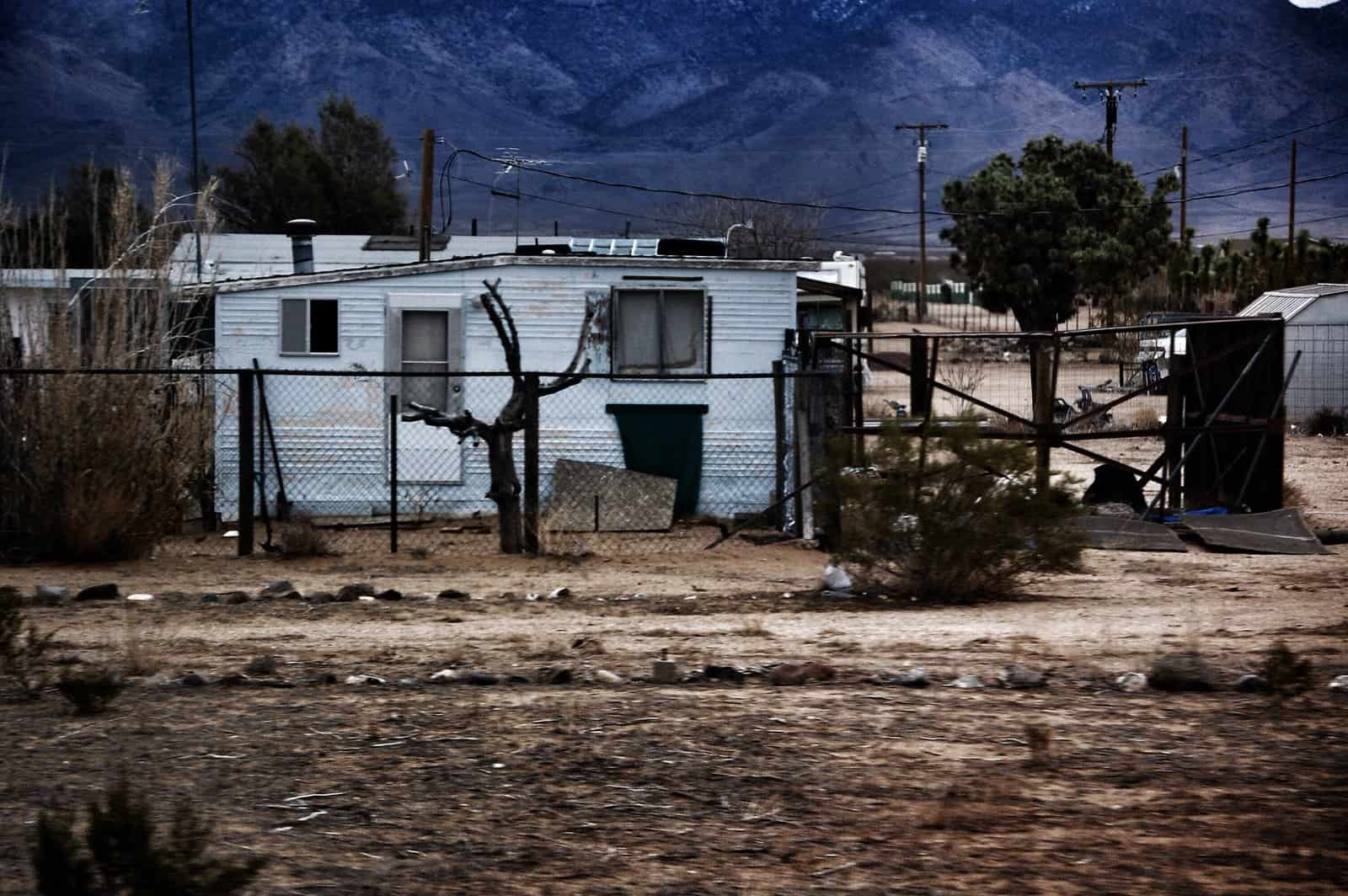
This program, administered by the U.S. Department of Housing and Urban Development (HUD) Office of Native American Programs (ONAP), is arguably the most vital tool for Native American homeownership. It acts as a loan guarantee, meaning HUD insures a portion of the loan for approved lenders, significantly reducing the risk for them and encouraging participation.
How it Works:
- Eligibility: Must be an enrolled member of a federally recognized tribe. The property must be located on tribal trust land, individually allotted land, or in an approved Indian Area (which includes most reservations and some surrounding areas in Arizona).
- Lenders: Loans are originated by private lenders (banks, credit unions) that are approved by HUD for the Section 184 program.
- Land Lease: For homes on trust land, a leasehold interest is established between the homeowner and the tribe (or the BIA for allotted land), which the lender then takes as security. This bypasses the inability to mortgage the land directly.
- Types of Loans: Can be used for purchasing an existing home, constructing a new home, rehabilitating a home, or refinancing.
- Interest Rates: Often competitive with conventional rates, sometimes even lower.
- Down Payment: As low as 2.25% for loans over $50,000, and 1.25% for loans under $50,000.
- Mortgage Insurance: A one-time 1% upfront guarantee fee and an annual .25% mortgage insurance premium are required, lower than many other government-backed loans.
- Credit Flexibility: While credit is still assessed, Section 184 is often more flexible than conventional loans, understanding the unique financial histories that may exist in tribal communities.
2. VA Home Loans (for Native American Veterans)
For eligible Native American veterans, the Department of Veterans Affairs (VA) home loan program is an excellent option. The VA also has a specific program for Native American veterans on trust land: the Native American Direct Loan (NADL) Program.
How it Works:
- Eligibility: Must be an eligible Native American veteran (or spouse) and an enrolled member of a federally recognized tribe.
- VA Guarantee: For fee simple properties, the VA guarantees a portion of the loan, allowing veterans to purchase with no down payment and no private mortgage insurance.
- NADL (on Trust Land): The VA acts as the direct lender, providing loans to eligible Native American veterans to purchase, construct, or improve homes on trust land. This program also requires a leasehold agreement with the tribe and offers very competitive fixed interest rates.
- Benefits: No down payment (for most VA loans), no mortgage insurance, competitive interest rates, and often more lenient credit requirements than conventional loans.
3. USDA Rural Development Home Loans (Section 502 Direct and Guaranteed)
The U.S. Department of Agriculture (USDA) offers home loan programs designed for rural areas, which often include tribal lands in Arizona.
How it Works:
- Eligibility: Income limits apply, and the property must be in a designated rural area. Tribal lands often qualify.
- Guaranteed Loan: Similar to Section 184, the USDA guarantees loans made by approved private lenders. No down payment is required, and there’s an annual guarantee fee.
- Direct Loan: For very low- and low-income applicants, the USDA directly lends funds. This program offers payment assistance to reduce monthly payments, sometimes as low as 1% interest.
- Challenges on Trust Land: While USDA loans can be used in rural areas, their application on trust land can be more complex than Section 184 due to land tenure issues, though some solutions exist through leasehold arrangements.
4. Tribal Housing Programs and Community Development Financial Institutions (CDFIs)
Many Arizona tribes operate their own housing authorities or programs designed to assist their members with down payment assistance, financial literacy, and even direct housing construction. Additionally, CDFIs specifically serve underserved communities, including Native American tribes.
How it Works:
- Tribal Programs: Vary widely by tribe but can offer grants, low-interest loans, or housing development initiatives tailored to their members’ needs. They often work in conjunction with federal programs like Section 184.
- CDFIs: These are financial institutions with a primary mission to promote community development. They often have a deeper understanding of the unique financial situations in Native American communities and can offer flexible loan products, financial counseling, and technical assistance. Examples in Arizona might include Native American Bank or local tribal credit unions.
Advantages (Pros) of Native American Home Loans in Arizona
- Access to Homeownership on Trust Lands: This is the paramount advantage. Without specialized programs like Section 184 and NADL, securing a mortgage on trust land would be nearly impossible through conventional channels. These programs bridge the gap created by unique land tenure.
- Lower Down Payments: Programs like Section 184 and VA loans significantly reduce or eliminate the need for a large down payment, making homeownership more attainable for families with limited savings.
- Flexible Underwriting and Credit Requirements: Specialized programs often consider the unique financial histories of Native American applicants, which may not fit traditional credit scoring models. They may look at alternative credit data or offer more understanding for past financial challenges.
- Competitive Interest Rates: Despite the perceived risk, interest rates for Section 184 and VA loans are often very competitive, and sometimes even lower than conventional rates, thanks to the government guarantee.
- Community Development and Wealth Creation: These loans facilitate homeownership, which is a crucial driver of individual wealth and community stability. It keeps families on their ancestral lands, strengthens tribal economies, and fosters generational wealth transfer.
- Cultural Preservation: By enabling homeownership on reservations, these programs support the continuation of cultural practices, language, and community ties that are deeply connected to the land.
- Financial Education and Support: Many tribal housing authorities and CDFIs offer financial literacy courses and pre-purchase counseling, empowering borrowers with the knowledge needed for successful homeownership.
- Reduced Mortgage Insurance (Section 184): The guarantee fees for Section 184 are generally lower than the private mortgage insurance (PMI) required for many low-down-payment conventional loans and FHA loans.
Disadvantages (Cons) of Native American Home Loans in Arizona
- Complexity of Land Tenure and Approval Process: While Section 184 addresses the trust land issue, it doesn’t eliminate all complexity. Lease agreements, BIA approvals, and tribal government involvement can add layers of bureaucracy and extend processing times significantly compared to conventional loans.
- Limited Lender Pool: Not all banks or mortgage companies participate in specialized programs like Section 184. Finding an experienced lender who understands the nuances of tribal land and the specific requirements can be a challenge, especially in rural Arizona.
- Appraisal Challenges: Appraising homes on tribal land can be difficult due to a lack of comparable sales data. This can lead to lower appraisals, which may impact loan amounts or require borrowers to cover a larger gap.
- Infrastructure Deficiencies: Many homes on reservations lack adequate access to utilities (water, sewer, reliable electricity), roads, and internet. Lenders often require homes to meet certain standards, which can be an obstacle for properties in less developed areas.
- Longer Processing Times: The additional steps involving tribal governments, the BIA, and specific program requirements can result in significantly longer closing times, sometimes extending to several months. This can be frustrating for buyers and sellers.
- Eligibility Restrictions: While broad, these programs have specific eligibility criteria (e.g., tribal enrollment, income limits for USDA, veteran status for VA) that may exclude some individuals.
- Property Location Limitations: While "Indian Areas" are broadly defined, specific properties might still fall outside of areas where certain programs (especially USDA) can be easily applied, particularly if they are not exclusively rural or lack specific tribal agreements.
- Potential for Cultural Misunderstandings: Borrowers may encounter lenders or service providers who lack understanding or sensitivity regarding tribal sovereignty, customs, or land tenure systems, leading to frustration.
Recommendation: Is it Worth Pursuing Native American Home Loans in Arizona?
Yes, absolutely. Despite the challenges, the benefits of Native American home loan programs far outweigh the drawbacks for eligible individuals in Arizona. These "products" are not just financial instruments; they are crucial tools for self-determination, economic empowerment, and the preservation of culture within Native American communities.
Our strongest recommendation is to vigorously pursue the HUD Section 184 Indian Home Loan Guarantee Program, especially for homes on tribal trust land. For veterans, the VA Native American Direct Loan (NADL) is equally invaluable. These programs are specifically designed to overcome the unique barriers faced by Native Americans seeking homeownership.
Recommendations for Prospective Homeowners: A "Buying Guide"
To navigate this landscape successfully, consider the following steps:
- Educate Yourself on Land Tenure: Understand whether the property you’re interested in is on fee simple land, tribal trust land, or individually allotted land. This is the first and most critical step in determining which loan programs are viable.
- Connect with Your Tribal Housing Authority: Your tribe’s housing authority is an invaluable resource. They can provide information on tribal-specific programs, local housing initiatives, and guidance on the tribal approval processes required for loans on trust land.
- Seek Out Experienced Lenders: Do not simply walk into any bank. Actively search for lenders in Arizona who are approved for and have extensive experience with the Section 184 program and/or the VA NADL program. Ask for references and inquire about their experience with your specific tribe or region.
- Utilize HUD-Approved Housing Counselors: HUD-approved housing counseling agencies often have specialists in Native American homeownership. They can provide free or low-cost pre-purchase education, credit counseling, and guidance throughout the loan process.
- Get Your Financial House in Order: While these programs offer flexibility, a solid financial foundation is always beneficial. Work on improving your credit score, reducing debt, and saving for a down payment (even a small one can help) and closing costs.
- Be Patient and Persistent: The process can be longer and more complex than a conventional loan. Prepare for potential delays and maintain open communication with your lender, tribal housing authority, and the BIA (if applicable).
- Explore All Options: Don’t limit yourself to just one program. If eligible, compare Section 184, VA, and even USDA options, as well as any tribal-specific programs, to find the best fit for your situation.
- Ask Questions: Do not hesitate to ask your lender, housing counselor, or tribal officials for clarification on any aspect of the process. Understanding each step empowers you to advocate for yourself.
Conclusion
The dream of homeownership for Native American families in Arizona is not only achievable but vital for individual and community prosperity. While the unique legal and economic landscape presents distinct challenges, specialized loan programs like HUD Section 184 and the VA NADL are powerful "products" designed to overcome these hurdles. By understanding these programs, preparing diligently, and leveraging available resources, Native American individuals and families can successfully navigate the path to owning a home on their ancestral lands, building a stronger future for themselves and their communities.


