
Zoning Regulations for Tribal Housing Development: A Comprehensive Review
Introduction: The Unseen Architecture of Opportunity and Obstacle
The housing crisis on many Native American tribal lands is stark, characterized by overcrowding, substandard conditions, and a severe lack of affordable and culturally appropriate homes. Amidst this pressing need, zoning regulations emerge as a critical, albeit complex, "product" or framework whose application significantly impacts the trajectory of tribal housing development. Unlike traditional consumer products, zoning regulations are a system of land-use laws that, when effectively designed and implemented, can serve as a powerful tool for community planning, public health, and economic growth. However, when poorly conceived or externally imposed, they can become a significant impediment, undermining tribal sovereignty and cultural preservation.
This comprehensive review will dissect the "product" of zoning regulations in the unique context of tribal housing development. We will explore its inherent advantages and disadvantages, examining how its features perform under real-world conditions on tribal lands. Finally, we will offer a "recommendation for adoption," emphasizing the conditions under which this complex tool can be most effectively utilized to foster sustainable and sovereign tribal housing solutions.
Product Description: What Are Zoning Regulations in the Tribal Context?
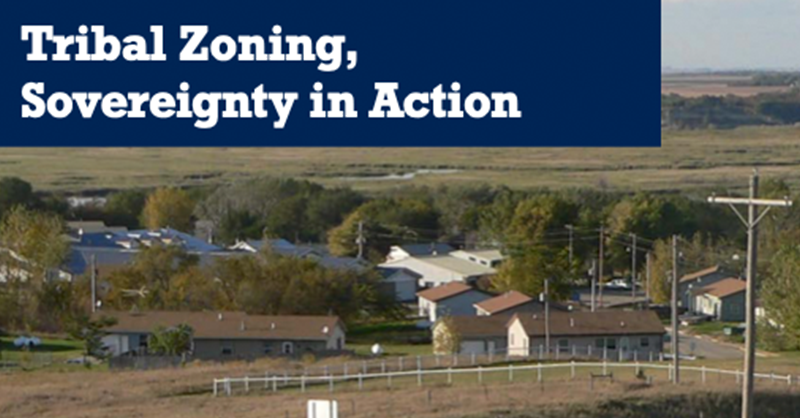
At its core, zoning is a municipal or governmental approach to land-use planning that divides a jurisdiction into districts (zones) within which certain land uses are permitted or prohibited. It dictates aspects like building height, lot size, density, and the types of structures that can be built (e.g., residential, commercial, industrial). For tribal housing development, the "product" of zoning regulations presents itself in several forms:
- Tribal-Led Zoning: This is the ideal scenario where tribal governments, exercising their inherent sovereignty, develop and enforce their own comprehensive zoning ordinances. These are tailored to the specific cultural, economic, and environmental needs of their communities.
- Federal Zoning (e.g., BIA Land Use Plans): In some instances, particularly on lands held in federal trust, the Bureau of Indian Affairs (BIA) may have historically imposed or influenced land-use plans that function similarly to zoning.
- State/Local Zoning (on Fee Simple Lands or Adjacent Areas): On fee simple lands within or adjacent to reservation boundaries (often a "checkerboard" landscape), state, county, or municipal zoning regulations may apply, sometimes creating jurisdictional conflicts and inconsistencies.
The crucial distinction lies in the source of authority and the degree of self-determination. For tribal housing, the "product" being reviewed is primarily the concept and application of zoning as a land management tool, with a strong emphasis on tribal control and customization.
Features & Specifications: Key Components of Effective Tribal Zoning
An effective zoning framework for tribal housing development typically includes:

- Land Use Districts: Clearly defined zones for residential (single-family, multi-family), commercial, industrial, agricultural, cultural, and open space uses.
- Density Regulations: Rules governing the number of housing units per acre, impacting infrastructure needs and community character.
- Building Standards: Requirements for construction materials, setbacks, height, and lot coverage, often intertwined with building codes (which are a related but distinct "product").
- Infrastructure Requirements: Provisions for utilities (water, sewer, electricity), roads, and public services, ensuring development is supported.
- Environmental Protections: Regulations to safeguard natural resources, mitigate hazards, and promote sustainable practices.
- Cultural Preservation Zones: Specific areas designated for traditional practices, sacred sites, or culturally significant landscapes, preventing incompatible development.
- Permitting and Review Processes: Clear procedures for development applications, ensuring transparency and accountability.
- Enforcement Mechanisms: Methods for ensuring compliance with established regulations.
The "specifications" of this "product" must be highly adaptable, recognizing the diverse geographies, cultures, and socio-economic conditions across 574 federally recognized tribes.
Advantages (The "Pros"): Why Tribal Nations Might "Buy Into" Zoning
When appropriately designed and tribally led, zoning regulations offer significant advantages for housing development:
- Orderly and Planned Growth: Zoning prevents haphazard development, ensuring that residential areas are separated from incompatible uses (like heavy industry). This creates safer, healthier, and more aesthetically pleasing communities. It allows for the strategic placement of schools, community centers, and parks, enhancing quality of life.
- Protection of Public Health and Safety: By regulating density, lot sizes, and infrastructure, zoning ensures adequate access for emergency services (fire, ambulance), proper sanitation (sewer and water systems), and minimizes exposure to environmental hazards. This directly contributes to the well-being of residents.
- Efficient Infrastructure Development: A well-conceived zoning plan allows tribal governments to anticipate and plan for necessary infrastructure upgrades. Knowing where housing and businesses will develop enables the cost-effective extension of water lines, sewer systems, electricity, and roads, reducing long-term expenses and service disruptions.
- Preservation of Natural and Cultural Resources: Zoning can designate areas for environmental protection (e.g., floodplains, wetlands, critical habitats) and for the preservation of sacred sites, historical landmarks, or traditional use areas. This is particularly vital for tribes whose cultural identity is intrinsically linked to their land.
- Economic Development and Investment Certainty: Clear zoning ordinances provide predictability for potential investors and developers. They understand what can be built where, reducing risk and encouraging investment in housing and related commercial enterprises. This can stimulate job creation and generate revenue for the tribe.
- Enhanced Self-Determination and Sovereignty: Developing and enforcing their own zoning laws is a powerful expression of tribal sovereignty. It allows tribes to control their land, shape their future, and implement development standards that reflect their unique values, traditions, and aspirations, rather than being subject to external, often culturally inappropriate, regulations.
- Community Empowerment and Engagement: The process of creating a tribal zoning ordinance often involves extensive community input. This engagement ensures that the regulations reflect the desires and needs of the people, fostering a sense of ownership and collective responsibility for the future of their lands.
Disadvantages (The "Cons"): The Pitfalls and Challenges of Zoning
Despite its potential benefits, the "product" of zoning regulations also comes with significant drawbacks, particularly when not tailored to tribal realities or when externally imposed:
- Jurisdictional Complexity and Conflicts: The "checkerboard" nature of many reservations (alternating trust, fee simple, and state/private lands) creates a labyrinth of overlapping jurisdictions. State or local zoning on fee simple parcels within a reservation can conflict with tribal plans, leading to legal battles, stalled projects, and inconsistent development.
- Capacity and Resource Limitations: Developing and enforcing comprehensive zoning ordinances requires significant technical expertise (planners, engineers, legal counsel), administrative infrastructure, and sustained funding. Many tribal governments, especially smaller ones, lack these resources, making the "adoption" and maintenance of sophisticated zoning systems challenging.
- Bureaucratic Hurdles and Delays: For projects on trust land, multiple layers of federal review (e.g., BIA, HUD, EPA) can introduce lengthy delays, adding costs and frustrating developers and tribal housing authorities. Even tribal-led zoning can become overly bureaucratic if not streamlined.
- Potential for Cultural Insensitivity: Externally imposed zoning often reflects Euro-American planning ideals that may not align with tribal cultural values, traditional housing designs, or community structures. For example, regulations promoting single-family detached homes may not suit multi-generational living arrangements or traditional communal housing styles.
- Cost of Compliance: Meeting stringent zoning requirements, especially regarding infrastructure and environmental standards, can significantly increase the cost of housing development. This can exacerbate the affordability crisis on tribal lands where resources are already scarce.
- Stifling Innovation and Traditional Practices: Overly rigid or prescriptive zoning can inadvertently stifle innovative housing solutions or traditional building methods that might be more sustainable, culturally appropriate, or cost-effective.
- Historical Legacy of External Control: For many tribes, land-use regulations have historically been imposed by external entities (federal or state governments) without their consent. This history of paternalism and dispossession can breed distrust towards any form of external regulation, even if the intent is positive.
- Limited Enforcement Power: Even with tribal-led zoning, enforcement can be challenging. On trust lands, the legal framework for enforcing tribal civil regulations against non-members can be complex and sometimes limited, requiring creative legal and intergovernmental solutions.
Performance Review: Real-World Application and Best Practices
The performance of zoning regulations for tribal housing development varies wildly depending on the "manufacturer" (who designed it), the "installer" (who implements it), and the "user" (the tribal community).
Successful "Installations" are almost universally characterized by:
- Tribal Ownership and Leadership: Tribes like the Confederated Salish and Kootenai Tribes (CSKT) or the Tulalip Tribes have developed robust, comprehensive land-use plans and zoning ordinances that reflect their unique needs and values. These plans are integrated with cultural preservation, economic development, and environmental stewardship.
- Capacity Building: Investing in training for tribal members in planning, engineering, and legal aspects of zoning. Utilizing federal grants (e.g., HUD Indian Community Development Block Grant) for technical assistance.
- Intergovernmental Collaboration: Establishing Memoranda of Understanding (MOUs) or cooperative agreements with adjacent state and local governments to address jurisdictional overlaps and ensure coordinated development, especially for shared infrastructure.
- Flexibility and Adaptability: Recognizing that a "one-size-fits-all" approach does not work. Zoning should be a living document, reviewed and updated regularly to adapt to changing community needs, economic conditions, and cultural shifts.
- Integration with Comprehensive Plans: Zoning performs best when it is a component of a larger, holistic tribal comprehensive plan that outlines long-term visions for land use, economic development, social services, and cultural preservation.
Poor "Performance" often stems from:
- Reliance on external, non-tribal models: Adopting generic zoning codes without customization.
- Lack of enforcement: Having regulations on paper but insufficient resources or political will to enforce them.
- Ignoring cultural context: Designing zones that separate traditional family compounds or restrict culturally significant land uses.
- Failure to address infrastructure gaps: Zoning for high-density housing without a corresponding plan for water, sewer, and power.
Recommendation for Adoption ("Purchase Recommendation")
Our recommendation for the "product" of zoning regulations for tribal housing development is a resounding YES, but with critical caveats and a strong emphasis on customization and tribal sovereignty.
"Purchase" (Adopt) This Product If:
- It is 100% Tribally Designed and Led: The zoning ordinances must be conceived, developed, and enforced by the tribal government, reflecting the unique culture, history, and future aspirations of the community. Generic, externally imposed regulations are generally a poor fit and often counterproductive.
- Adequate Resources and Capacity are Secured: Before adopting a comprehensive zoning system, tribes must secure funding, technical assistance (from federal agencies, non-profits, or private consultants), and commit to building internal tribal capacity to manage and enforce the regulations effectively. This includes training for planners, code enforcers, and legal staff.
- It is Culturally Relevant and Flexible: The zoning framework must respect and integrate tribal traditions, traditional housing types, family structures, and land-use practices. It should be flexible enough to accommodate innovation while preserving cultural identity.
- It is Part of a Larger Comprehensive Plan: Zoning should not be a standalone document but an integral component of a broader, long-term tribal comprehensive plan that outlines the community’s vision for sustainable development, economic growth, and cultural continuity.
- Intergovernmental Relations are Prioritized: Actively pursue collaborative agreements and partnerships with adjacent state and local governments to resolve jurisdictional complexities and ensure coordinated planning, especially for shared resources and infrastructure.
- It is Regularly Reviewed and Updated: This "product" is not a one-time purchase. It requires continuous maintenance, review, and adaptation to remain effective and responsive to the evolving needs of the tribal community.
Conclusion: A Tool for Sovereign Futures
Zoning regulations, when viewed through the lens of tribal sovereignty and self-determination, are not merely bureaucratic rules but a powerful tool for shaping the future of tribal lands and communities. While the inherent complexities of jurisdiction, capacity, and cultural integration present significant challenges, the advantages of planned, safe, and culturally relevant housing development are undeniable.
The "purchase" or adoption of zoning regulations for tribal housing development is a strategic investment in self-governance and sustainable growth. However, this investment must be made thoughtfully, with meticulous planning, robust capacity building, and an unwavering commitment to tribal leadership. Only then can this complex "product" truly serve its purpose: to facilitate the creation of homes and communities that honor the past, meet the needs of the present, and build a resilient future for Native Nations.


