Securing Your Sanctuary: A Comprehensive Review of Title Insurance for Homes on Tribal Land
Owning a home is a cornerstone of the American dream, representing stability, investment, and a deeply personal space. For those who choose to build their lives on tribal lands, this dream carries a unique tapestry of legal, cultural, and historical considerations. The landscape of homeownership on tribal lands is distinct, governed by a complex interplay of federal, tribal, and sometimes state laws. In this intricate environment, one seemingly standard financial product—title insurance—takes on an amplified significance, offering both crucial protection and unique challenges.
This comprehensive review delves into the world of title insurance specifically tailored for homes situated on tribal land. We will explore its inherent advantages, dissect its potential drawbacks and limitations, and ultimately provide a well-informed recommendation for prospective homeowners navigating this specialized terrain.
The Unique Landscape of Tribal Land Homeownership
Before we can fully appreciate the role of title insurance, it’s essential to understand the foundation upon which homes on tribal lands are built. Unlike fee simple ownership common in most of the United States, land on reservations often falls into distinct categories:
- Trust Land: Held in trust by the U.S. government for the benefit of a tribe or individual tribal members. Ownership is vested in the federal government, while beneficial use and occupancy rights are held by the tribe or individuals. Homes on trust land are typically built on a leasehold interest, meaning the homeowner owns the structure but leases the land it sits upon. These leases often require approval from the Bureau of Indian Affairs (BIA).
- Allotted Land: Parcels of trust land assigned to individual tribal members, often with complex heirship histories. These can also be restricted fee simple, meaning the individual owns the land but alienation is restricted without BIA approval.
- Fee Simple Land: While less common within the boundaries of many reservations, some parcels are held in fee simple by individuals (tribal or non-tribal) or entities. These lands are more akin to conventional private property but may still be subject to certain tribal jurisdictional laws or ordinances.
The primary distinction is jurisdiction. Trust and allotted lands are primarily governed by federal and tribal law, with state law having limited applicability. This "checkerboard" jurisdiction creates a unique challenge for determining clear title, enforcing property rights, and, by extension, for the provision of title insurance.
What is Title Insurance and Why is it Needed?
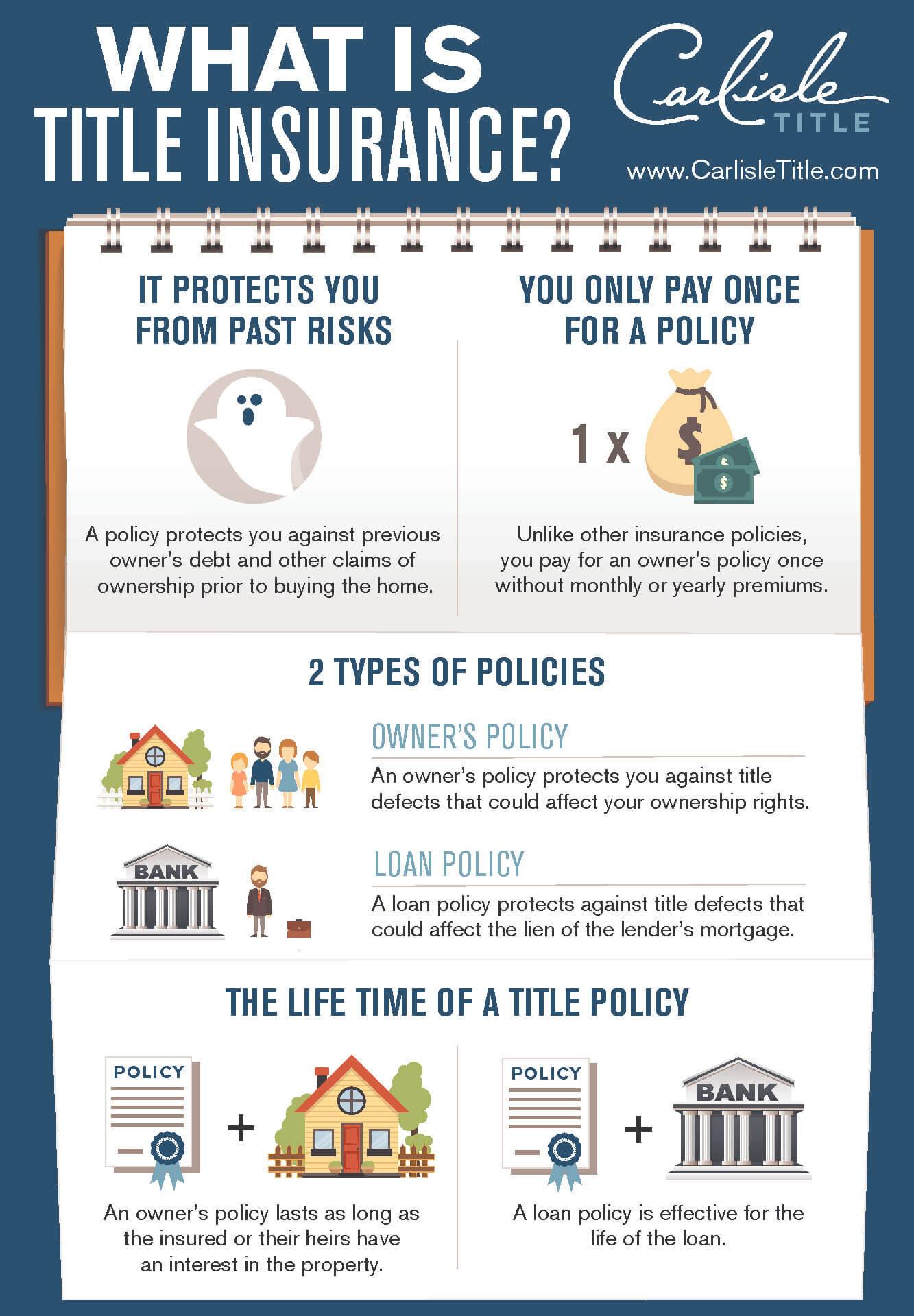
At its core, title insurance protects homeowners and lenders against financial loss due to defects in the title to a property. Unlike other forms of insurance that protect against future events (like fire or theft), title insurance covers risks that existed prior to the purchase of the policy but were unknown at the time.
Common title defects include:

- Errors in public records
- Forged documents
- Undisclosed heirs
- Unpaid liens or mortgages
- Boundary disputes
- Errors in legal descriptions
- Fraudulent conveyances
Without title insurance, a homeowner could be responsible for legal costs to defend their title or even lose their home if a prior claim proves valid. For lenders, it’s a non-negotiable requirement, ensuring their collateral (the home) is free from encumbrances that could jeopardize their investment.
The Interplay: Title Insurance on Tribal Land
Given the intricate legal framework, the need for title insurance on tribal land is arguably even more pronounced than in conventional markets. The heightened complexity of land records, jurisdictional nuances, and the specific nature of leasehold interests introduce a layer of unique risks that demand specialized scrutiny. However, this same complexity also presents significant challenges for title insurers.
Advantages of Title Insurance for Homes on Tribal Land
Despite the complexities, obtaining title insurance for a home on tribal land offers several compelling advantages:
- Enhanced Peace of Mind: This is perhaps the most significant benefit. Knowing that an experienced title company has vetted the property’s history and stands behind the title provides crucial reassurance. In an environment where land records might be dispersed (BIA, tribal offices, county recorders) and legal interpretations can vary, this peace of mind is invaluable.
- Protection Against Standard Title Defects: Even on tribal land, homes are susceptible to universal title defects such as forgery, fraud, clerical errors, or undisclosed liens. A robust title insurance policy will cover these common risks, regardless of the land’s trust status.
- Facilitates Financing and Marketability: Many lenders, particularly those operating under federal programs like VA, FHA, or USDA, will require title insurance for any mortgage on tribal land. Without it, securing a loan becomes exceedingly difficult, if not impossible. By providing this layer of security to lenders, title insurance directly enables homeownership and improves the property’s marketability should the owner decide to sell in the future. It signals a degree of legal diligence that buyers and lenders seek.
- Specialized Due Diligence (The Title Search): The process of issuing title insurance necessitates a thorough title search. For homes on tribal land, this search is incredibly complex, often involving:
- Reviewing BIA records for approvals of leases, assignments, and underlying trust agreements.
- Examining tribal land codes, ordinances, and court records.
- Scrutinizing county records for any applicable liens or encumbrances.
- Verifying the legal description and boundaries.
This extensive due diligence, performed by experts familiar with tribal land laws, often uncovers potential issues before they become costly problems, acting as a preventative measure.
- Protection Against Leasehold-Specific Issues: For homes on trust land, title insurance can provide coverage specifically related to the leasehold interest. This includes protection against:
- Improperly executed or assigned leases.
- Lack of required BIA approvals for the lease or subsequent assignments.
- Prior liens or encumbrances specifically affecting the leasehold interest.
- Errors in the lease document itself.
- Defense Against Claims: Should a title defect arise, the title insurance company will bear the cost of legal defense and, if necessary, pay valid claims up to the policy limit. This can save homeowners hundreds of thousands of dollars in legal fees and potential losses.
Disadvantages and Limitations of Title Insurance on Tribal Land
While highly beneficial, title insurance for homes on tribal land comes with specific limitations and potential drawbacks that homeowners must be aware of:
- Limited Availability and Specialization: Not all title companies offer policies for homes on tribal land. The complexity requires specialized knowledge, experienced underwriters, and a willingness to navigate intricate legal frameworks. This means fewer options for homeowners and potentially higher premiums due to the specialized expertise required. Homeowners may need to seek out national title insurers with specific tribal land departments.
- Scope of Coverage (Exclusions): This is the most critical limitation. While policies cover many standard defects, they often contain specific exclusions related to tribal sovereignty and jurisdiction. Common exclusions may include:
- Matters of tribal law, ordinances, or regulations not recorded in federal or county public records.
- Decisions or rulings of tribal courts that are not recognized or enforceable in federal or state courts.
- Lack of proper approvals from the BIA or tribal government if those approvals were not part of the standard underwriting process or explicitly excluded.
- Claims arising from the exercise of tribal governmental authority over the land, even if the title itself is clear.
It is paramount for homeowners to meticulously review the policy’s exclusions and ask their title agent for clarification on what is not covered.
- Higher Costs: Due to the increased risk, the specialized expertise required, and the more extensive title search process, premiums for title insurance on tribal land can be higher than for comparable properties on fee simple land. These costs can vary significantly based on the property’s location, land status (leasehold vs. fee simple), and the specific tribe’s legal framework.
- Jurisdictional Challenges in Claim Enforcement: In the event of a claim, enforcing the title insurance policy can become complicated by jurisdictional disputes. If a claim arises from a matter of tribal law or a ruling from a tribal court, the title insurer’s ability to defend the title or seek recourse may be limited by the unique legal status of tribal sovereignty. This doesn’t mean the policy is worthless, but it adds a layer of complexity to the claims process.
- Difficulty in Obtaining Clear and Complete Records: While title companies do extensive searches, the decentralized nature of records on tribal lands (BIA, tribal offices, county) can sometimes make it challenging to obtain a perfectly comprehensive and unambiguous title history. This inherent difficulty contributes to the higher risk profile for insurers.
- Understanding the "Product": The average homeowner may struggle to fully grasp the nuances of a title insurance policy, especially one tailored for tribal land. The specific language regarding leasehold interests, BIA approvals, and jurisdictional exclusions requires careful review, often with legal counsel, to ensure a complete understanding of the coverage limitations.
Key Considerations Before Purchasing
For anyone contemplating purchasing a home on tribal land, or for existing homeowners considering title insurance, several critical steps are advisable:
- Determine Land Status: Understand whether the home is on trust land (leasehold), allotted land, or fee simple land. This fundamentally impacts the type of title search required and the available coverage.
- Seek Specialized Insurers: Work with title insurance companies that have a proven track record and expertise in tribal land transactions. Ask for references and inquire about their experience with the specific tribe or reservation where the property is located.
- Demand a Thorough Title Search: Ensure the title company commits to a comprehensive search that includes BIA records, tribal government records (where applicable and accessible), and county records.
- Scrutinize the Policy Exclusions: Do not sign until you fully understand what the policy does not cover. Pay particular attention to clauses regarding tribal law, jurisdiction, and BIA approvals.
- Consider Endorsements: Inquire about specific endorsements that might be available to extend coverage to particular risks unique to tribal land, such as leasehold endorsements or specific protections related to tribal taxation or land use ordinances.
- Consult Legal Counsel: Before committing, engage an attorney experienced in tribal law and real estate transactions. They can help interpret the complexities of the land status, review the title commitment and policy, and advise on any potential risks or necessary due diligence.
- Understand Tribal Laws: Familiarize yourself with the specific tribal laws and ordinances that may affect homeownership, land use, and property rights on the reservation.
Recommendation: Is Title Insurance Worth It for Homes on Tribal Land?
Yes, unequivocally, title insurance is strongly recommended for homes on tribal land, but with significant caveats and a call for diligent review.
While the complexities and limitations mean it’s not a magic bullet that solves all potential issues, the protection it does offer is invaluable. The heightened risks associated with tribal land homeownership—from dispersed records to intricate jurisdictional questions—make the due diligence performed by a title company, and the subsequent financial protection, more crucial than ever.
Our recommendation is conditional:
- If available from a reputable insurer with demonstrated expertise in tribal land transactions, purchase it. The peace of mind, facilitation of financing, and protection against common and leasehold-specific title defects far outweigh the cost.
- Approach with eyes wide open. Understand that the policy will likely have specific exclusions related to tribal sovereignty and jurisdiction. This requires a thorough review of the policy with legal counsel experienced in tribal law.
- Do your own due diligence. Title insurance is a critical layer of protection, but it should complement, not replace, your own research into the property’s history, the applicable tribal laws, and the specific terms of any leasehold agreement.
In essence, title insurance for homes on tribal land is a vital tool for risk mitigation. It’s an investment in securing your home against unforeseen challenges, ensuring that your dream of homeownership on these unique and culturally rich lands remains a reality, protected and understood as much as possible within its intricate legal framework. Do not forgo this critical protection; instead, seek it out diligently and understand its scope fully.


