Homeownership on Sovereign Land: An In-Depth Review of Land Assignment for Native American Home Loans
The dream of homeownership is a cornerstone of the American ideal, representing stability, wealth accumulation, and personal freedom. However, for many Native Americans residing on tribal lands, this dream is often complicated by a unique and intricate land tenure system that diverges significantly from conventional fee-simple ownership. The concept of "land assignment" has emerged as a critical mechanism to bridge this gap, allowing Native Americans to access home loans on lands held in trust by the U.S. government or directly by their tribes. This article will delve into the intricacies of land assignment for Native American home loans, exploring its historical context, operational mechanisms, the advantages it offers, the significant challenges it presents, and offer recommendations for its future efficacy.
The Historical Context: A Legacy of Land and Sovereignty
To understand land assignment, one must first grasp the complex history of Native American land ownership. Pre-colonization, indigenous nations held vast territories under communal stewardship. The arrival of European settlers and the subsequent expansion of the United States led to a series of treaties, wars, and policies that drastically altered this landscape. The Dawes Act of 1887, also known as the General Allotment Act, was a pivotal and often disastrous policy. It sought to break up tribally held lands into individual allotments, believing that private ownership would assimilate Native Americans into mainstream American society.
This policy resulted in the loss of millions of acres of tribal land, as "surplus" lands were sold off to non-Native settlers, and many allotments were quickly lost through various means. Critically, much of the land retained by Native Americans was placed into a "trust" status, with the U.S. government (specifically the Bureau of Indian Affairs, or BIA) acting as trustee. This trust status means that individual Native Americans or tribes do not hold fee-simple title to the land; rather, the BIA holds the legal title, while the Native American individual or tribe holds the beneficial interest. This unique arrangement, intended to protect Native lands from further alienation, inadvertently created significant barriers to economic development, including homeownership, as conventional lenders require fee-simple title as collateral.

What is Land Assignment for Home Loans?
Land assignment, in its essence, is a tribal mechanism that grants an individual tribal member the exclusive right to use and occupy a specific parcel of tribally-owned or individually-allotted trust land for a defined period, typically long-term (e.g., 25 years, renewable, or 99 years). This assigned interest, while not fee-simple ownership of the land itself, can be pledged as collateral for a home loan.
The process usually involves:
- Tribal Land Code: The tribe must have a land assignment policy or code that governs how land is assigned and leased, and importantly, how a leasehold interest can be mortgaged. This code often needs BIA approval if it pertains to trust land.
- BIA Approval: For homes on trust land, the BIA must approve the lease or assignment and its mortgageability. This ensures that the terms are fair and consistent with federal regulations governing trust lands.
- Leasehold Mortgage: Instead of a traditional mortgage on fee-simple land, lenders provide a "leasehold mortgage." This means the loan is secured by the improvements (the house) and the borrower’s leasehold interest in the land, not the land itself.
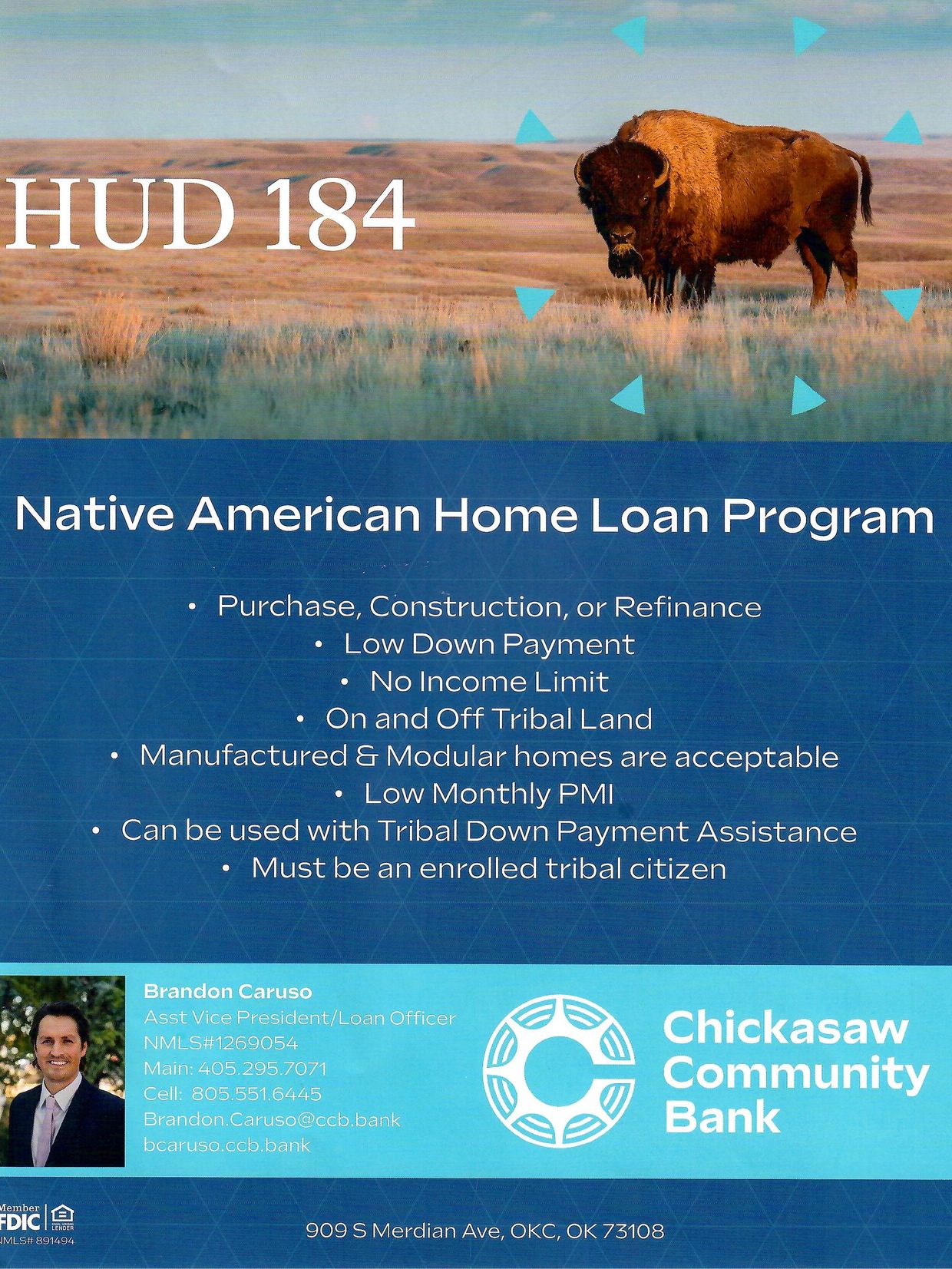
- Specialized Loan Programs: Due to the complexities, most conventional lenders are hesitant. Therefore, specialized federal loan programs are crucial, such as the HUD Section 184 Indian Home Loan Guarantee Program and the VA Native American Direct Loan (NADL) Program. These programs are designed to operate within the unique legal framework of tribal and trust lands.

Advantages of Land Assignment for Native American Home Loans
Land assignment, despite its complexities, offers several significant advantages:
- Enables Homeownership on Tribal Lands: This is the primary and most crucial benefit. Without land assignment mechanisms, securing a home loan on trust or restricted tribal land would be virtually impossible, denying thousands of Native Americans the opportunity to build equity and create intergenerational wealth within their communities.
- Preserves Tribal Land Base: Unlike fee-simple transfers, land assignment keeps the underlying land in tribal or trust status. This prevents further alienation of ancestral lands, a critical concern for tribes striving to maintain their sovereign territories and cultural integrity.
- Access to Favorable Loan Terms: Programs like HUD 184 offer competitive interest rates, low down payments, and flexible underwriting criteria tailored to the specific circumstances of Native American borrowers. This makes homeownership more accessible than traditional market loans.
- Community Development and Economic Growth: Homeownership stimulates local economies through construction jobs, property taxes (if applicable), and consumer spending. It also fosters community stability and pride, encouraging investment in local infrastructure and services.
- Cultural Connection and Self-Determination: For many Native Americans, living on ancestral lands is deeply intertwined with their cultural identity and spiritual well-being. Land assignment allows individuals to remain connected to their heritage and contributes to tribal self-determination by supporting housing development on their own terms.
- Potential for Intergenerational Wealth Transfer: While the land itself cannot be sold, the home built upon it represents a significant asset that can be passed down to heirs, providing a foundation for future generations.
Disadvantages and Challenges of Land Assignment
Despite its benefits, land assignment is fraught with significant disadvantages and operational challenges that often hinder its effectiveness:
- Bureaucratic Complexity and Lengthy Timelines: The involvement of multiple entities—the tribal government, the BIA, and the lender—creates a labyrinthine approval process. BIA approvals, in particular, are notorious for being slow, understaffed, and burdened by complex regulations, often leading to delays of months or even years.
- Fractionated Ownership and Heirship Issues: A legacy of the Dawes Act is "fractionation," where a single parcel of land can have hundreds or even thousands of owners, each with a minuscule undivided interest. While land assignment often bypasses this by dealing with tribal land, heirship issues can still arise with individual allotments. If a borrower passes away without a clear will or a tribal probate code, the transfer of the leasehold interest to heirs can become incredibly complex, often requiring BIA probate, which is also a lengthy process.
- Lack of Fee Simple Ownership – Limited Equity & Collateral: Borrowers do not own the land itself, only the improvements and the right to use the land. This limits the "equity" they can build, as the land’s value is not part of their asset. It also means the land cannot be used as collateral for other types of loans (e.g., business loans), restricting economic opportunities beyond homeownership.
- Infrastructure Deficiencies: Many tribal lands lack basic infrastructure such as paved roads, water, sewer, and reliable electricity. Lenders are often hesitant to finance homes in such areas, and the cost of bringing in utilities can be prohibitive for individual homeowners or even tribes.
- Appraisal Challenges: Appraisers struggle to find comparable sales (comps) for homes on tribal lands, given the unique land tenure system and often remote locations. This can lead to undervalued appraisals, making it difficult for borrowers to qualify for adequate loan amounts.
- Foreclosure and Default Complexities: In the event of default, the foreclosure process on tribal land is far more complicated than on fee-simple land. It involves navigating tribal laws, BIA regulations, and sometimes tribal courts. Lenders are often reluctant to foreclose due to these complexities, which in turn makes them more cautious about lending in the first place.
- Limited Lender Participation: Despite federal guarantees, many conventional lenders remain wary of lending on tribal lands due to a lack of understanding of tribal law, BIA processes, and the perceived risks associated with leasehold mortgages. This limits options for Native American borrowers and can reduce competition, potentially leading to less favorable terms.
- Tribal Sovereignty vs. Federal/Lender Requirements: Balancing tribal self-governance with federal regulations and lender requirements can create tension. Tribes want to exercise their sovereignty over their lands, but they must often conform to external standards to facilitate home loans.
Recommendations for Improving Land Assignment and Native American Homeownership
Addressing the multifaceted challenges of land assignment requires a concerted, multi-pronged approach involving federal agencies, tribal governments, and financial institutions.
1. For Federal Agencies (BIA, HUD, VA):
- Streamline BIA Approvals: The BIA must drastically improve the efficiency and transparency of its lease and mortgage approval processes. This requires increased staffing, better training, and the implementation of modern technology. Standardized forms and clearer guidelines would also help.
- Enhanced Technical Assistance: Provide more robust technical assistance and funding to tribes for developing robust land codes, housing departments, and infrastructure planning.
- Inter-Agency Coordination: Improve coordination between the BIA, HUD, and VA to create a more seamless process for borrowers and lenders.
- Address Fractionation: Continue and expand efforts to consolidate fractionated land interests through programs like the Land Buy-Back Program for Tribal Nations, reducing future probate complexities.
2. For Tribal Governments:
- Develop Clear and Comprehensive Land Codes: Tribes should develop and update their land assignment and housing codes to be clear, transparent, and consistent with federal lending requirements, while upholding tribal sovereignty.
- Invest in Infrastructure: Prioritize investment in critical infrastructure (roads, water, sewer, electricity) to make housing development more viable and attractive to lenders.
- Establish Housing Departments: Create or strengthen tribal housing departments capable of navigating federal programs, assisting members with applications, and managing tribal housing initiatives.
- Tribal Probate Codes: Develop and implement tribal probate codes to streamline the transfer of leasehold interests and homes upon the death of a homeowner, reducing reliance on the slower BIA probate process.
3. For Financial Institutions (Lenders):
- Education and Training: Lenders need to invest in educating their staff about tribal land tenure, federal loan programs (HUD 184, VA NADL), and the unique aspects of working with tribal governments.
- Build Relationships with Tribes: Proactive engagement and partnership with tribal housing authorities and leadership can build trust and facilitate smoother lending processes.
- Develop Specialized Products: Explore innovative financial products that are specifically tailored to the nuances of tribal lands and leasehold interests, potentially beyond the federal guarantee programs.
4. Policy Level Recommendations:
- Innovative Land Tenure Models: Explore and pilot new land tenure models that balance tribal sovereignty with individual equity building, perhaps through long-term renewable leases that have clearer market values for improvements.
- Increased Funding for Housing and Infrastructure: Federal and tribal investments in housing and infrastructure development on tribal lands are crucial to address the systemic barriers to homeownership.
- Research and Data Collection: Invest in better data collection and research on homeownership rates, loan performance, and the economic impact of housing on tribal lands to inform policy decisions.
Conclusion
Land assignment for Native American home loans is a vital, albeit imperfect, mechanism that provides a pathway to homeownership for individuals on trust and tribal lands. It is a testament to the resilience of Native nations and the ongoing effort to overcome historical injustices that have deeply impacted their economic self-sufficiency. While it offers invaluable benefits in preserving tribal lands and fostering community development, its inherent complexities, bureaucratic hurdles, and the limitations of leasehold interest present significant challenges.
The dream of homeownership, when realized on ancestral lands, represents more than just a house; it signifies cultural continuity, economic empowerment, and the enduring strength of Native American sovereignty. Achieving a more equitable and efficient system requires sustained commitment from federal agencies to streamline processes, from tribal governments to develop robust legal frameworks and infrastructure, and from financial institutions to embrace a deeper understanding of this unique and important market. Only through such collaborative efforts can the full potential of land assignment be realized, transforming the aspiration of homeownership into a widespread reality for Native American families across the nation.


