Beyond the Blueprint: Navigating Homeownership on Allotted Land – A Comprehensive Review
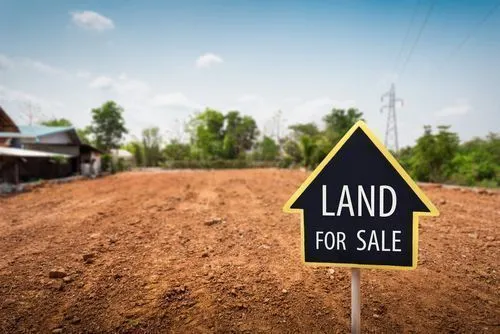
The dream of homeownership is a universal aspiration, representing stability, security, and a place to call one’s own. For many, this dream seems out of reach due to escalating land and property costs. This is where "allotted land" often enters the conversation – a unique pathway to homeownership, typically involving government or communal distribution of land for specific purposes, often with the aim of promoting social equity, economic development, or providing housing for particular demographics.
However, building a home on allotted land is far from a straightforward process. It comes with a distinct set of requirements, advantages, and disadvantages that prospective homeowners must thoroughly understand before embarking on such a venture. This comprehensive review delves into the intricacies of homes on allotted land, offering insights into the regulatory landscape, the benefits and drawbacks, and crucial recommendations for those considering this path.
I. Understanding Allotted Land: A Foundation of Specificity
Allotted land refers to parcels of land that have been formally distributed or assigned by a government, local authority, or sometimes a community trust, rather than being openly sold on the private market. The primary motivation behind such allotments is often to address specific societal needs or achieve policy objectives. These can include:
- Social Welfare/Low-Income Housing: Providing affordable housing options for disadvantaged or low-income families who might otherwise be priced out of the market.
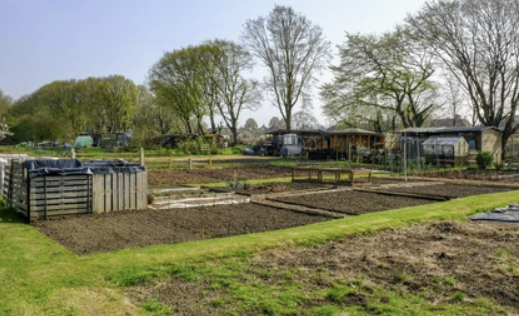
- Agricultural Allotments: Distributing land for farming or cultivation, often to support small-scale farmers or ensure food security.
- Tribal/Indigenous Lands: Allocating land to indigenous communities, often with specific cultural, traditional, and governance structures.
- Resettlement Schemes: Providing land for communities displaced by natural disasters, large-scale development projects, or conflict.
- Urban Redevelopment: Using public land to create new housing projects in urban areas, often as part of regeneration initiatives.
Crucially, land obtained through allotment is rarely a simple freehold purchase. It typically comes with specific conditions, restrictions, and a tenure system that differs significantly from conventional private property ownership. These conditions are designed to ensure the land serves its intended purpose and prevent speculation or misuse.
II. Key Requirements for Building Homes on Allotted Land

The requirements for building on allotted land are multifaceted, encompassing legal, planning, construction, and administrative dimensions. Ignoring any of these can lead to significant delays, financial penalties, or even the revocation of the allotment.
A. Legal and Ownership Framework: The Bedrock of Tenure
-
Type of Tenure: This is perhaps the most critical requirement. Allotted land is rarely outright freehold. Common tenure types include:
- Leasehold: The allottee owns the right to occupy and use the land for a specific period (e.g., 30, 60, 99 years), after which it reverts to the allotting authority. Conditions usually apply regarding usage, transfer, and ground rent.
- Conditional Freehold: While appearing like outright ownership, it comes with specific conditions (e.g., must build within a certain timeframe, cannot sell for X years, must remain owner-occupied). Breach of conditions can lead to reversion.
- Usufruct Rights: The right to use and enjoy the property and its fruits, but not to own or dispose of the underlying asset. Common in some communal or tribal land systems.
- Occupancy Rights: Simply the right to occupy a dwelling on the land, with limited or no rights to the land itself.
- Requirement: Thoroughly understand the specific tenure document, including its duration, renewal terms, and any clauses regarding transfer, inheritance, or forfeiture. Legal counsel is indispensable here.
-
Occupancy and Usage Restrictions: Allotments are often granted with the stipulation that the land must be used for a primary residence, and sometimes by the allottee themselves.
- Requirement: Adherence to clauses that may prohibit renting out the property, using it for commercial purposes, or leaving it vacant for extended periods. Some allotments may require the owner to reside on the property for a minimum number of years before it can be transferred.
-
Transferability and Resale Restrictions: To prevent speculation, many allotted lands come with restrictions on when and how they can be sold or transferred.
- Requirement: Understanding lock-in periods (e.g., 5-10 years before resale is permitted), eligibility criteria for subsequent buyers (e.g., only other low-income families), and potential ‘claw-back’ clauses where the allotting authority has the first right of refusal or a share in any profit.
-
Inheritance Rules: How the property can be passed on to heirs can also be subject to specific regulations.
- Requirement: Clear understanding of succession laws pertaining to allotted land, which may differ from general inheritance laws, often prioritizing direct family members.
B. Planning and Zoning Regulations: Guiding Development
-
Specific Land Use: The allotted land will fall under a specific zoning classification (e.g., residential, agricultural, mixed-use).
- Requirement: The proposed home must strictly adhere to this classification. Building a commercial establishment on residential allotted land is typically forbidden.
-
Density and Plot Coverage: Regulations will dictate how much of the plot can be covered by structures and the maximum number of dwelling units.
- Requirement: Adherence to FSI (Floor Space Index) or FAR (Floor Area Ratio) limits, setback requirements (distance from property lines), and open space provisions.
-
Architectural and Design Guidelines: In some planned allotments, there might be specific aesthetic or architectural requirements to maintain uniformity or a particular community character.
- Requirement: Compliance with guidelines on building materials, exterior finishes, roof types, and even color palettes, often necessitating design approval from the allotting authority or a community body.
C. Building Codes and Standards: Ensuring Safety and Quality
-
National/Local Building Codes: All construction must meet prevailing safety, structural integrity, and health standards.
- Requirement: Compliance with regulations concerning foundations, structural framing, electrical wiring, plumbing, ventilation, fire safety, and seismic resistance. This often necessitates professional architectural and engineering plans.
-
Environmental and Sustainability Standards: Increasingly, allotments come with requirements for eco-friendly construction.
- Requirement: Use of sustainable materials, rainwater harvesting systems, solar energy installations, wastewater treatment, and energy-efficient designs.
-
Accessibility Standards: For public allotments, especially those for low-income housing, accessibility for people with disabilities may be mandated.
- Requirement: Provision for ramps, wider doorways, accessible bathrooms, and other features as per local accessibility codes.
D. Infrastructure and Services: The Backbone of Livability
-
Utility Connections: Access to essential services like water, electricity, sewage, and sometimes gas or internet.
- Requirement: Understanding who is responsible for providing the main connections to the plot boundary (the allotting authority or the homeowner) and the homeowner’s responsibility for connecting from the boundary to the house. This often involves significant connection fees and permits.
-
Roads and Access: Proper access to the property via public roads.
- Requirement: Adherence to road network plans, often with shared responsibilities for maintaining local access roads within the allotted community.
-
Drainage and Waste Management: Effective systems for stormwater drainage and waste disposal.
- Requirement: Compliance with local regulations for on-site septic systems (if no public sewer) or connection to public sewer lines, and adherence to waste segregation and disposal rules.
E. Environmental and Social Impact Assessments (ESIA): Responsible Development
-
Permits for Specific Projects: Depending on the scale and location, an environmental impact assessment might be required.
- Requirement: Obtaining permits related to tree cutting, soil disturbance, water abstraction, or any activity that could impact the local ecosystem.
-
Community Consultation: For larger allotment schemes, engaging with existing communities might be a prerequisite.
- Requirement: Addressing concerns of existing residents, ensuring minimal disruption, and potentially contributing to local infrastructure or social programs.
F. Financial and Administrative Requirements: Navigating Bureaucracy
-
Fees and Taxes: Beyond the initial land cost (which might be subsidized or nominal), there are various fees.
- Requirement: Payment of ground rent (for leasehold), property taxes, development charges, permit application fees, and service charges for shared amenities.
-
Permit Application Process: A multi-stage process involving various government departments.
- Requirement: Submitting detailed building plans, obtaining no-objection certificates (NOCs) from relevant authorities (e.g., fire department, environmental agency), and securing building permits before any construction begins. This process can be lengthy and complex.
-
Proof of Financial Capability: Sometimes, allottees need to demonstrate they have the means to build and maintain a home.
- Requirement: Submission of financial statements, loan pre-approvals, or proof of savings.
III. Advantages (Pros) of Homes on Allotted Land
Despite the stringent requirements, building on allotted land offers several compelling advantages:
- Affordability: This is often the primary draw. The land itself may be heavily subsidized or provided at a nominal cost, significantly reducing the overall cost of homeownership compared to purchasing on the open market.
- Access to Homeownership: For individuals and families who would otherwise be unable to afford land or a home, allotments provide a viable pathway to property ownership and the associated long-term stability.
- Planned Community Development: Many allotment schemes are part of larger, planned developments. This can mean better access to public services (schools, healthcare, public transport) and well-designed infrastructure from the outset, fostering a sense of community.
- Security of Tenure (with caveats): Once all conditions are met and the tenure is established, it can provide a secure base, protecting occupants from arbitrary eviction or market fluctuations, especially in leasehold agreements where ground rent is fixed for long periods.
- Targeted Support: Allotment schemes are often accompanied by additional support, such as subsidies for construction materials, technical assistance, or access to low-interest loans, making the building process more manageable.
- Environmental and Social Considerations: As these are often planned developments, they can incorporate green spaces, sustainable design principles, and community facilities, promoting a higher quality of life and environmental responsibility.
- Empowerment and Dignity: Owning a piece of land and a home, even with restrictions, can significantly boost the dignity, self-reliance, and economic standing of individuals and families, particularly those from marginalized groups.
IV. Disadvantages (Cons) of Homes on Allotted Land
The specific nature of allotted land also brings a set of notable disadvantages:
- Restrictive Covenants and Lack of Autonomy: The numerous conditions and restrictions on usage, design, and transfer can severely limit the homeowner’s autonomy over their property. This can stifle creativity in design and restrict future financial decisions.
- Bureaucracy and Delays: The process of obtaining allotments, permits, and approvals can be notoriously complex, lengthy, and frustrating, involving multiple government departments and layers of paperwork. Delays are common, pushing back construction timelines and increasing costs.
- Limited Resale Value and Marketability: Due to transfer restrictions, lock-in periods, and specific eligibility criteria for buyers, selling an allotted property can be challenging. The market is often niche, potentially leading to lower resale values compared to similar properties on the open market.
- Infrastructure Deficiencies (Potential): While planned, the reality of infrastructure provision can sometimes fall short of promises. Delays in connecting utilities, poor road maintenance, or inadequate public services can significantly impact quality of life.
- Dependency on the Allotting Authority: Homeowners are often highly dependent on the policies and efficiency of the allotting authority. Changes in government policy, leadership, or priorities can directly impact the allottees.
- Potential for Disputes: Issues can arise regarding boundaries, shared infrastructure maintenance, adherence to community rules, or even the interpretation of tenure conditions, leading to legal battles or community friction.
- Stigma and Perception: In some contexts, living on allotted land might carry a social stigma, being perceived as "subsidized" or "second-tier" housing, which can affect social integration or property valuation.
- Limited Equity Growth: Strict resale conditions and controlled pricing mechanisms might limit the property’s potential for significant capital appreciation, impacting its use as a long-term investment vehicle.
V. Recommendations for Purchase/Development of Homes on Allotted Land
For those considering building a home on allotted land, a cautious, informed, and proactive approach is paramount.
-
Thorough Due Diligence is Non-Negotiable:
- Legal Counsel: Engage a property lawyer specializing in land tenure and government allotments from the very beginning. Have them scrutinize all allotment letters, tenure documents, and associated regulations.
- Verify All Claims: Do not rely solely on verbal assurances. Obtain all information in writing and cross-reference with official records.
- Site Visit and Inspection: Visit the actual plot, inspect the surrounding area, and assess current infrastructure. Talk to existing residents if possible.
-
Understand the Tenure Type Completely:
- Leasehold Specifics: Know the lease duration, renewal terms, ground rent escalation clauses, and conditions for lease transfer or conversion to freehold (if possible).
- Conditional Freehold Details: Be fully aware of all conditions that could lead to forfeiture or restrictions on future actions (e.g., building timelines, residency requirements, no commercial use).
-
Assess Infrastructure Realities, Not Just Promises:
- Verify Utility Connections: Confirm the availability and actual connection status of water, electricity, and sewage. Understand who bears the cost of connection to your specific plot.
- Roads and Access: Inspect the quality of access roads and understand maintenance responsibilities.
- Social Amenities: Check the proximity and functionality of promised schools, healthcare, and public transport.
-
Engage with the Community:
- Local Knowledge: Speak with current residents in existing allotment schemes or those in the immediate vicinity. They can provide invaluable insights into day-to-day challenges, the efficiency of the allotting authority, and community dynamics.
- Community Associations: If an active residents’ association exists, consider joining or engaging with them to understand common issues and collective advocacy efforts.
-
Comprehensive Financial Planning:
- Beyond Land Cost: Factor in all potential costs: building materials, labor, permit fees, utility connection charges, property taxes, ground rent, maintenance, and potential legal fees.
- Contingency Fund: Always budget for unforeseen delays or cost overruns, which are common in such projects.
- Funding Options: Explore specific government or institutional loan schemes designed for allotted land, which may offer more favorable terms.
-
Long-Term Vision and Personal Suitability:
- Resale Considerations: If you anticipate needing to sell the property in the future, be realistic about the potential challenges and limited market.
- Lifestyle Fit: Assess whether the restrictions and communal living aspects align with your long-term lifestyle goals and preferences.
- Commitment to Building: Be prepared for the commitment of time, effort, and resources required to build a home from scratch, especially with the added layer of bureaucratic oversight.
-
Professional Assistance:
- Architect and Engineer: Engage qualified professionals to design your home according to local building codes, planning regulations, and environmental standards.
- Contractor: Select a reputable contractor with experience in similar projects and ensure they are aware of all specific requirements for allotted land.
Conclusion
Building a home on allotted land presents a unique opportunity, particularly for those seeking affordable entry into homeownership. It offers the promise of community, security, and often a planned environment. However, this path is paved with specific and often stringent requirements, demanding a high degree of diligence, patience, and adaptability.
The "product review" of homes on allotted land reveals a complex offering. Its advantages lie in its affordability, potential for community building, and access to homeownership for deserving demographics. Its disadvantages stem from restrictive covenants, bureaucratic hurdles, limited marketability, and a reliance on the allotting authority.
Ultimately, the decision to pursue homeownership on allotted land should be an informed one, based on a clear understanding of its inherent complexities. With thorough due diligence, expert legal advice, comprehensive financial planning, and a realistic long-term vision, the dream of building a home on allotted ground can indeed become a tangible and rewarding reality. Without such preparation, however, it can easily turn into a bureaucratic nightmare.


