
Navigating the Path to Homeownership: A Comprehensive Review of First-Time Home Buyer Eligibility for Native Americans
The dream of homeownership is a cornerstone of the American ideal, representing stability, wealth building, and a place to call one’s own. For Native Americans, this journey can be uniquely layered, shaped by historical context, specific land tenure systems, and the availability of specialized programs designed to address these distinct circumstances. This article serves as a comprehensive "product review" of first-time home buyer eligibility for Native Americans, delving into the specific programs available, their benefits and drawbacks, and offering crucial recommendations for navigating this significant life milestone.
The Landscape of Homeownership for Native Americans
Historically, Native Americans have faced systemic barriers to homeownership, including the legacy of forced relocation, dispossession of land, and economic disparities. Traditional lending models often struggle to adapt to the complexities of trust land and tribal sovereignty, leading to lower rates of homeownership within Native communities compared to the general population. However, dedicated federal and tribal initiatives have emerged to bridge this gap, creating pathways that acknowledge and respect the unique cultural and legal frameworks of Native nations.
The "product" we are reviewing here isn’t a single item, but rather the opportunity for homeownership as facilitated by a suite of programs and resources. The primary and most impactful "product" in this review is the Section 184 Indian Home Loan Guarantee Program, administered by the U.S. Department of Housing and Urban Development (HUD). Alongside this, we will consider other general first-time home buyer programs and local tribal initiatives that contribute to the overall landscape.

HUD Section 184 Indian Home Loan Guarantee Program: The Core Offering
The HUD Section 184 program is arguably the most significant tool for Native American homeownership. It’s not a direct loan but a loan guarantee program, meaning HUD insures loans made by private lenders to eligible Native American and Alaska Native borrowers. This guarantee significantly reduces the risk for lenders, making them more willing to lend in areas and under conditions they might otherwise avoid, particularly on trust land.
Eligibility for HUD Section 184:
To be eligible for a Section 184 loan, the primary requirement is that the borrower must be an enrolled member of a federally recognized American Indian Tribe or an Alaska Native village. The property must also be located in an eligible area, which includes most tribal trust lands, individually allotted lands, and many off-reservation areas where Native Americans reside.
Key Features & How it "Works":
- Loan Guarantee: HUD guarantees the loan, mitigating risk for approved private lenders.
- Property Location: Can be used to purchase, construct, or rehabilitate homes on tribal trust land, individually allotted land, or fee simple land (land owned outright) both on and off reservations.
- Low Down Payment: Typically, a minimum down payment of 2.25% for loans over $50,000 and 1.25% for loans under $50,000.
- Flexible Credit Guidelines: While a good credit score is always beneficial, Section 184 often offers more flexible underwriting criteria compared to conventional loans, acknowledging unique financial histories within Native communities.
- No Private Mortgage Insurance (PMI): Unlike FHA loans, which require mortgage insurance premiums for the life of the loan (or until significant equity is built), Section 184 loans only require a one-time, upfront loan guarantee fee (currently 1.5% of the loan amount), which can be financed into the loan. There are no ongoing monthly mortgage insurance premiums, leading to significant long-term savings.
- Interest Rates: Competitive market rates.
- Loan Term: Fixed-rate, 30-year mortgages are common.
- Appraisal Process: HUD-approved appraisers are required, and the process can be adapted for homes on trust land.
- Homebuyer Education: Often required, providing valuable financial literacy and homeownership preparedness.
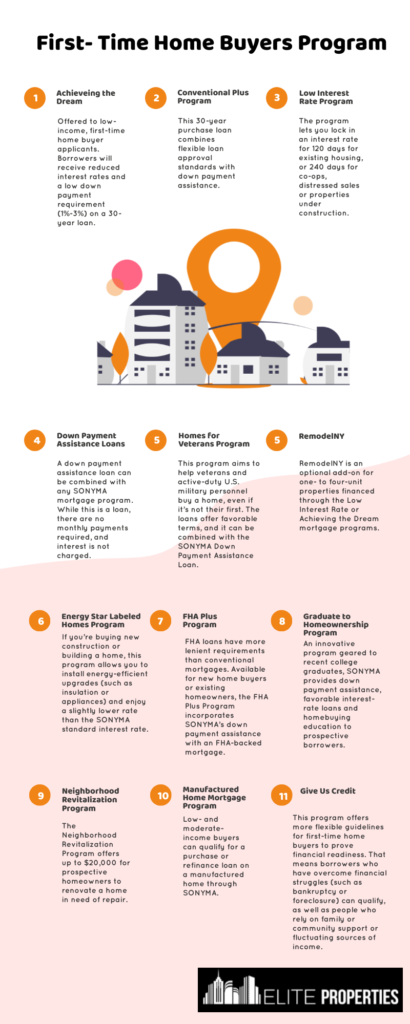
Other Relevant Programs
While Section 184 is specialized, Native American first-time homebuyers can also qualify for general programs:
- FHA Loans: Low down payment (as low as 3.5%), but require mortgage insurance premiums for the life of the loan in most cases.
- VA Loans: For eligible veterans, offering 0% down payment and no mortgage insurance. Many Native Americans serve in the armed forces, making this a significant option.
- USDA Rural Development Loans: For properties in eligible rural areas, offering 0% down payment.
- State and Local Down Payment Assistance (DPA) Programs: Many states and local governments offer grants or second mortgages to help with down payments and closing costs, which can be stacked with FHA, VA, or even Section 184 loans.
- Tribal Housing Programs: Many tribes have their own housing authorities or programs that offer down payment assistance, financial counseling, or even direct housing development initiatives tailored to their members’ needs. These vary widely by tribe.
Benefits (Pros) of First-Time Home Buyer Eligibility for Native Americans
The specialized programs and general options offer several significant advantages for Native American first-time homebuyers:
- Lower Barriers to Entry: Programs like Section 184 and FHA significantly reduce the upfront financial burden with low down payment requirements, making homeownership more accessible to those with limited savings.
- Addressing Unique Land Tenure: Section 184 is specifically designed to navigate the complexities of trust land, which often poses challenges for conventional lenders due to the unique legal status and land title issues. This is a monumental benefit, enabling homeownership on ancestral lands.
- Cost Savings Over Time: The absence of ongoing monthly mortgage insurance premiums with Section 184 loans translates into substantial long-term savings for homeowners, freeing up more disposable income.
- Flexible Underwriting: Section 184’s more flexible credit guidelines can accommodate borrowers with less-than-perfect credit histories, recognizing that traditional credit scoring may not fully reflect the financial stability of all Native American families.
- Wealth Building and Generational Equity: Homeownership is a primary driver of wealth creation. These programs provide a vital pathway for Native Americans to build equity, create assets, and pass on generational wealth, helping to close historical economic gaps.
- Stability and Community Empowerment: Owning a home fosters stability, enhances community ties, and allows families to invest in their local areas. For Native Americans, this can also mean strengthening cultural connections to their land and community.
- Increased Access to Credit and Financial Literacy: The requirement for homebuyer education often associated with these programs helps borrowers build financial literacy, improve credit, and understand the responsibilities of homeownership, empowering them for future financial decisions.
- Leveraging Tribal Resources: The ability to combine federal programs with tribal housing initiatives provides a powerful synergistic approach, maximizing support for homebuyers.
Drawbacks and Challenges (Cons)
Despite the significant benefits, Native American first-time homebuyers can still encounter specific hurdles:
- Complexity of Trust Land: While Section 184 addresses trust land, the process can still be lengthy and complex. It often involves multiple entities, including the Bureau of Indian Affairs (BIA), tribal councils, and HUD, to secure the necessary lease agreements and approvals. This bureaucratic process can be daunting and time-consuming.
- Limited Lender Availability: Not all lenders are approved to offer Section 184 loans, and fewer still have extensive experience with trust land transactions. Finding a knowledgeable lender can be a challenge, particularly in rural areas.
- Appraisal Challenges in Rural/Tribal Areas: Appraising properties on tribal lands or in remote rural areas can be difficult due to a lack of comparable sales data, potentially leading to lower appraisals or delays. Infrastructure issues (e.g., access to utilities, roads) can also impact valuations.
- Heirship Property Issues: Many homes on tribal lands are heirship property, meaning they are owned by multiple heirs. Untangling these ownership structures and obtaining agreement from all heirs for a mortgage or sale can be a significant obstacle.
- Economic Disparities: Despite the programs, lower median incomes and higher rates of poverty in many Native American communities can still make it challenging to meet income requirements, save for down payments and closing costs (even if low), or manage ongoing housing expenses.
- Lack of Housing Stock: In some tribal communities, there is a severe shortage of adequate housing, making it difficult to find available homes to purchase, regardless of financing options.
- Credit and Financial Literacy Gaps: While programs offer flexibility, many first-time buyers still face challenges with credit scores or understanding complex financial processes, requiring dedicated effort in financial education and credit building.
- Geographic Isolation: Many tribal lands are in rural, isolated areas, which can limit access to services, employment opportunities, and a competitive housing market.
Recommendations for Potential Homebuyers
For Native American first-time homebuyers, navigating this landscape requires preparation, persistence, and proactive engagement. Here are key recommendations:
- Prioritize Homebuyer Education: Enroll in HUD-approved homebuyer education courses, especially those that specifically address Native American homeownership and trust land issues. These courses are often free or low-cost and provide invaluable information on budgeting, credit, the loan process, and post-purchase responsibilities.
- Build and Monitor Your Credit: Understand your credit report and score. Take steps to improve your credit by paying bills on time, reducing debt, and avoiding new lines of credit before and during the home-buying process. Even with flexible guidelines, a stronger credit profile will lead to better loan terms.
- Connect with Your Tribal Housing Authority (THA): Your THA is an invaluable resource. They can provide information on tribal-specific programs, local housing availability, navigate trust land complexities, and connect you with experienced lenders and counselors.
- Find a Lender Experienced with Section 184 and Trust Land: This is crucial. Seek out lenders who have a proven track record with HUD Section 184 loans and a deep understanding of tribal land tenure. Ask about their experience with leasehold estates and working with the BIA.
- Understand Land Status (Trust vs. Fee Simple): Clearly determine if the property you’re interested in is on trust land or fee simple land. This will dictate the specific processes, documentation, and timelines involved. Be prepared for the additional steps required for trust land.
- Save for Down Payment and Closing Costs: While down payments can be low, you’ll still need funds for closing costs (typically 2-5% of the loan amount), earnest money, and potentially a cash reserve. Explore down payment assistance programs through your state, local government, or tribal programs.
- Get Pre-Approved: Before seriously house hunting, get pre-approved for a loan. This gives you a clear understanding of what you can afford, strengthens your offer to sellers, and streamlines the later stages of the process.
- Be Patient and Persistent: The home buying process, especially on tribal lands, can be complex and time-consuming. There may be delays due to land status, appraisals, or administrative approvals. Maintaining patience and persistence is key.
- Seek Professional Guidance: Work with a real estate agent who is familiar with tribal communities and land transactions. Engage a real estate attorney if necessary, particularly for complex trust land issues.
- Budget for Ongoing Costs: Beyond the mortgage, factor in property taxes (or lease payments on trust land), homeowner’s insurance, utilities, maintenance, and potential homeowners association (HOA) fees.
Conclusion
The journey to first-time homeownership for Native Americans is a powerful narrative of resilience, cultural connection, and economic empowerment. While historical barriers and unique land tenure systems present distinct challenges, programs like the HUD Section 184 Indian Home Loan Guarantee Program stand as robust "products" designed to facilitate this dream.
By understanding the eligibility requirements, leveraging the significant benefits (such as low down payments and no ongoing mortgage insurance), and proactively addressing the potential drawbacks with thorough preparation and expert guidance, Native American families can successfully navigate the path to owning a home. This is more than just acquiring property; it’s about building lasting stability, strengthening communities, and securing a foundational asset for future generations within the rich tapestry of their heritage. The resources are available, and with the right approach, the dream of homeownership is within reach.


