
Unlocking Homeownership: A Deep Dive into Tribal Enrollment Verification for Mortgages – Pros, Cons, and Expert Recommendations
The dream of homeownership is a cornerstone of the American experience, representing stability, wealth building, and a place to call one’s own. For Native American individuals and families, this dream often intertwines with a unique and powerful aspect of their identity: tribal enrollment. While the general mortgage application process is complex enough, the necessity of tribal enrollment verification introduces an additional layer, particularly for those seeking to leverage specialized programs designed to serve Indigenous communities.
This article provides a comprehensive "product review" of tribal enrollment verification for mortgages. We’re not reviewing a physical product, but rather the process itself – a crucial service that, when executed effectively, opens doors to vital financial opportunities. We will explore what this verification entails, its benefits and drawbacks, and offer actionable recommendations for borrowers, lenders, and tribal nations to streamline and improve the experience.
Understanding the "Product": What is Tribal Enrollment Verification for Mortgages?
At its core, tribal enrollment verification is the official confirmation of an individual’s membership in a federally recognized (or, in some specific cases, state-recognized) Native American tribe. For mortgage purposes, this verification primarily serves as a gateway to eligibility for specialized loan programs, most notably the HUD Section 184 Indian Home Loan Guarantee Program. While not exclusively tied to Section 184, other conventional, FHA, VA, or USDA loans may also require proof of identity that includes tribal affiliation, especially when dealing with specific land types or regional lending initiatives.

The "product" (the verification process) typically involves:
- Applicant Request: The Native American borrower applies for a mortgage, indicating their tribal affiliation.
- Lender Due Diligence: The mortgage lender requests specific documentation to verify enrollment. This usually includes:
- A copy of the applicant’s Tribal ID card.
- A Certificate of Degree of Indian Blood (CDIB) card issued by the Bureau of Indian Affairs (BIA).
- An official letter from the tribal enrollment office confirming active membership, sometimes detailing the individual’s enrollment number and blood quantum (if relevant to the tribe’s criteria).
- Tribal Office Response: The tribal enrollment office or a designated tribal authority provides the requested documentation to the lender.
- Lender Verification & Program Eligibility: The lender reviews the provided documents to ensure they meet the requirements of the specific loan program (e.g., Section 184’s criteria for federally recognized tribes).
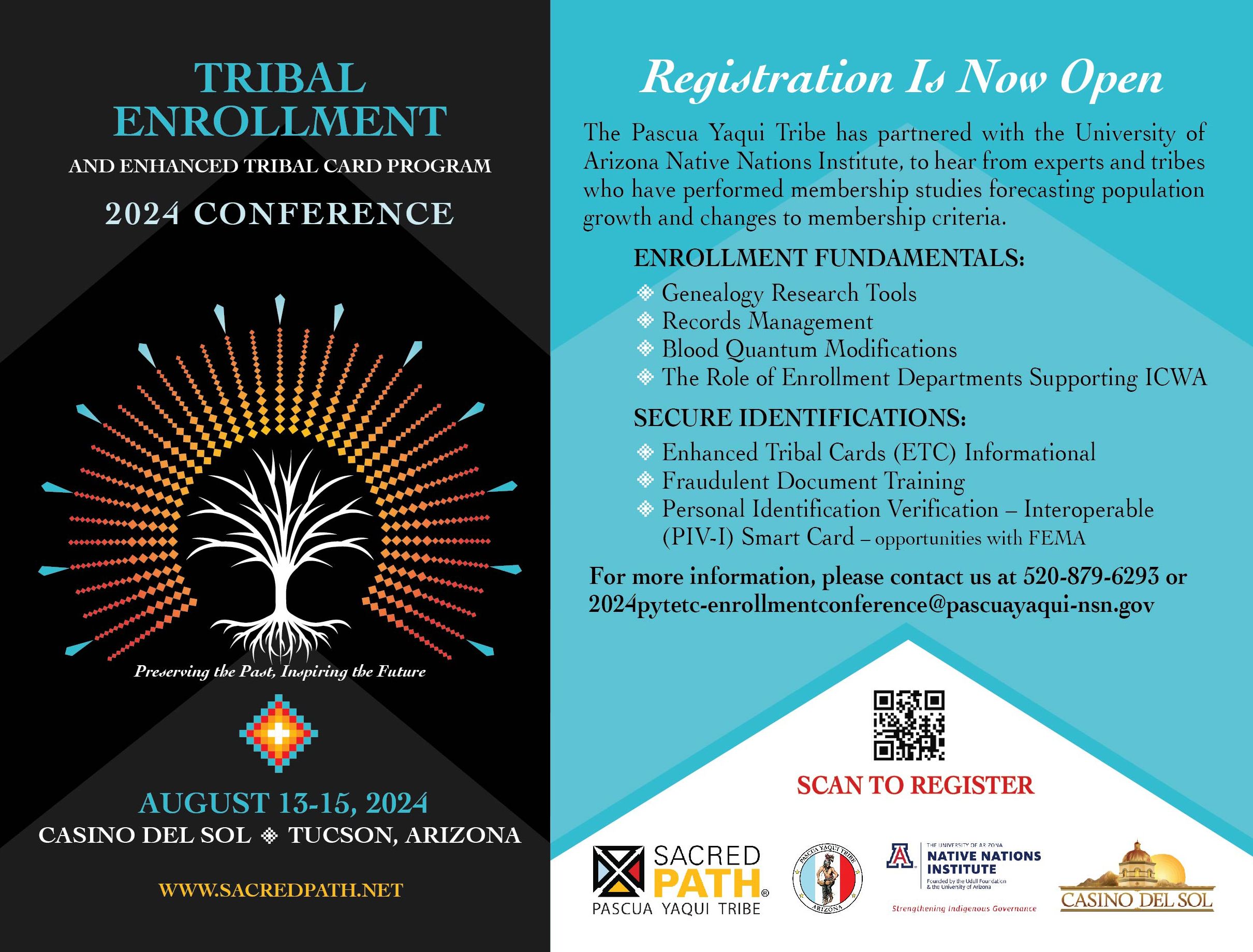
This verification is not merely a formality; it’s a critical step that ensures the integrity of programs designed to serve Native American communities, preventing misuse and directing resources to their intended beneficiaries.
The "User Experience": Navigating the Verification Process
For many Native American borrowers, the "user experience" of tribal enrollment verification can range from smooth and efficient to frustrating and protracted. The process often hinges on the responsiveness of tribal offices and the lender’s familiarity with specific requirements.
Typical Workflow:
- Pre-Application: A savvy borrower gathers their tribal ID, CDIB, and knows their enrollment number. They might even proactively request an official letter from their tribal office if they anticipate needing one.
- Mortgage Application: The borrower identifies themselves as a tribal member and expresses interest in programs like Section 184.
- Lender’s Request: The lender, ideally one experienced with Native American lending, provides a clear list of required enrollment documents.
- Information Gathering: The borrower submits existing documents or reaches out to their tribal enrollment office for official verification.
- Submission & Review: The documents are sent to the lender, who then verifies them against program guidelines.
While this seems straightforward, real-world scenarios often present challenges, highlighting both the strengths and weaknesses of the current verification "product."
Pros of Robust Tribal Enrollment Verification
When the tribal enrollment verification process functions effectively, its benefits are substantial and far-reaching:
-
Access to Specialized Loan Programs (e.g., HUD Section 184): This is arguably the most significant advantage. Section 184 loans offer unique benefits tailored to Native American and Alaska Native communities, including low down payments (as low as 1.25% for loans over $50,000, 2.25% for loans under $50,000), flexible underwriting, no monthly mortgage insurance for most loan terms, and the ability to be used on trust land or fee simple land. Without robust verification, these invaluable programs would be susceptible to fraud and unable to serve their intended population effectively.
-
Lower Financial Barriers to Homeownership: The favorable terms of programs like Section 184, directly contingent on tribal enrollment, significantly reduce the financial hurdles for many Native American families. This includes reduced closing costs and competitive interest rates, making homeownership more attainable for those who might not qualify for conventional loans.
-
Protection Against Fraud and Misuse: The verification process acts as a crucial gatekeeper, ensuring that only eligible tribal members benefit from programs designed specifically for them. This protects the integrity of the programs and safeguards resources for the communities they are meant to serve.
-
Preservation of Tribal Sovereignty and Identity: By requiring official documentation from tribal nations, the process implicitly acknowledges and respects tribal sovereignty. It reinforces the tribes’ authority to define and confirm their membership, a fundamental aspect of their self-governance. It also celebrates and validates the unique identity of Native American borrowers.
-
Streamlined Process (When Managed Well): For lenders and tribal offices with established protocols and experienced staff, the verification can be a swift and efficient step. A well-oiled machine ensures that borrowers don’t face undue delays, moving them closer to their homeownership goals without unnecessary friction.
-
Enhanced Lender Confidence: Clear, verifiable documentation gives lenders confidence in the eligibility of their borrowers for specific programs. This reduces perceived risk and encourages more lenders to participate in Native American lending initiatives, ultimately benefiting the community by increasing access to capital.
-
Community Development and Economic Empowerment: By facilitating homeownership, the verification process contributes directly to individual wealth building within Native American communities. Homeownership is a key driver of economic stability and can lead to broader community development, including improved housing infrastructure and local economies.
Cons/Challenges of Tribal Enrollment Verification
Despite its clear benefits, the tribal enrollment verification "product" is not without its flaws. Several challenges can create significant hurdles for borrowers and lenders alike:
-
Bureaucratic Delays and Inconsistency: This is perhaps the most frequently cited drawback. Tribal enrollment offices, particularly smaller ones, may have limited staff and resources, leading to slow response times for verification requests. Furthermore, the specific documentation requirements and processes can vary significantly between tribes, creating a lack of standardization that complicates matters for lenders.
-
Lack of Lender Awareness and Education: Many mainstream mortgage lenders are unfamiliar with Section 184 and the nuances of tribal enrollment verification. This lack of knowledge can lead to requests for incorrect documentation, unnecessary delays, and even a reluctance to engage with Native American borrowers, limiting access to specialized programs.
-
Administrative Burden on Tribal Offices: While tribes are sovereign, the constant influx of verification requests can place a significant administrative burden on their enrollment offices, especially when dealing with a multitude of lenders with varying requirements. This diverts resources that could be used for other vital tribal services.
-
Sensitive Nature of Information: Tribal enrollment and blood quantum information are deeply personal and culturally significant. The need to repeatedly provide this sensitive data to multiple parties (lenders, title companies, etc.) can be intrusive and, if not handled with care, can lead to privacy concerns or cultural insensitivity.
-
Potential for Errors or Discrepancies: Manual processes for verification can lead to human error, such as misspellings, outdated information, or discrepancies between different documents. Correcting these errors can cause significant delays and frustration.
-
Limited Number of Qualified Lenders: Due to the specialized nature of Section 184 and the verification process, there are fewer lenders who are genuinely experienced and proficient in this area. This can limit borrowers’ choices and force them to seek out specific, sometimes distant, lenders.
-
Misconceptions and Stereotypes: Unfortunately, some lenders may harbor misconceptions or even stereotypes about lending to Native American communities or on tribal lands. The verification process, if not handled with cultural sensitivity and understanding, can inadvertently reinforce these, creating a less welcoming environment for borrowers.
-
Outdated Systems: Some tribal enrollment offices may rely on paper-based records or older digital systems, which can make quick verification difficult, especially for members who may have moved or need historical documentation.
"Buying" Recommendations: Optimizing the Verification Process
To enhance the "product" of tribal enrollment verification for mortgages, a multi-faceted approach involving borrowers, lenders, and tribal nations is essential.
For Native American Borrowers:
- Proactive Document Gathering: Before even starting the mortgage application, gather all relevant documents: a current Tribal ID, CDIB card, and, if possible, an official enrollment verification letter from your tribe. Ensure all information is current and matches other identification.
- Seek Experienced Lenders: Prioritize working with mortgage lenders and loan officers who explicitly advertise or demonstrate experience with Section 184 loans and Native American homeownership. Ask specific questions about their process for tribal enrollment verification.
- Understand Your Tribe’s Process: Familiarize yourself with your tribe’s specific procedures for requesting enrollment verification. Know who to contact, what information they require, and typical turnaround times.
- Communicate Clearly: Maintain open and clear communication with your loan officer and your tribal enrollment office. Provide all requested information promptly and follow up regularly.
- Be Patient but Persistent: While frustrating, delays can occur. Be prepared for potential wait times, but don’t hesitate to politely follow up on your requests.
For Mortgage Lenders:
- Invest in Specialized Training: Mandate comprehensive training for loan officers and processors on Section 184 guidelines, the importance of tribal sovereignty, and the specific requirements for tribal enrollment verification. This includes understanding CDIBs, tribal IDs, and official letters.
- Build Tribal Relationships: Foster direct relationships with tribal housing authorities and enrollment offices. Establish clear points of contact and understand their preferred methods for verification. This can significantly reduce delays.
- Standardize Internal Processes: Develop a clear, internal checklist and workflow for handling tribal enrollment verification, ensuring consistency across all loan officers and branches.
- Educate Borrowers: Proactively educate Native American borrowers about the verification process, setting clear expectations for required documents and potential timelines.
- Embrace Cultural Competency: Train staff on cultural sensitivity and the historical context of Native American communities. Understand that tribal enrollment is more than just a bureaucratic step; it’s a matter of identity and heritage.
For Tribal Nations and Enrollment Offices:
- Streamline Verification Procedures: Review and optimize internal processes for handling verification requests. Consider creating a standardized letter or form for common mortgage-related requests.
- Designate Clear Points of Contact: Establish a dedicated contact person or department specifically for external verification requests (e.g., from mortgage lenders, government agencies). Publish this information publicly.
- Leverage Technology: Explore secure digital solutions for enrollment verification, if feasible, to reduce manual processing time and enhance efficiency.
- Educate Your Members: Inform tribal members about the importance of keeping their enrollment information current and the steps involved in obtaining verification for financial services.
- Advocate for Standardization: Collaborate with other tribes and organizations like HUD or the National American Indian Housing Council (NAIHC) to advocate for greater standardization of verification requirements across the lending industry.
Conclusion
Tribal enrollment verification for mortgages is a critical "product" in the journey to homeownership for Native American individuals and families. While it presents distinct advantages in opening doors to vital programs like HUD Section 184, the process is not without its challenges, primarily stemming from bureaucratic inefficiencies and a lack of widespread understanding.
By embracing a collaborative approach, where borrowers are proactive, lenders are educated and culturally competent, and tribal nations are empowered to streamline their processes, the experience of tribal enrollment verification can be significantly improved. The goal is not just to verify identity, but to affirm the unique path to homeownership for Native Americans, ensuring that the dream of a stable, secure home is accessible and respected for all. The ongoing refinement of this vital "product" is essential for fostering economic empowerment and strengthening Native American communities across the nation.


