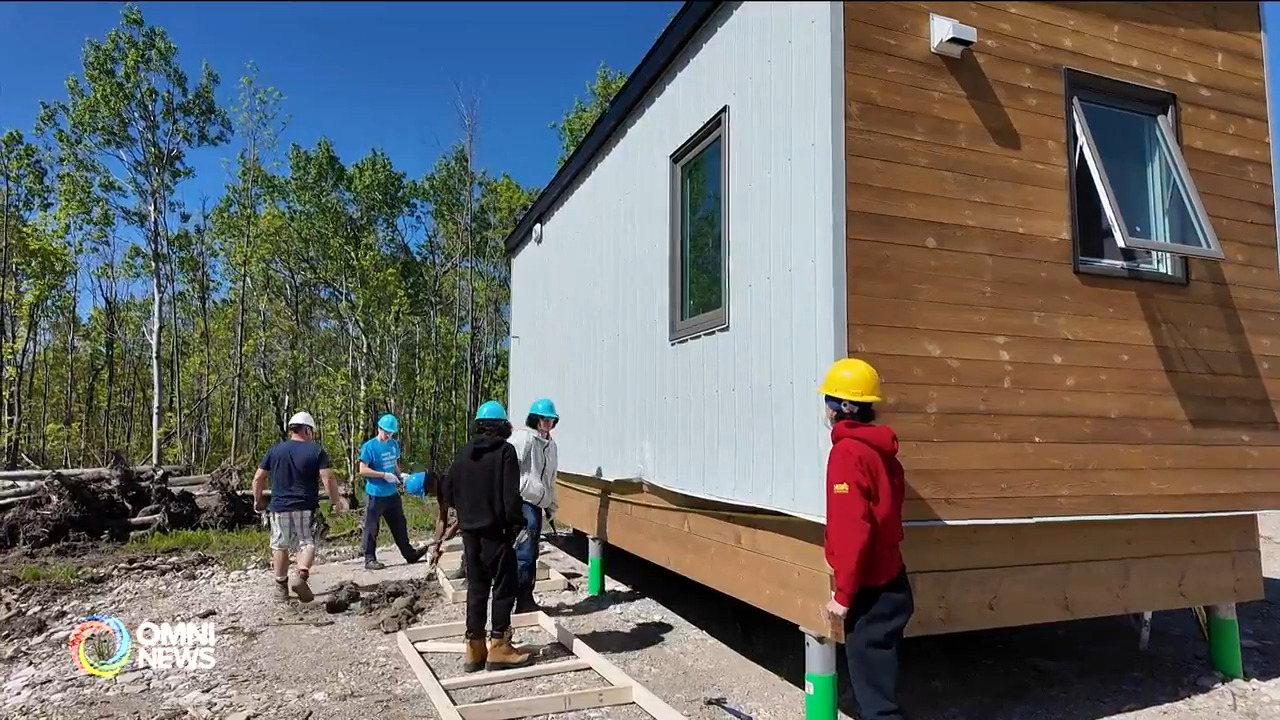
Building on Sacred Ground: A Comprehensive Review of Self-Build Home Loans for Indigenous Peoples
The dream of homeownership is a universal aspiration, representing security, stability, and a foundation for future generations. For Indigenous Peoples globally, this dream is often interwoven with profound cultural, spiritual, and historical connections to land. However, realizing this dream, particularly through self-build initiatives, comes with a unique set of challenges and opportunities. Self-build home loans, tailored to the specific contexts of Indigenous communities, emerge as a powerful yet complex financial instrument. This article delves into a comprehensive review of these specialized loans, exploring their advantages, disadvantages, and offering a nuanced recommendation for their implementation and adoption.
The Indigenous Housing Landscape: A Foundation of Need
Before evaluating the "product" itself, it’s crucial to understand the landscape it seeks to address. Indigenous communities worldwide often face disproportionately high rates of inadequate housing, overcrowding, and homelessness. This crisis is rooted in a complex interplay of historical dispossession, economic marginalization, systemic discrimination, and geographical isolation. Many Indigenous communities reside in remote areas with limited access to conventional infrastructure, building materials, and skilled labor. Furthermore, unique land tenure systems, such as communal ownership or trust lands, frequently complicate mainstream mortgage processes, as individual title – a prerequisite for most conventional loans – may not exist.
Traditional housing models, while culturally appropriate, may lack modern amenities or fail to meet contemporary building codes, while government-provided housing often falls short of cultural relevance or community-specific needs. In this context, the concept of self-build housing – where individuals or communities take an active role in designing and constructing their homes – offers a compelling alternative. It promises not just a roof over one’s head, but a home built with cultural integrity, community involvement, and a pathway to self-determination. Self-build home loans for Indigenous Peoples are specifically designed to bridge the financial gap in this endeavor, recognizing and attempting to accommodate these unique circumstances.

What Are Self-Build Home Loans for Indigenous Peoples?
Unlike conventional mortgages that finance the purchase of an existing home or the construction of a contractor-built one, self-build home loans are specifically structured to fund the various stages of owner-built construction. For Indigenous Peoples, these loans are often distinguished by several key features:
- Flexible Collateral Requirements: Recognizing that individual land title may not be available, some programs may accept leasehold interests, communal land agreements, or even future equity in the home itself as collateral.
- Staged Disbursements: Funds are typically released in increments as construction milestones are met, ensuring responsible use of funds and progress tracking.
- Technical and Project Management Support: Given that many self-builders may lack extensive construction experience, the best programs integrate access to technical advisors, project managers, or training resources.
- Culturally Sensitive Design: Lenders or program administrators may encourage or even require designs that respect traditional architectural styles, community layouts, and cultural practices.
- Partnerships: These loans often involve collaborations between government agencies, Indigenous financial institutions, tribal councils, and mainstream lenders.
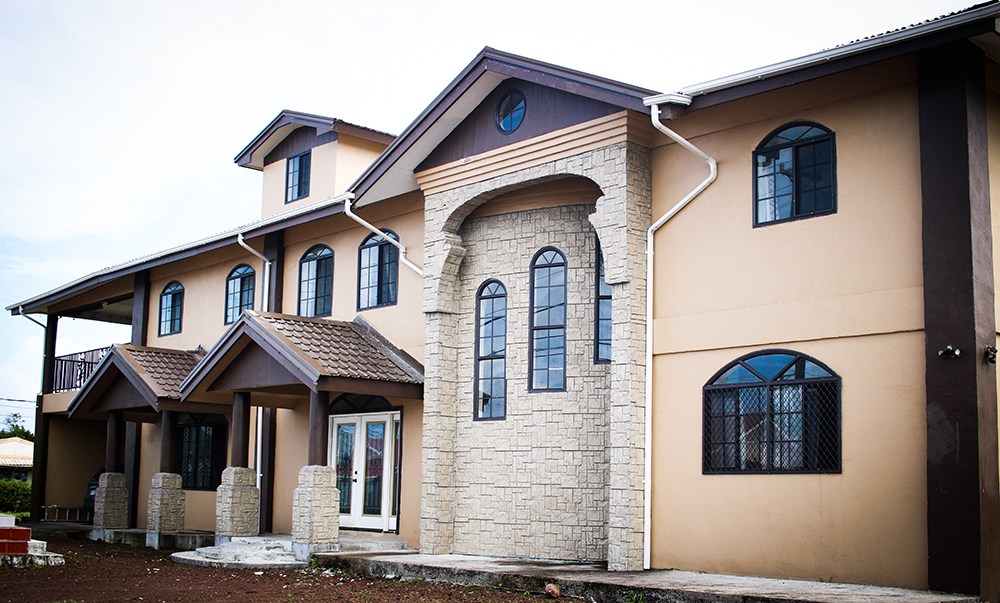
These specialized loans are not merely financial products; they are often integrated programs aimed at capacity building, economic development, and fostering self-sufficiency within Indigenous communities.
Advantages (Pros) of Self-Build Home Loans for Indigenous Peoples
When properly structured and supported, self-build home loans offer a multitude of benefits that extend far beyond mere financial assistance:
- Empowerment and Self-Determination: At its core, self-build housing is an act of sovereignty. It allows Indigenous individuals and communities to take control over their housing solutions, aligning homes with their values, traditions, and aspirations. This process fosters a profound sense of ownership, pride, and agency.
- Cultural Appropriateness and Design Flexibility: Unlike pre-fabricated or standard government housing, self-build allows for the incorporation of cultural elements, traditional materials, specific spatial arrangements for extended families, and designs that respond to local climate and environment. This ensures homes are not just functional, but also spiritually and culturally resonant.
- Economic Benefits and Skill Development: Self-building often involves community labor and the use of local materials, significantly reducing construction costs. Participants gain valuable construction, project management, and financial literacy skills, which can lead to future employment opportunities and strengthen the local economy. It keeps resources within the community.
- Community Building and Social Cohesion: Self-build projects often become community endeavors, with neighbors, family, and friends contributing labor and expertise. This collaborative spirit strengthens social bonds, revives traditional practices of mutual aid, and instills a collective sense of achievement.
- Intergenerational Wealth Creation: Homeownership is a primary driver of intergenerational wealth. By enabling Indigenous families to build and own assets, these loans contribute to economic stability, provide a tangible legacy for future generations, and help bridge historical wealth disparities.
- Improved Health and Well-being: Access to safe, stable, and culturally appropriate housing has direct positive impacts on physical and mental health. Reduced overcrowding, improved sanitation, and a sense of security contribute to better health outcomes, educational attainment, and overall quality of life.
- Addressing Unique Land Tenure Challenges: The most significant advantage of specialized loans is their attempt to navigate and overcome the complexities of Indigenous land tenure. By developing alternative collateral models or working within communal land frameworks, they open doors to homeownership previously closed by mainstream financial institutions.
Disadvantages (Cons) of Self-Build Home Loans for Indigenous Peoples
Despite their transformative potential, self-build home loans for Indigenous Peoples are not without significant drawbacks and challenges that require careful consideration:
- Complexity and Bureaucracy: The application process can be incredibly complex, involving multiple layers of government, tribal councils, and financial institutions. Navigating legal frameworks, permits, inspections, and loan conditions can be overwhelming, especially for individuals with limited administrative experience.
- Access to Capital and Eligibility Barriers: Even with specialized programs, eligibility criteria (credit history, income, existing debt) can be restrictive. Remote locations may also deter mainstream lenders, limiting options and potentially leading to higher interest rates or less favorable terms.
- Land Tenure Remains a Major Hurdle: While some programs attempt to address it, the lack of individual title on communal or reserve lands remains a fundamental challenge. Lenders traditionally rely on clear individual ownership for collateral, and innovative solutions are often insufficient or face legal/administrative barriers. This can lead to longer approval times and fewer available financing options.
- Lack of Technical Expertise and Support: While some programs offer support, many self-builders lack the necessary skills in construction, project management, budgeting, and regulatory compliance. Inadequate support can lead to costly mistakes, project delays, substandard construction, or even abandonment.
- Significant Time Commitment and Stress: Building a home is a demanding undertaking, requiring substantial time, effort, and emotional resilience. Balancing construction with work, family, and community responsibilities can lead to burnout, stress, and strain on personal resources.
- Challenges of Remote Locations: Many Indigenous communities are in remote areas, exacerbating logistical challenges. Transporting materials is expensive, skilled labor may be scarce, and access to necessary infrastructure (water, electricity, waste management) can be limited or costly to develop.
- Risk of Predatory Lending and Exploitation: Vulnerable communities, especially those with limited financial literacy, can be targets for unscrupulous lenders offering high-interest rates or unfavorable terms. Without robust regulation and oversight, these loans can lead to greater debt and economic hardship rather than prosperity.
- Cultural Misunderstanding by Lenders: Mainstream financial institutions may lack cultural competency, failing to understand Indigenous governance structures, decision-making processes, or the holistic view of wealth and land. This can lead to miscommunication, mistrust, and an inability to adapt loan products effectively.
- Funding Inconsistency and Program Sustainability: Government-funded programs can be subject to political changes, budget cuts, or shifting priorities, leading to inconsistent funding and a lack of long-term sustainability. This uncertainty can undermine community planning and the ability to scale successful initiatives.
Navigating the Journey: Recommendations and Best Practices
To maximize the advantages and mitigate the disadvantages, a multi-faceted approach is required from both prospective Indigenous homebuilders and the institutions offering these loans.
For Prospective Indigenous Homebuilders:
- Thorough Research and Due Diligence: Understand all aspects of the loan program, including eligibility, terms, interest rates, and repayment schedules. Compare multiple options if available.
- Seek Expert Advice: Engage with Indigenous housing organizations, financial counselors, legal experts, and experienced builders who understand the local context and specific challenges.
- Build a Strong Support Network: Involve family, community elders, and trusted friends in the planning and construction process. Leverage community resources and traditional knowledge.
- Financial Literacy and Planning: Develop a realistic budget, understand your credit score, and plan for potential cost overruns. Attend financial literacy workshops if offered.
- Understand Land Tenure: Have a clear understanding of your rights and responsibilities regarding the land on which you plan to build, and how this impacts collateral requirements.
For Lenders and Policymakers:
- Culturally Competent Program Design: Develop loan products and support services in genuine partnership with Indigenous communities, ensuring they reflect local needs, values, and governance structures.
- Flexible and Innovative Lending Models: Explore and expand alternative collateral arrangements, such as leasehold mortgages, tribal guarantees, or equity-sharing models, that accommodate unique Indigenous land tenure systems.
- Integrated Support Services: Loans should be packaged with comprehensive technical assistance, project management training, financial literacy education, and post-construction support to ensure successful project completion and long-term sustainability.
- Capacity Building within Indigenous Institutions: Invest in and empower Indigenous financial institutions and housing authorities to administer and manage these loan programs, fostering local expertise and control.
- Long-Term and Consistent Funding: Ensure stable, predictable, and adequate funding for these programs, moving beyond short-term initiatives to enable strategic planning and sustained impact.
- Advocacy for Policy Reform: Address systemic barriers in land legislation and mainstream financial regulations that disproportionately affect Indigenous Peoples’ access to capital.
The "Purchase Recommendation": A Transformative Tool, with Conditions
In reviewing self-build home loans for Indigenous Peoples, it is clear that they are not a simple "product" to be bought or rejected outright. Instead, they represent a powerful, potentially transformative tool for addressing a critical housing crisis and advancing Indigenous self-determination.
Strongly Recommended, with Essential Conditions:
We strongly recommend the adoption and expansion of self-build home loan programs for Indigenous Peoples provided they are:
- Co-designed and co-managed with Indigenous communities.
- Paired with robust, culturally appropriate technical, project management, and financial literacy support.
- Offer flexible and innovative collateral solutions that genuinely accommodate Indigenous land tenure systems.
- Backed by consistent, long-term funding and equitable terms.
When these conditions are met, self-build loans move beyond mere financial transactions to become catalysts for economic empowerment, cultural revitalization, community building, and improved well-being. They represent an investment not just in housing, but in the future resilience and sovereignty of Indigenous Nations.
Caution Advised, Without Sufficient Support:
Conversely, without these critical support systems and adaptations, these loans carry significant risks. Programs that are purely transactional, fail to address land tenure complexities, or neglect to provide adequate technical and administrative assistance can lead to financial distress, project failure, and exacerbate existing inequalities. In such cases, caution is paramount, and alternative, more supported housing solutions may be more appropriate.
Conclusion
Self-build home loans for Indigenous Peoples stand at the intersection of financial innovation, social justice, and cultural preservation. They offer a tangible pathway for communities to reclaim control over their housing futures, building homes that resonate with their heritage and serve as stable foundations for generations to come. While the journey is fraught with challenges, a commitment from all stakeholders – Indigenous leaders, governments, and financial institutions – to co-create, adequately fund, and comprehensively support these programs will unlock their immense potential, turning the dream of building on sacred ground into a widespread reality. The ultimate success of this "product" lies not just in its financial structure, but in its ability to empower, uplift, and respect the inherent rights and aspirations of Indigenous Peoples worldwide.


