Navigating Home Equity: A Comprehensive Review of Second Mortgage Options for Tribal Members
Homeownership is a cornerstone of wealth building and financial stability for many families. For tribal members, this aspiration often carries additional layers of cultural significance, historical context, and unique legal frameworks, particularly concerning land tenure. As home values appreciate, the equity built in a home can become a powerful financial tool, accessible through second mortgages. However, the path to leveraging this equity for tribal members is distinct, requiring a nuanced understanding of specific programs, challenges, and opportunities.
This comprehensive review will explore the landscape of second mortgage options available to tribal members, delving into the intricacies of land tenure, federal programs, and tribal financial institutions. We will weigh the advantages and disadvantages of each option and provide practical recommendations to empower tribal members in making informed financial decisions.
Understanding the Basics: What is a Second Mortgage?
Before diving into the specifics for tribal members, it’s essential to grasp the fundamental concepts of second mortgages. A second mortgage is a loan taken out using the equity in your home as collateral, while your original mortgage (the "first" mortgage) is still in place. It essentially creates a second lien on your property.

There are two primary types:
- Home Equity Loan (HEL): This is a lump-sum loan with a fixed interest rate and a fixed repayment schedule. You receive the entire amount upfront and begin repaying it immediately.
- Home Equity Line of Credit (HELOC): This functions more like a credit card. You’re approved for a maximum credit limit, and you can borrow against it as needed, repaying the borrowed amount and interest. HELOCs typically have a variable interest rate and two phases: a draw period (where you can borrow) and a repayment period.
Second mortgages are commonly used for various purposes, including home improvements, debt consolidation, funding education, starting a business, or covering unexpected expenses. They generally offer lower interest rates than unsecured personal loans because they are backed by the collateral of your home.
The Unique Landscape for Tribal Members
The ability of tribal members to access and leverage home equity through second mortgages is significantly shaped by several factors unique to Native American communities:
1. Land Tenure Complexity:
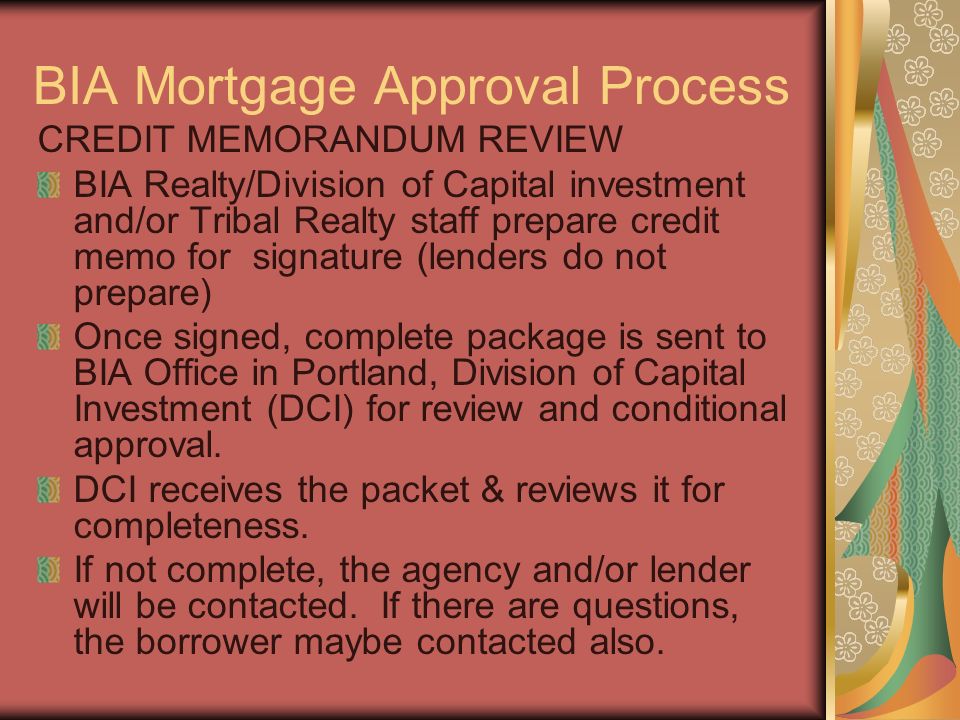
This is arguably the most critical factor. Land ownership for tribal members can fall into several categories, each with different implications for mortgage lending:
- Trust Land: Land held in trust by the U.S. government for the benefit of a tribe or individual tribal members. This land cannot be mortgaged or sold without federal approval, making traditional collateral-based lending extremely difficult.
- Allotted Land: A specific type of trust land, often individual parcels, that was "allotted" to individual tribal members. Similar to trust land, it has restrictions.
- Fee Simple Land: Land owned outright by a tribal member, similar to non-Native American property ownership. This land can be mortgaged conventionally. Fee simple land can be located on or off a reservation.
- Leasehold Interest: On trust land, a tribal member (or the tribe) can obtain a long-term lease from the U.S. government. Lenders can then use this leasehold interest as collateral, provided it is assignable and has sufficient remaining term.
2. Tribal Sovereignty and Jurisdiction:
Tribal nations possess inherent sovereign authority. This means that if a loan is secured by property on trust or restricted land, the lender’s ability to foreclose in case of default can be complicated by tribal legal systems, which may differ from state or federal laws. Lenders often require waivers of tribal sovereign immunity and specific tribal court jurisdiction agreements to mitigate this risk.
3. Access to Capital and Financial Services:
Historically, mainstream financial institutions have had limited presence on reservations, leading to lower access to conventional banking services, credit, and financial literacy resources. This gap has often been filled by predatory lenders or has simply left tribal members underserved.
Second Mortgage Options for Tribal Members: A Detailed Review
Given the unique context, second mortgage options for tribal members require careful consideration.
1. Conventional Second Mortgages (for Fee Simple Land)
Description: If a tribal member owns their home and the land it sits on in "fee simple" – meaning they have outright ownership without federal restrictions – they can apply for a conventional home equity loan or HELOC through mainstream banks, credit unions, or mortgage lenders.
Pros:
- Competitive Rates: Access to the broader market means potentially lower interest rates and more flexible terms, especially for those with strong credit.
- Variety of Lenders: Many lenders offer these products, allowing for comparison shopping.
- Established Processes: The application and closing processes are generally well-defined and familiar to lenders.
- Flexibility: Can be used for any purpose, from home improvement to debt consolidation.
Cons:
- Limited Applicability: Exclusively for homes on fee simple land; not an option for trust or allotted land.
- Strict Eligibility: Requires good credit scores, stable income, and a healthy debt-to-income ratio, which may be challenging for some.
- Lack of Cultural Understanding: Mainstream lenders may not fully understand the specific circumstances or cultural values of tribal members.
Recommendation: If you own your home in fee simple, this is often the most straightforward and potentially cost-effective option. Shop around, compare rates, and ensure the lender is reputable.
2. Federal Programs: HUD Section 184 Indian Home Loan Guarantee Program
Description: While primarily known for first mortgages, the HUD Section 184 program is a powerful tool for tribal members. It guarantees loans made by private lenders to eligible Native American and Alaska Native individuals, families, and tribes. Crucially, it can be used for rehabilitation, renovation, or purchase of a home that will also include rehabilitation, effectively serving as a second mortgage for existing homeowners looking to improve their property. It uniquely addresses land tenure issues by allowing loans on trust land through a leasehold interest.
Pros:
- Addresses Land Tenure: Explicitly designed to work on trust and restricted land through a leasehold agreement, overcoming a major hurdle for other lenders.
- Flexible Underwriting: More lenient credit and income requirements compared to conventional loans, acknowledging unique financial situations in Native communities.
- Lower Interest Rates: Often comparable to FHA loans, making it more affordable.
- Low Down Payment: While more relevant for first mortgages, the principle of affordability extends to renovation loans.
- No Mortgage Insurance on Refinances/Rehabs: This can save significant money.
- Tribal Focus: Lenders participating in the 184 program are generally more familiar with tribal laws and land issues.
Cons:
- Limited Lenders: Not all mortgage lenders participate in the 184 program, which can limit options.
- Program Specifics: The loan must be for "rehabilitation" or "renovation" rather than general cash-out for other purposes like debt consolidation (unless debt consolidation is part of a larger rehab project or a refinance).
- Processing Time: Can sometimes take longer due to the additional steps involved with federal guarantees and leasehold agreements.
- Property Requirements: The property must meet HUD safety and structural standards.
Recommendation: This is often the best option for tribal members living on trust or restricted land who need funds for home improvements. Seek out lenders specifically approved for the HUD 184 program. Understand the program’s requirements for rehabilitation projects.
3. Federal Programs: VA Native American Direct Loan (NADL) Program
Description: The VA NADL program provides direct home loans to eligible Native American veterans to purchase, construct, or improve homes on federal trust land or allotted land. While primarily for first mortgages, the VA’s guidance explicitly allows for subsequent loans for "improvements to the property." This means a veteran who already has an NADL on their home could potentially apply for another NADL for home improvement, effectively acting as a second mortgage.
Pros:
- No Down Payment: A significant financial advantage.
- Low Interest Rates: Generally very competitive, often lower than conventional rates.
- No Private Mortgage Insurance (PMI): Saves veterans a considerable amount of money over the life of the loan.
- Addresses Trust Land: Specifically designed for homes on trust or allotted lands.
- Direct from VA: The VA is the lender, which can streamline some aspects for eligible veterans.
Cons:
- Eligibility Restricted: Only available to Native American veterans who meet specific service requirements.
- Limited Purpose: Primarily for purchase, construction, or improvement. Cash-out for non-housing purposes is generally not permitted as a second lien.
- Processing Time: Government programs can sometimes have longer processing times.
- Property Requirements: Homes must meet VA Minimum Property Requirements.
Recommendation: If you are a Native American veteran living on trust or allotted land, the NADL program is an excellent and highly advantageous option for home improvement. Contact the VA directly or work with a lender familiar with NADL to explore this.
4. Tribal Financial Institutions (CDFIs, Tribal Credit Unions/Banks)
Description: Community Development Financial Institutions (CDFIs), tribal credit unions, and tribally owned banks play a vital role in providing financial services to Native communities. Many offer tailored loan products that understand the unique challenges of tribal land and sovereignty. Some may offer home equity-like products or secured loans using other forms of collateral if traditional mortgages are not feasible.
Pros:
- Cultural Understanding: These institutions are often deeply embedded in the community and understand the specific needs, challenges, and cultural values of tribal members.
- Flexible Underwriting: May offer more flexible loan terms and underwriting criteria than mainstream lenders, focusing on community impact alongside creditworthiness.
- Financial Literacy Support: Often provide financial education and counseling to help members manage their finances responsibly.
- Local Focus: Decisions are made locally, potentially leading to faster processing and more personalized service.
- Innovative Solutions: May develop unique loan products designed to work around land tenure issues or offer alternative collateral options.
Cons:
- Limited Resources/Loan Amounts: May have smaller loan portfolios and thus offer smaller loan amounts compared to larger banks.
- Geographic Availability: Not every tribal community has a CDFI, tribal bank, or credit union.
- Variable Products: Offerings can vary widely from one institution to another.
- Higher Rates (sometimes): While often competitive, some smaller institutions may have slightly higher rates than the absolute lowest conventional rates due to their operating costs and risk profiles.
Recommendation: Always check with your local tribal financial institutions first. They are often your strongest advocates and may have innovative solutions tailored to your specific situation, especially if federal programs or conventional loans aren’t an option.
5. Personal Loans (Unsecured)
Description: While not a "second mortgage" in the traditional sense, an unsecured personal loan is an option to access funds without using your home as collateral.
Pros:
- No Collateral: Your home is not at risk of foreclosure if you default.
- Faster Approval: Often quicker to obtain than secured loans.
- Flexible Use: Funds can be used for any purpose.
Cons:
- Higher Interest Rates: Significantly higher interest rates than secured loans because there’s no collateral.
- No Tax Deductibility: Interest paid on personal loans is not tax-deductible, unlike mortgage interest.
- Smaller Loan Amounts: Generally offer lower loan limits.
- Credit Impact: Requires a good credit score to qualify for favorable rates.
Recommendation: Consider this a last resort if your need is urgent, the amount is small, and you cannot qualify for a secured loan. Be extremely cautious of high-interest rates and ensure you can comfortably repay the loan.
General Pros and Cons of Second Mortgages for Tribal Members
Beyond the specifics of each option, it’s important to consider the overarching advantages and disadvantages of taking out a second mortgage:
Advantages:
- Access to Capital: Provides a significant sum of money for various needs, often at a lower interest rate than unsecured loans.
- Home Improvement/Wealth Building: Funds for renovations can increase the value of your home, further building equity.
- Debt Consolidation: Can be used to consolidate higher-interest debts (like credit cards) into a single, lower-interest payment, potentially saving money and simplifying finances.
- Tax Benefits: Interest paid on home equity loans or HELOCs (when used for home improvement) may be tax-deductible.
- Retain Home Ownership: Unlike selling your home, a second mortgage allows you to keep your property while accessing its value.
- Community Investment: Using funds for home improvement or local business ventures can benefit the entire tribal community.
Disadvantages:
- Risk of Foreclosure: The most significant risk. If you default on your second mortgage, your home (and potentially your land interest) could be foreclosed upon, leading to the loss of a valuable asset.
- Increased Debt Burden: You’re taking on more debt, which can strain your finances if not managed carefully.
- Closing Costs and Fees: Second mortgages come with closing costs, application fees, and sometimes appraisal fees, which add to the overall expense.
- Variable Rates (HELOCs): If you choose a HELOC, your interest rate can fluctuate, potentially increasing your monthly payments unexpectedly.
- Equity Depletion: While accessing equity, you are also reducing the amount of equity you have in your home, which could be a concern if home values decline.
- Complexity of Tribal Land: The unique legal and jurisdictional challenges associated with trust land can make the process more complex and time-consuming.
- Predatory Lending Risk: Unfortunately, some lenders may target vulnerable communities with unfavorable terms. Vigilance is key.
Recommendations for Tribal Members
Navigating second mortgage options requires careful planning and due diligence. Here are key recommendations:
- Understand Your Land Tenure: This is paramount. Know whether your home is on fee simple land, trust land, allotted land, or if you have a leasehold interest. This dictates which options are even possible. Consult with tribal housing authorities or legal counsel if unsure.
- Prioritize Purpose: Clearly define why you need the funds. Home improvements that increase property value are generally the most financially sound use. Debt consolidation can be beneficial if it significantly lowers your interest rate and you commit to not accruing new debt. Avoid using home equity for frivolous spending.
- Explore Federal Programs First (HUD 184 & VA NADL): If eligible, these programs are specifically designed to address the unique challenges faced by tribal members and often offer the most favorable terms and cultural understanding.
- Engage with Tribal Financial Institutions: Reach out to your local CDFI, tribal credit union, or tribal bank. They are invaluable resources and may offer tailored products and support.
- Seek Financial Counseling: Utilize housing counselors or financial advisors who are familiar with Native American homeownership and lending. They can provide unbiased advice and help you understand the pros and cons for your specific situation.
- Shop Around and Compare: Don’t settle for the first offer. Compare interest rates, fees, repayment terms, and lender reputation across multiple options.
- Read the Fine Print: Understand all terms and conditions, especially regarding interest rates (fixed vs. variable), repayment schedules, and any penalties for early repayment or late payments.
- Understand Sovereign Immunity Waivers: If your loan involves trust land, be fully aware of any agreements related to tribal jurisdiction and sovereign immunity waivers. Ensure your tribal legal counsel reviews these documents.
- Build and Maintain Good Credit: A strong credit score will always open up more favorable lending opportunities, regardless of the specific program.
- Assess Your Repayment Capacity: Be realistic about your ability to make consistent monthly payments. A second mortgage adds a significant financial obligation.
Conclusion
Second mortgage options represent a powerful pathway for tribal members to leverage their home equity for financial growth and stability. However, the journey is distinct, woven into the fabric of land tenure, tribal sovereignty, and historical access to financial services.
While conventional options exist for those on fee simple land, the federal HUD Section 184 and VA Native American Direct Loan programs stand out as critical resources, specifically designed to bridge the gap and provide equitable access for homes on trust and allotted lands. Tribal financial institutions further enhance this landscape, offering culturally sensitive and community-focused solutions.
By understanding the unique challenges, thoroughly exploring available programs, and seeking expert guidance, tribal members can make informed decisions that not only improve their financial well-being but also strengthen their homes and communities for generations to come. The key lies in education, diligence, and choosing the option that best aligns with individual needs and the specific context of their land and tribal affiliation.


