Unlocking Homeownership: A Comprehensive Review of No Down Payment Native American Home Loans
The dream of homeownership is a cornerstone of the American ethos, representing stability, wealth building, and a place to call one’s own. Yet, for many Native Americans and Alaska Natives, this dream has historically been fraught with unique challenges, stemming from complex land tenure systems, economic disparities, and a lack of access to conventional financing. In response to these persistent barriers, specialized home loan programs have emerged, most notably the HUD Section 184 Indian Home Loan Guarantee Program and the VA Native American Direct Loan (NADL) program. These initiatives often feature the highly attractive prospect of no or very low down payment options, aiming to level the playing field and empower Indigenous communities.
This comprehensive review delves into the intricacies of these "no down payment" Native American home loans, examining their structure, advantages, disadvantages, and ultimately providing a recommendation for prospective homeowners.
The Landscape: Understanding the Need for Specialized Loans
For generations, Native American communities have faced systemic hurdles to homeownership. Historical policies of forced displacement, the establishment of reservations, and the unique legal status of trust and restricted lands have created a distinct housing environment. On tribal trust lands, for instance, individuals often do not hold traditional fee simple title, which conventional lenders typically require as collateral. This makes securing a standard mortgage incredibly difficult, if not impossible.

Beyond land tenure, socioeconomic factors play a significant role. Native American communities often experience higher rates of poverty, lower median incomes, and limited access to financial education and services. The accumulation of a substantial down payment, a prerequisite for most conventional loans, becomes an insurmountable barrier for many.
It is against this backdrop that programs offering low or no down payment options become not just beneficial, but critical for fostering economic development, improving living conditions, and building intergenerational wealth within Native communities.
Deep Dive: The No Down Payment Native American Home Loan Programs
While often broadly grouped, it’s essential to differentiate between the primary programs that offer "no down payment" or significantly reduced down payment options for Native Americans.
1. HUD Section 184 Indian Home Loan Guarantee Program
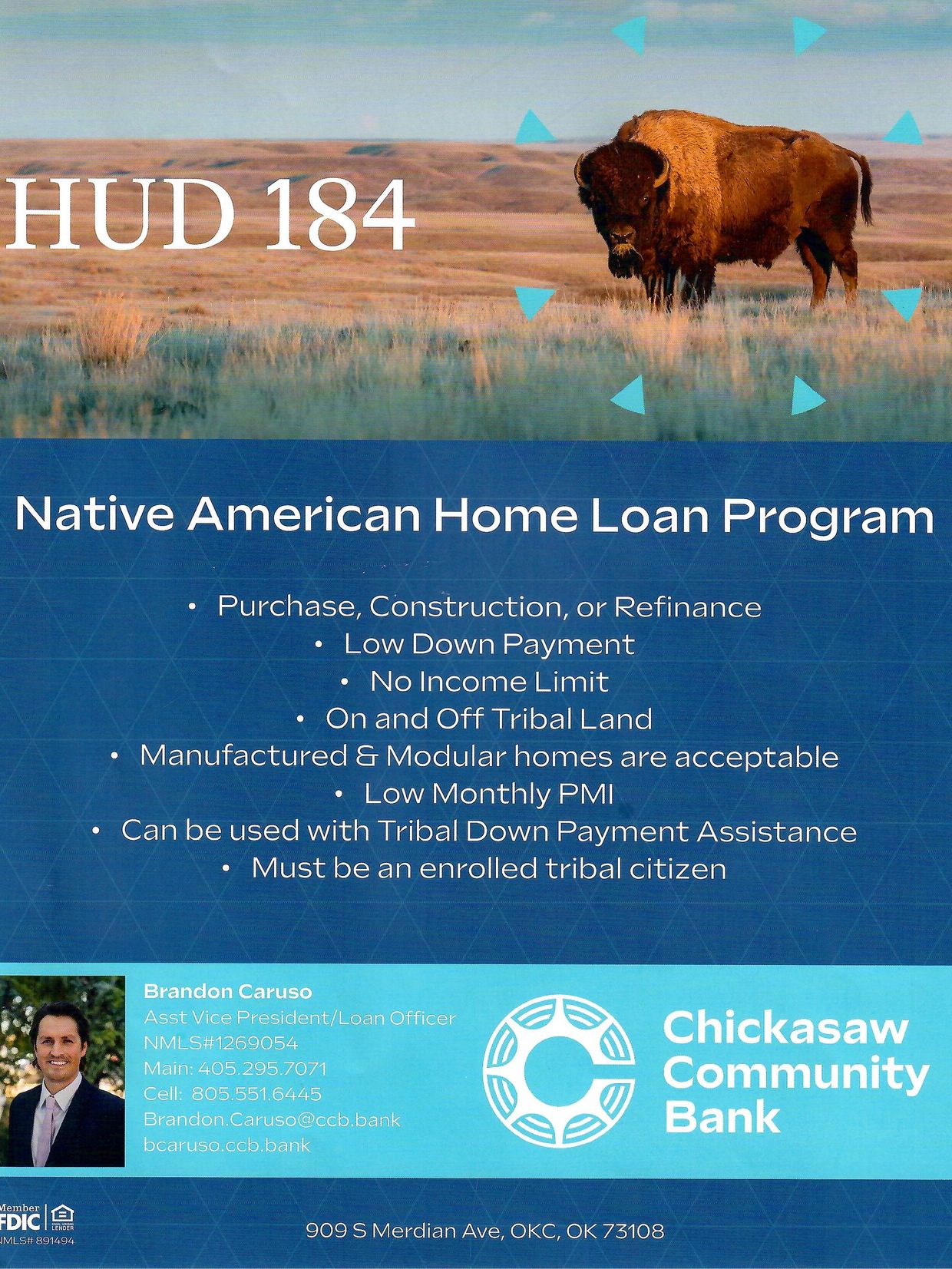
The Section 184 program, administered by the U.S. Department of Housing and Urban Development’s Office of Native American Programs (ONAP), is arguably the most prominent and widely utilized specialized loan for Native Americans. It’s a mortgage guarantee program, meaning HUD guarantees the loan for approved lenders, reducing their risk and encouraging them to lend in Native communities.
Key Features:
- Eligibility: Open to enrolled members of federally recognized tribes (or Alaska Natives). Borrowers do not need to live on a reservation or tribal land; the loan can be used anywhere in the U.S.
- Down Payment: This is where the "no down payment" aspect comes in, though it requires clarification. Section 184 typically requires a minimum down payment of 2.25% for loans over $50,000 and 1.25% for loans up to $50,000. However, this down payment can often be covered by gift funds, tribal down payment assistance programs, or other grants, effectively making it a zero out-of-pocket down payment for many borrowers.
- Loan Types: Can be used for purchasing an existing home, constructing a new home (including stick-built, manufactured, or modular homes), rehabilitating a home, or refinancing an existing mortgage.
- Land Types: Crucially, Section 184 loans can be used on fee simple land (standard private ownership), individually allotted trust land, or tribal trust land. This flexibility is a significant advantage. On trust lands, a leasehold interest (often 50 years or longer) is established between the borrower and the tribe or individual allottee.
- Competitive Interest Rates: Rates are typically market-driven and competitive, often lower than conventional rates due to the government guarantee.
- No Mortgage Insurance Premium (MIP) for Life: Unlike FHA loans, Section 184 loans have an upfront guarantee fee (1.50%) but no ongoing monthly mortgage insurance premium, saving borrowers significant money over the life of the loan.
- Flexible Underwriting: Underwriting standards are designed to be culturally sensitive and account for unique financial situations often found in Native communities.

2. VA Native American Direct Loan (NADL) Program (Section 3707)
The NADL program is specifically tailored for Native American veterans. Unlike Section 184, which is a guarantee program, NADL is a direct loan program from the U.S. Department of Veterans Affairs (VA).
Key Features:
- Eligibility: Must be a Native American veteran (or their spouse) who is an enrolled member of a federally recognized tribe.
- Down Payment: This is a true zero down payment loan.
- Loan Types: Used to purchase, construct, or improve a home on Native American trust lands. It can also be used to refinance an existing NADL loan.
- Land Types: Exclusively for homes on Native American trust lands. This is a critical distinction from Section 184.
- Low Interest Rate: NADL loans typically offer very competitive, often below-market, fixed interest rates.
- No Private Mortgage Insurance (PMI): Like all VA loans, NADL does not require PMI, significantly reducing monthly housing costs.
- VA Counseling: Borrowers receive counseling and support from the VA throughout the process.
Other Relevant Programs (Briefly):
- Title VI Loan Guarantee Program: This program guarantees loans made to Native American tribes or Tribally Designated Housing Entities (TDHEs) for affordable housing activities, including down payment assistance or infrastructure development, which can indirectly support individual homeownership.
- Indian Housing Block Grant (IHBG) Program: Provides grants to tribes and TDHEs for a wide range of housing activities, including down payment assistance, rental assistance, and housing development, which can be combined with Section 184 or NADL loans to further reduce borrower costs.
Advantages of No Down Payment Native American Home Loans
These specialized programs offer a compelling suite of benefits designed to address historical inequities and foster homeownership.
- Accessibility & Reduced Barriers to Entry: The most significant advantage is the elimination or drastic reduction of the down payment requirement. For many Native Americans, saving tens of thousands of dollars for a down payment is an insurmountable hurdle. These programs open the door to homeownership for individuals and families who would otherwise be locked out of the market.
- Wealth Building & Equity Accumulation: Homeownership is a primary driver of intergenerational wealth. By making it more accessible, these loans enable Native families to build equity, create assets, and pass on financial stability to future generations. This directly addresses historical wealth disparities.
- Community & Cultural Preservation: By facilitating homeownership on or near tribal lands, these programs support the cultural continuity and self-determination of Native communities. They allow individuals to remain close to their families, traditions, and spiritual homes, fostering stronger tribal nations.
- Flexible Underwriting Standards: Both Section 184 and NADL often employ more flexible underwriting guidelines compared to conventional loans. Lenders are encouraged to consider non-traditional income sources, credit histories, and employment patterns common in Native communities, making it easier for a broader range of applicants to qualify.
- Competitive Interest Rates: Despite the reduced risk to the borrower, these loans typically offer very competitive, and often lower, interest rates than conventional mortgages. The government guarantee (Section 184) or direct lending (NADL) mitigates lender risk, allowing for favorable terms.
- No Private Mortgage Insurance (PMI) on NADL; No Monthly MIP on Section 184: The absence of ongoing monthly mortgage insurance premiums (PMI for NADL, and monthly MIP for Section 184 after the upfront fee) significantly reduces the monthly housing cost, making homeownership more affordable in the long run.
- Support for On-Reservation Development: Especially for NADL and Section 184 on trust lands, these programs are vital for developing modern, safe housing infrastructure within tribal communities. This can stimulate local economies and improve overall quality of life.
- Expertise and Counseling: Borrowers often have access to specialized counseling and support through ONAP, VA, or tribal housing authorities, helping them navigate the unique aspects of these loans and land tenure systems.
Disadvantages of No Down Payment Native American Home Loans
While highly beneficial, these specialized loans are not without their complexities and potential drawbacks. Understanding these is crucial for an informed decision.
- Eligibility Restrictions: The most obvious limitation is the strict eligibility criteria. These loans are specifically for enrolled members of federally recognized tribes (and veterans for NADL). They are not universally available to all homebuyers.
- Complexities of Tribal Land Tenure: This is arguably the most significant challenge.
- Leasehold vs. Fee Simple: On tribal trust lands, borrowers receive a leasehold interest, not fee simple ownership. While these leases are typically long-term (e.g., 50 years, renewable), they can be unfamiliar to conventional lenders and may impact resale value or future financing if not properly understood.
- Bureau of Indian Affairs (BIA) Involvement: Transactions on trust lands often require BIA approval for leases, rights-of-way, and other legal instruments. This can add layers of bureaucracy and significantly extend processing times.
- Appraisal Challenges: Appraising homes on trust lands can be difficult due to a lack of comparable sales data, which can sometimes lead to lower appraised values or delays.
- Title Insurance Issues: Obtaining title insurance on trust lands can be more complex than on fee simple land, as the legal framework is different.
- Cultural Sensitivities: Navigating land transactions on tribal lands requires a deep understanding and respect for tribal sovereignty, customs, and governance, which can be challenging for those unfamiliar with the context.
- Limited Lender Participation: While increasing, the number of lenders approved to offer Section 184 loans is still relatively small compared to conventional lenders. NADL is a direct VA loan, simplifying that aspect, but borrowers must be on trust land. This limited choice can restrict options and make finding a knowledgeable lender more difficult.
- Perceived Bureaucracy and Processing Time: Due to the specialized nature, the requirement for BIA approvals on trust land, and the need for coordination between multiple agencies (lender, HUD/VA, tribe, BIA), the loan process can sometimes be longer and feel more bureaucratic than a conventional mortgage. Patience is often required.
- Geographic Limitations (NADL): The NADL program is strictly limited to homes on Native American trust lands, which means it’s not an option for Native American veterans wishing to buy a home on fee simple land (where they would use a standard VA loan).
- Awareness and Education Gaps: Despite their benefits, many eligible Native Americans and even some financial professionals are unaware of these programs or do not fully understand how they work. This lack of awareness can hinder uptake.
- Potential for Higher Upfront Costs (Section 184): While no monthly MIP, Section 184 requires an upfront guarantee fee (1.50%). While it can be financed into the loan, it does increase the total loan amount.
- Risk of Default: While these loans aim to facilitate homeownership, they still represent a significant financial commitment. Without proper financial planning and support, the risk of default remains, potentially leading to the loss of a home.
Recommendation for Prospective Homeowners
No down payment Native American home loans, particularly the HUD Section 184 and VA NADL programs, are invaluable tools for addressing housing disparities and empowering Indigenous communities. For eligible Native Americans and Alaska Natives, these programs come with a strong recommendation, provided the borrower approaches the process with diligence, education, and realistic expectations.
Who should strongly consider these loans?
- Enrolled members of federally recognized tribes (or their spouses, for NADL) who meet the income and credit requirements.
- Individuals who do not have a substantial down payment saved but are otherwise financially ready for homeownership.
- Those looking to purchase, build, or renovate a home on tribal trust lands, where conventional financing is often impossible (NADL is specifically for this).
- Native American veterans seeking to live on trust land.
- Borrowers seeking competitive interest rates and lower long-term housing costs due to reduced or eliminated mortgage insurance premiums.
- Individuals committed to building wealth and stability within their Native community.
Before proceeding, consider the following critical steps:
- Educate Yourself Thoroughly: Understand the specifics of Section 184 and NADL. Research their requirements, benefits, and potential challenges.
- Seek Specialized Counseling: Contact your tribal housing authority, HUD’s Office of Native American Programs (ONAP), or the VA for NADL. They can provide invaluable guidance, resources, and often have staff specifically trained in these programs.
- Find an Experienced Lender: Not all lenders are familiar with these loans, especially the nuances of tribal land tenure. Seek out a lender with a proven track record of successfully closing Section 184 or NADL loans.
- Understand Your Land Tenure: If considering a home on tribal trust land, fully comprehend the leasehold agreement, the role of the BIA, and any tribal-specific requirements. This is paramount to avoiding delays and complications.
- Review Your Finances: Even with no down payment, you’ll have closing costs (which can often be financed or covered by assistance programs) and ongoing monthly payments. Ensure your income and budget can comfortably support these obligations.
- Compare All Options: While these loans are excellent, also explore conventional VA loans (if a veteran buying off trust land), FHA, or USDA loans if they might offer an alternative that suits your specific situation.
In conclusion, "no down payment" Native American home loans are more than just financial products; they are instruments of social justice and economic empowerment. They offer a tangible pathway to homeownership for a population that has historically faced disproportionate obstacles. While the journey may involve unique complexities, the benefits of building equity, securing stable housing, and fostering community development far outweigh the challenges for those ready to embark on this significant and rewarding endeavor. With proper preparation and guidance, these programs can truly unlock the dream of homeownership for countless Native American families.


