Native American Loan Debt Relief Options: A Comprehensive Professional Guide
Navigating the complexities of loan debt can be challenging for anyone, but Native Americans often face unique hurdles due to historical factors, systemic inequities, and specific jurisdictional considerations. This professional guide aims to provide a comprehensive, step-by-step tutorial on understanding and accessing various debt relief options available to Native American individuals and families. By understanding the unique landscape and available resources, individuals can take proactive steps towards financial stability.
Introduction: Understanding the Unique Context
Native American communities have historically endured economic marginalization, limited access to mainstream financial services, and disproportionately high rates of predatory lending. These factors contribute to higher debt burdens and make traditional debt relief solutions less accessible or effective. Furthermore, issues such as tribal sovereignty, trust land status, and the rural nature of many reservations introduce additional layers of complexity when dealing with loans, mortgages, and legal processes.
This guide will equip you with the knowledge to:

- Identify different types of debt and their implications.
- Explore general debt relief strategies applicable to all, with a focus on their relevance to Native Americans.
- Discover specific programs and resources tailored for Native American communities.
- Outline a step-by-step approach to assessing your situation and pursuing appropriate relief.
Section 1: Understanding Your Debt Landscape
Before exploring relief options, it’s crucial to thoroughly understand the nature and scope of your debt.
1.1 Types of Debt Commonly Encountered
- Student Loans: Federal and private loans for higher education.
- Mortgage/Housing Loans: Including traditional mortgages, land loans, and specific programs for tribal lands.
- Personal Loans & Credit Card Debt: Unsecured debts from banks, credit unions, or alternative lenders.
- Medical Debt: Bills from hospitals, clinics, or other healthcare providers.
- Payday Loans & High-Interest Installment Loans: Short-term, high-cost loans often targeting vulnerable populations.
- Business Loans: For tribal enterprises or individual Native American entrepreneurs.
1.2 Unique Considerations for Native Americans
- Jurisdiction: Debts incurred on tribal land may fall under tribal law, while those off-reservation are under state/federal law. This can impact collection efforts and legal remedies.
- Trust Land: Mortgaging or securing loans against trust land is complex, as individual tribal members typically do not own the land outright but rather possess a beneficial interest. This often requires specialized loan products like the HUD Section 184 program.
- Limited Access to Mainstream Banking: Many reservation communities are "banking deserts," leading individuals to rely on check cashers, payday lenders, and other high-cost financial services.
- Cultural Factors: Traditional communal values and reluctance to discuss financial struggles can sometimes hinder individuals from seeking help.
Section 2: General Debt Relief Options and Their Relevance
Many universal debt relief strategies can be highly effective for Native Americans, especially when tailored to their specific circumstances.
2.1 Student Loan Relief Options
Federal student loans offer numerous pathways to relief, which are particularly relevant given the emphasis on education in many Native communities.
- Income-Driven Repayment (IDR) Plans: These plans adjust monthly payments based on your income and family size, potentially reducing payments to as low as $0. After 20 or 25 years (depending on the plan), any remaining balance is forgiven. This is crucial for those with fluctuating or lower incomes.
- Public Service Loan Forgiveness (PSLF): If you work full-time for a qualifying non-profit organization (including many tribal governments, health organizations, and educational institutions) or government agency, your remaining federal student loan balance can be forgiven after 120 qualifying payments. This is a highly beneficial option for many Native Americans working in their communities.
- Teacher Loan Forgiveness: For eligible teachers in low-income schools (which often include schools serving Native communities), up to $17,500 in federal student loans can be forgiven.
- Total and Permanent Disability (TPD) Discharge: If you have a total and permanent disability, you may qualify to have your federal student loans discharged.
- Loan Consolidation/Refinancing: Federal Direct Consolidation Loans can simplify payments and potentially lower interest rates. Private refinancing may offer lower rates but sacrifices federal loan benefits.
2.2 Mortgage and Housing Debt Relief
- HUD Section 184 Indian Home Loan Guarantee Program: This program is specifically designed for Native Americans, Alaskan Natives, and Native Hawaiians. It offers low down payments, flexible underwriting, and allows loans on trust land. If you have a Section 184 loan, your servicer may have specific forbearance or modification options tailored to the program.
- Loan Modifications: Negotiating with your lender to change the terms of your mortgage (e.g., lower interest rate, extended term, principal reduction) to make payments more affordable.
- Forbearance: A temporary pause or reduction in mortgage payments, typically offered during periods of financial hardship.
- Foreclosure Prevention: Housing counseling agencies (many HUD-approved) can help you understand your options and negotiate with your lender.
2.3 Personal Loans and Credit Card Debt Relief
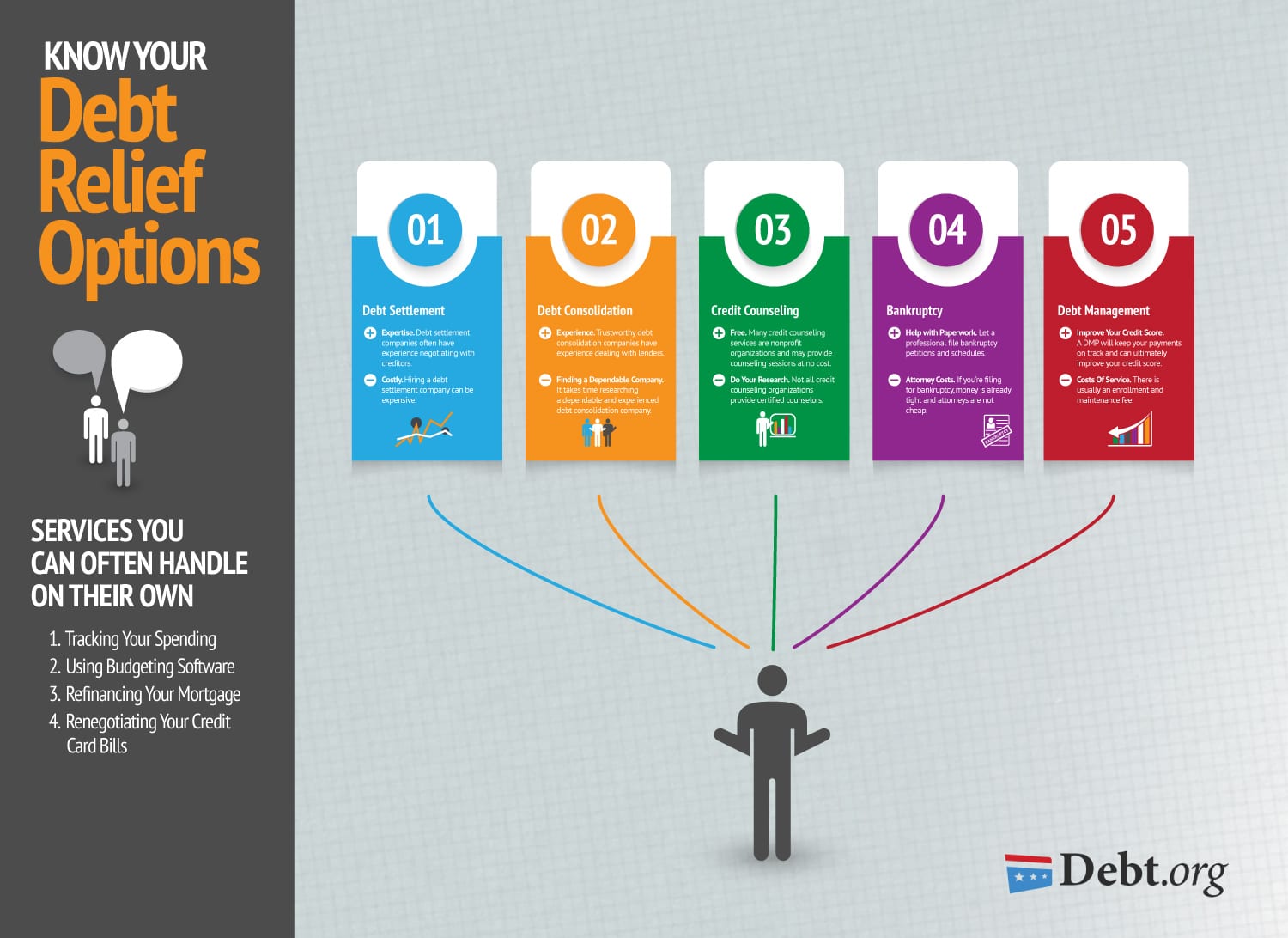
- Debt Consolidation: Combining multiple high-interest debts into a single loan with a lower interest rate or a single payment. This can be done through a new personal loan, a balance transfer credit card, or a home equity loan (if applicable).
- Credit Counseling & Debt Management Plans (DMPs): Non-profit credit counseling agencies can help you create a budget, negotiate with creditors for lower interest rates, and establish a DMP where you make one monthly payment to the agency, which then distributes it to your creditors.
- Debt Settlement: Negotiating with creditors to pay a lump sum that is less than the full amount owed. This can negatively impact your credit score and often involves fees from debt settlement companies. Proceed with caution and consider legal advice.
- Bankruptcy: As a last resort, Chapter 7 (liquidation) or Chapter 13 (reorganization) bankruptcy can provide a fresh start but has significant long-term credit implications.
2.4 Medical Debt Relief
- Negotiation: Many hospitals and healthcare providers are willing to negotiate bills, especially if you can pay a portion upfront or set up a payment plan.
- Financial Assistance Programs: Hospitals often have charity care or financial assistance programs for low-income patients.
- Indian Health Service (IHS) & Tribal Health Programs: While IHS provides direct care, it generally does not cover existing medical debt from non-IHS providers. However, understanding your eligibility for IHS services can prevent future medical debt.
2.5 Payday Loans and High-Interest Loans
- Extreme Caution: These loans are often predatory. Avoid rolling them over, as interest and fees quickly spiral.
- Negotiation: Try to negotiate an extended payment plan with the lender.
- Legal Aid: If you believe the loan terms are illegal or predatory, consult with a legal aid attorney specializing in consumer protection. Some states or tribal laws have caps on interest rates.
- Tribal Lending: Be aware that some online lenders claim tribal affiliation to bypass state regulations. Distinguish between legitimate tribal financial institutions serving their communities and "rent-a-tribe" schemes.
Section 3: Specific Programs and Resources for Native Americans
Beyond general options, several programs and organizations specifically target Native American financial empowerment and debt relief.
3.1 Federal Agencies and Programs
- Bureau of Indian Affairs (BIA): While primarily focused on tribal governance and trust resources, the BIA can sometimes offer limited financial assistance for emergency situations or connect individuals with relevant resources. They also support financial literacy initiatives.
- U.S. Department of Agriculture (USDA) Rural Development: Offers housing loans, grants, and business development programs in rural areas, which can include tribal lands. These can help prevent future debt or offer alternatives to high-interest loans.
- Native American Community Development Financial Institutions (CDFIs): These are local financial institutions that provide affordable loans, financial education, and development services specifically to Native American communities. They are a vital resource for fair lending practices and can help consolidate debt or refinance high-interest loans. Look for CDFIs certified by the Treasury Department.
3.2 Tribal Government Initiatives
Many tribal governments offer their own financial assistance programs, which can vary widely.
- Emergency Assistance Funds: Some tribes have funds for members facing immediate financial hardship, which might indirectly help with debt.
- Housing Assistance: Tribal housing authorities often have programs for down payment assistance, rental aid, or home repair, which can alleviate housing-related financial stress.
- Financial Literacy and Counseling: Tribes may offer programs to educate members on budgeting, credit building, and debt management.
- Tribal Loan Programs: Some tribes operate their own loan programs for education, housing, or business, often with more favorable terms than commercial lenders.
3.3 Non-Profit Organizations and Legal Aid
- Native American Financial Education Organizations: Organizations like Oweesta Corporation (a Native CDFI intermediary) support local Native CDFIs, which in turn provide direct services to individuals. Seek out local non-profits focused on Native American financial empowerment.
- Legal Aid Societies: Many legal aid organizations offer free or low-cost legal services, including consumer protection and debt defense, particularly for vulnerable populations. Some specialize in Indigenous rights or have outreach programs to tribal communities.
- National Consumer Law Center (NCLC): While not exclusively for Native Americans, the NCLC is a leading advocate for consumer rights and provides extensive resources on predatory lending and debt relief.
Section 4: A Step-by-Step Approach to Debt Relief
Taking control of your debt requires a systematic approach.
Step 1: Assess Your Financial Situation Thoroughly
- Inventory All Debts: List every loan, credit card, and bill. Include the creditor, current balance, interest rate, minimum payment, and due date.
- Calculate Your Income: Total all sources of income (wages, benefits, tribal distributions, etc.).
- Track Your Expenses: Create a detailed budget to understand where your money goes. Identify essential versus discretionary spending.
- Review Your Credit Report: Obtain free annual reports from Equifax, Experian, and TransUnion via AnnualCreditReport.com. Dispute any inaccuracies.
Step 2: Understand Your Rights as a Debtor
- Fair Debt Collection Practices Act (FDCPA): This federal law protects you from abusive, unfair, or deceptive debt collection practices. It applies to third-party debt collectors, not original creditors.
- State and Tribal Laws: Research consumer protection laws in your state or tribe, as they may offer additional protections against predatory lending or unfair collection practices.
- Statute of Limitations: Understand the time limit within which a creditor can sue you to collect a debt. This varies by state and type of debt.
Step 3: Seek Professional Guidance
- Credit Counseling Agencies (Non-Profit): Start here. They can help you create a budget, explore DMPs, and offer unbiased advice. Ensure they are accredited and non-profit.
- Native American CDFIs: These are excellent local resources for culturally relevant financial advice and fair lending products.
- Financial Advisors (Fee-Only Fiduciaries): For more complex financial planning, consider a fee-only advisor who is legally bound to act in your best interest.
- Legal Aid Attorneys: Essential if you are being sued for debt, facing foreclosure/repossession, or suspect predatory lending practices.
Step 4: Explore All Available Options and Prioritize
- Based on your assessment and professional advice, identify the most suitable debt relief strategies.
- Prioritize: Generally, secure debts (like mortgages) and high-interest debts (like payday loans) should be prioritized. Essential living expenses always come first.
- Consider Impact on Credit: Understand how each option (e.g., bankruptcy, debt settlement vs. DMP) will affect your credit score long-term.
Step 5: Communicate Proactively with Creditors
- Do Not Ignore: Ignoring debt collectors or lenders will only worsen the situation.
- Be Honest: Explain your financial hardship. Many creditors are willing to work with you if you initiate contact.
- Document Everything: Keep records of all communications, agreements, and payments.
Step 6: Beware of Debt Relief Scams
- Upfront Fees: Be extremely cautious of companies demanding large upfront fees for debt settlement or consolidation services.
- Guarantees: No legitimate company can guarantee debt elimination.
- Aggressive Marketing: Scammers often use high-pressure tactics.
- Check Credentials: Verify the legitimacy of any company or advisor you consider working with.
Section 5: Long-Term Financial Empowerment
Debt relief is a critical step, but true financial stability requires long-term strategies.
- Financial Literacy: Continuously educate yourself on budgeting, saving, investing, and responsible borrowing.
- Emergency Fund: Build a savings cushion to cover 3-6 months of living expenses, preventing future reliance on high-interest loans.
- Credit Building: Rebuild or establish positive credit by making all payments on time and using credit responsibly.
- Asset Building: Explore opportunities for homeownership, business development, or other asset-building initiatives, often supported by Native CDFIs or tribal programs.
Conclusion
Navigating debt as a Native American individual requires understanding both universal financial strategies and the specific programs and considerations unique to Indigenous communities. By taking a proactive, informed, and systematic approach, utilizing the resources available through federal programs, tribal governments, and specialized non-profits, and seeking professional guidance, you can effectively address your debt and build a stronger foundation for long-term financial well-being. Empowerment comes from knowledge and action – take the first step today.


